Table of Contents
Surviving longer in PUBG: Battlegrounds is less about chasing every gunfight and more about making a series of good decisions. Pick a landing area you can loot efficiently, keep the next safe zone in mind, move from cover to cover, and fight when the position favors you. The tips below focus on habits that remain useful across different maps and game modes.

1. Learn the controls before entering a live match
Use the Training Ground to adjust mouse sensitivity, practice recoil control, test scopes, and learn how throwables behave. PUBG also provides Basic Training from the Play menu, covering movement, parachuting, weapons, armor, healing, the Blue Zone, vehicles, revives, and other core systems. The official Basic Training overview explains the current training flow.
Check your key bindings rather than relying on an old control list. Set commonly used actions—crouch, prone, lean, map, inventory, healing, and push-to-talk—to keys you can reach comfortably. If the game runs poorly, review the PUBG PC requirements and performance guidance before lowering settings at random.
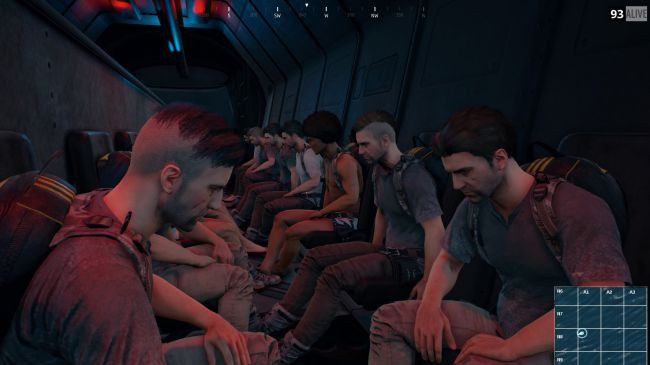
2. Set up audio for useful information
Footsteps, vehicle engines, doors, gunfire, and reload sounds reveal nearby players. Use stereo headphones at a safe volume and reduce distractions such as music or unnecessary voice channels. Do not simply turn the master volume to an uncomfortable level; balance effects, voice chat, and system volume so important sounds remain clear without risking your hearing.

3. Choose a landing area with a route in mind
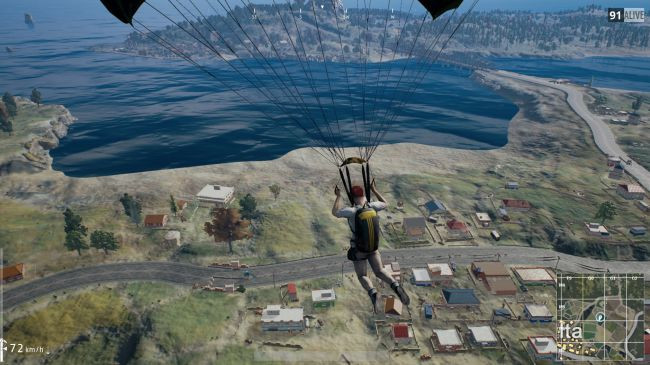
Before jumping, mark a destination and look at the aircraft path. Popular named locations tend to offer faster action but also more competition. Smaller compounds can provide a calmer start, although you may need a vehicle or an early rotation if the first circle is far away.
Use free look while descending to count nearby parachutes without changing direction. Aim to land quickly enough to reach a building or weapon before nearby opponents. If several squads contest the same roof, diverting to an adjacent compound is often better than forcing an unarmed fight.
4. Loot for a usable kit, not a perfect one
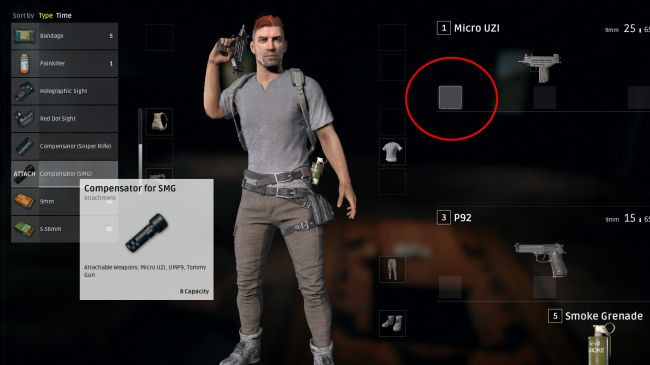
Your first priorities are a weapon, compatible ammunition, armor, a helmet, healing items, and a backpack. Reload immediately and keep enough ammunition for the next fight. The inventory screen makes it faster to compare items and attach compatible parts, but do not stand still in an exposed doorway while managing it.
Higher-level helmets and vests generally offer better protection, while durability determines how much use remains. A badly damaged high-level item is not automatically the best choice, so compare its condition with the replacement. Backpack levels affect carrying capacity, but carrying excessive ammunition or attachments can leave too little room for healing and utility.
5. Build a practical two-weapon loadout
A versatile setup usually combines a dependable close- or mid-range weapon with an option for longer engagements. An assault rifle or SMG can cover general fights; a DMR or sniper rifle adds reach; a shotgun can be useful in buildings. The best pairing is one whose recoil, reload timing, ammunition, and effective range you have practiced.
Do not choose a weapon only from an old damage ranking. Balance patches can change weapon behavior, and attachments affect control. Learn the ammunition types with this PUBG ammunition guide, then test unfamiliar guns in Training Ground before depending on them in a final circle.

6. Treat every building as potentially occupied
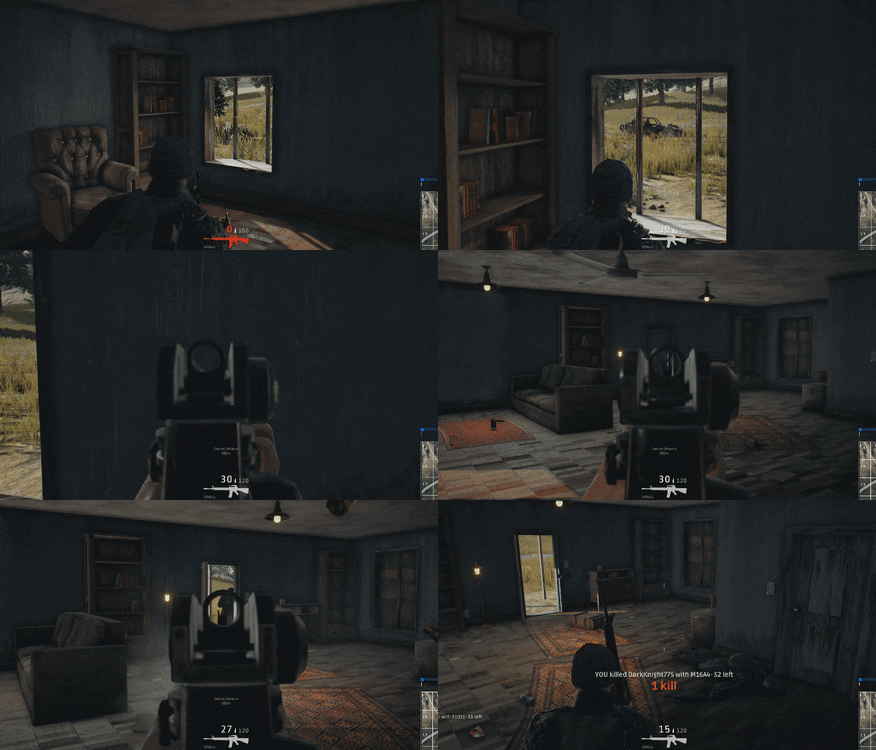
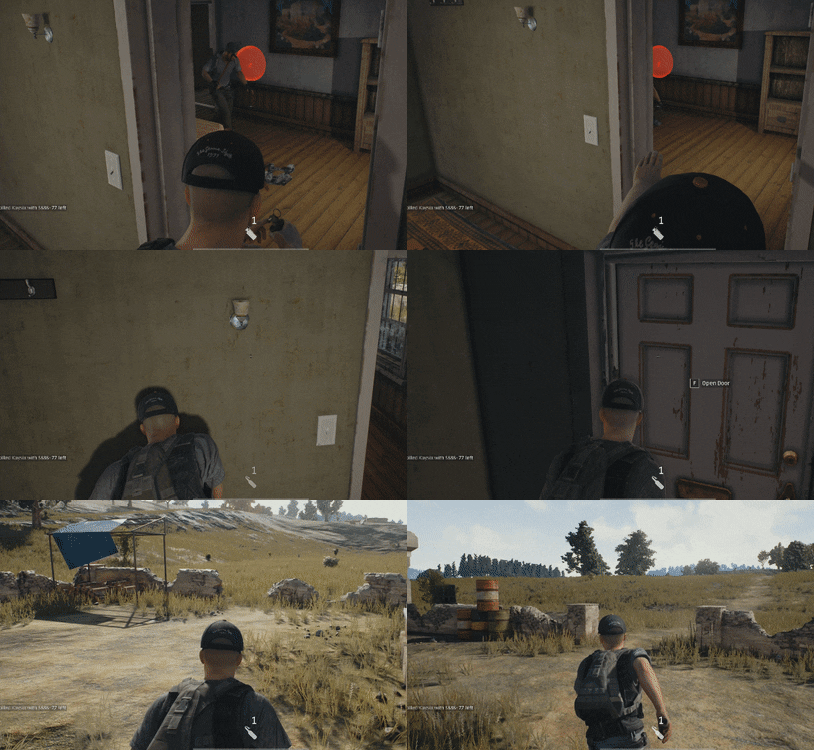
An open door, missing loot, a parked vehicle, or broken glass can indicate that another player has passed through, but none is conclusive. Clear rooms methodically, avoid standing in the doorway, and listen before rushing upstairs. Doors can also be used as information: closing one may hide your presence, while leaving one open can make a compound look looted. Assume experienced opponents may deliberately create either impression.
7. Move between cover, not just toward the marker
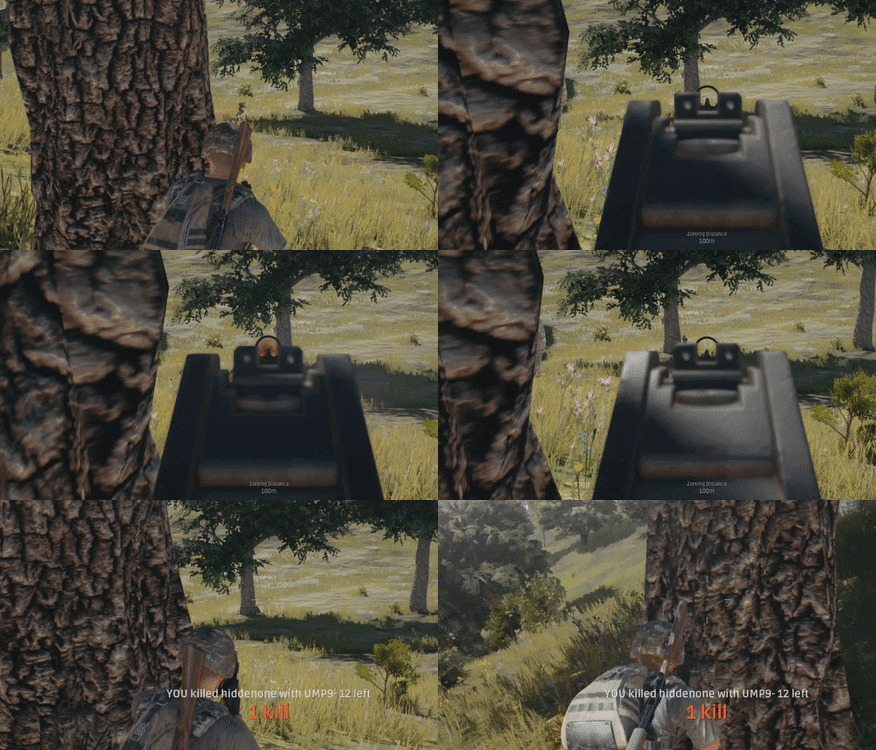
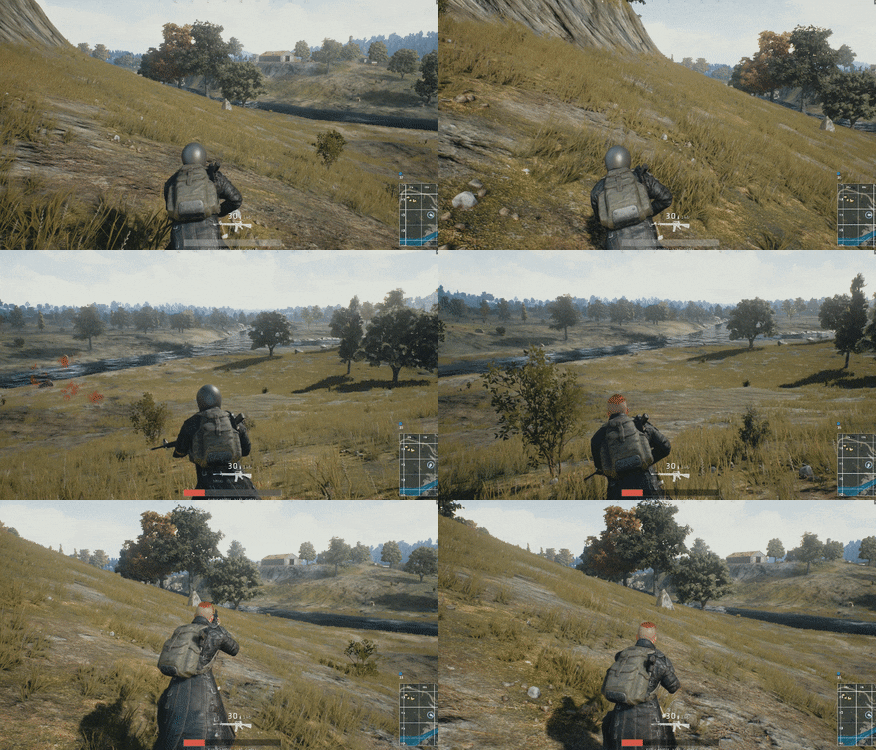
Plan short moves from one protected position to the next: a ridge, rock, wall, tree, or building. Before crossing open ground, scan the destination and likely sightlines. Sprinting is useful when exposed, but walking or crouching can reduce noise when an opponent is nearby. Prone movement can conceal you in some terrain, yet it also slows escape and may leave you helpless on a bare slope.
8. Manage the Blue Zone early
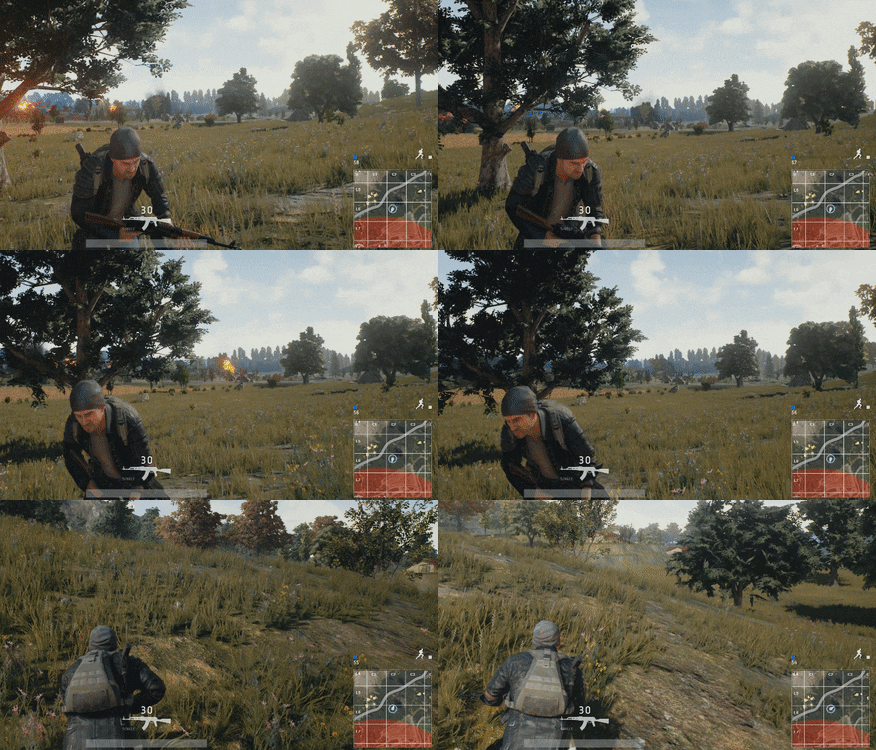
Check the map regularly and estimate how long your route will take. A distant circle, difficult terrain, or a bridge crossing may require you to leave before the countdown becomes urgent. The Blue Zone becomes increasingly punishing as the match progresses, so healing through it is not a reliable late-game plan.
Some maps or events include additional environmental hazards with their own rules. Read the current map indicators and in-game warnings instead of assuming every colored area works like an old version of the game.
9. Use vehicles for rotation, then hide them intelligently
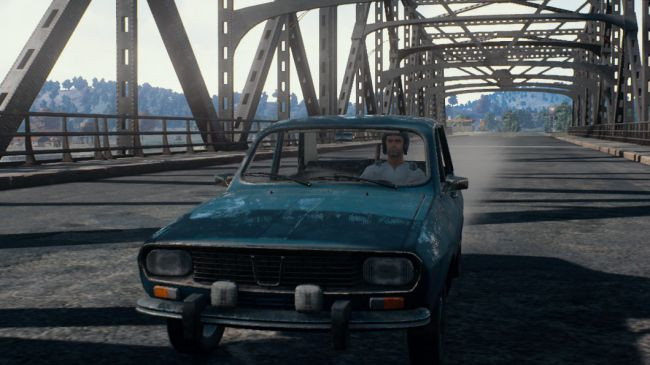
Vehicles can rescue a poor circle position and provide fast transport across exposed terrain, but the engine announces your approach. Keep fuel and vehicle condition in mind, avoid stopping in an open field, and slow down before exiting. Jumping from a fast-moving vehicle can cause severe damage or eliminate you.
Park behind solid cover rather than directly beside the room you occupy. In the late game, a vehicle can sometimes serve as emergency cover, but it may also be damaged or destroyed, so do not rely on it as your only protection.
10. Carry utility and practice throwables
Frag grenades can force an opponent away from cover, smoke grenades can conceal a revive or dangerous crossing, stun grenades can help clear a room, and incendiary items can deny an entrance. Learn the difference between overhand and underhand throws and practice the arc in Training Ground. Cooking a frag changes its timing but leaves less margin for error, so use it only after learning the fuse behavior.
11. Take fights that improve your position
Before shooting, ask whether you have cover, a safe retreat, useful range, and enough information about other enemies. A distant shot can reveal your position to several teams without producing a knock. If you do engage, change angles after firing, avoid repeating the same peek, and do not loot a defeated player until you have checked the surrounding area.
In squad modes, share concise information: direction, landmark, distance estimate, and enemy count. Coordinate smoke and revives, and avoid having the whole squad watch the same angle.
12. Play the final circles patiently
Late-game movement is about reducing exposure. The center may offer more options for the next circle, while the edge can reduce the number of threats behind you; neither is always correct. Choose the side with the strongest cover and the clearest route. Save smoke and healing for forced moves, keep track of the remaining players, and let other teams reveal themselves when possible.
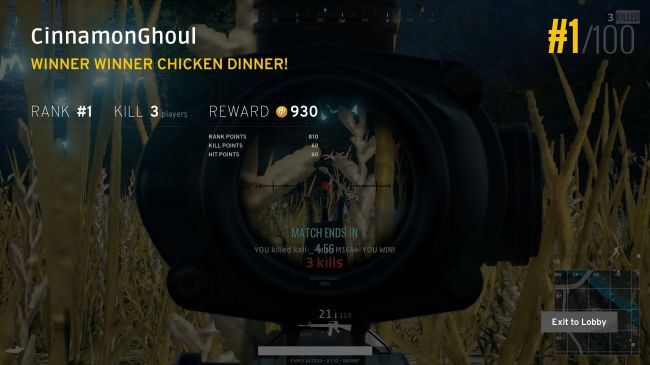
Review each defeat for one actionable mistake: a late rotation, poor cover, an unfamiliar recoil pattern, or missed audio. Improving one repeatable decision at a time is the most reliable path to surviving longer and winning more matches.
Related Articles
 How to Fix Home Load in Playerunknown's Battlegrounds4 minutes read
 Playerunknown's Battlegrounds Keyboard Shortcut6 minutes read
 Latest Ninja Battlegrounds Codes and How to Redeem3 minutes read
 Totally Accurate Battlegrounds: Helpful Tips for New Players7 minutes read
 Summary of Keyboard Shortcuts for Playing PUBG and PUBG Mobile on7 minutes read
 Configure Playerunknown's Battlegrounds on the Computer5 minutes read
Reader Comments 0
Sign in with email or Google to join the discussion.