Table of Contents
PUBG: Battlegrounds requires a 64-bit Windows 10 PC, DirectX 11, a broadband connection, and at least 40GB of free storage. The official minimum specification can launch the game, but it is not a promise of smooth performance in every match. For steadier frame rates, 16GB of RAM and hardware near the recommended tier are a more practical target.
The figures below follow PUBG Support’s published PC requirements. Requirements can change as the game is updated, so check the official page before buying parts.
Minimum PUBG PC requirements
| Component | Minimum |
|---|---|
| Operating system | 64-bit Windows 10 |
| Processor | Intel Core i5-4430 or AMD FX-6300 |
| Memory | 8GB RAM |
| Graphics | NVIDIA GeForce GTX 960 2GB or AMD Radeon R7 370 2GB |
| DirectX | Version 11 |
| Network | Broadband internet connection |
| Storage | 40GB available space |
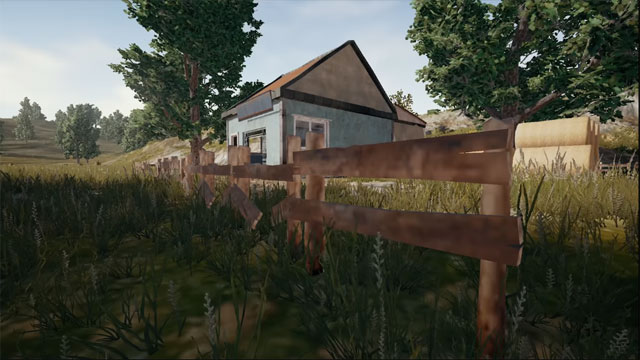
This tier is the floor for running the game. Older four-core processors and 2GB graphics cards can be constrained by busy areas, effects, background applications, and later game updates. Lowering visual settings may help, but it cannot compensate for insufficient RAM or a severely limited CPU.
Recommended PUBG PC requirements
| Component | Recommended |
|---|---|
| Operating system | 64-bit Windows 10 |
| Processor | Intel Core i5-6600K or AMD Ryzen 5 1600 |
| Memory | 16GB RAM |
| Graphics | NVIDIA GeForce GTX 1060 3GB or AMD Radeon RX 580 4GB |
| DirectX | Version 11 |
| Network | Broadband internet connection |
| Storage | 50GB available space |
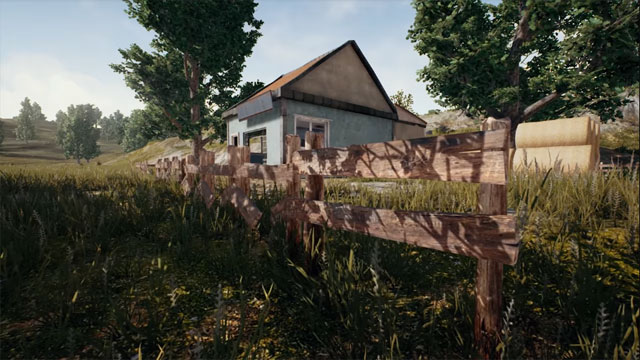
PUBG describes this tier as suitable for high frame rates in most situations. Treat that as a general target, not a guaranteed result: resolution, graphics settings, drivers, map activity, temperature, and background software all affect performance.
Competitive/high-refresh requirements
| Component | Competitive tier listed by PUBG |
|---|---|
| Processor | Intel Core i9-9900K or AMD Ryzen 7 3800X |
| Memory | 32GB RAM |
| Graphics | NVIDIA GeForce RTX 2060 Super or AMD Radeon RX 5700 |
| Operating system / DirectX | 64-bit Windows 10 / DirectX 11 |
| Storage | 50GB available space |
This is intended for consistently high frame rates and high-refresh monitors. Newer hardware with similar or better real-world performance is also suitable; the exact model name does not have to match an older reference part.
Check whether your PC meets the requirements
- Press Windows + R, type
dxdiag, and press Enter. - On the System tab, note the processor, memory, Windows version, and DirectX version.
- Open the Display tab to find the GPU name and display memory.
- Open File Explorer, select This PC, and check the free space on the drive where Steam and PUBG are installed.
If you need more detail, see TipsMake’s guides to checking PC specifications on Windows and viewing hardware information without extra software.
Which upgrade helps PUBG most?
Increase memory first if you only have 8GB
Moving to 16GB reduces pressure from Windows, Steam, voice chat, and browser tabs running alongside the game. Install memory in a supported dual-channel configuration when possible, and verify compatibility with the motherboard or laptop.
Use an SSD and keep free space available
An SSD improves installation, patching, and asset-loading responsiveness. It does not automatically raise average FPS, but it can reduce storage-related delays. Keep more than the listed minimum free because updates need temporary working space.
Match the CPU and GPU to the target resolution
PUBG can stress both the processor and graphics card. A weak CPU often shows up as inconsistent frame pacing in crowded or fast-changing scenes, while a saturated GPU is more noticeable when resolution or visual quality is increased. Check Task Manager or a trusted hardware monitor during a match before deciding which component to replace.
Practical settings for a lower-spec PC
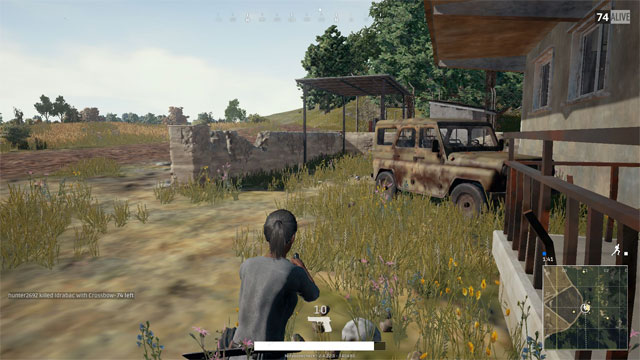
- Start at 1080p or a lower render scale and use the game’s low or medium preset.
- Lower shadows, effects, foliage, and post-processing before reducing visibility-critical settings.
- Close unnecessary launchers, browser tabs, overlays, and recording tools.
- Install current stable GPU drivers and Windows updates.
- Use a wired network connection when possible. Lower graphics settings cannot fix internet latency or packet loss.
- Check CPU and GPU temperatures if performance falls after several minutes of play.
Do not rely on a single advertised FPS number when choosing a PC. Compare your hardware with the official tiers, decide which resolution and refresh rate you want, and leave headroom for game updates and background applications.
Related Articles
 Playerunknown's Battlegrounds Keyboard Shortcut6 minutes read
 How to Fix Home Load in Playerunknown's Battlegrounds4 minutes read
 Tips to Become the Last Survivor in Playerunknown's Battlegrounds Game15 minutes read
 Summary of Keyboard Shortcuts for Playing PUBG and PUBG Mobile on7 minutes read
 Latest Ninja Battlegrounds Codes and How to Redeem3 minutes read
 Totally Accurate Battlegrounds: Helpful Tips for New Players7 minutes read
Reader Comments 0
Sign in with email or Google to join the discussion.