Table of Contents
Grok can be useful alongside another AI assistant when your question is specifically about public discussion on X. It can help locate posts, group reactions and surface links for further reading. That is a distinct task from writing a document, debugging a program or establishing whether a news claim is true.
It does not follow that Grok is the best assistant for every task, or that its summaries represent what most people think. The value depends on the sources retrieved and how carefully you check them.
What Grok's X integration adds
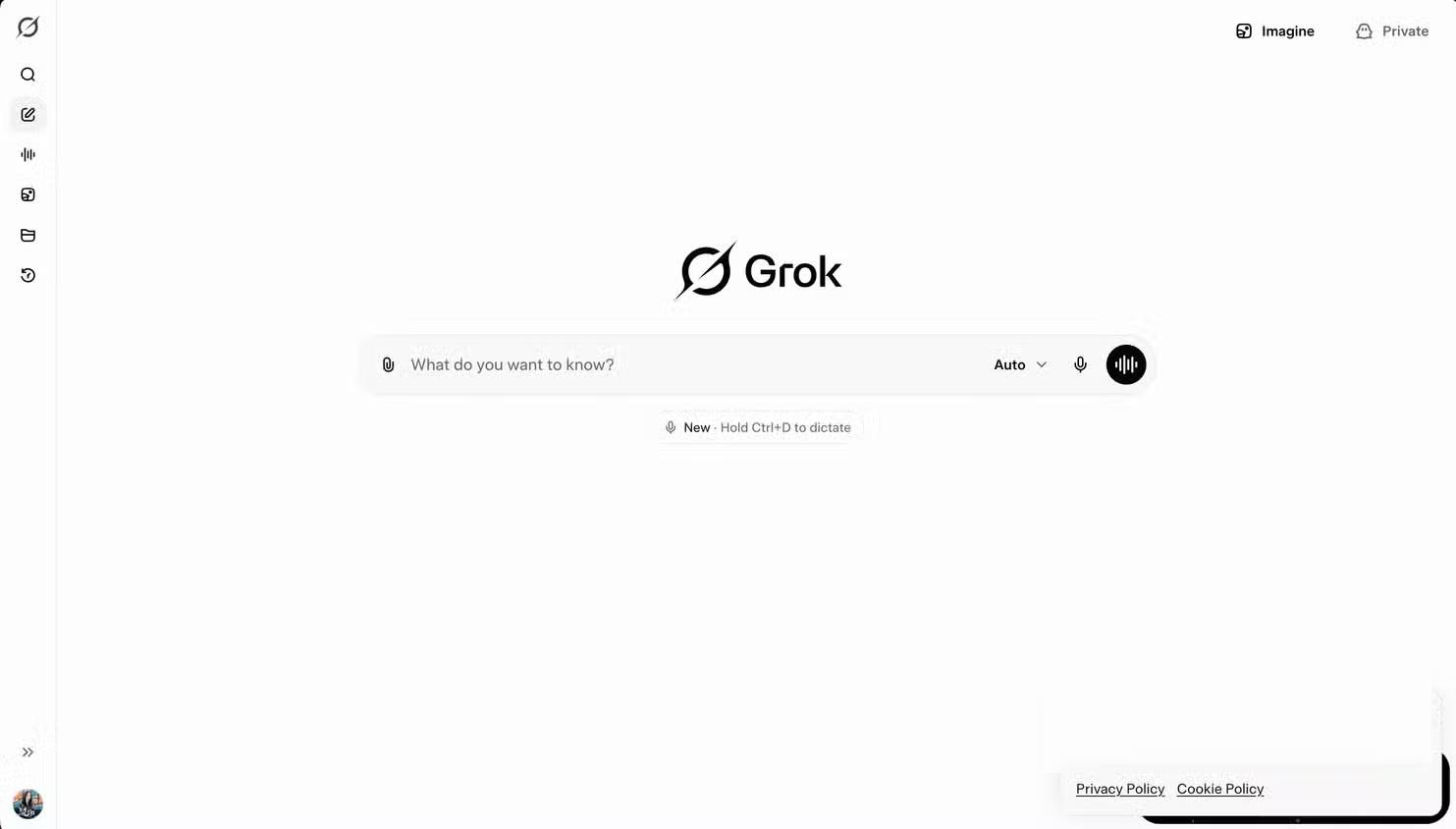
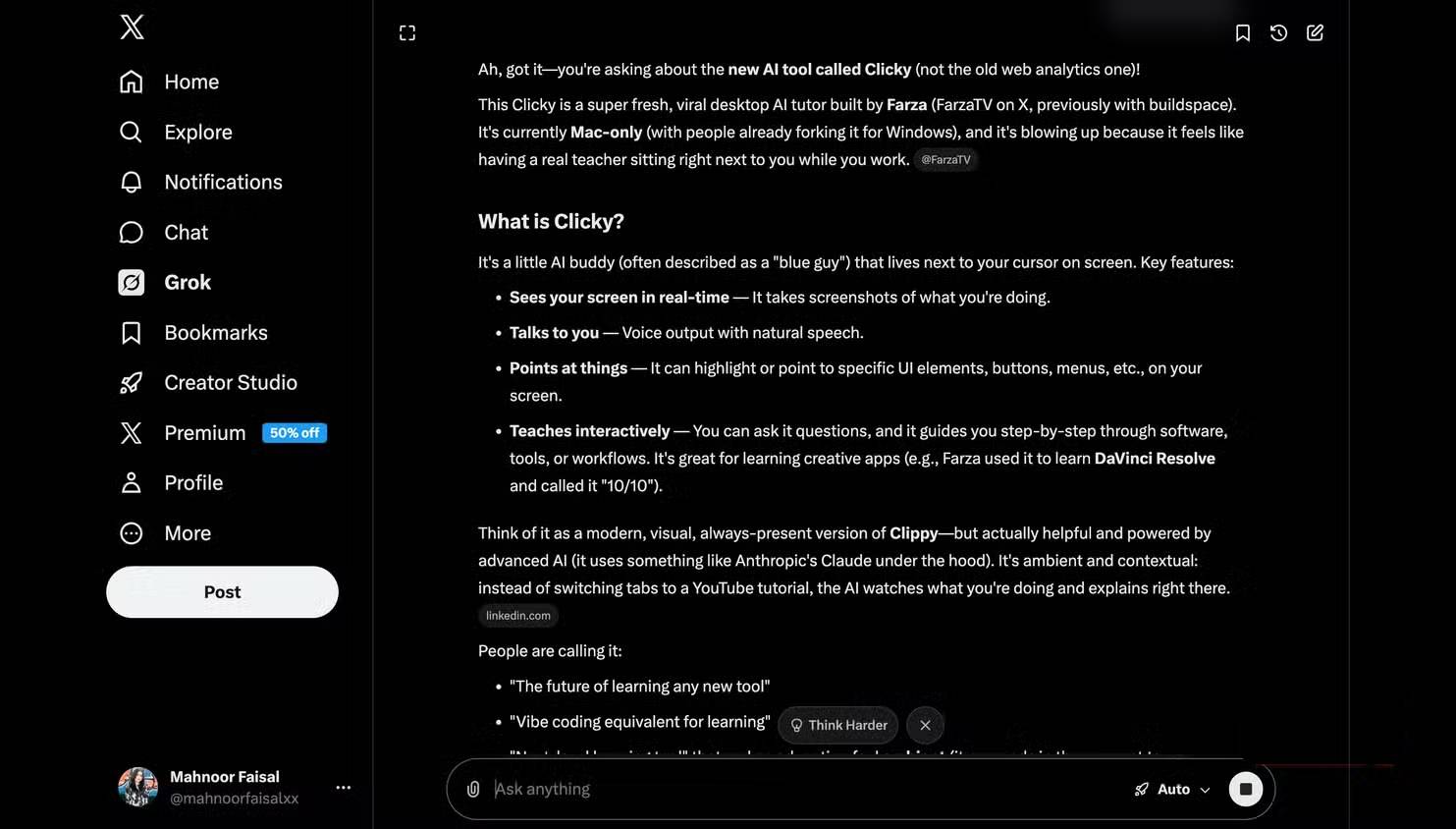
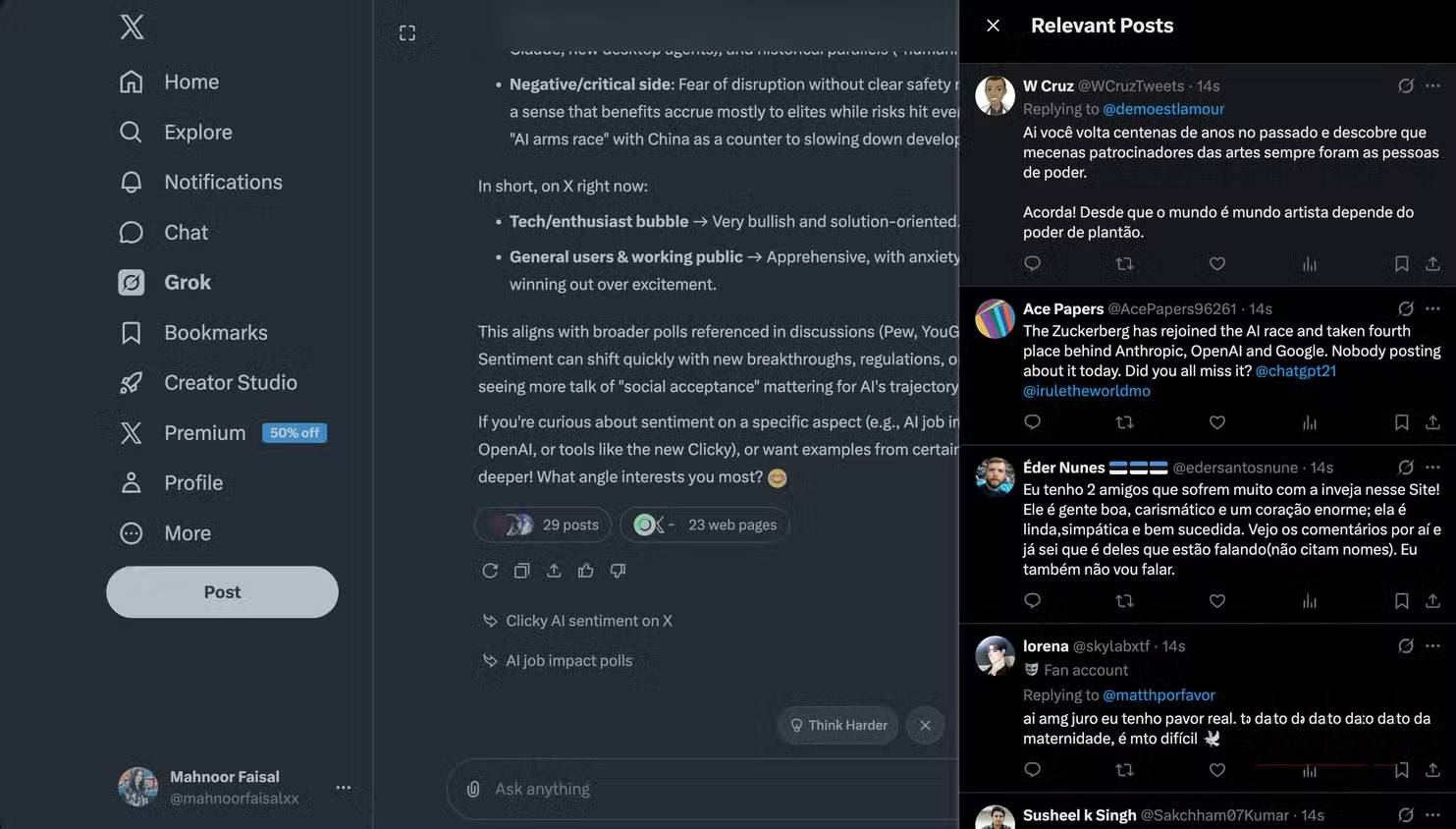
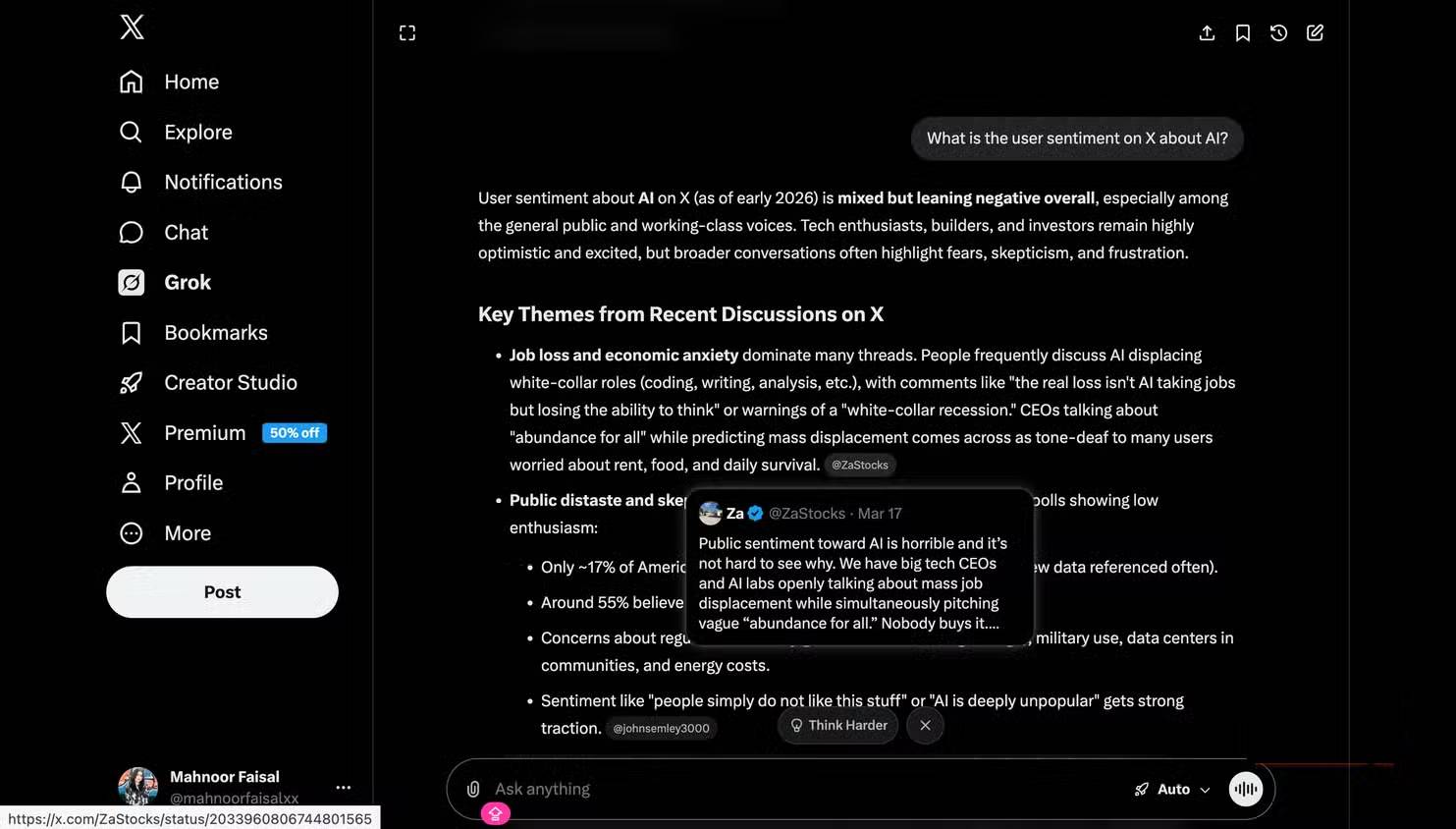
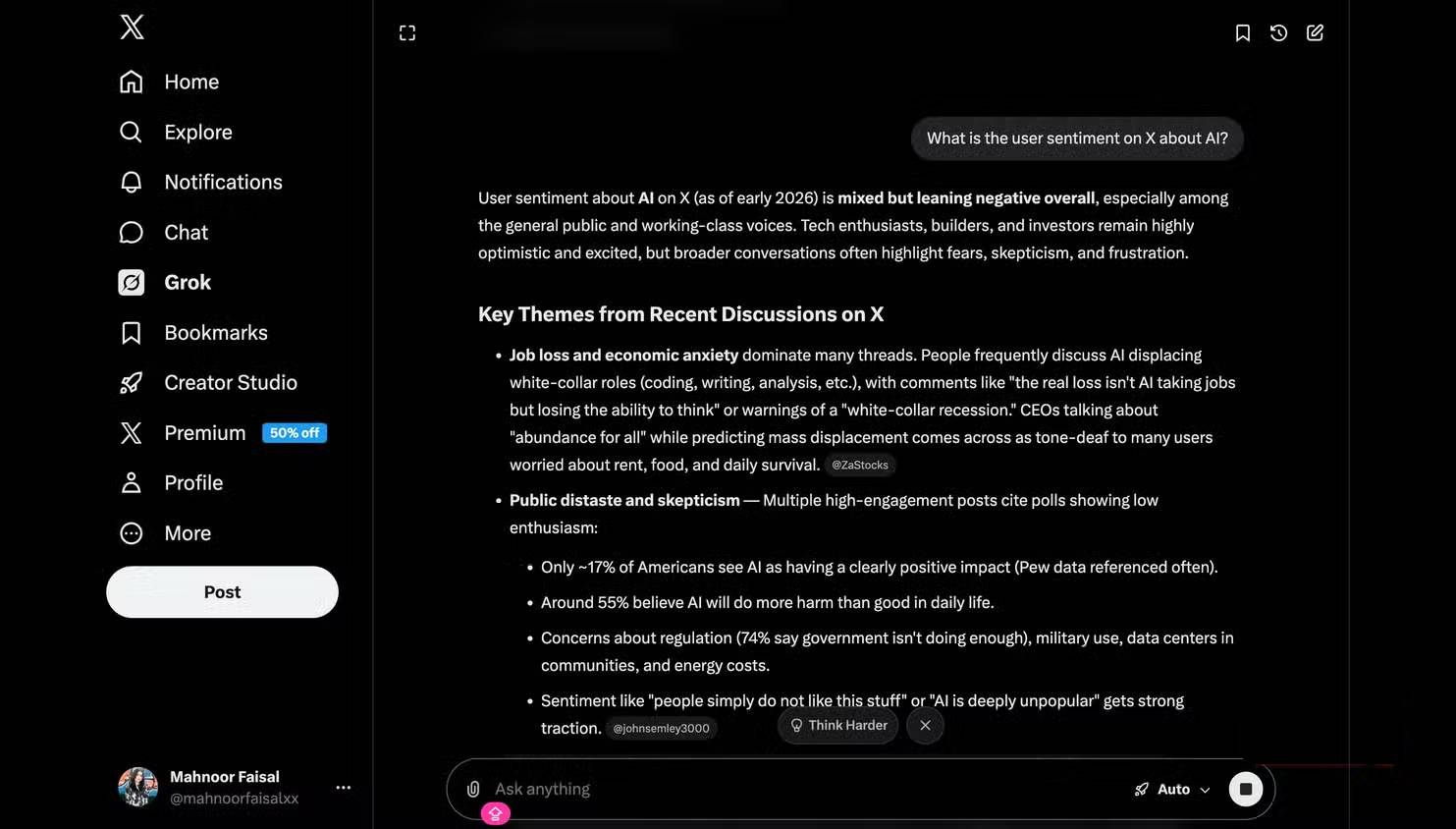
The provider's consumer FAQ describes Grok's ability to search public X posts and the web. This can help with questions such as what an organization announced, which issues users are discussing, or how reactions to a product differ.
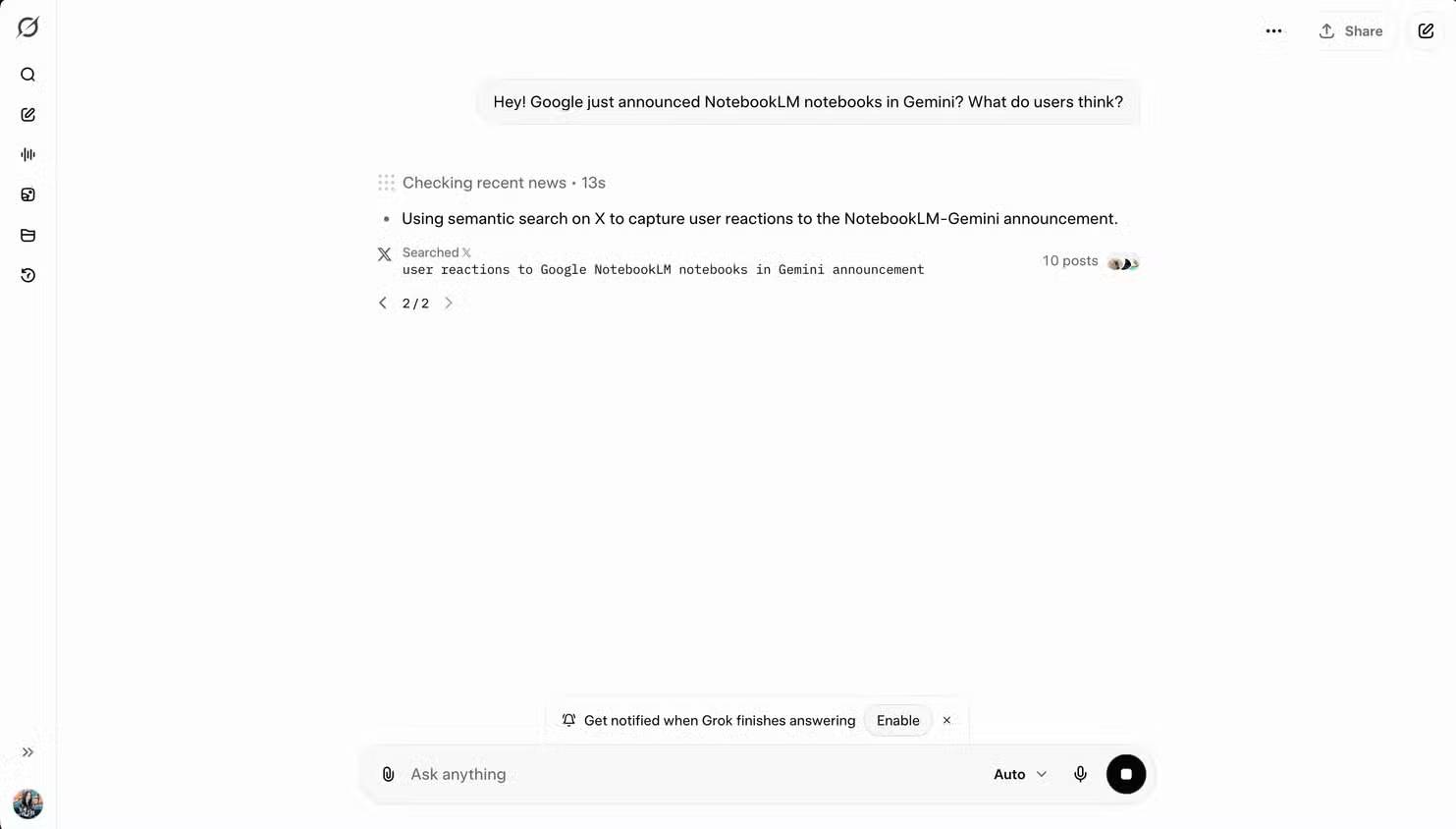
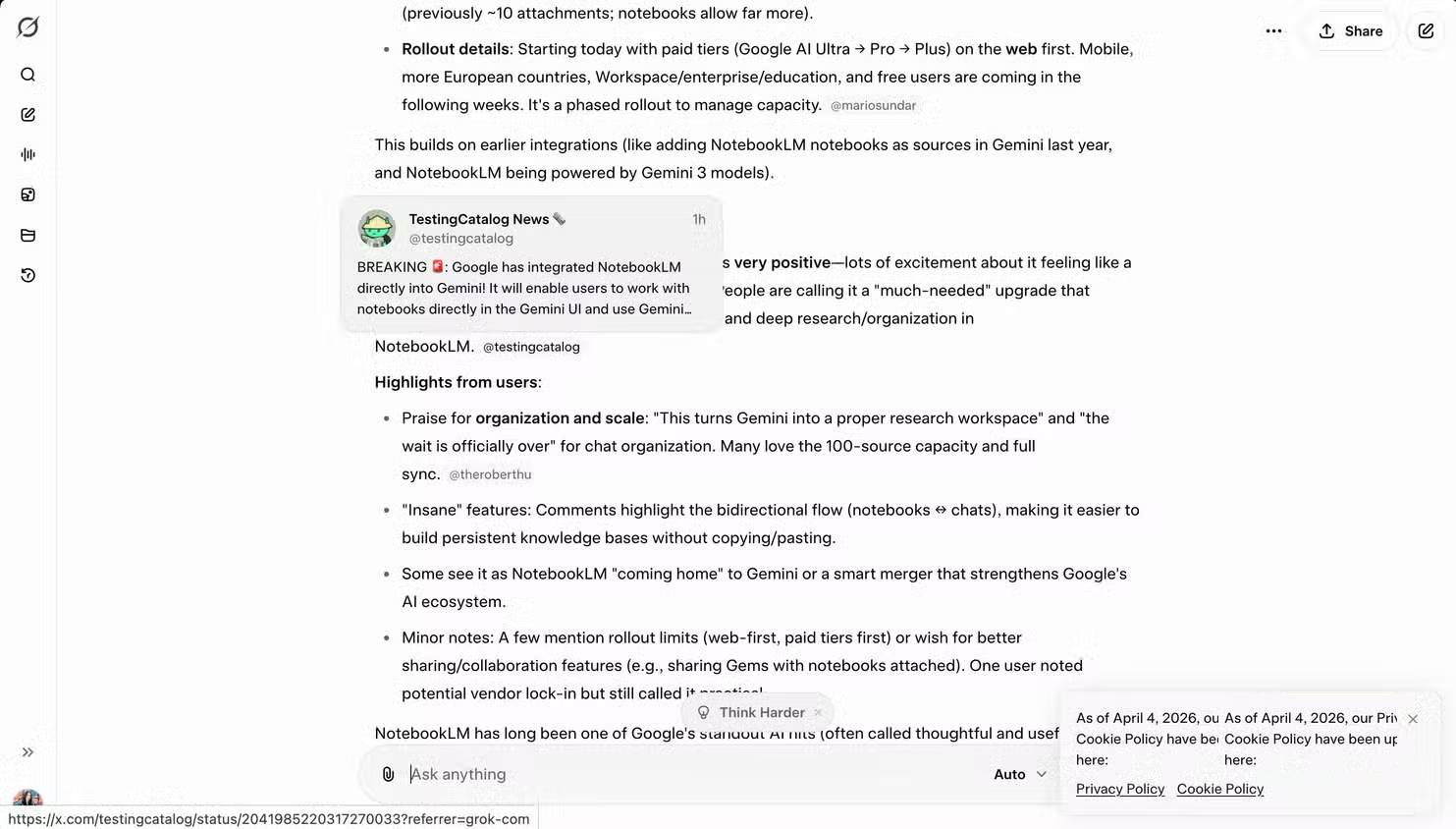
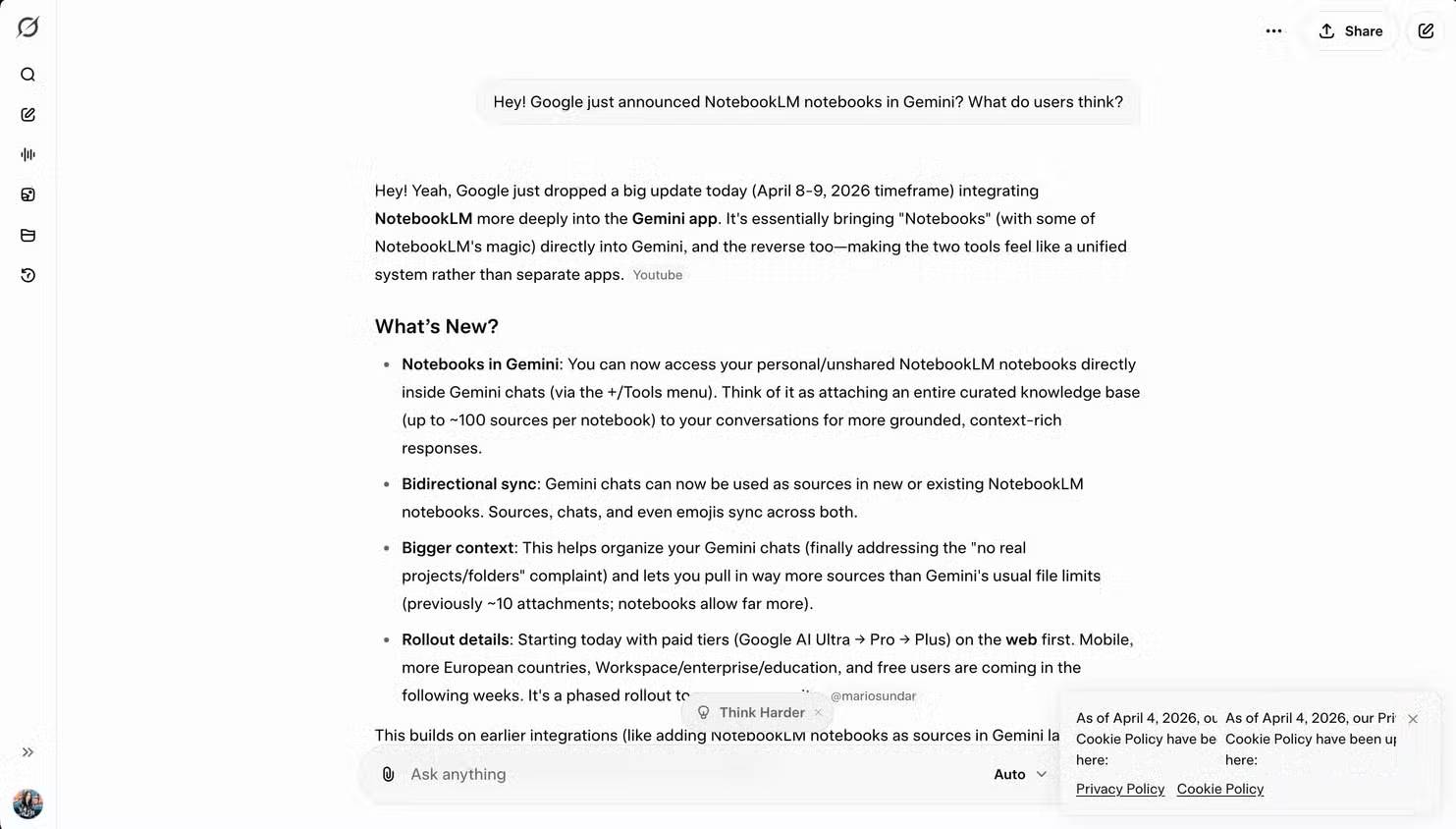
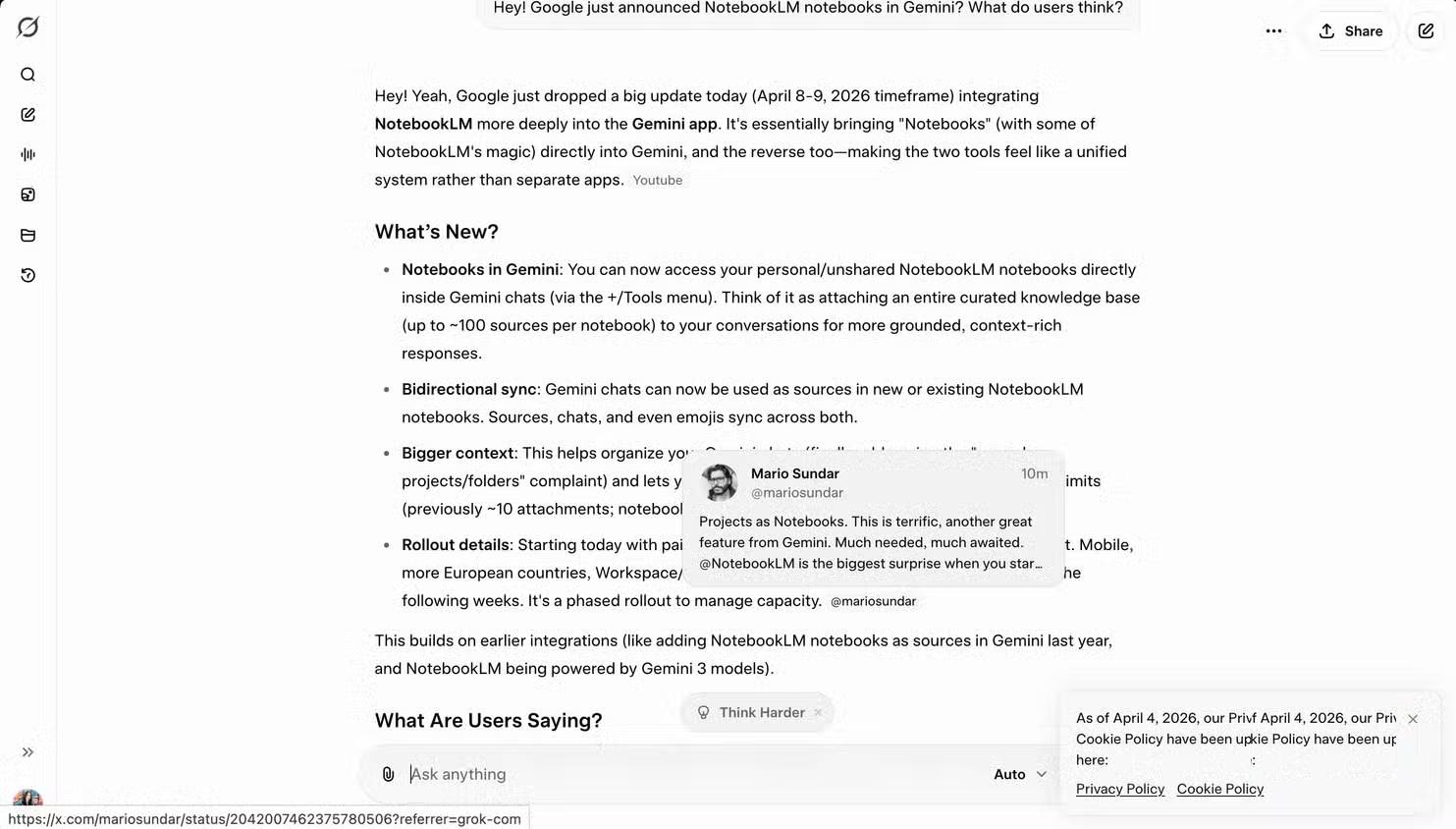
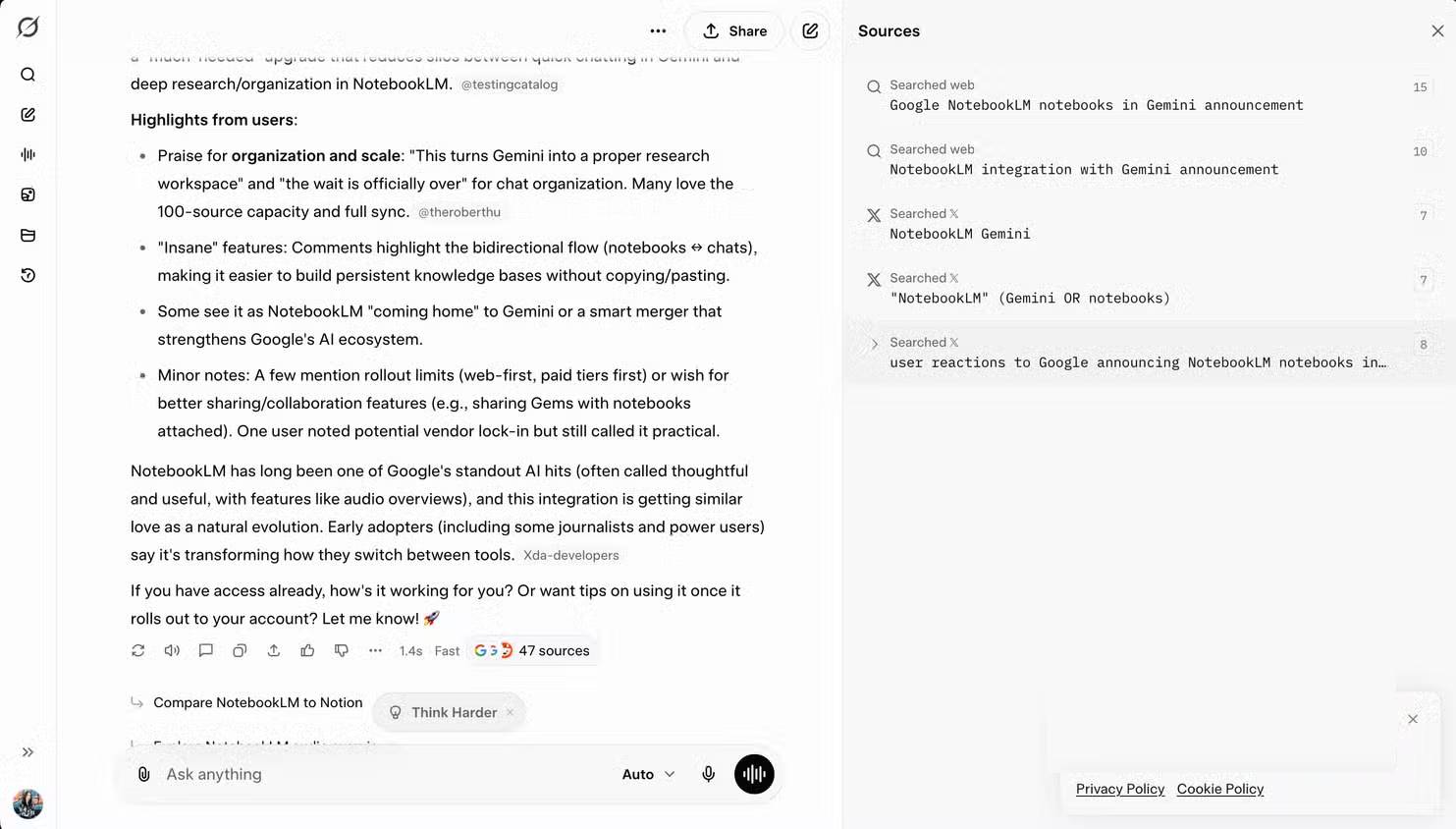
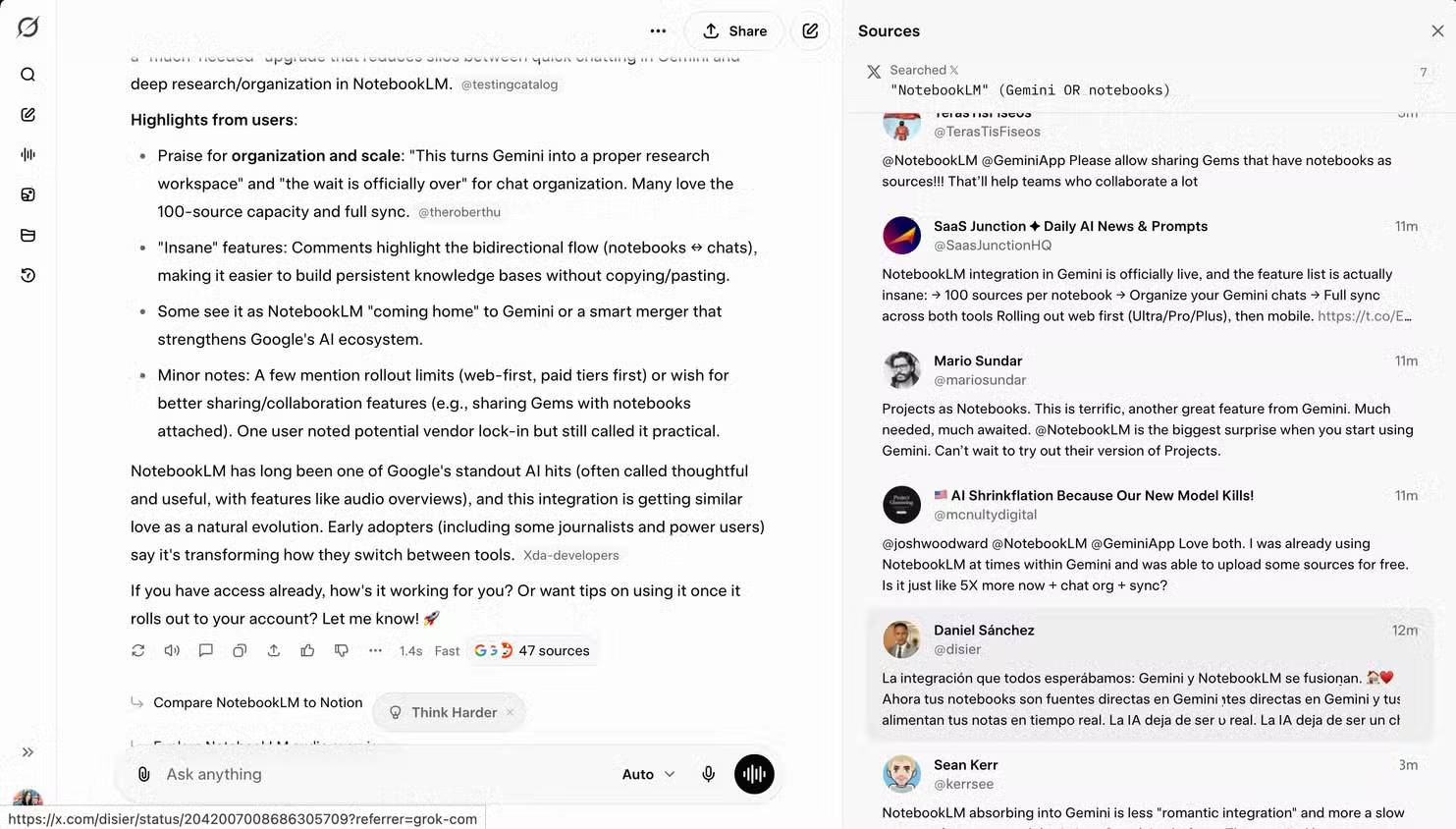
A model's training knowledge and a search result are different sources of information. Search can retrieve newer material, but it can also retrieve inaccurate or irrelevant material. Ask the assistant to distinguish what it found from what it inferred.
Do not assume that every answer uses live search, that the search covers every post, or that public-post access includes private or protected content. Look for actual source links in the response.
Ask a focused question about the discussion
“What are people saying about this phone?” is broad. A better prompt gives the product, time period and the type of evidence you want:
Find public X posts about the battery life of [exact phone model] from the last seven days. Separate apparent first-hand reports from reposts, jokes and promotional content. Summarize the recurring points with links and dates. Do not estimate the percentage of users affected from this sample.
For an announcement, ask for the original company post first, then a separate summary of reactions. This prevents commentary from being presented as the announcement itself. The Grok prompting guide offers additional ways to make requests more specific.
Use the interface that fits the task
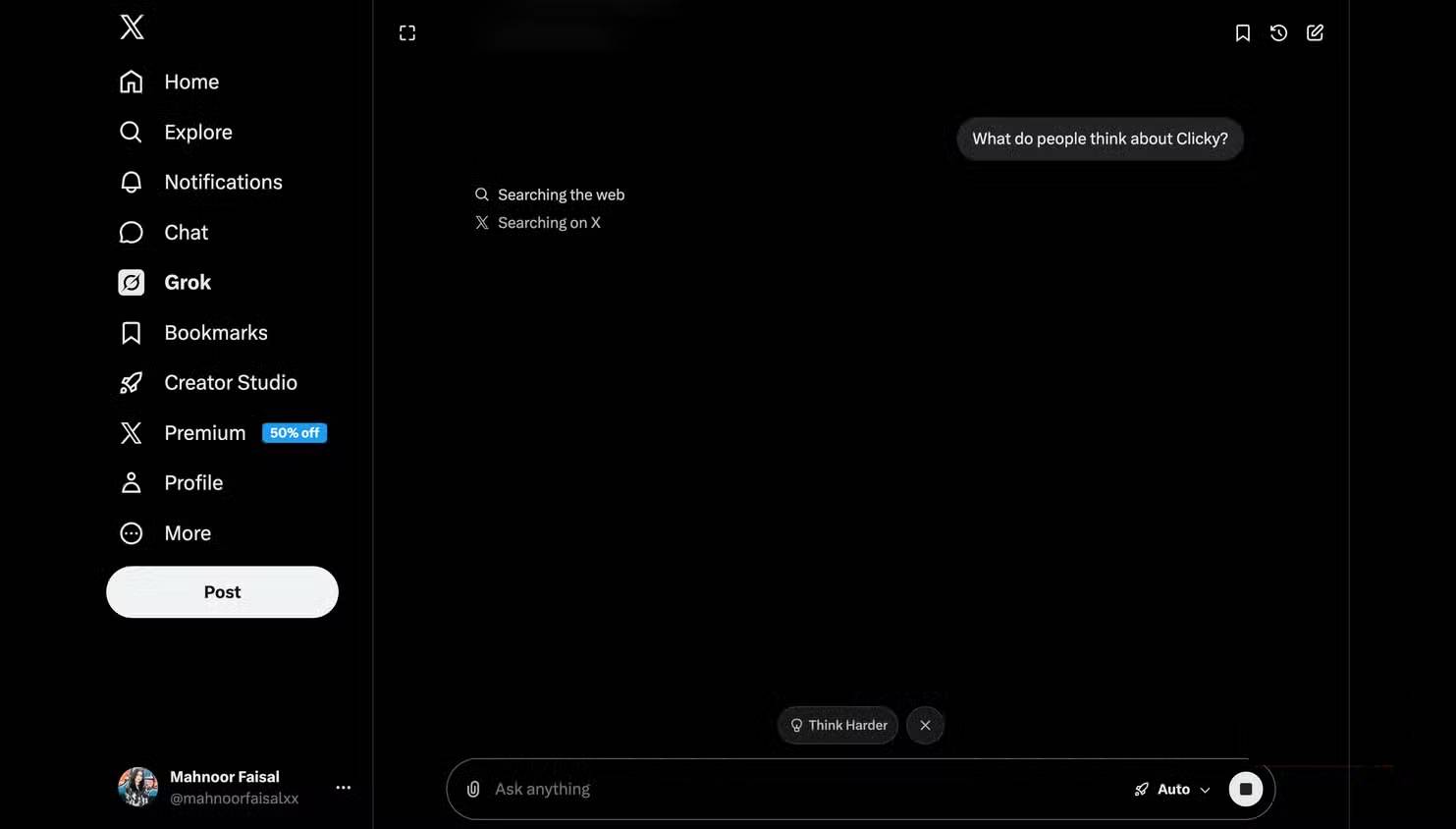
Grok is available through its standalone experiences and through X, as described in the official product overview. Controls, usage limits and in-thread reply eligibility can differ. Check the feature available in your account rather than relying on an old subscription comparison.
A standalone conversation is useful for refining a research question. A public reply in an X thread is a publication action, so do not include private context or information you would not want visible to others. Read a response before reposting it as evidence.
Check the posts behind the summary
- Open the original source. Confirm the author, date and surrounding thread.
- Identify the type of claim. Separate a first-hand report, an opinion, an advertisement and a second-hand allegation.
- Check independence. Many posts repeating the same claim may all originate from one unverified source.
- Look beyond X for factual confirmation. Use product documentation, official notices or other appropriate primary evidence.
- Preserve uncertainty. If the available material is sparse or contradictory, report that rather than forcing a clear verdict.
A social-media summary is not a representative survey. Search terms, account visibility and ranking can influence what appears. Avoid conclusions such as “most customers are unhappy” unless supported by suitable evidence beyond a selected group of posts.
Decide by task, not by one overall ranking
Use Grok when its access to relevant X discussion saves you work and the results are traceable. Continue using another assistant where its writing, coding, document or connected-tool workflow fits you better. The Claude and ChatGPT comparison can help frame those other needs.
When comparing assistants, give each the same bounded task and assess source quality, factual accuracy and the effort needed to correct the result. A fast, confident summary is useful only if it survives that check.
Related Articles
 Claude vs ChatGPT: Which AI Assistant Should You Use?10 minutes read
 Should I Buy ChatGPT Plus or Claude Pro?10 minutes read
 4 Ways AI Claude Chatbot Outperforms Chatgpt6 minutes read
 The Difference Between Claude and ChatGPT13 minutes read
 Comparing Prices for ChatGPT, Gemini, Claude, Grok...8 minutes read
 6 Reasons to Use Claude Instead of ChatGPT7 minutes read
Reader Comments 0
Sign in with email or Google to join the discussion.