Table of Contents
Micron announced that it would exit the Crucial consumer business, including consumer-branded memory and storage sold through retailers and distributors. The decision concerns Crucial's consumer sales operation; Micron said it would continue selling Micron-branded enterprise products through commercial channels.
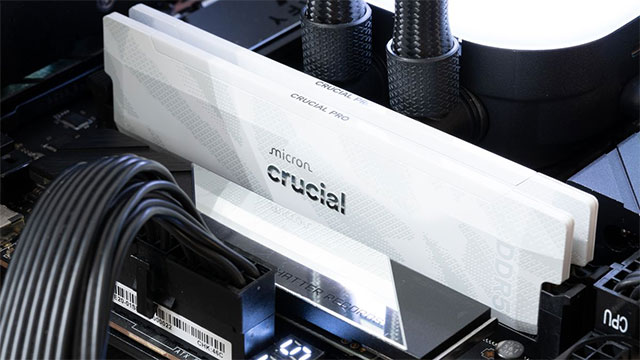
What Micron announced
In its December 3, 2025 announcement, Micron said Crucial consumer-product shipments would continue through the end of fiscal second quarter, in February 2026. It also committed to continued warranty service and support for Crucial products.
The shipment timetable and the warranty commitment are separate points. The end of consumer shipments does not mean that every existing product's warranty ends on that date. Retail stock can also remain available after a manufacturer stops supplying a channel.
Why the company changed direction
Micron attributed the decision to increased memory and storage demand from AI-driven data-center growth. It said the exit would help it supply and support larger strategic customers in faster-growing segments.
That explanation does not establish a particular future retail price for RAM or SSDs. Prices vary by product, supply, seller, and region, so claims of record prices or inevitable shortages need separate evidence.
If you already own Crucial RAM or an SSD
- Keep your purchase records. Save the invoice and the exact model and serial number for any support claim.
- Check the terms for your product. Warranty duration and eligibility depend on the model and applicable conditions; the brand-exit announcement does not replace those terms.
- Use the current official support route. Consult Crucial or Micron's support information when requesting service or checking firmware.
- Keep important files backed up. Hardware warranty service is separate from recovering data stored on an SSD.
If you are buying remaining stock
Compare current offers and confirm the seller, product condition, returns, and warranty eligibility before ordering. There is no need to replace a working drive or memory kit solely because of a change in the manufacturer's consumer business.
For RAM, first identify your system's memory using the guide to checking RAM specifications with CPU-Z. For a storage upgrade, review SSD types and compatibility. A familiar brand name does not replace those hardware checks.
Related Articles
 Anime World Simulator: Full latest giftcode and how to redeem code
 Why aren't the largest animals the fastest?
 6 Best TV Brands You Can Trust
 Instructions for entering the latest Ni no Kuni: Cross Worlds codes and codes
 Ni no Kuni: Cross Worlds - How to turn off auto-battle and auto-play
 Review : The Outer Worlds - Peril On Gorgon DLC- Your choices make you who you are
Reader Comments 0
Sign in with email or Google to join the discussion.