Table of Contents
Use ChatGPT Search when an answer depends on recent information, official documentation or sources you can open. ChatGPT may search automatically, or you can choose Search from the available tools. See OpenAI’s help page for the current controls.
Ask for a specific type of source
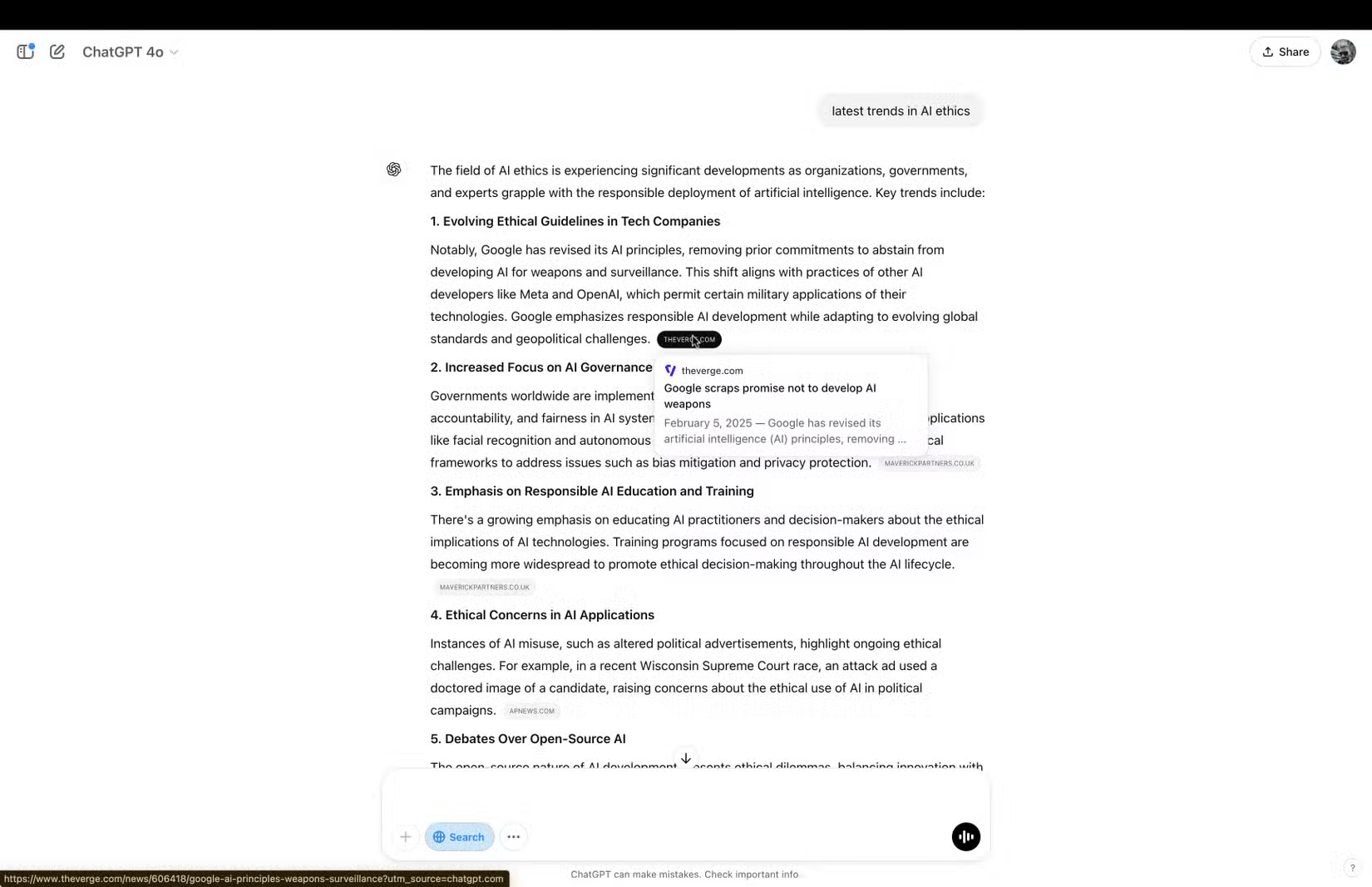
Instead of “Find articles about this,” name the version, date range and source you need. For example: “Search Microsoft Support for Windows 11 instructions on recovering from a black screen. Link to the relevant page.” Treat a domain request or site: term as a search instruction and confirm the citations use the requested domain.
Specify the format or rights you need
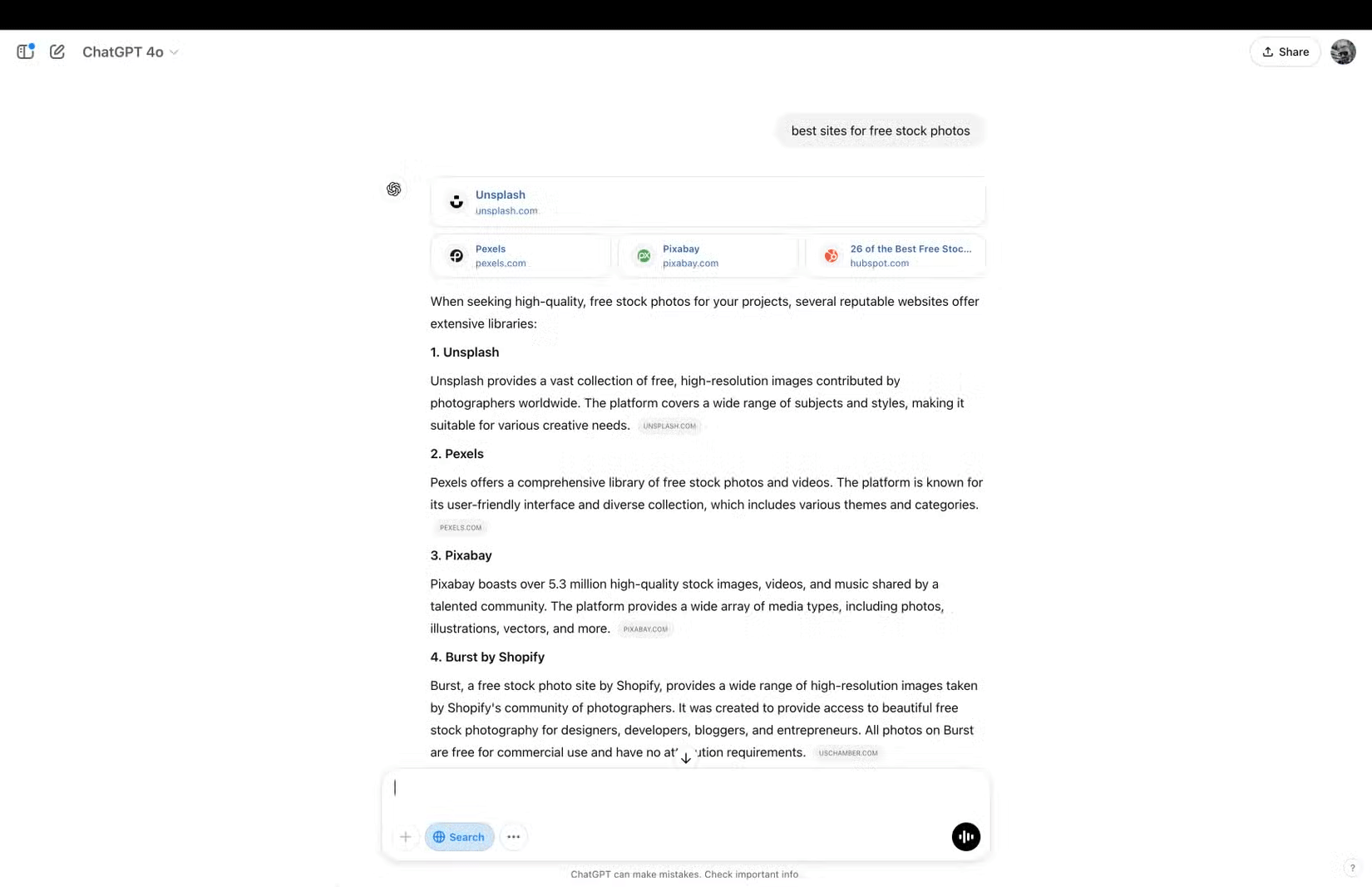
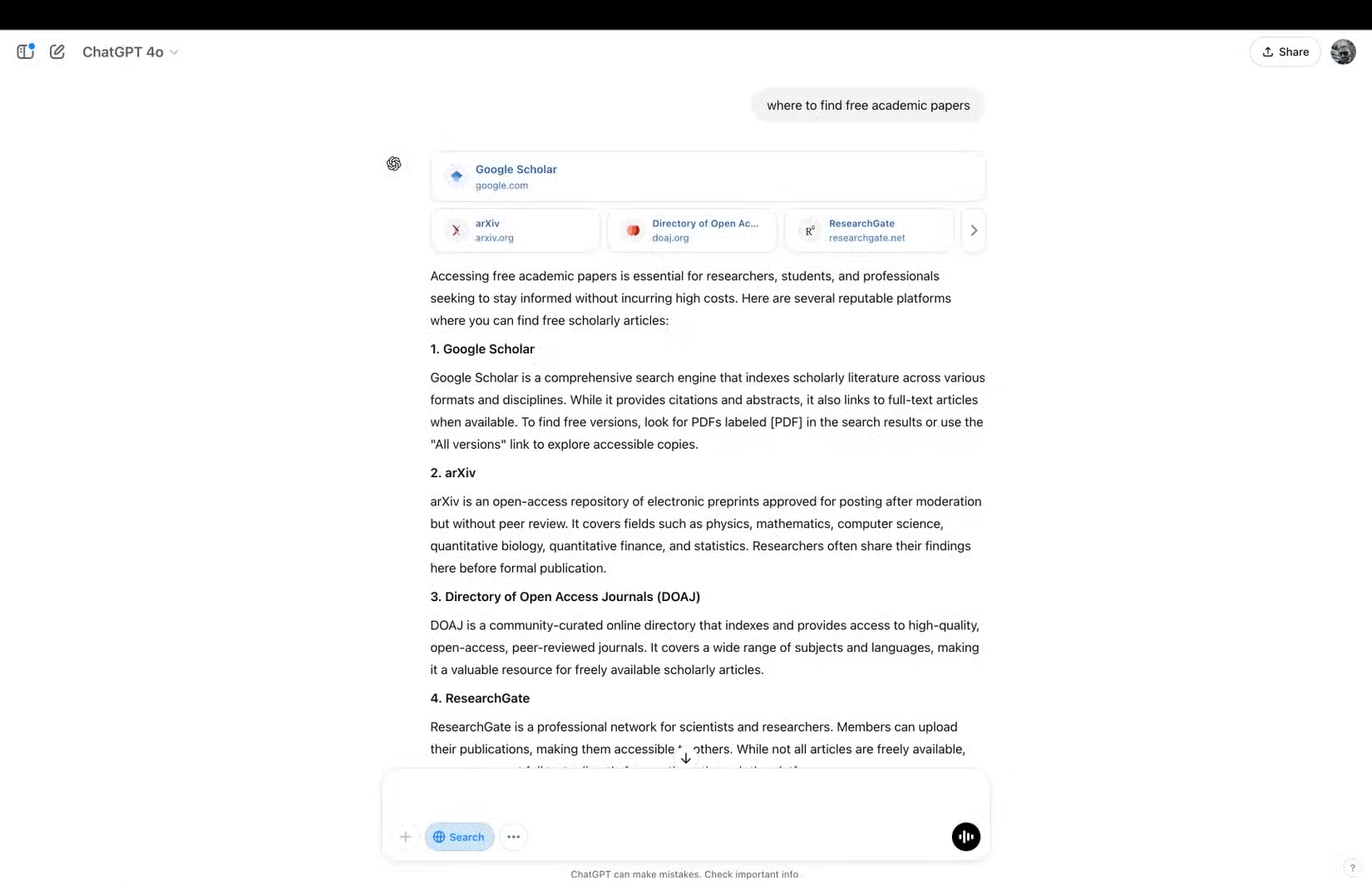
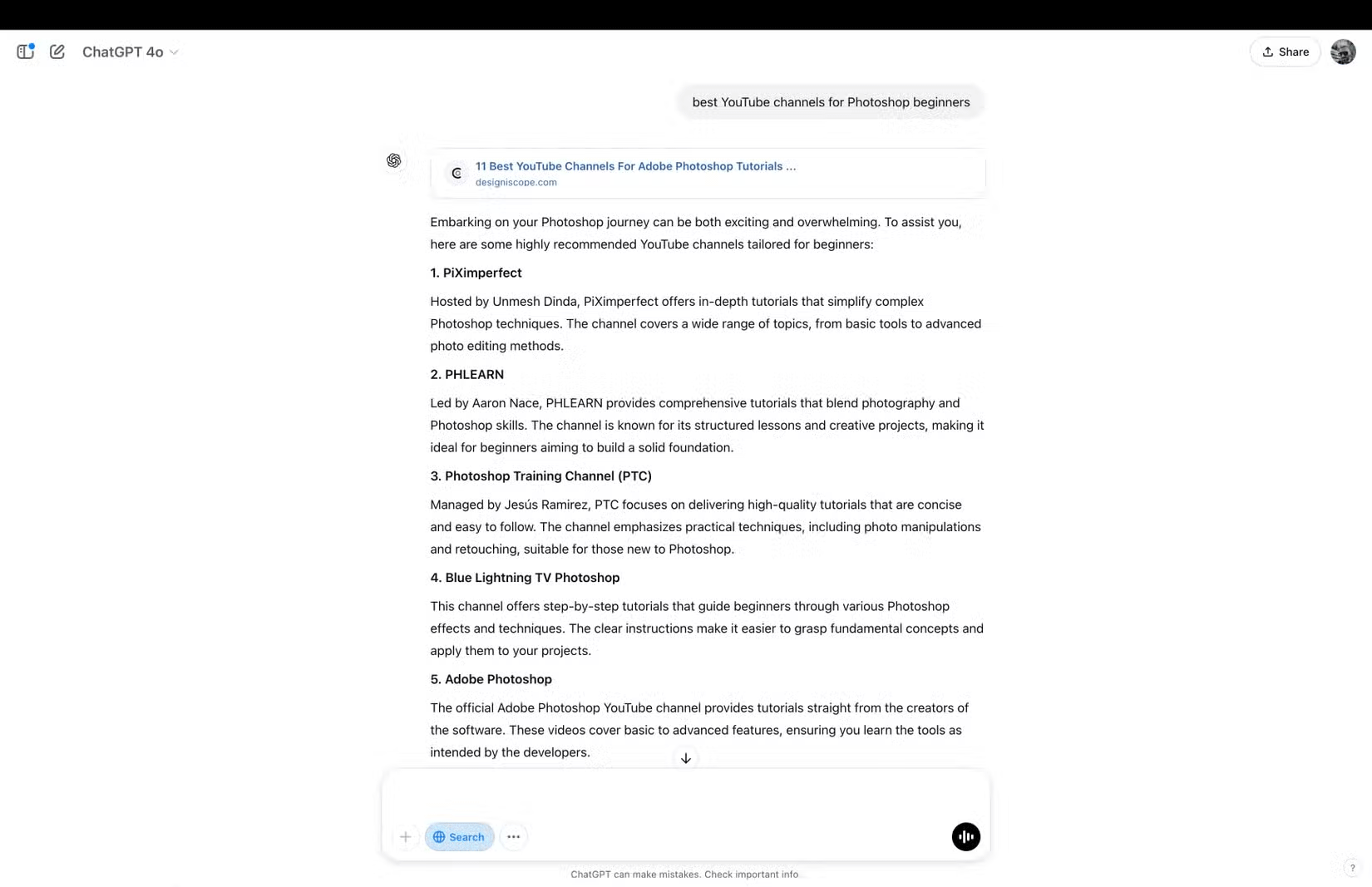
For images, ask for original asset pages with a stated reuse license, then read the license on the asset page. For academic papers, ask for a DOI, publication date and an openly accessible copy when one exists. For tutorials, specify the software version and whether you need a written guide or a video.
Use follow-ups to compare like with like
After a product search, keep the same criteria in the next question: “For those models under $100, compare independently measured battery life with noise cancellation on. Mark missing measurements.” Add your region if price or availability matters.
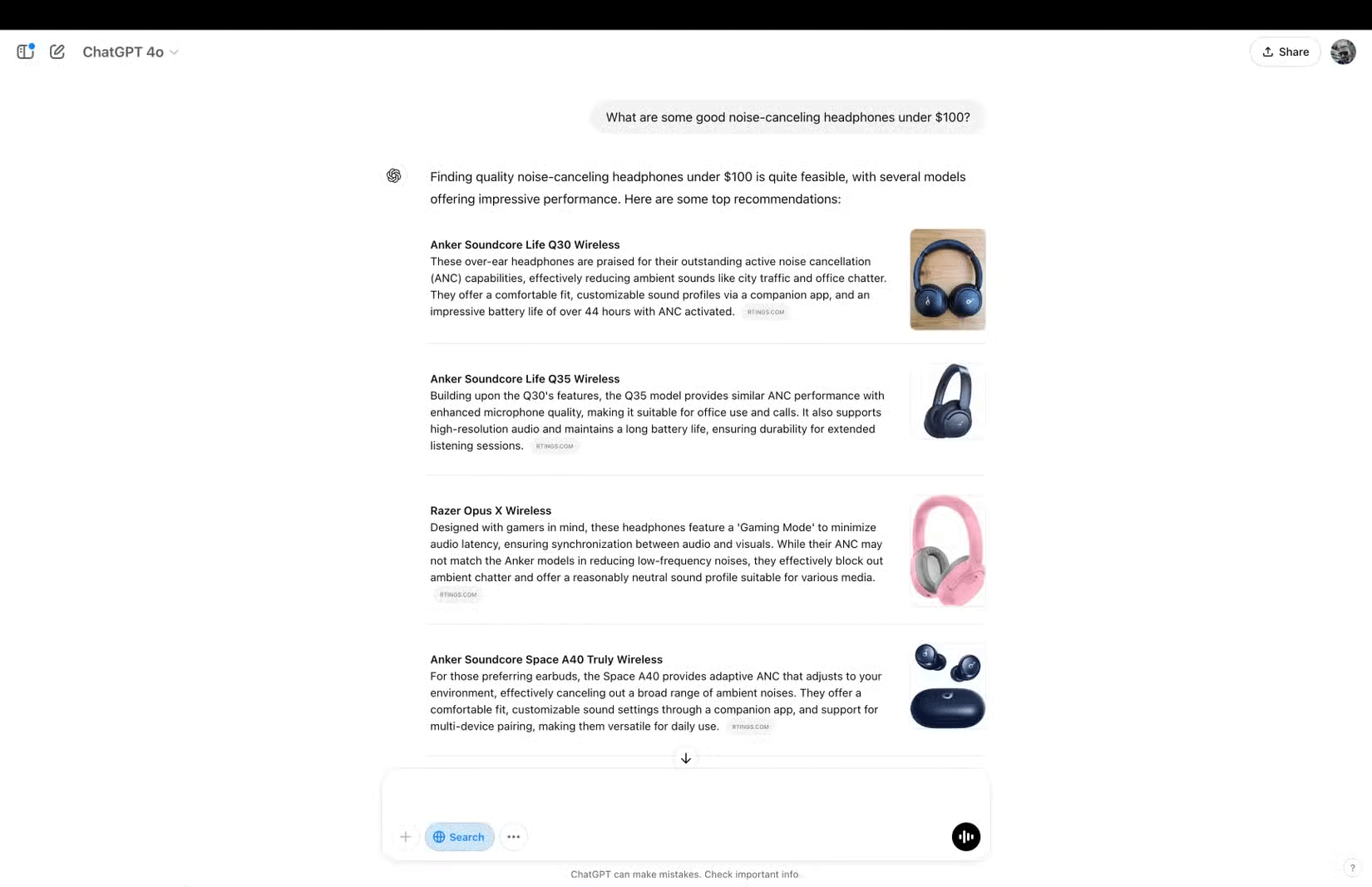
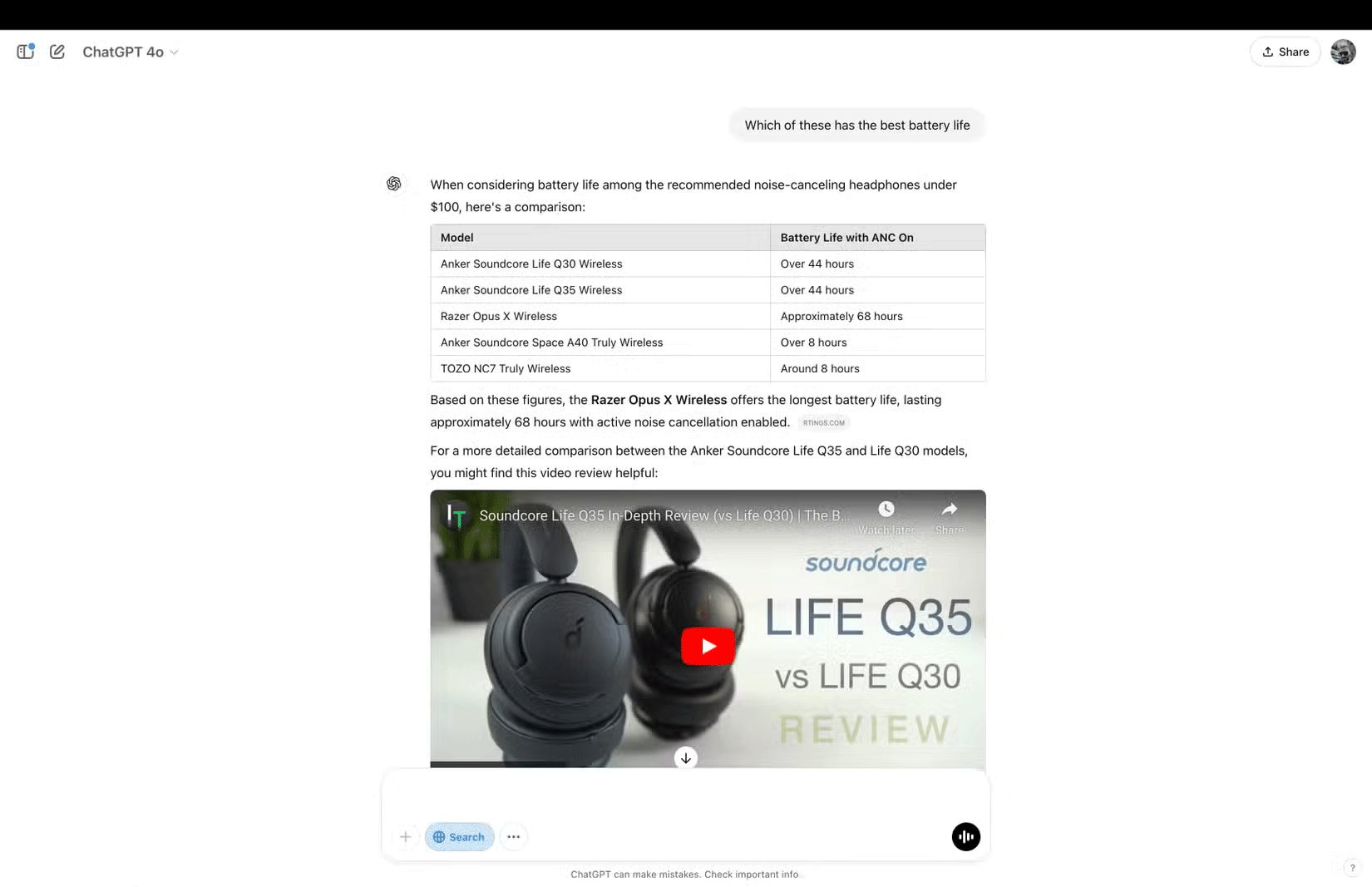
Check the citations before relying on an answer
Open the link beside each important claim. Check that the page actually states the claim and applies to the date, version or location you asked about. For numbers or disputed claims, compare a primary source with independent coverage. Use the research planning guide to define what you need and the fact-checking workflow to track what the sources support.
Related Articles
 5 Practical Ways to Use ChatGPT Search for Research
 Tips to set ChatGPT as default search on iPhone
 What makes ChatGPT's search feature superior to Perplexity?
 Instructions for creating ChatGPT Search shortcuts on iPhone
 Search Race: Is ChatGPT Threatening Google's Throne?
 Google AI Mode or ChatGPT Web Search is where you should search the web?
Reader Comments 0
Sign in with email or Google to join the discussion.