Table of Contents
This guide explains how to resolve the Computer Error Does Not Recognize the Hard Drive, starting with the most likely causes and moving through practical troubleshooting steps.
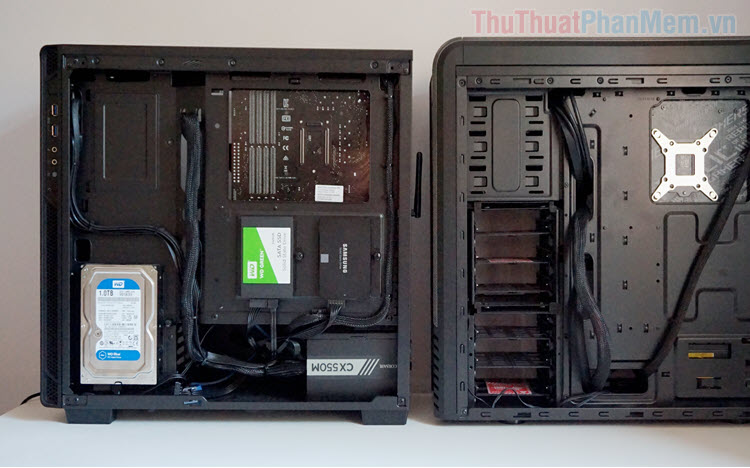
1. Use the debugging tool on Windows 10
Not when we connect the drive to the computer, we will receive immediately, but you need to properly set up the drive in the BIOS and some related settings.
Step 1: You proceed to open MenuStart and enter Settings to open the settings on the computer.

Step 2: Then, you select the item Update & Security .

Step 3: Next, select Recovery and select Restart Now in the Advanced Startup section .
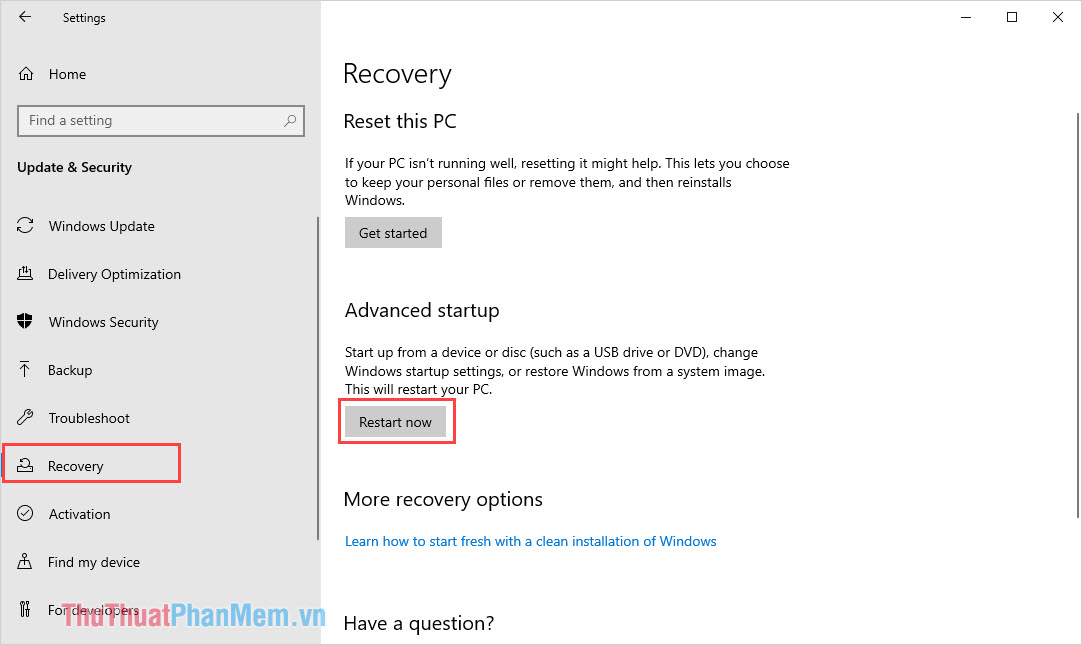
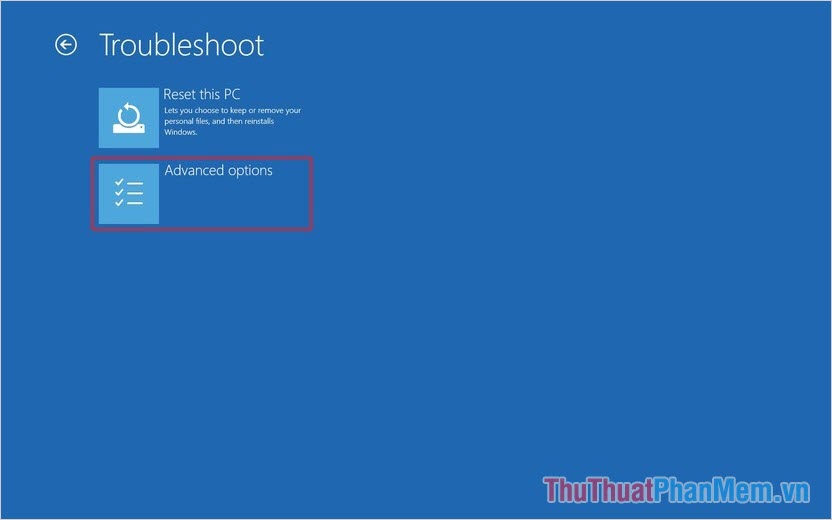
Step 4: At this point, your computer will reboot and the setup interface. Here, select Troubleshoot .

Step 5: Continue to select Advanced options .
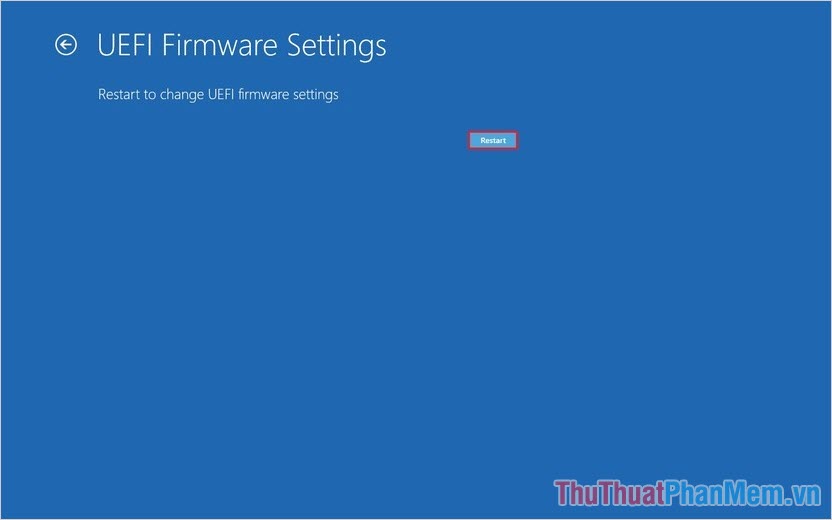
Step 6: Then, you choose UEFI Firmware Settings .
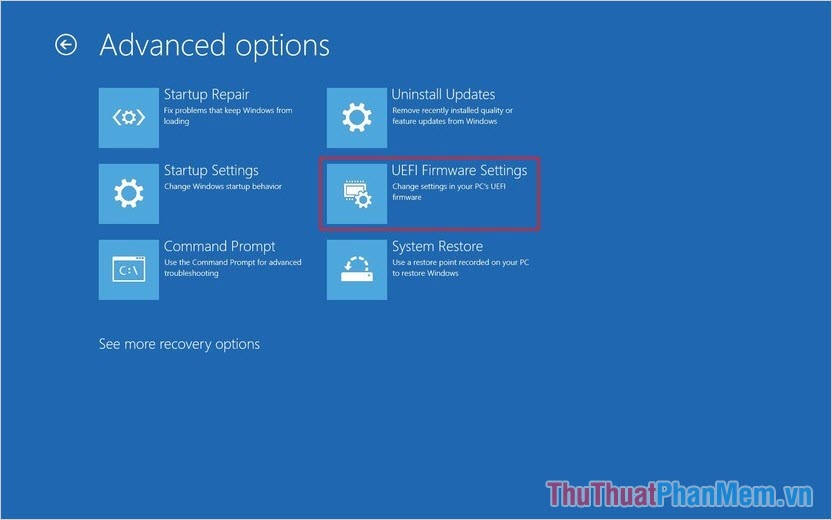
Finally, choose Reset to finish. Now check if your drive has been received.
2. Check the Jack connection
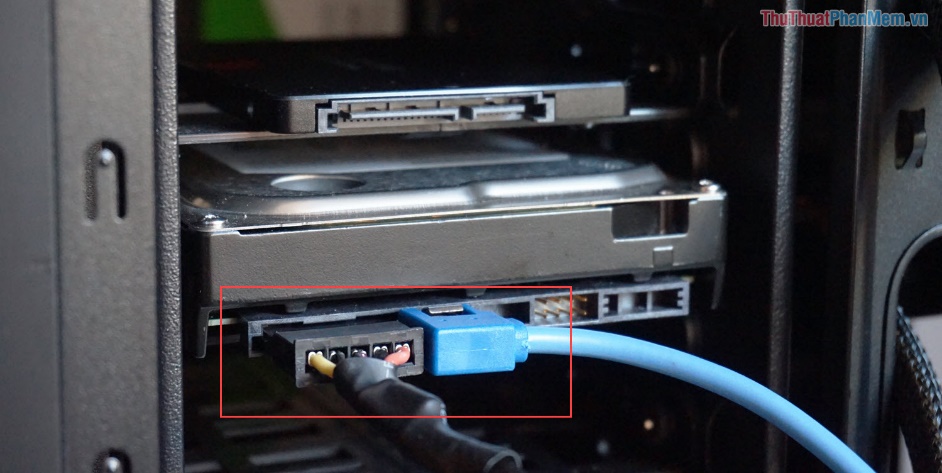
To connect a hard drive to the computer, we will need two main wires: the Data cable and the Power cable. For advanced M.2 hard drives, we just need to connect them to the available slots on the motherboard. While conventional 2.5 / 3.5 "hard drives require a lot of wires, please check carefully whether the wiring is properly connected and sure. You can even get the Other cord and plug into another port to try.
3. Read the motherboard instructions
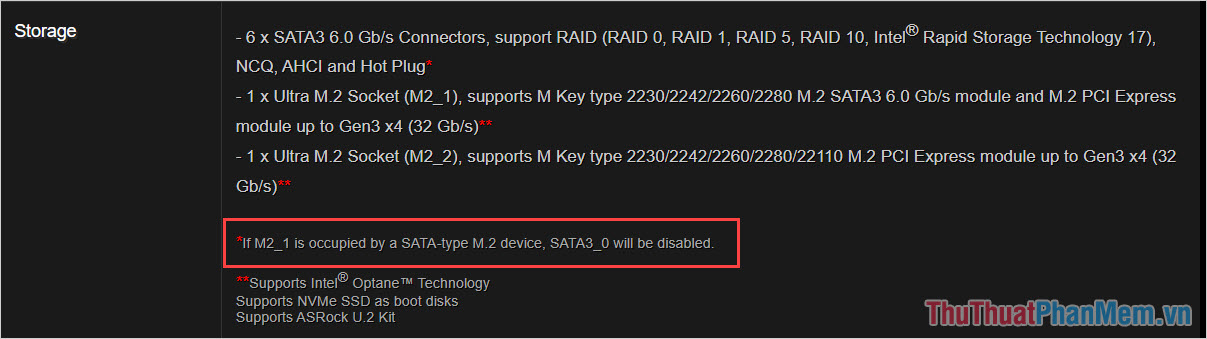
Hard drive systems connected to the motherboard will use Lane PCI-e and on some current motherboard models use a relatively complex hard drive switch controller. For example: If you use an NVMe SSD on the motherboard, the SATA 0/1 port will be completely turned off. So if you insert the hard drive into SATA 0/1 port, the system will not receive the hard drive.
The best way to overcome that is to carefully read the motherboard's instructions to see how to connect the SATA ports are open and accurate. Usually you will find this information in the Storage section of the manual.
4. Check the hard drive system in CMD
CMD will help you check the list of connected hard drives on the computer. If you see connected hard drives that have not yet appeared, it is most likely because your Supported operating systems has problems identifying the drive.
To do so, you proceed to do the following:
Step 1: You proceed to open MenuStart and enter Command Prompt to open CMD .
Step 2: After that, you enter the Diskpart command to switch to drive mode and continue to enter the List disk command to see the drive list.
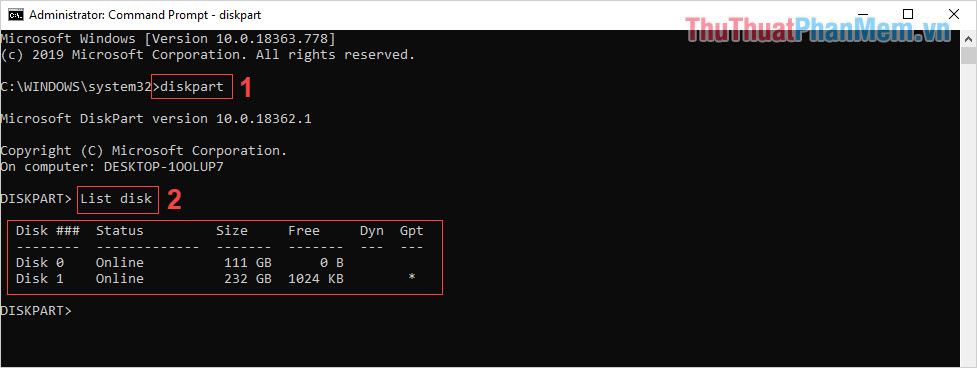
If this list shows your drive but the computer does not mean your Supported operating systems is having trouble and try reinstalling Windows.
5. BIOS intervention
To check the hard drive, first you go into the BIOS and you still see the hard drive appear, but when the boot fails to see, check the SATA mode whether you are choosing IDE mode or AHDI mode. If in AHDI mode, you must immediately return to IDE mode, it will receive.
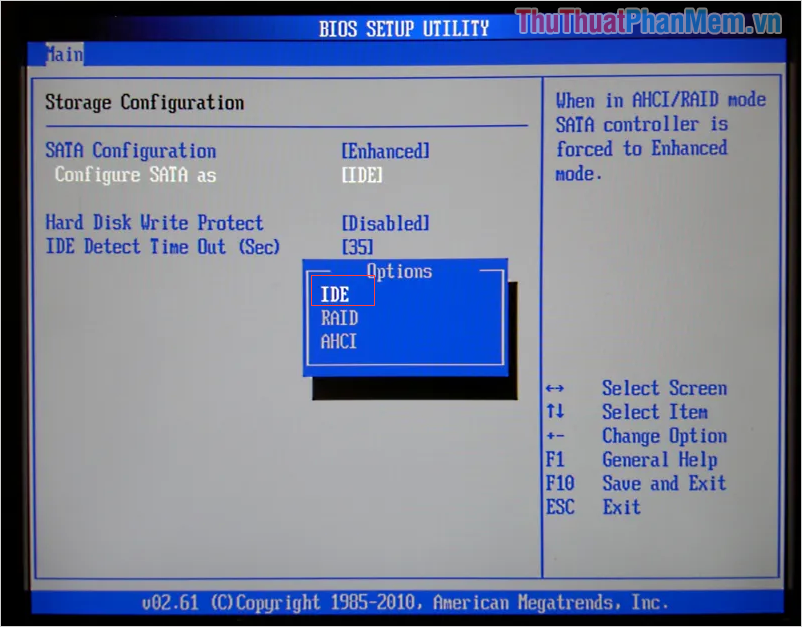
For different motherboards, there will be different BIOS so please take the time to search for IDE / AHDI (Sata Configuration) mode in the BIOS. Usually they will be located in Storage.
6. Take the hard drive to check
During use, it is also possible that your hard drive has a physical problem such as broken shaft, broken connection pins, dead storage chips. So please go to the store to have them checked and guaranteed.
In this article, Software Tips guide you how to fix computer errors that do not recognize the hard drive. Good luck!
FAQ
What usually causes the Computer Error Does Not Recognize the Hard Drive?
The cause may involve incorrect settings, outdated software, damaged files, permission problems, device compatibility, or a temporary system issue.
What should I try first to resolve the Computer Error Does Not Recognize the Hard Drive?
Restart the affected app or device, install pending updates, verify settings and connections, and follow the troubleshooting steps in order.
How can I prevent the issue from returning?
Keep software updated, maintain backups, avoid interrupted installations, and review system or device settings after major changes.
Related Articles
 How to Fix the Error Windows 10 Computer Does Not Recognize5 minutes read
 Fix Hard Drive Not Recognized Error: Complete Guide7 minutes read
 Know About Bad Sectors on Your Hard Drive8 minutes read
 How to Fix Hard Drive Error Still Spinning but Not Receiving6 minutes read
 The Simplest Way to Fix a Macbook with an SSD Error and Not10 minutes read
 5 Hard Drives with the Best Reliability6 minutes read
Reader Comments 0
Sign in with email or Google to join the discussion.