Table of Contents
Overview
This guide explains how to add control panel to Windows 11 context menu in clear, practical terms. It covers the key concepts, recommended steps, common limitations, and useful checks so you can make a better-informed decision.
Accessing Control Panel on Windows 11 is straightforward, but this article will guide you to add Control Panel to the Windows 11 context menu. Then users just need to right-click and select Control Panel to access. Below are the steps to add Control Panel to the Windows 11 context menu.
How to add Control Panel to Windows 11 context menu
Step 1:
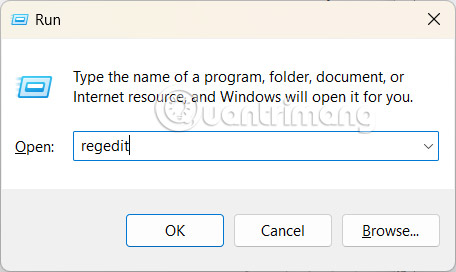
Press Win+R key combination then type regedit and click OK to open Registry Editor.
Step 2:
To display the new interface, we access the path HKEY_CLASSES_ROOTDirectoryBackgroundshell, or you can paste this path directly into the Registry Editor path.

Step 3:
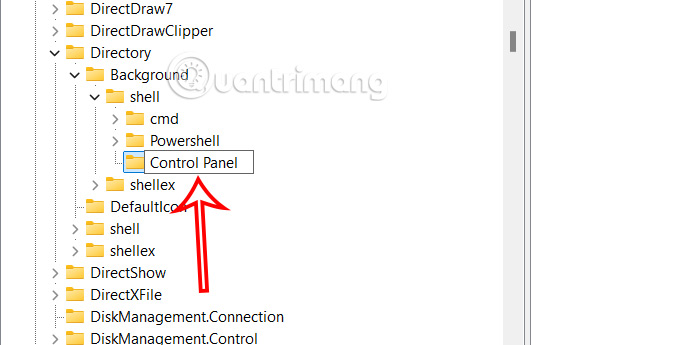
The user right- clicks on the shell key and selects New, then selects Key in the displayed menu.

We name this key Control Panel.
Step 4:
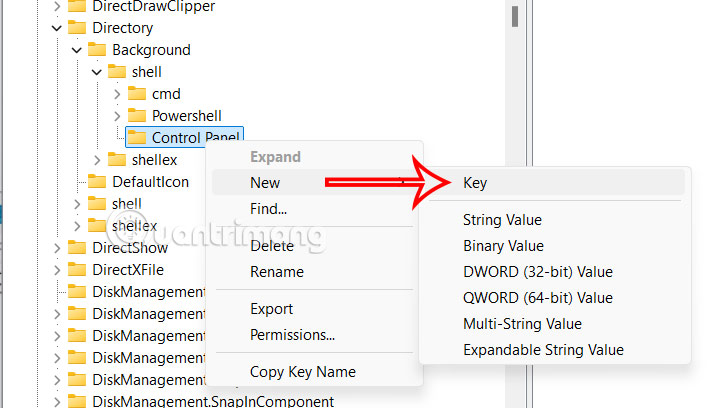
Continue right-clicking on the Control Panel key you just created and select New, then select Key to create a new key.
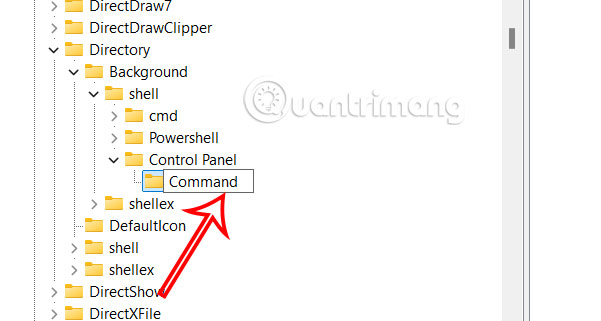
Now you name the new key Command.
Step 5:
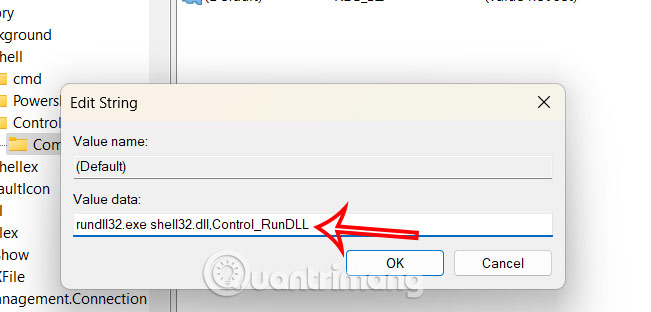
Click on the Command key and then click on the Default value in the interface next to it to change. Now enter rundll32. exe shell32. dll, Control_RunDLL in the Value data field and click OK as shown below.
Now right click on Windows desktop, select See more options and you will see Control Panel in the context menu.
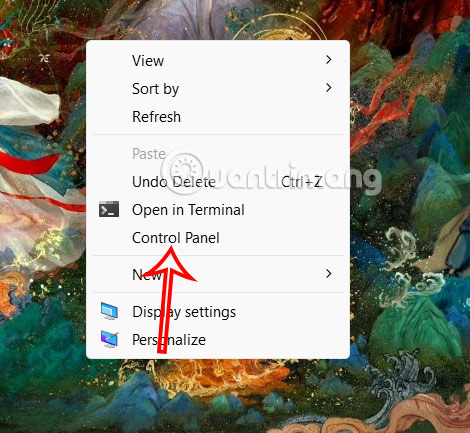
If you want to remove Control Panel in the Windows 11 context menu, just delete the Command key that you created earlier.
Key Takeaways
Use the guidance above as a practical reference for how to add control panel to Windows 11 context menu. Check compatibility, follow the steps carefully, and verify important details with official documentation when software, security, accounts, health, or purchases are involved.
FAQ
How do I add control panel to Windows 11 context menu?
Follow the steps in this guide in order, confirm each setting before continuing, and save, restart, or reconnect the device when the instructions require it.
What should I check before I begin?
Confirm the correct device, account access, software version, compatibility, and a current backup whenever the process could affect files, settings, or security.
What should I do if the process does not work?
Repeat the steps carefully, check for model or version differences, install available updates, and consult the manufacturer's official support documentation.
Related Articles
 Fix NVIDIA Control Panel Disappearing Error in Windows 11/10: Step-by-Step Guide11 minutes read
 How to Add Control Panel to Power User Menu (Windows + X) on4 minutes read
 Menu: Quickly Open the Control Panel Tools3 minutes read
 The Context Menu of Windows 11 Will Have a New Eye-catching4 minutes read
 How to Put Control Panel in the Right-click Menu on Windows 104 minutes read
 This Small Application Helps Bring the Context Menu3 minutes read
Reader Comments 0
Sign in with email or Google to join the discussion.