Table of Contents
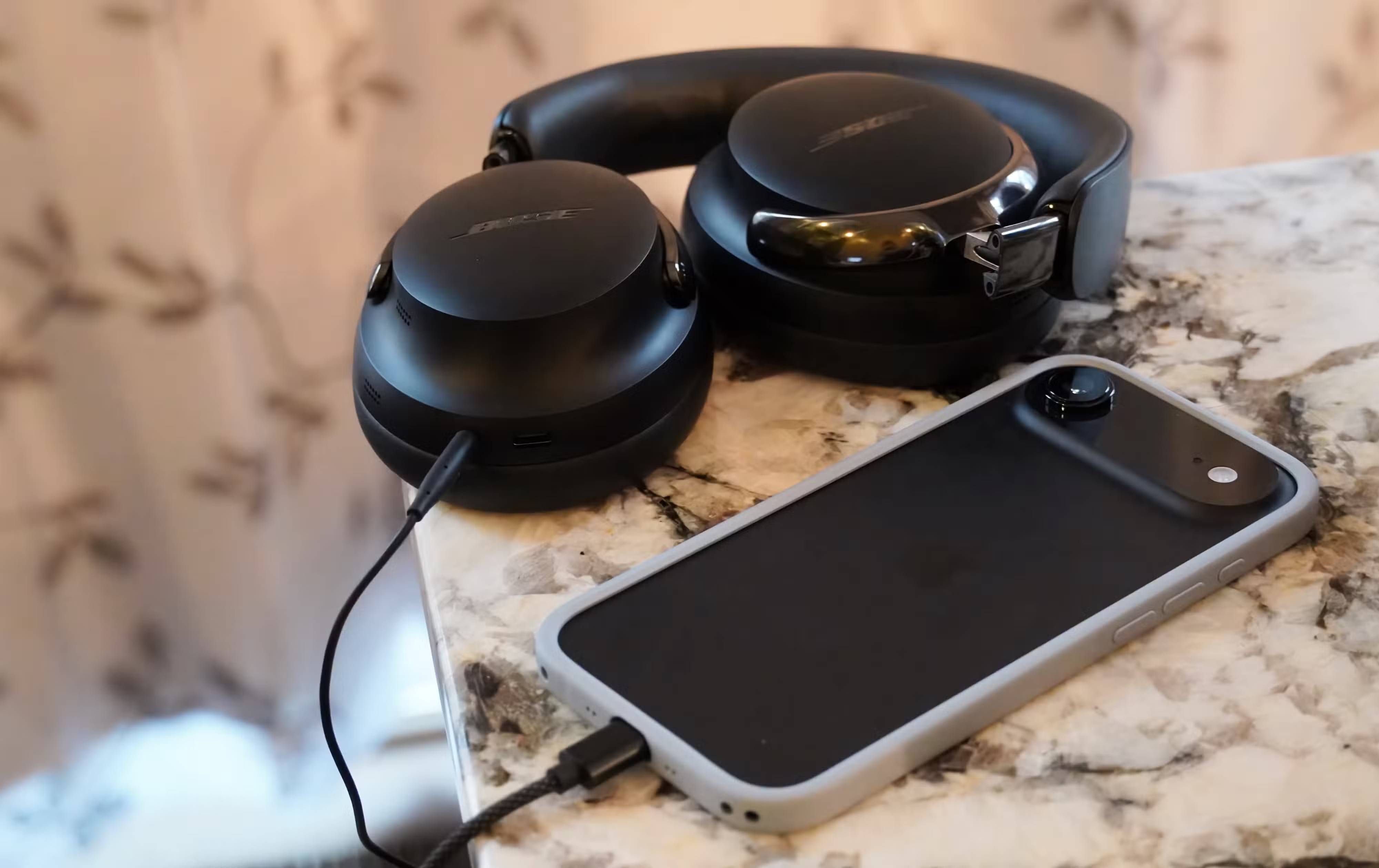
The Bose QuietComfort Ultra Headphones (2nd Gen) are premium over-ear headphones built primarily for travel and everyday noise reduction. Their strongest combination is effective active noise cancellation, a light folding design, comfortable pads, and three connection options: Bluetooth, USB-C digital audio, and a 2.5mm-to-3.5mm analog cable.
Calling any model the single “best” ANC headphone is too broad. Fit, noise type, phone compatibility, microphone needs, sound preference, and price can change the recommendation. The QC Ultra 2nd Gen is a strong choice for frequent travelers, but it is less compelling for buyers who need passive wired playback, detailed equalization, or a gaming-focused low-latency connection.
Key specifications and verified features
| Feature | Bose QC Ultra Headphones (2nd Gen) |
|---|---|
| Connections | Bluetooth 5.4, USB-C audio, and included 2.5mm-to-3.5mm audio cable |
| Bluetooth codecs | SBC, AAC, and aptX Adaptive on compatible devices |
| USB audio | 16-bit audio at 44.1kHz or 48kHz from a compatible source |
| Claimed battery | Up to 30 hours with ANC on and Immersive Audio off; 23 hours with both on; 45 hours with both off |
| Charging | USB-C; Bose says a full charge can take up to three hours |
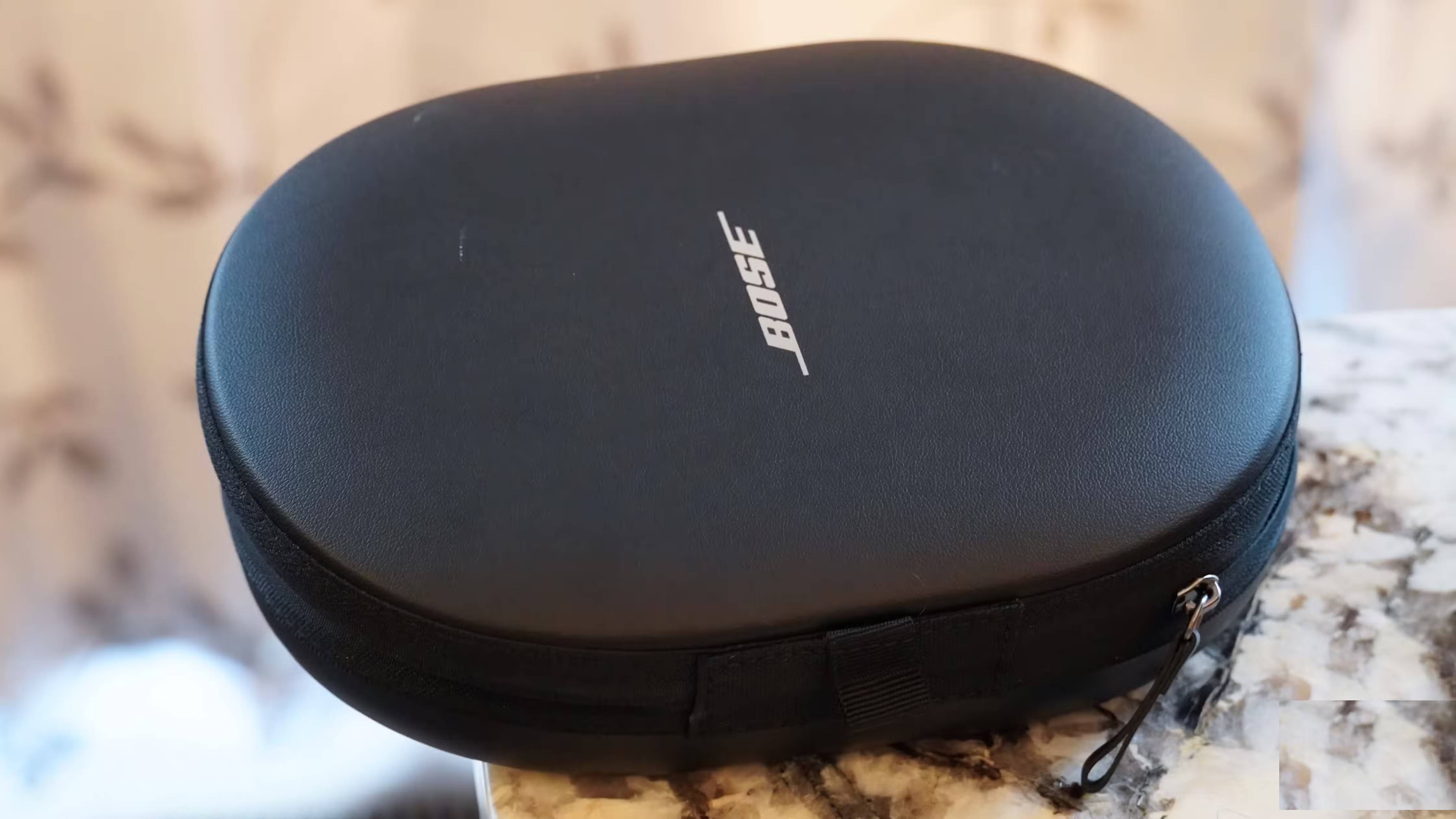
| Travel design | Folding ear cups and an included carrying case |
Battery life varies with volume, connection, features, temperature, and battery age. Current region-specific details and included accessories should be confirmed on the official Bose product page.
Comfort and portability are the clearest strengths
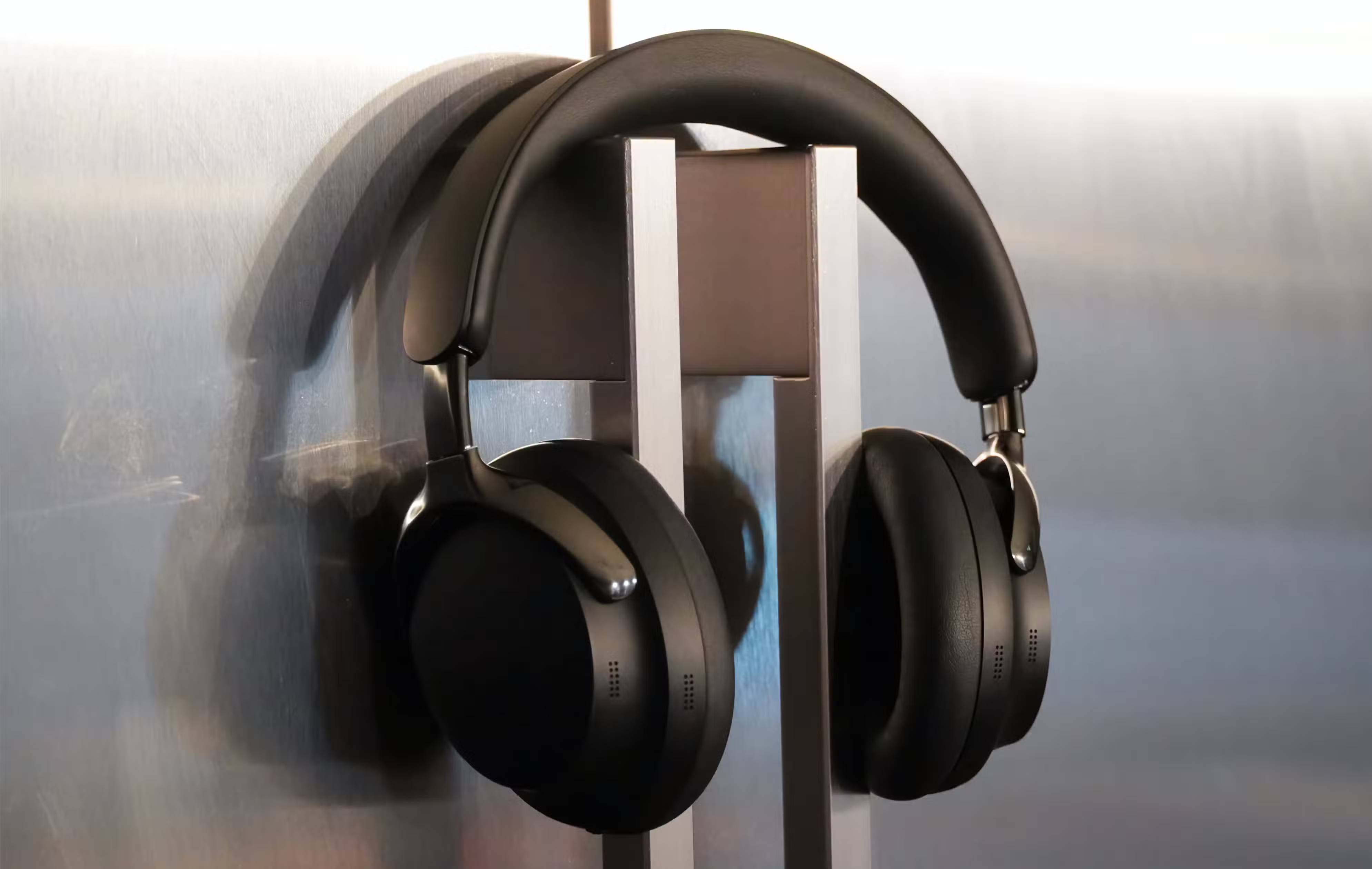
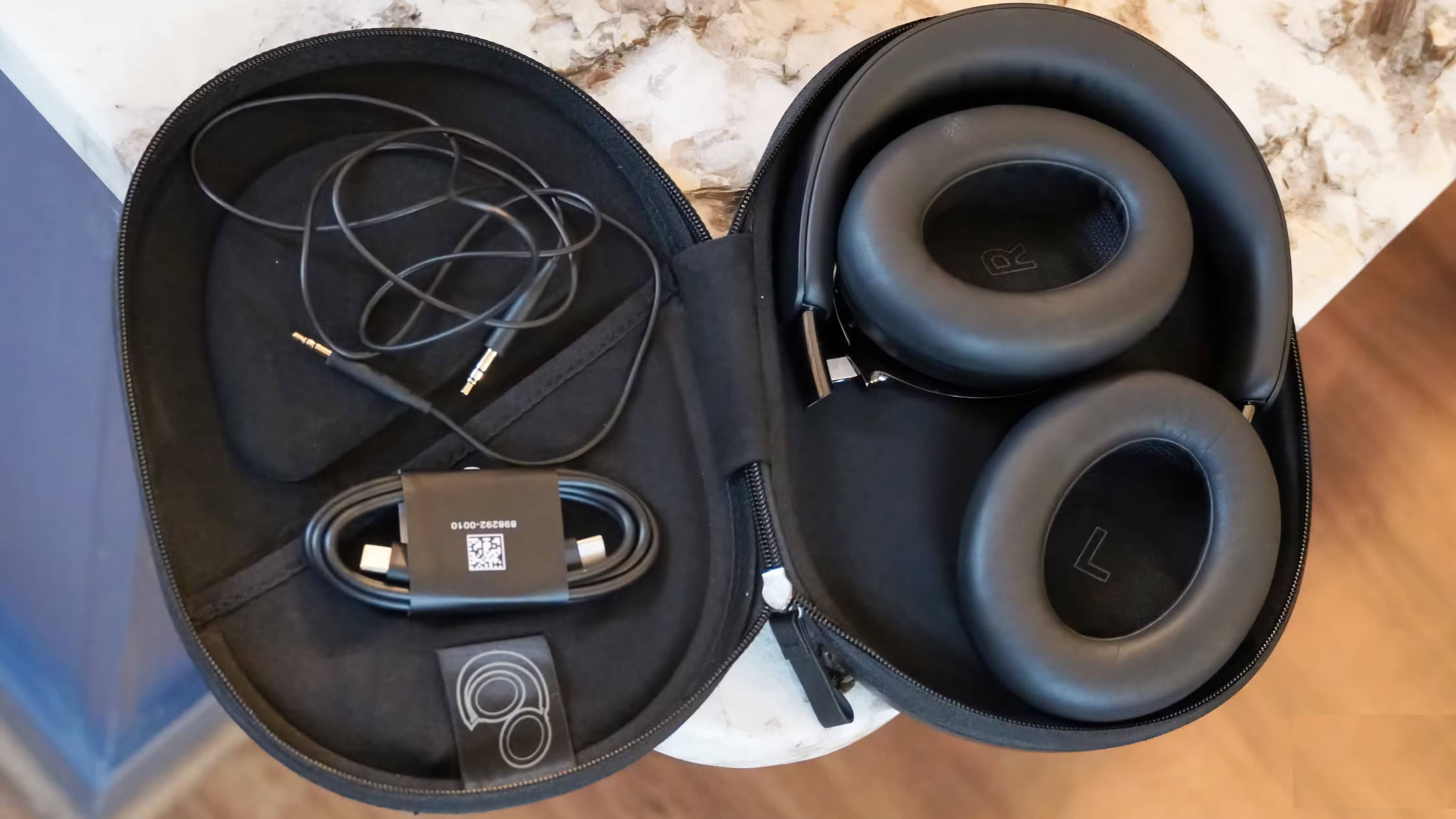
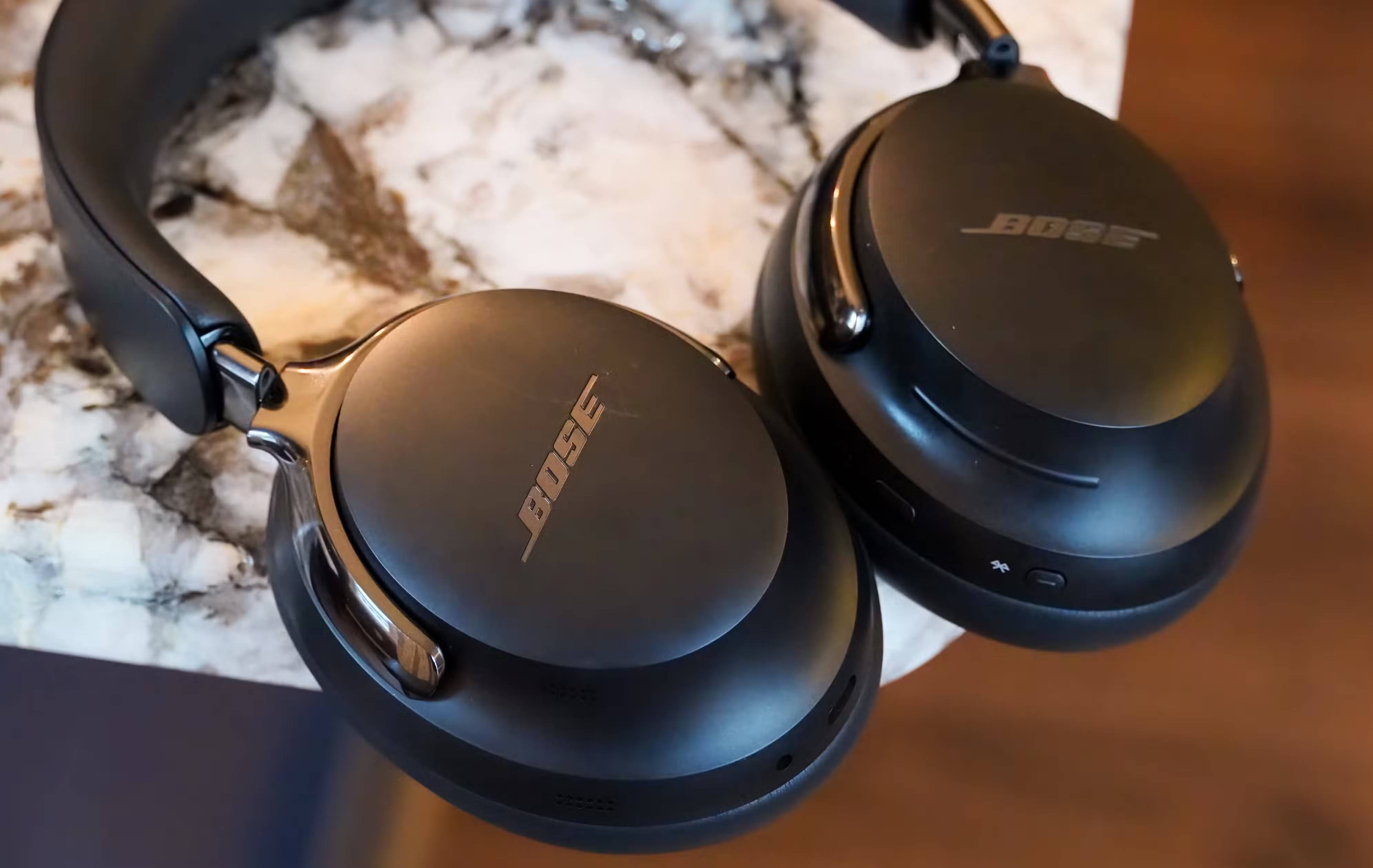
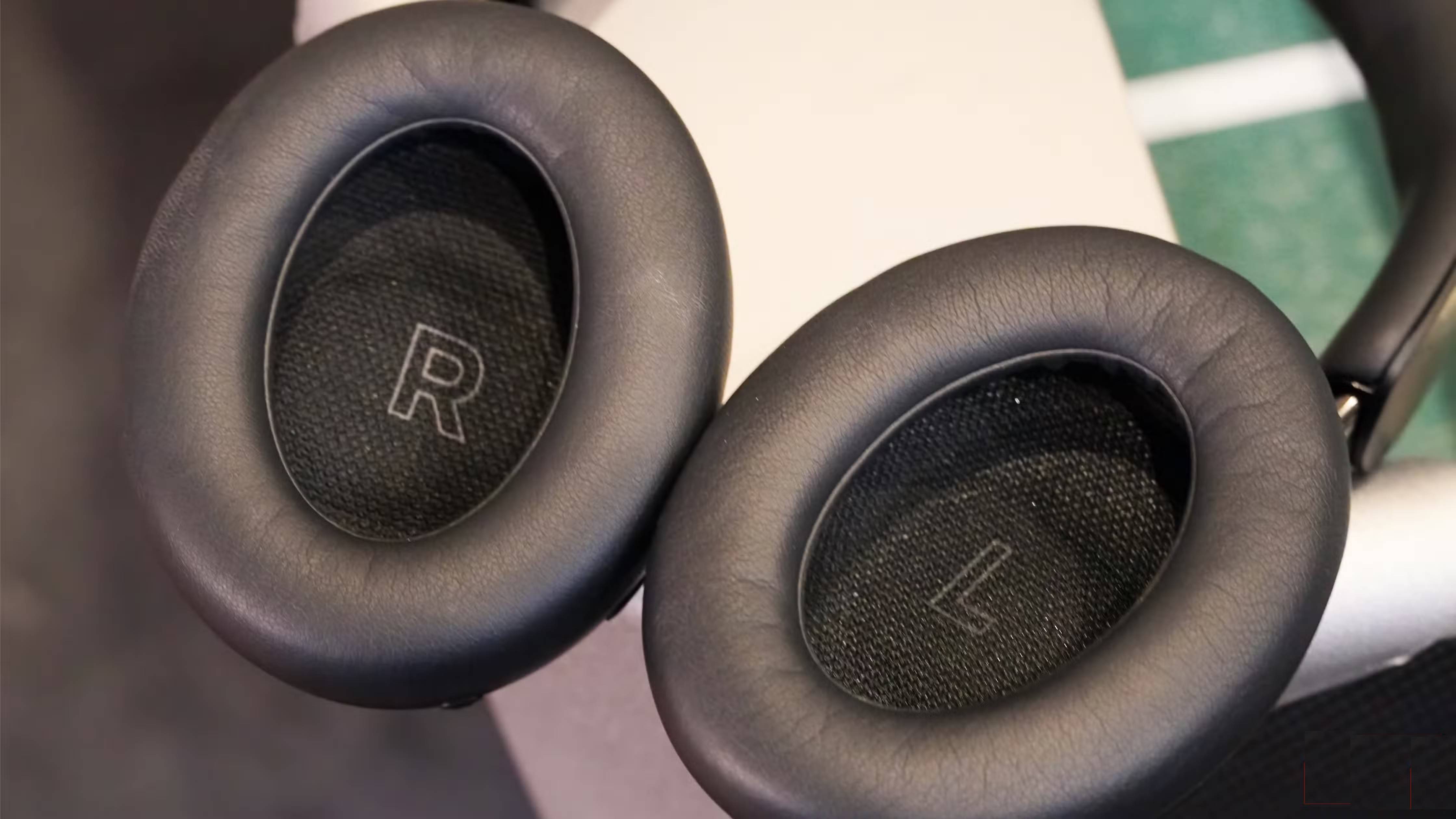
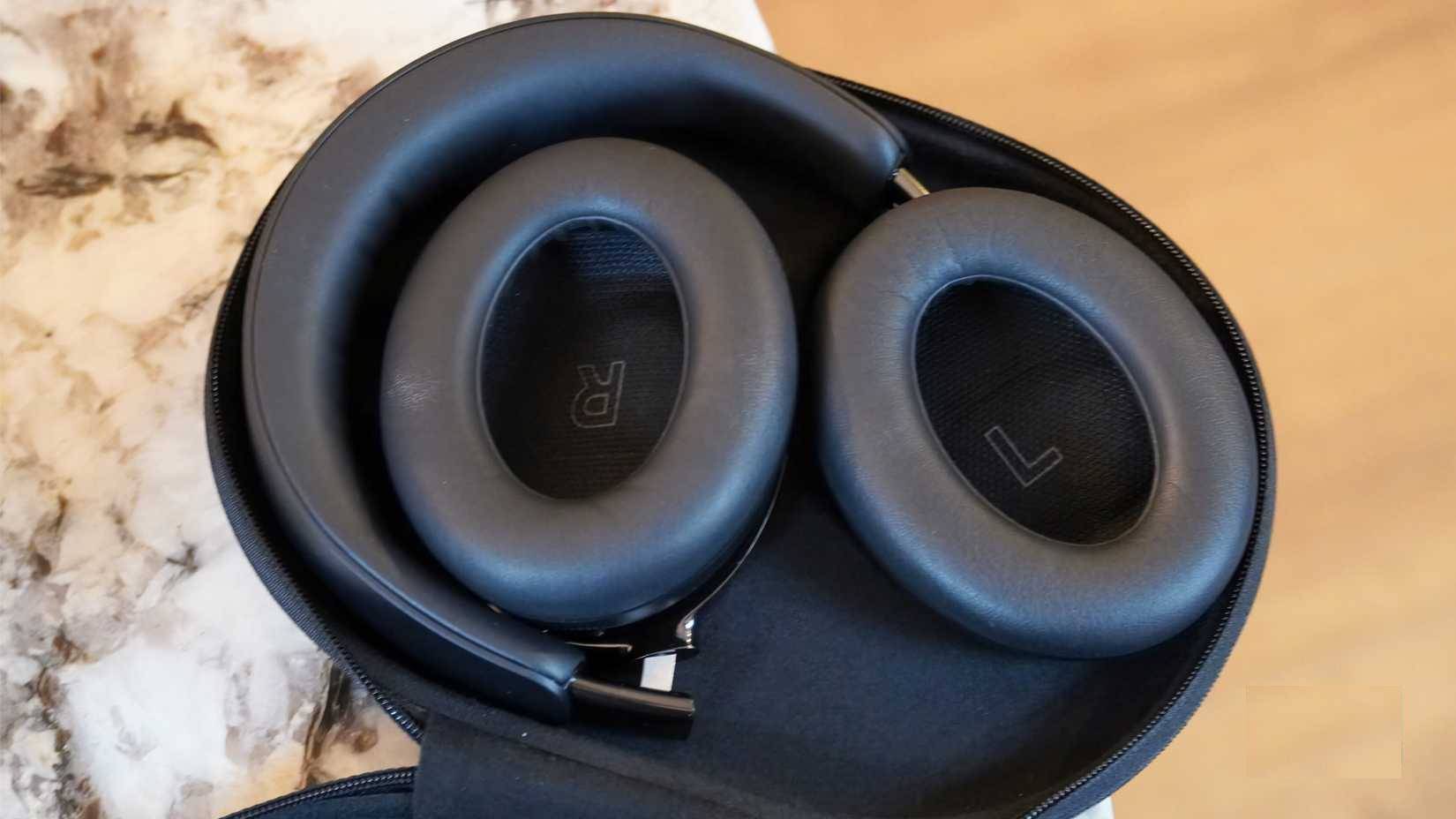
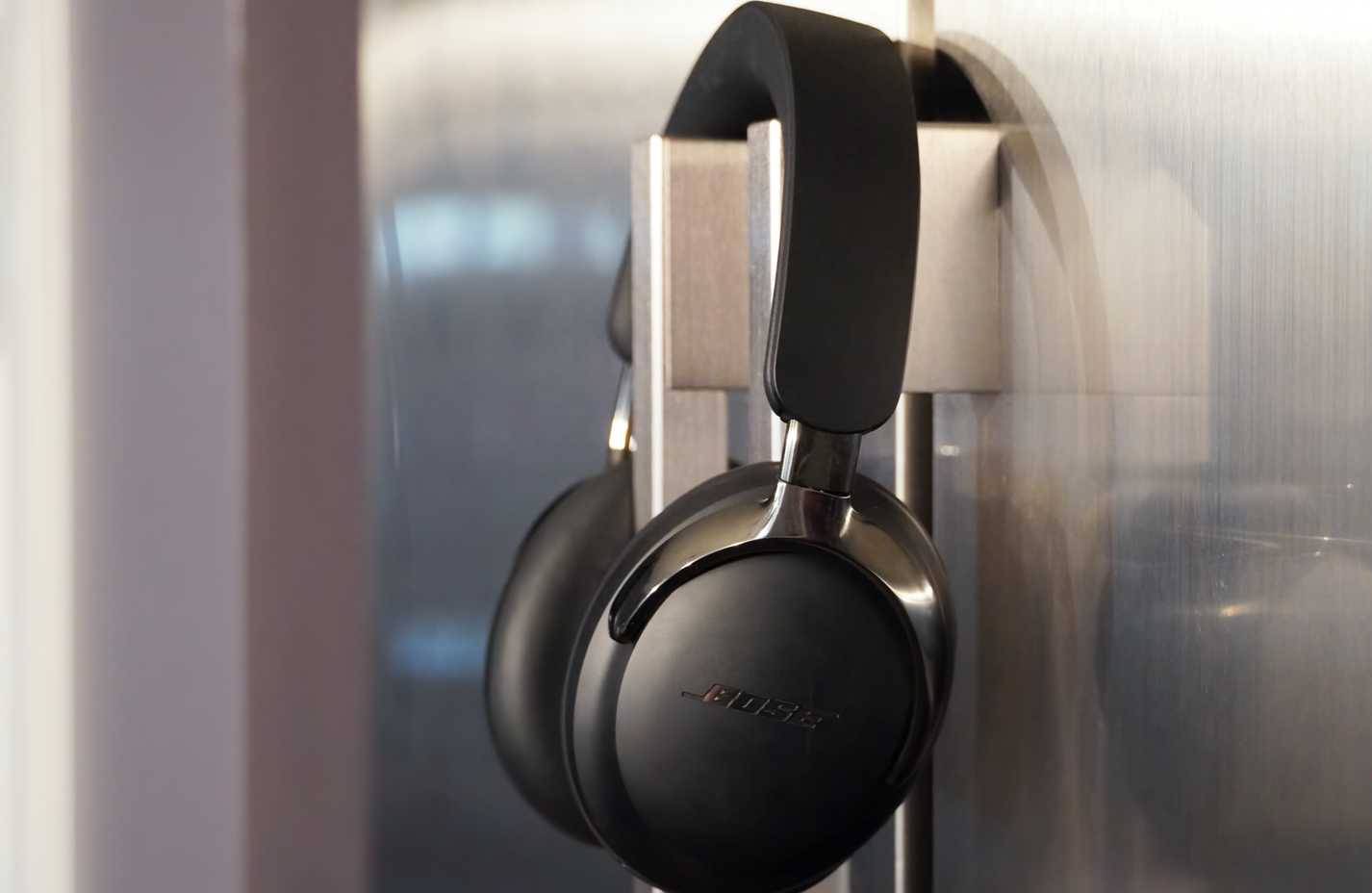
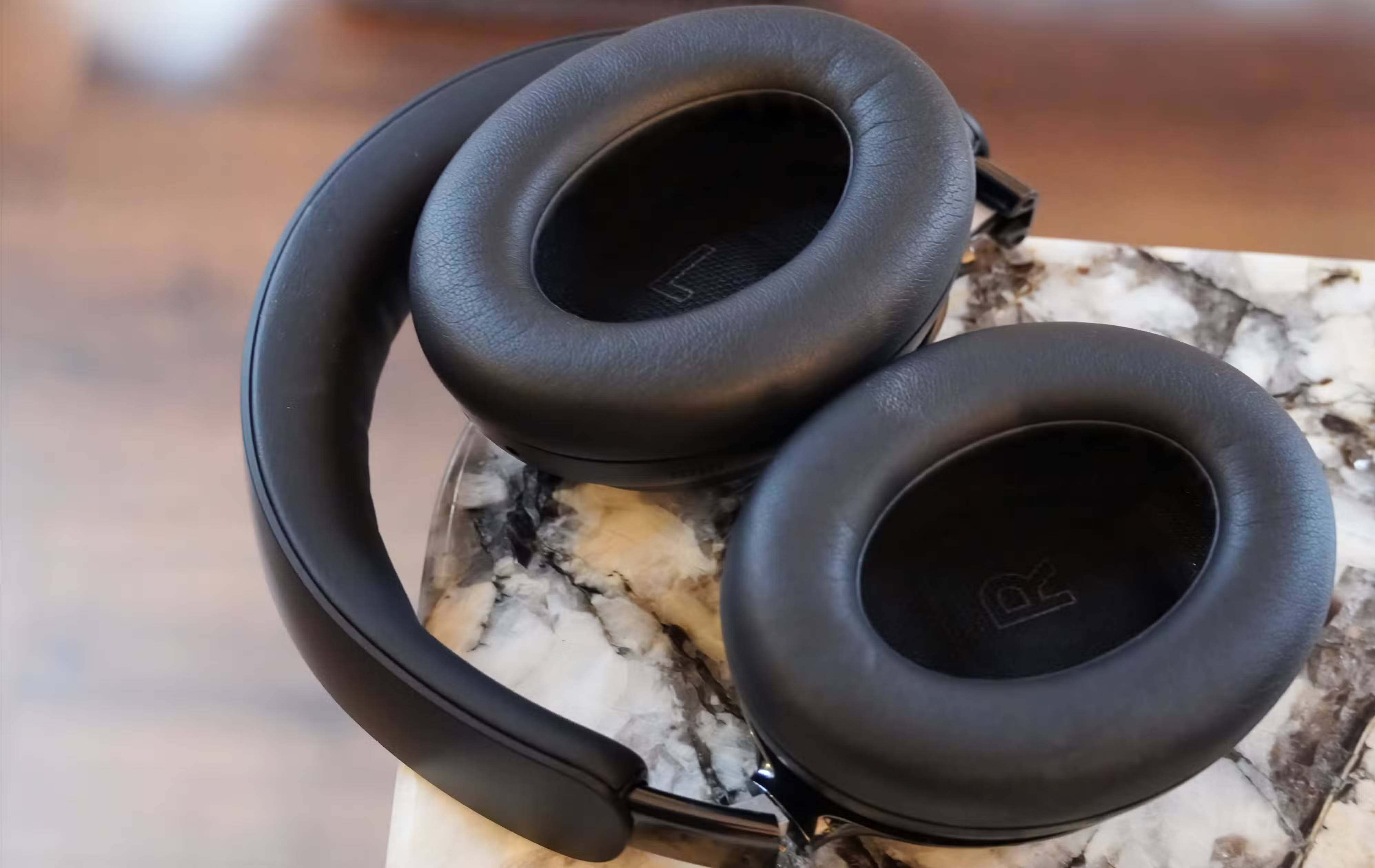
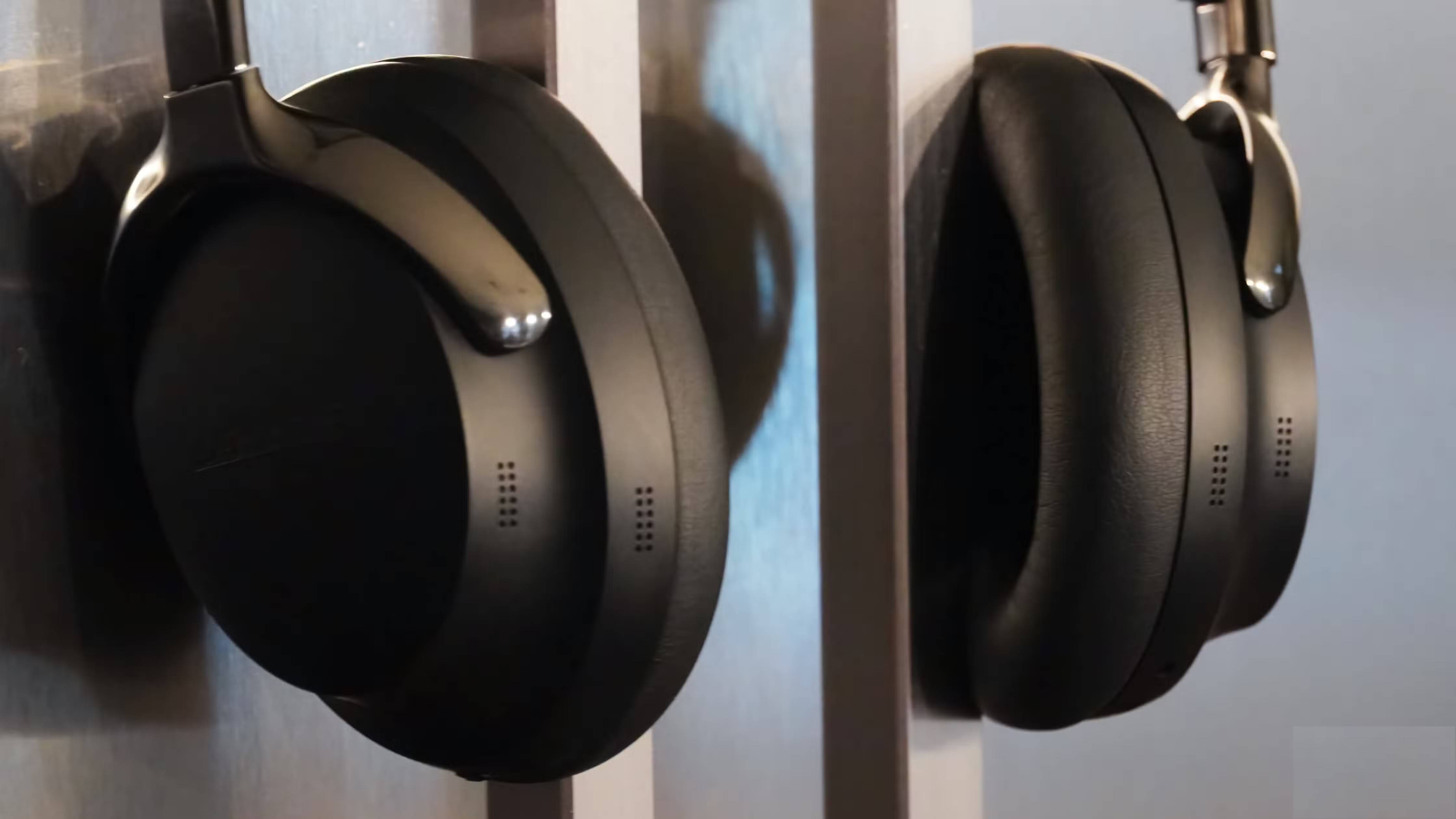
The around-ear cushions are soft, the headband distributes pressure across a broad area, and the headphones are substantially easier to pack than a rigid design. The cups fold into the supplied case, which makes them practical for a carry-on bag.
Comfort is still personal. Glasses, head width, ear size, temperature, and skin sensitivity can change the fit. The sealed pads can become warm during long sessions, and a loose or uneven seal can alter both bass response and noise cancellation. Try them for longer than a short store demo where a return policy permits.
Noise cancellation is excellent, but comparisons depend on the test
The Quiet mode is designed to reduce steady low-frequency noise such as aircraft cabin rumble, ventilation, and traffic. Aware mode lets outside sound through, while ActiveSense can moderate sudden loud sounds in that ambient mode.
ANC does not create silence. Voices, clattering dishes, wind, and other changing high-frequency sounds are harder to suppress, and passive isolation contributes to the result. Review claims that one flagship universally beats another should be treated cautiously unless the same fixture, fit, frequencies, and firmware were used.
For travel, the more useful question is whether the headphones reduce the noises on your route while remaining comfortable for the full trip. They should not be used as hearing protection in environments that require certified protective equipment.
Sound is polished and bass-forward rather than neutral
The default tuning emphasizes low frequencies while keeping vocals intelligible. Some listeners will enjoy that weight for pop, electronic music, films, and commuting; others may want less bass or more control through the midrange and treble.
The Bose app provides a simple equalizer and custom listening modes, but it is not a full parametric EQ. Fit and the ear-pad seal can change the measured bass and mids, so adjust only after positioning the cups consistently.
aptX Adaptive is available only when the source device supports the required Snapdragon Sound path. Other devices fall back to AAC or SBC. Codec labels do not decide sound quality by themselves; implementation, signal conditions, tuning, and source material also matter. This Bluetooth headphone buying guide explains the broader compatibility questions.
Immersive Audio and Cinema mode are optional, not essential
Bose Immersive Audio spatializes ordinary stereo content and can keep the virtual presentation fixed or follow head movement, depending on the selected mode. Cinema mode applies the processing with an emphasis intended to improve dialogue and width for video and spoken content.
The effect is created by the headphones and does not require the source to be a Dolby Atmos mix. That also means it is a presentation choice rather than a faithful reproduction of every original stereo master. Some material sounds wider; other music can sound less natural. Immersive Audio also reduces Bose's claimed battery life from 30 to 23 hours when ANC remains on.
USB-C audio is a meaningful second-generation upgrade
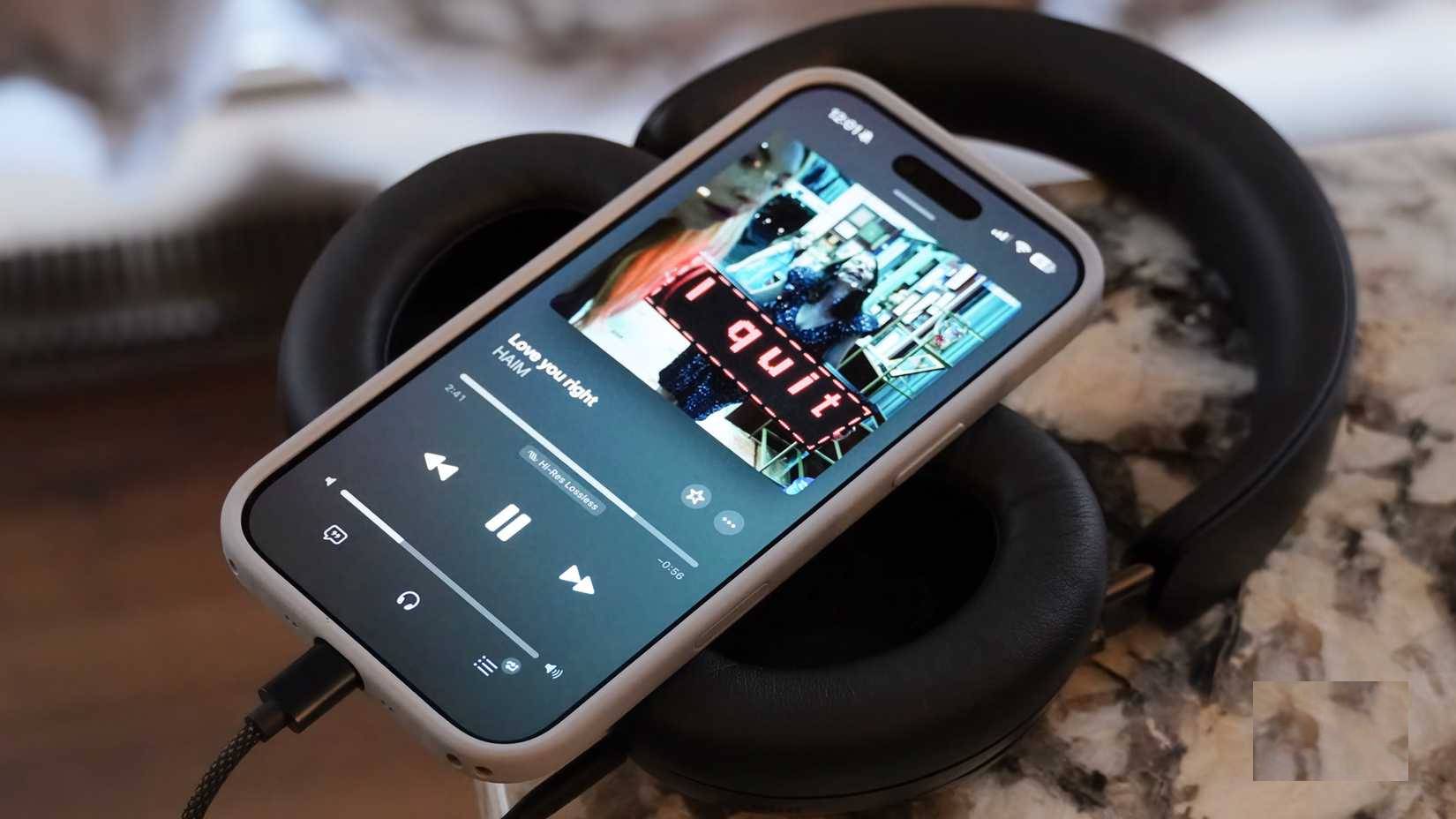
The headphones accept digital audio over USB-C at 16-bit/44.1kHz or 48kHz, and they can charge while playing. That is convenient for a laptop or USB-C phone and avoids relying on a Bluetooth codec.
USB-C audio is not the same as unrestricted “hi-res” playback, and a USB-C-shaped port does not guarantee that every source or cable supports audio data. The device must recognize USB audio, and a data-capable cable is required. This overview of USB and other computer ports provides useful background.
The analog input has important limitations
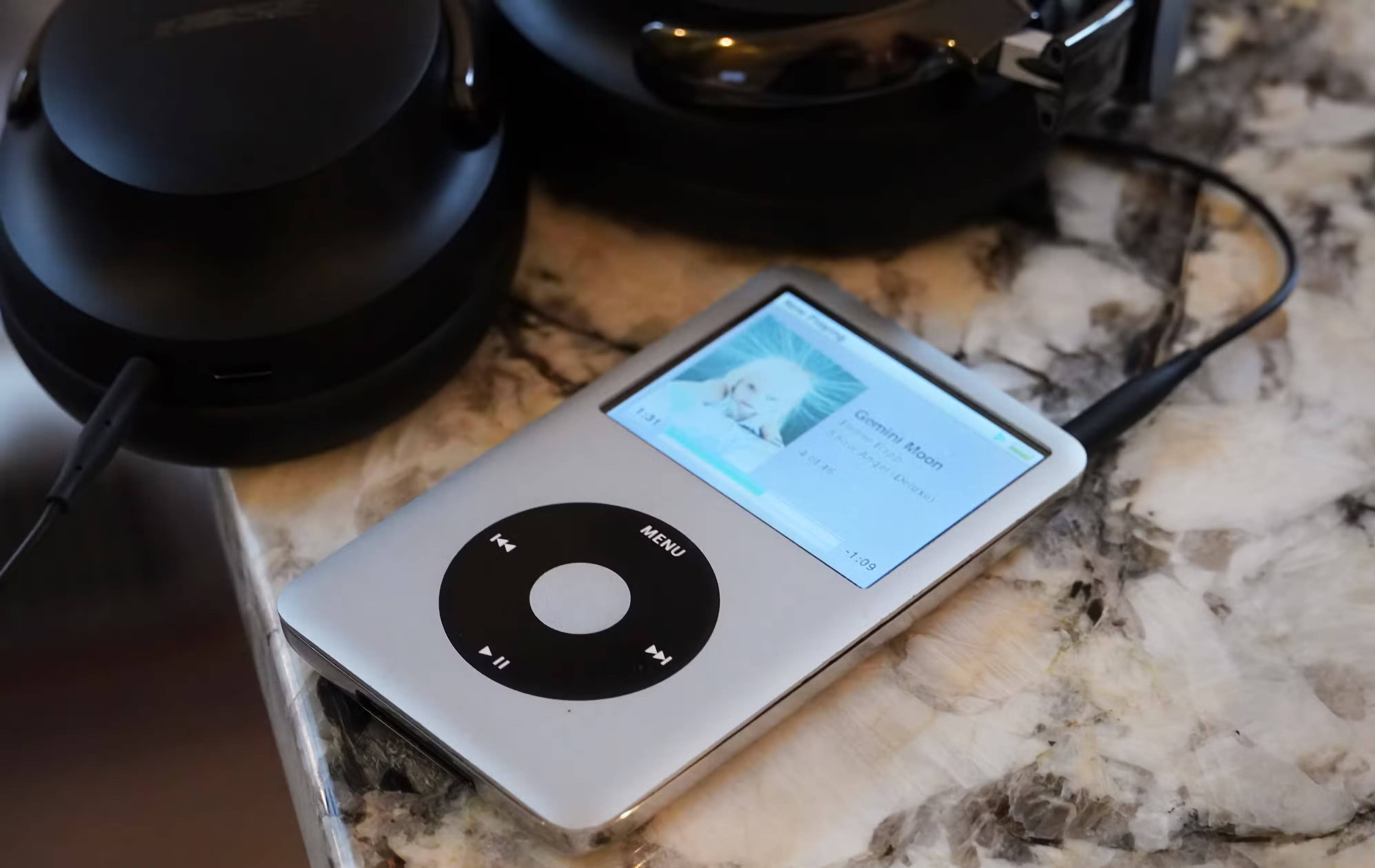
The left cup uses a 2.5mm input, so the supplied 2.5mm-to-3.5mm cable is required for most analog sources. According to Bose's guide, the headphones must be powered on for analog listening. If the battery is empty, they need USB power before the analog path will operate.
Bluetooth and the ear-cup microphones are disabled in AUX mode, and calls and playback controls must be handled on the source. Buyers who need completely passive listening from an aircraft system, audio interface, or old player should choose a model whose manual explicitly supports that behavior.
Battery life is competitive and mode-dependent
Bose rates the headphones for up to 30 hours with noise cancellation on and Immersive Audio off. Turning both features off raises the claim to 45 hours, while using both lowers it to 23 hours. The manual also says a 15-minute charge can provide up to three hours under its stated test configuration.
Those are manufacturer test results, not guaranteed real-world runtimes. Higher volume, repeated calls, unstable Bluetooth, cold temperatures, and battery aging can reduce them. The ability to listen over USB while charging is useful when the battery is depleted.
Controls, app, and calls
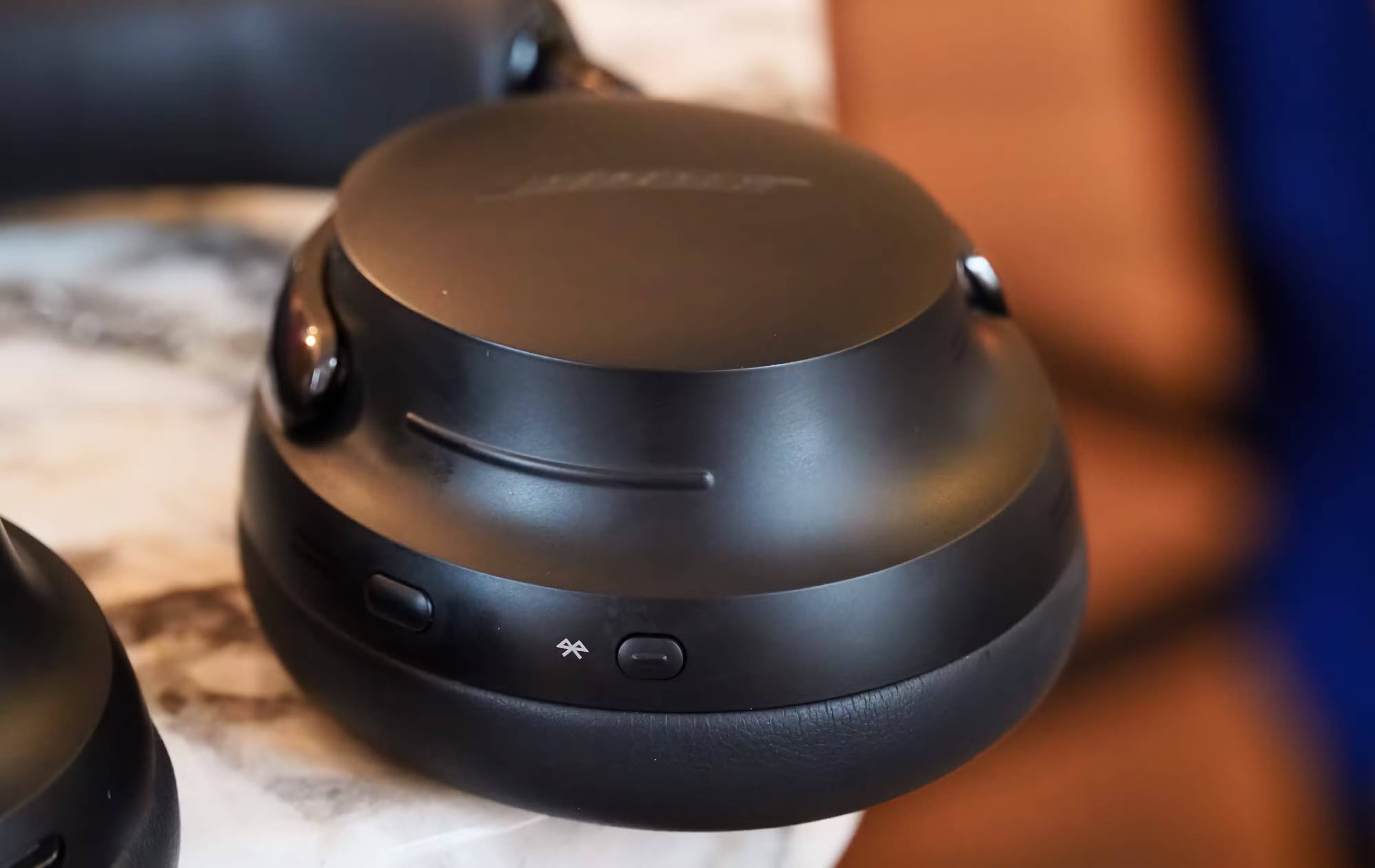
The right ear cup combines a Bluetooth/power button, a multifunction button, and a touch-sensitive volume strip. The app manages connections, EQ, modes, voice prompts, and firmware. Multipoint can be convenient between a phone and computer, but behavior depends on the applications and Bluetooth profiles active on both sources.
Microphone quality should be tested in the actual environment. A system that sounds clear in a quiet office may handle wind, traffic, or café voices differently. Wired AUX mode disables the headphone microphones, so it is not a headset connection for calls.
What the second generation improves
- USB-C digital audio with playback while charging.
- Longer manufacturer-rated battery life than the first generation.
- A refined Aware/ActiveSense implementation.
- Cinema mode within the Immersive Audio feature set.
- Updated on-head detection and power-management behavior.
Owners of the first-generation QC Ultra should compare these additions with the cost of upgrading. The basic folding design, Bose app approach, sound family, and premium ANC focus remain familiar.
Who should buy them?
They make sense for:
- Frequent travelers who prioritize comfort, folding portability, and strong ANC.
- Listeners who want Bluetooth plus both USB and analog wired options.
- Users who like a full low end and simple app-based adjustment.
- People who will use Bose's ambient and spatial modes.
Consider alternatives if:
- You need passive analog playback with no battery.
- You want a detailed parametric EQ or a more neutral default tuning.
- You need a boom microphone, lossless proprietary wireless link, or dependable low latency for competitive gaming.
- Your phone cannot use aptX Adaptive and that codec is a purchase priority.
- A lighter-priced model provides enough ANC for your environment.
The QC Ultra Headphones (2nd Gen) are best understood as premium travel headphones, not a universal winner. Their comfort, ANC, portable case, and flexible inputs are persuasive; the powered-only wired path, limited EQ, device-dependent codec support, and high price are the reasons to compare before buying.
Related Articles
 Sony WH-1000XM4: 9 Features Will Appear on Sony's Leading Active Noise5 minutes read
 Top 6 Best Noise Canceling Headphones 20186 minutes read
 Video: Sophisticated Technology Inside Noise Canceling Headphones4 minutes read
 Top 9 Top Noise Canceling Headphones of 2024: Best Options Compared12 minutes read
 13 Top Noise-cancelling, Noise-cancelling Headphones of 2023 on the Market: Top25 minutes read
 How to Use Active Noise Cancellation Properly7 minutes read
Reader Comments 0
Sign in with email or Google to join the discussion.