Table of Contents
Where Did All the Small 4K Displays Go is easier to approach with a clear overview and reliable steps. This guide organizes the essential information, highlights practical details, and explains what to check along the way.
Key Takeaways
- Review the death of small 4K screens.
- Explore 5 reasons why many people still want a small 4K monitor.
- Understand better suited for multi-monitor setups.
The Death of Small 4K Screens
Once a vibrant category, small 4K monitors—those in the 21- to 24-inch range—seem to have quietly disappeared from the mainstream market. As high-resolution panels become more affordable, you'd think small 4K monitors would become more widely available. But that's not the case.
Search for a 4K monitor in that size range and you'll quickly find that there are virtually no options. According to my search, LG's 22-inch 22MD4KA-B was first released in 2017. The most recent monitor I could find was AG Neovo's 24-inch EM2451 4K monitor. There are plenty of portable 4K monitors, but they're not for someone looking for a standard monitor.
When you type in search terms like '24-inch 4K monitor' and '21-inch 4K monitor,' you'll find plenty of 1080p (FHD) or 1440p (QHD) options instead. You'd be surprised how easy it is to find a 21- to 24-inch FHD monitor that offers a refresh rate of more than 100Hz, compared to a simple 4K panel.

So what happened? It's not that companies can't make small 4K panels. We wouldn't see portable 4K monitors with 24-inch or smaller panels, or laptops with 4K displays like the HP Envy 17.3 and Razer Blade 18 if that were the case. The main reason is simply that there's not enough demand for standard 4K displays in small form factors.
Most consumers want a good enough monitor. They don't work in industries that require a high pixel density display to perform at their best, like graphic design or video editing. You can bet companies would be making tons of them if there was a big market for such monitors.
Furthermore, the world is trending towards bigger items: bigger TVs, smartphones, cars, etc. The same applies to the display space, where we see panels getting bigger every year, simply because that's where the demand is.
However, despite the trend towards larger screens, many people still want a small 4K monitor for the following five reasons.
5 Reasons Why Many People Still Want a Small 4K Monitor
1. Better Suited for Multi-monitor Setups
Right now, many people use a single 27-inch 4K monitor in their work-from-home setup. However, if you need to upgrade your setup with more screen real estate, you'll want to opt for two smaller monitors (ideally 4K monitors ) instead of two large monitors or a single ultrawide monitor.
Thanks to their small footprint, dual monitors are much easier to manage and more flexible in terms of layout and placement. Their compact size also means you can fit more monitors on a standard desk without the need for complicated stands or stands. Dual monitors are easy to set up with HDMI, so you don't have to worry about that.
2. Cost Savings
Smaller 4K monitors will be more affordable than larger monitors with similar specs. For instance, consider the LG UltraGear 4K monitor. It comes in 27- and 32-inch sizes, with the 32-inch option costing nearly $100 more.
The monitor has solid specs for its price – 144Hz refresh rate, 1ms response time, HDMI 2.1, DisplayPort, etc. – but it doesn't come in a smaller version. It would certainly be the most affordable option in the lineup if LG offered a 24-inch version with similar specs.
3. Sharper Image Quality
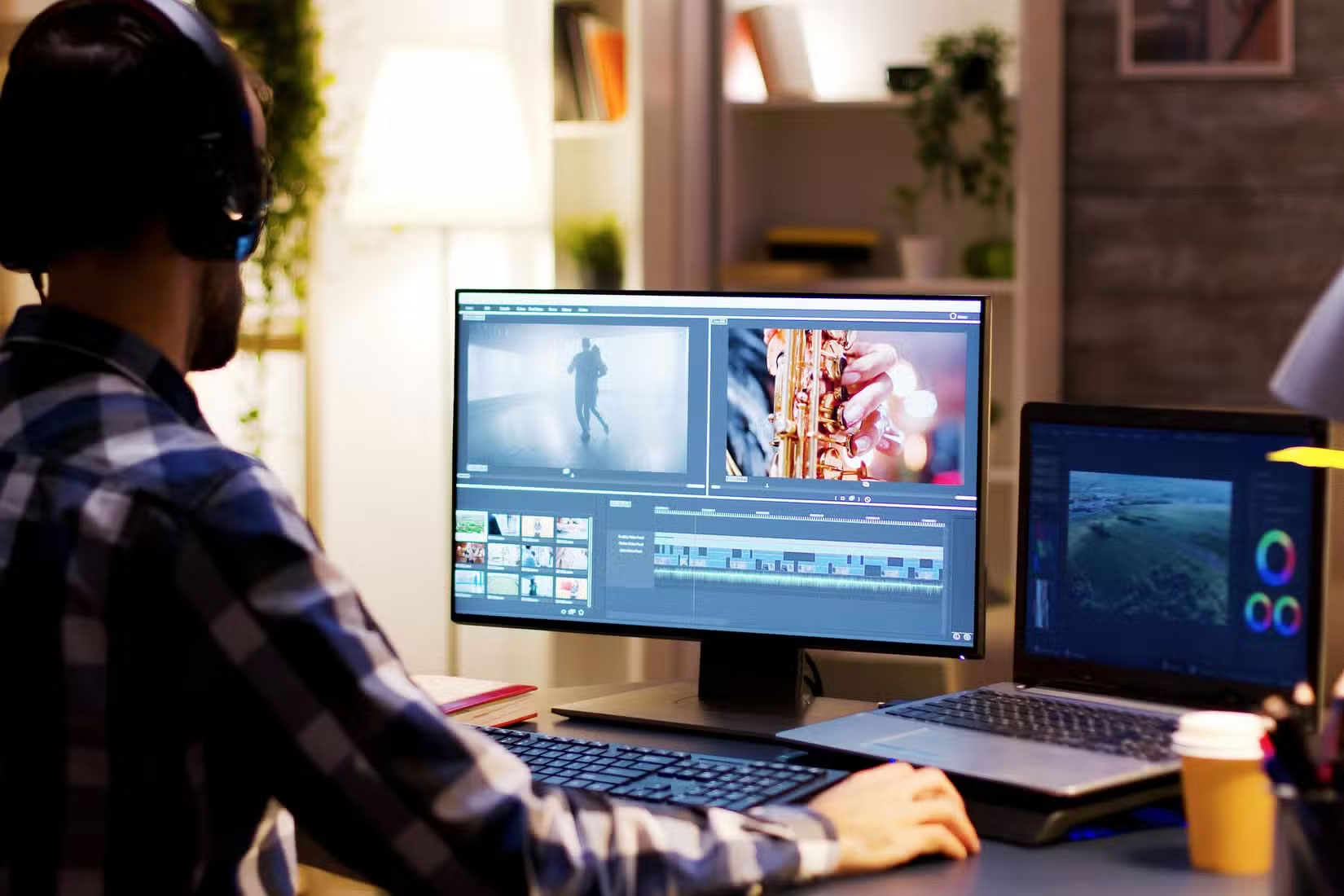
For pixel-peepers, the main advantage of cramming 4K resolution into a smaller screen is that it delivers incredibly sharp images, thanks to the higher pixel density. Higher pixel density makes everything look better.
Text and images look sharp and detailed, icons look sleeker, and everything else looks better. A 21-inch 4K display has about 210 pixels per inch (PPI). This helps you put that into perspective. That's about the same as Apple's high-end Studio Display XDR, which has 218 PPI.
You won't find that kind of sharpness; forget about a 32-inch 4K monitor if you buy a 27-inch 4K monitor. That kind of sharpness is perfect for the needs of people who do detail-oriented work like photo editing, design, and programming.
4. Optimized for Small Spaces
Most of us don't have endless space to spare in our homes or apartments. A city dweller typically doesn't have a huge space for their work setup. Instead, they have to optimize their setup for their limited space. A small monitor is perfect for that.
Sure, you could opt for a 24-inch QHD monitor like the 24-inch BenQ RD240Q or the 24.5-inch INNOCN 25G2S. However, neither of these monitors will meet your needs for a small 4K monitor with a high PPI. Remember, not considering your specific needs is just one of many mistakes to avoid when buying a monitor.
A small 4K monitor is a perfect choice and will also fit into a small desk setup while still leaving enough room for other essentials. It's also easier to pair with a laptop in a space-saving setup without overwhelming the workspace.
5. Ergonomics and Comfort
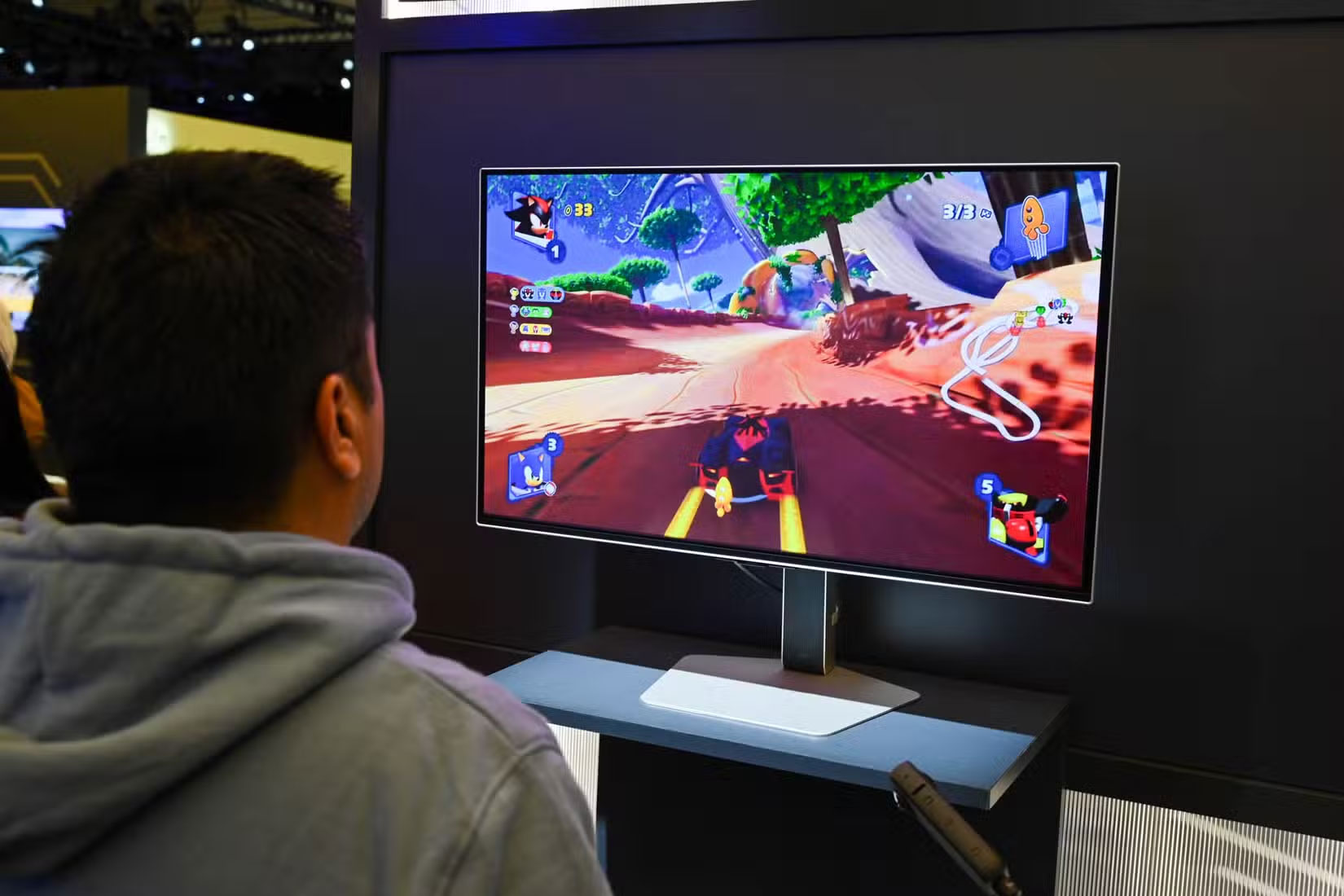
Smaller screens are more ergonomic than larger screens. With large screens, your eyes and neck have to move almost constantly to scan from side to side, especially if you need to view content in the corners of a large screen.
For small screen sizes, it is easier to position the screen so that it is easy and comfortable to view the entire screen without constantly moving your neck and eyes. This can help reduce fatigue and improve productivity if your job involves sitting at a desk for long hours.
Small 4K monitors may not be in high demand, but their limited availability frustrates those who value sharp images in compact ergonomic setups. They're ideal for tight spaces, multitasking, and pixel-perfect work. Hopefully we'll see more in the future!
Final Thoughts
The most reliable way to handle where did all the small 4K displays go is to follow the process in order, verify each important setting, and test the result before moving on. Use the guidance above as a practical reference, then adjust the details for your device, software version, or specific goal.
FAQ
What should I know first about Where Did All the Small 4K Displays Go?
Many people love the sharp picture and minimalist setup, but finding a small 4K monitor these days is like chasing a unicorn.
How do I get the best results with Where Did All the Small 4K Displays Go?
Use current software or equipment, follow the steps in order, review the recommended settings, and test one change at a time so you can identify what improves the result.
What should I do if Where Did All the Small 4K Displays Go doesn't work as expected?
Check compatibility, permissions, connectivity, and version-specific settings. Restart the relevant device or app, then repeat the process carefully before trying a more advanced fix.
Related Articles
 Smart Storage Ideas for Small Bathrooms6 minutes read
 Pixels Smaller Than Grains of Sand: Breakthrough Paves the Way for Tiny5 minutes read
 Surprise with the Great Use of Small Details on Utensils5 minutes read
 10 Tricks Cheat Area for Small Apartments: Small Apartment Area5 minutes read
 minutes read
 Lesson 40: Small Grid in Bootstrap 54 minutes read
Reader Comments 0
Sign in with email or Google to join the discussion.