Table of Contents
Work-management software helps people organize tasks, assign owners, track deadlines, and coordinate projects. The right choice depends on how your team works: a personal task list, a visual board, or a larger workspace with timelines, reporting, and time tracking. This guide compares several established tools by use case; it is not a ranking, and plans or features can change.
Choose a tool by the work you need to manage
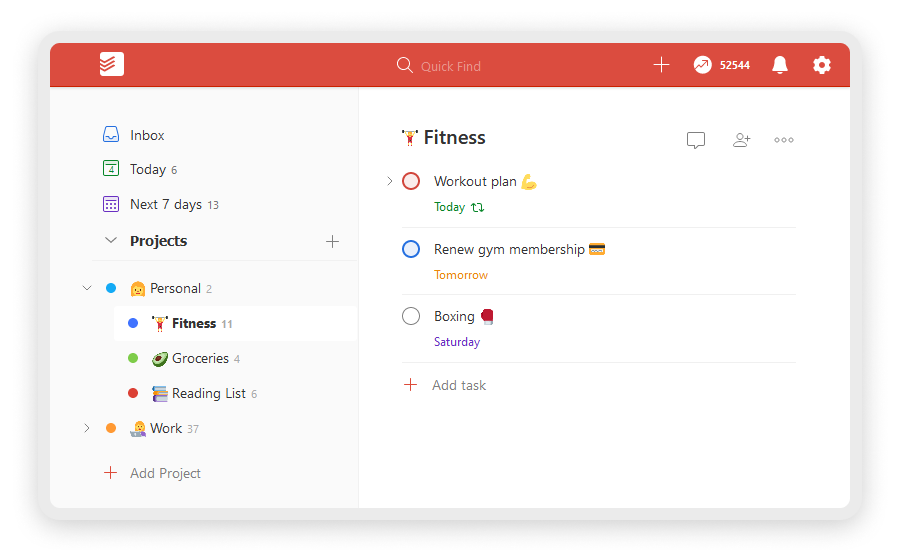
- Personal tasks and lightweight shared lists: consider Todoist.
- Visual boards and simple workflows: compare Trello and Freedcamp.
- Structured team projects and cross-functional coordination: evaluate Asana, ClickUp, or Zenkit.
- Client work and time tracking: consider Paymo.
Before moving a team, test a real project with a few users. Check guest access, file storage, task limits, integrations, mobile support, data export, and total cost at the plan you would actually use. Do not choose from an old “free plan” claim; review each vendor’s current terms.
Work-management tools to compare
Todoist
Useful when the core need is capturing and organizing personal or shared tasks in projects. It may be too lightweight if you need formal project dependencies, resource planning, or extensive reporting. Visit Todoist.
Zenkit
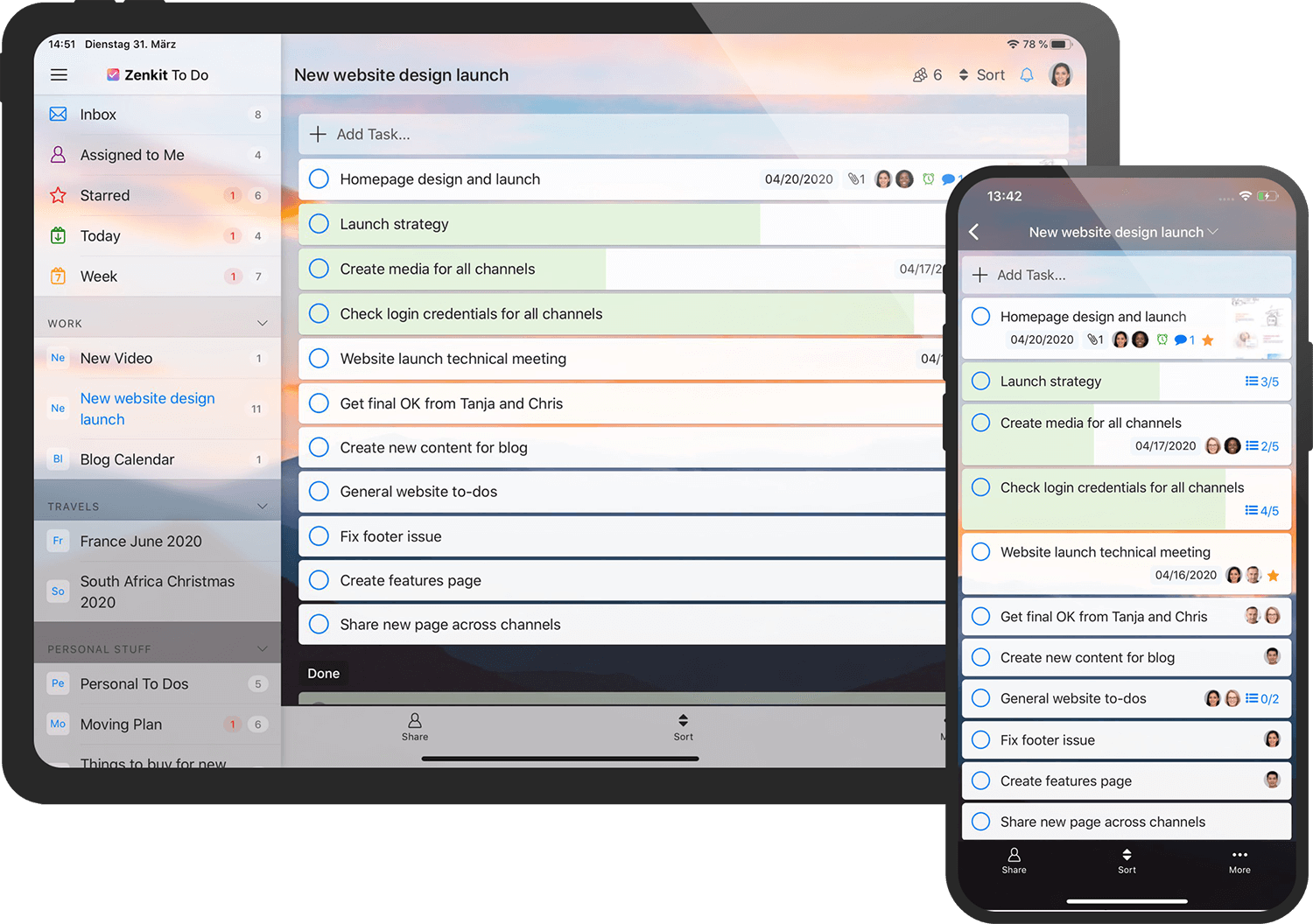
A project and organization platform worth evaluating when you want to structure work in collections and project views. Check which views and collaboration features are included in the current plan. Visit Zenkit.
Trello
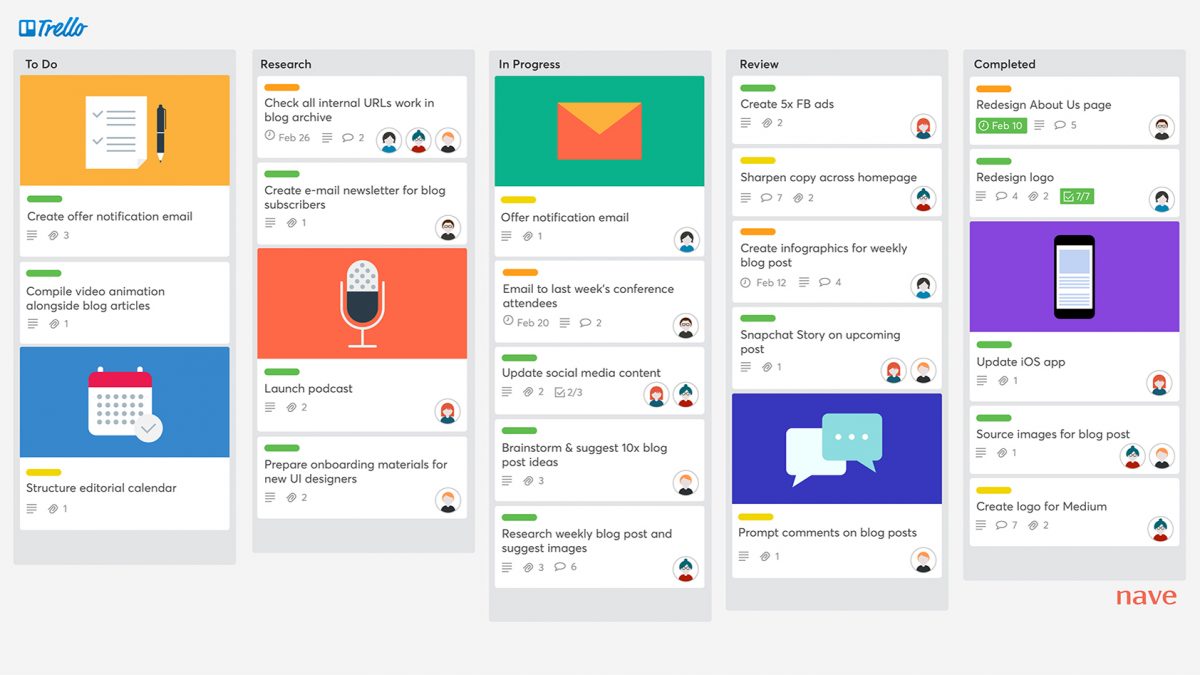
Its board-and-card model works well for visible stages such as “To do,” “In progress,” and “Done.” Teams with dependencies or complex resource planning may need additional tools or a more structured project system. Visit Trello.
Asana
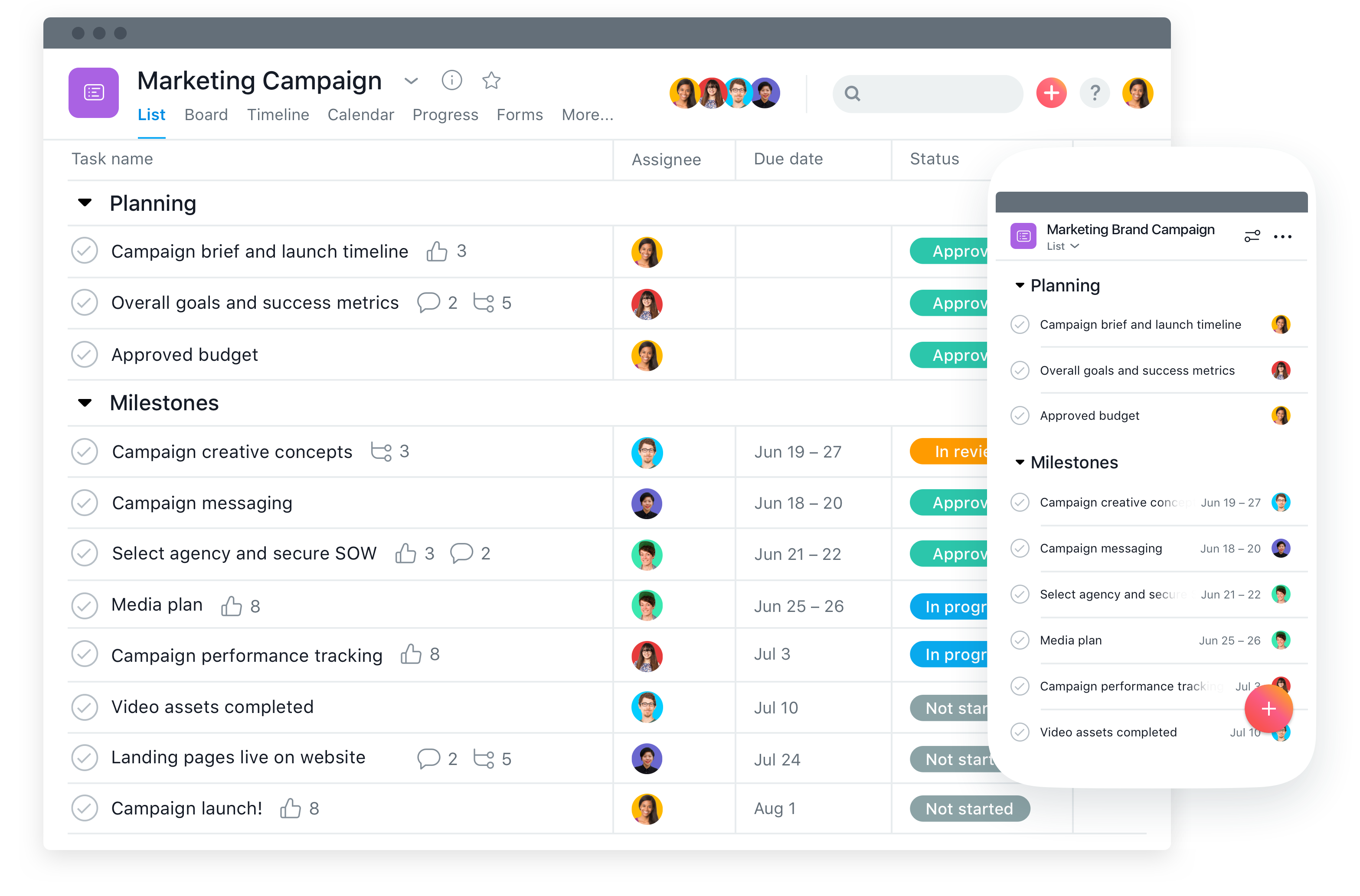
Consider it for teams coordinating tasks across projects and needing clear ownership and progress visibility. Compare its current plan limits and reporting options with your workflow before migration. Visit Asana.
ClickUp
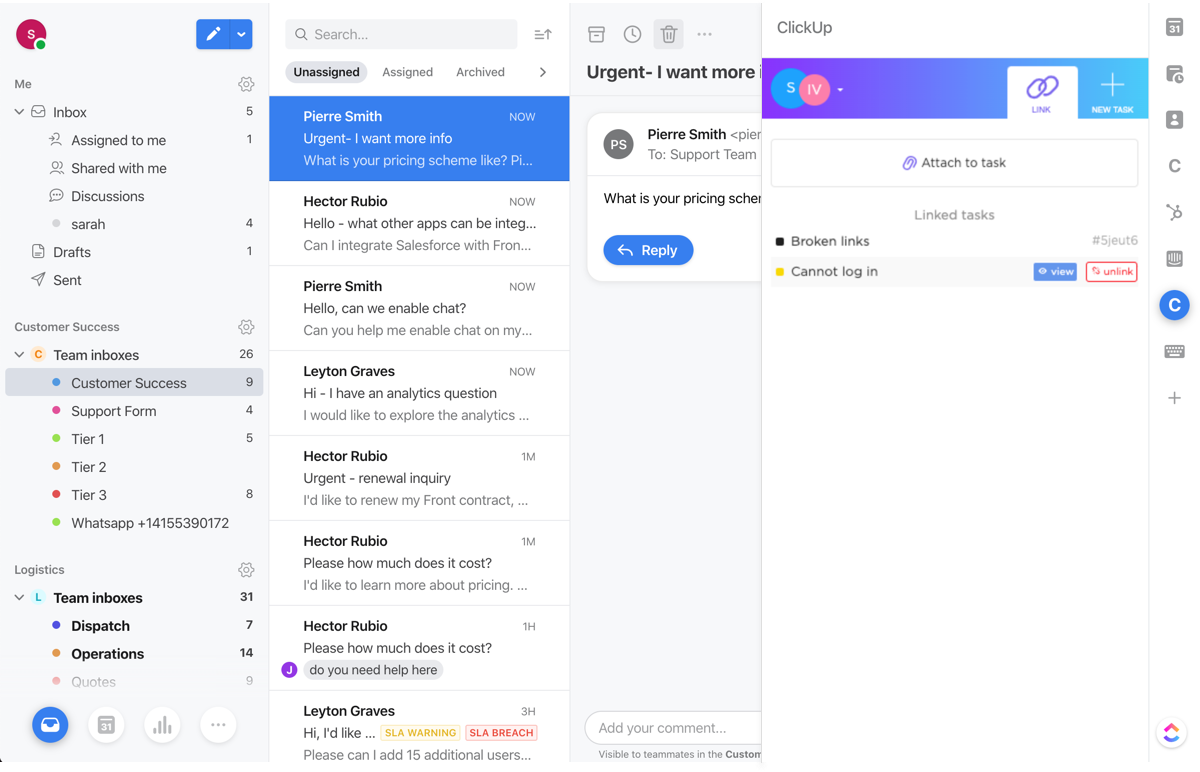
A broad workspace to evaluate when you want tasks and project information together. Its breadth can require setup and team conventions; pilot the views and features you will actually use. Visit ClickUp.
Freedcamp
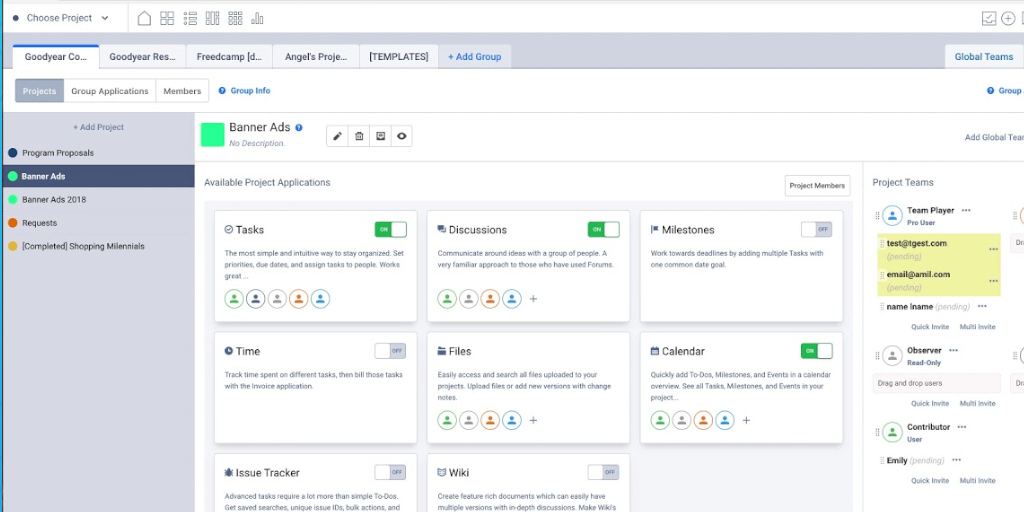
An option for teams seeking a project workspace with task and collaboration features. Review the current pricing and which features are included before committing. Visit Freedcamp.
Paymo
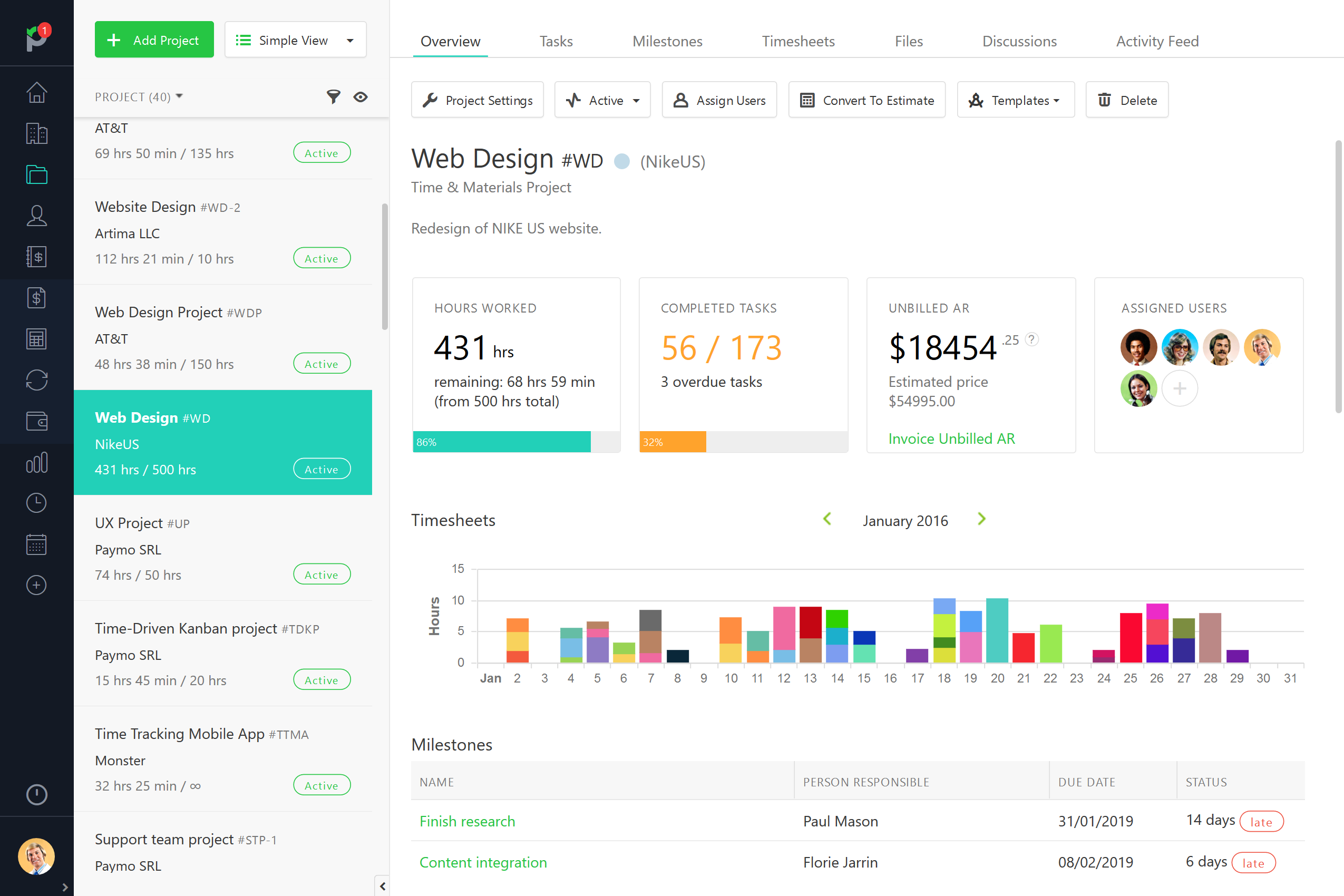
Worth comparing for client-facing work where project planning and time tracking are part of the same process. Check invoicing, reporting, and team features against your requirements. Visit Paymo.
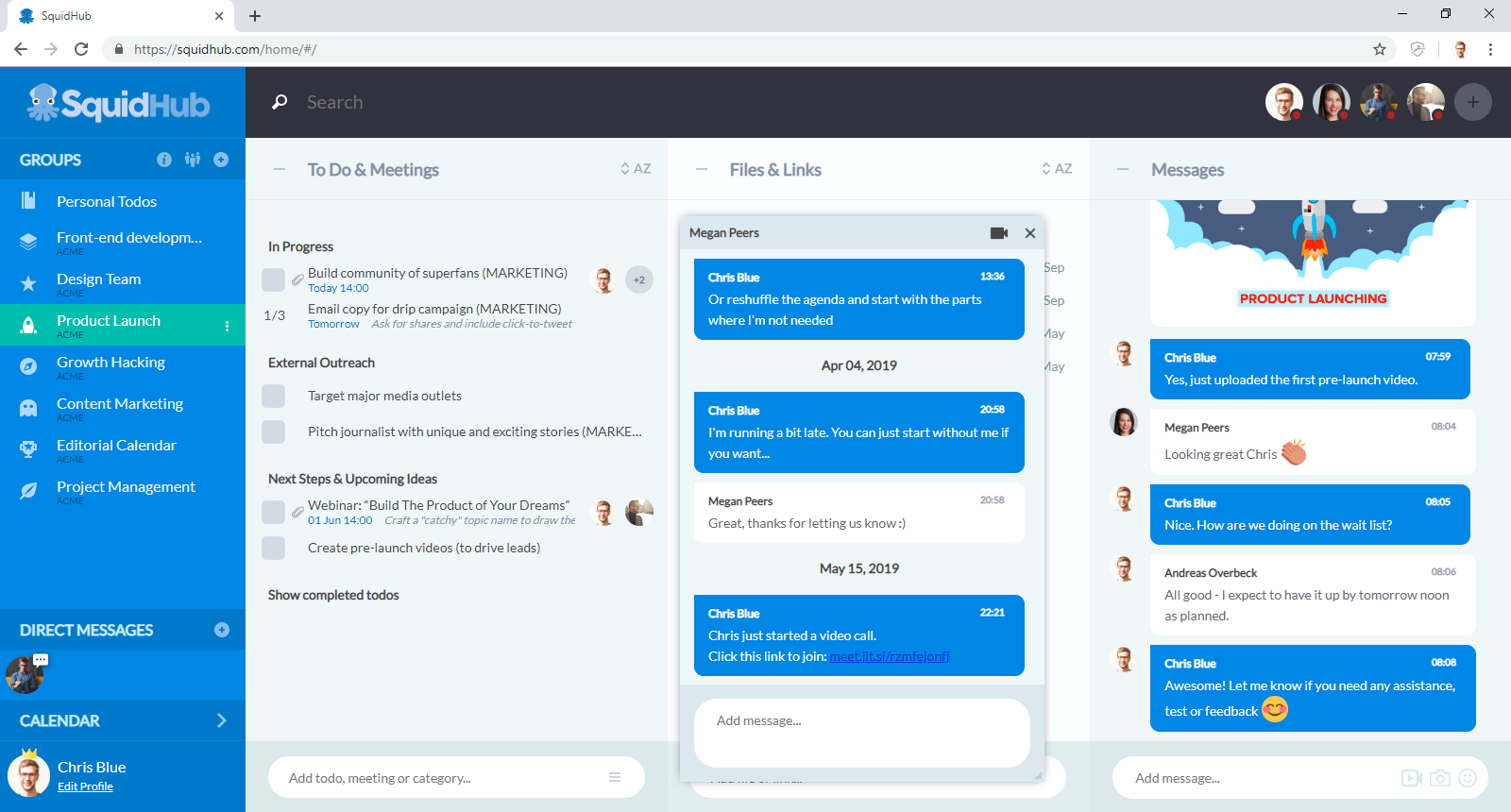
The original article also named SquidHub, but its description and availability could not be verified from a current authoritative product source, so it is not presented here as a current recommendation. The preserved screenshots document the older roundup and should not be treated as current product comparisons.
Run a short pilot before you decide
- Choose one ongoing project with real tasks and a clear owner.
- Invite only the people who will use the workflow, then test notifications and mobile access.
- Track whether the tool makes ownership and next steps clearer without adding excessive administration.
- Confirm export and cancellation options, permissions, and pricing for the team size you expect.
For a smaller personal workflow, you may only need a task list. For team processes, document the stages and ownership first, then select software that supports them.
Related Articles
 Some effective work, task, and project management software
 5 effective ways to help you work smarter
 6 Task Management Apps Compared: Which Fits Your Workflow?
 5 time management skills and effective work organization
 7 Best and Effective Human Resource Management Software 2023
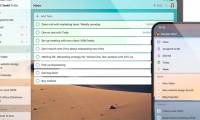 How to use Zenkit To Do manage tasks effectively
Reader Comments 0
Sign in with email or Google to join the discussion.