Table of Contents
This guide organizes the entries in "6 Privacy Tweaks Every Samsung User Needs to Make Right Now" and explains what each option, idea, or example offers. It also highlights practical details that matter when comparing the choices.
6. Turn off Samsung Diagnostic Data Collection
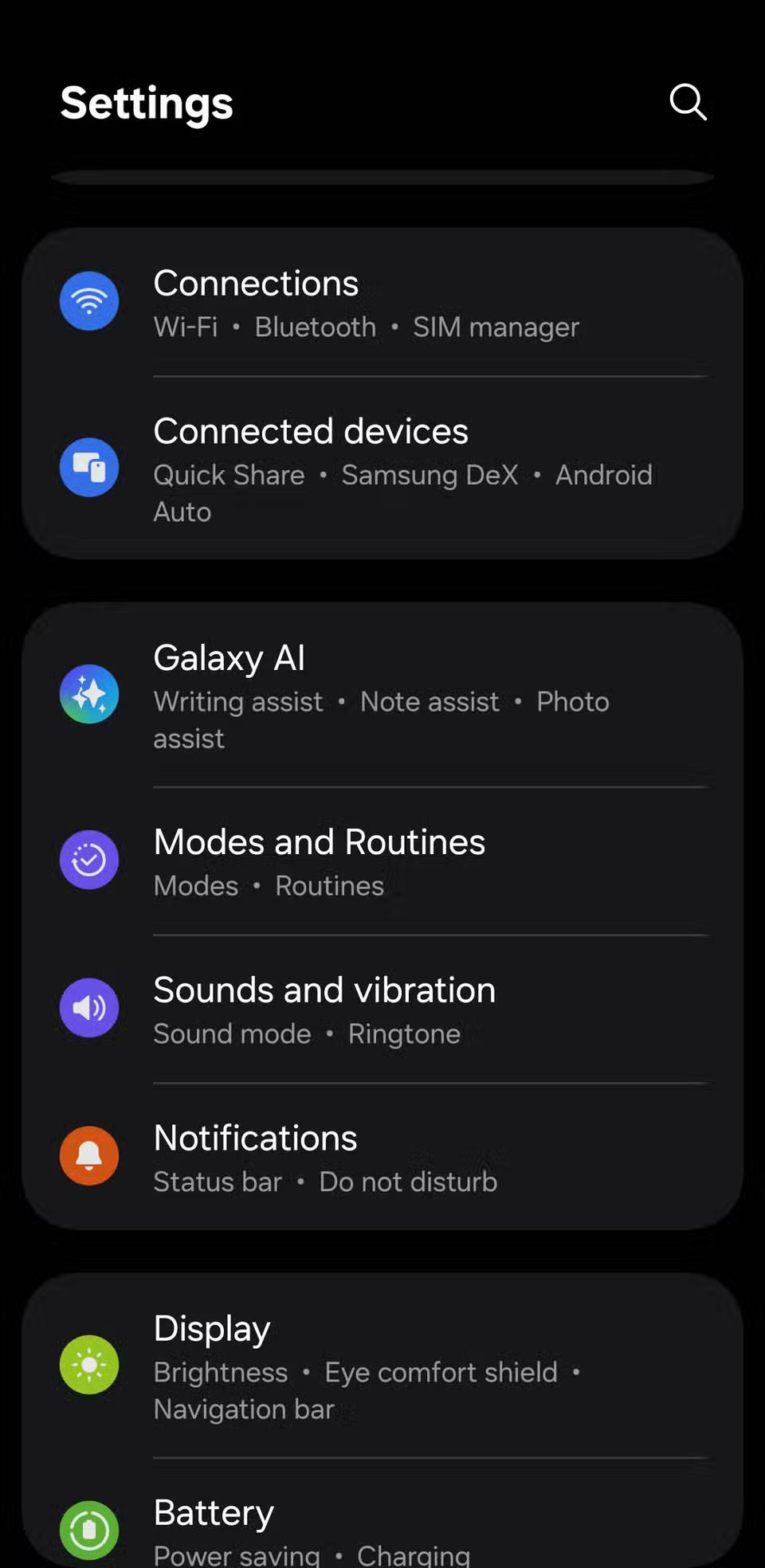
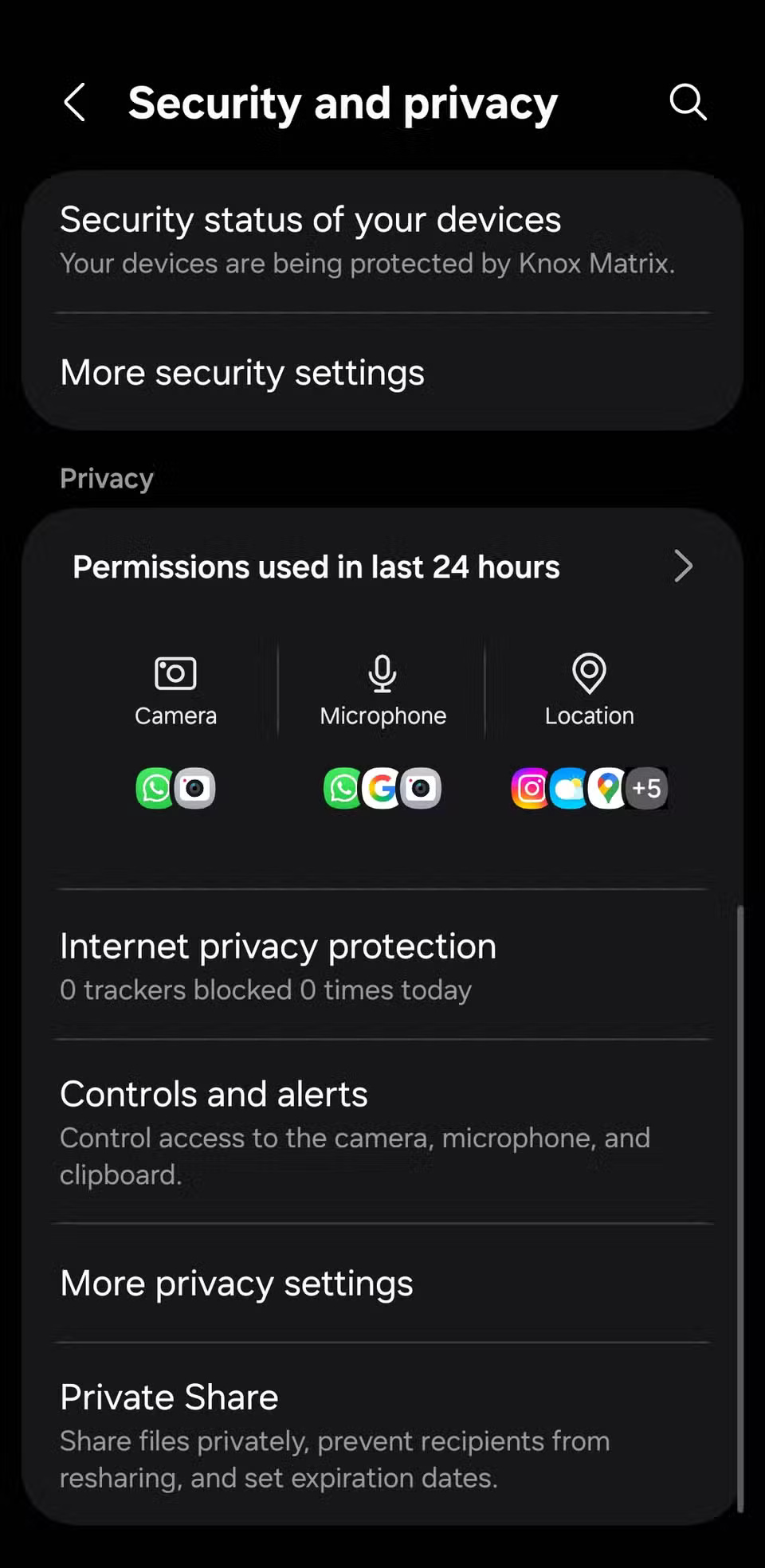
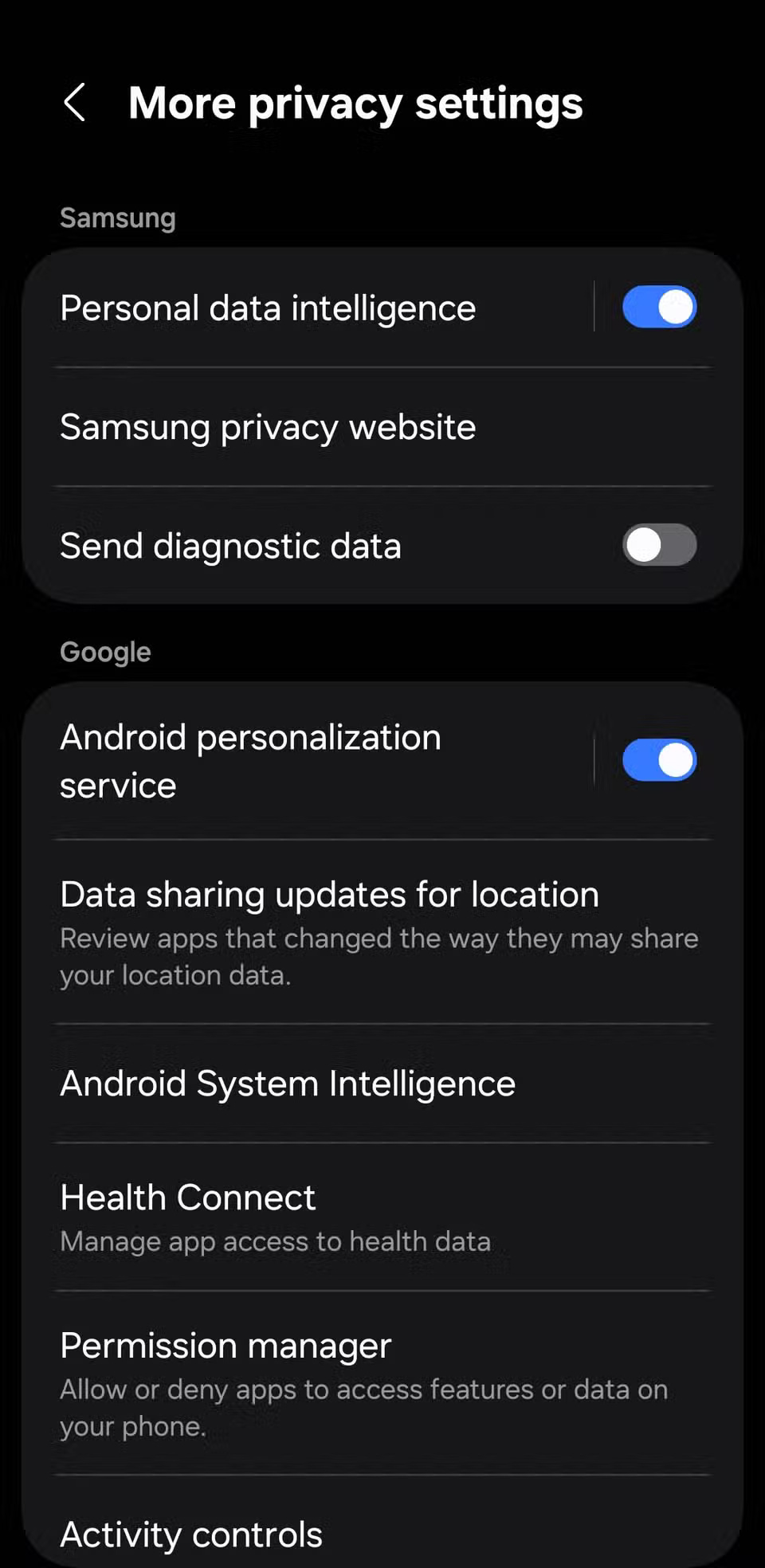
Samsung's "Send diagnostic data" feature is one of those settings that's enabled by default. According to Samsung, this data is used to improve the user experience and fix bugs. But if the idea of constant data collection makes you uncomfortable, you can turn it off.
On Samsung phones, go to Settings > Security and privacy > More privacy settings and turn off the Send diagnostic data toggle.
5. Keep Galaxy AI data on the device only
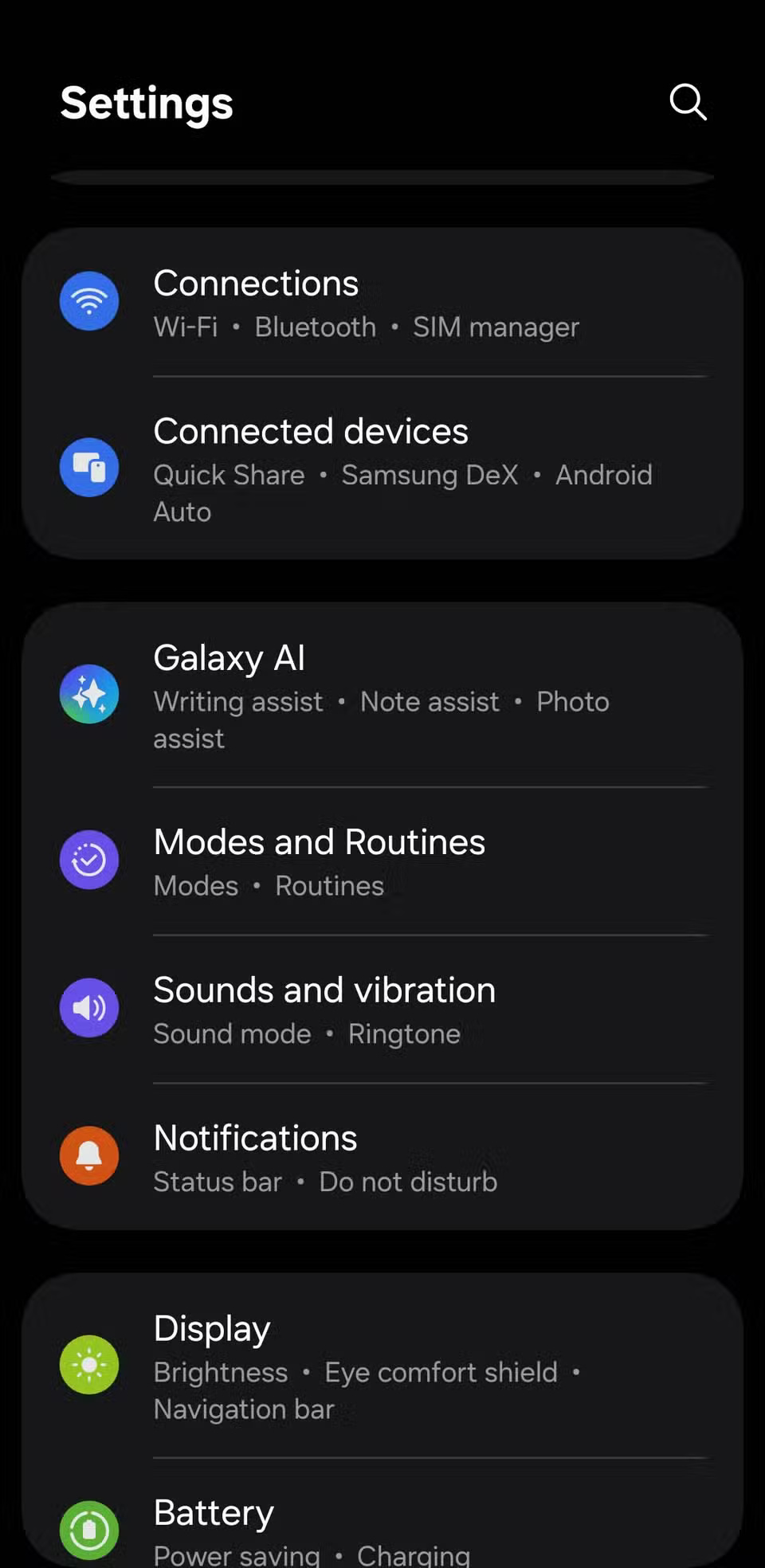
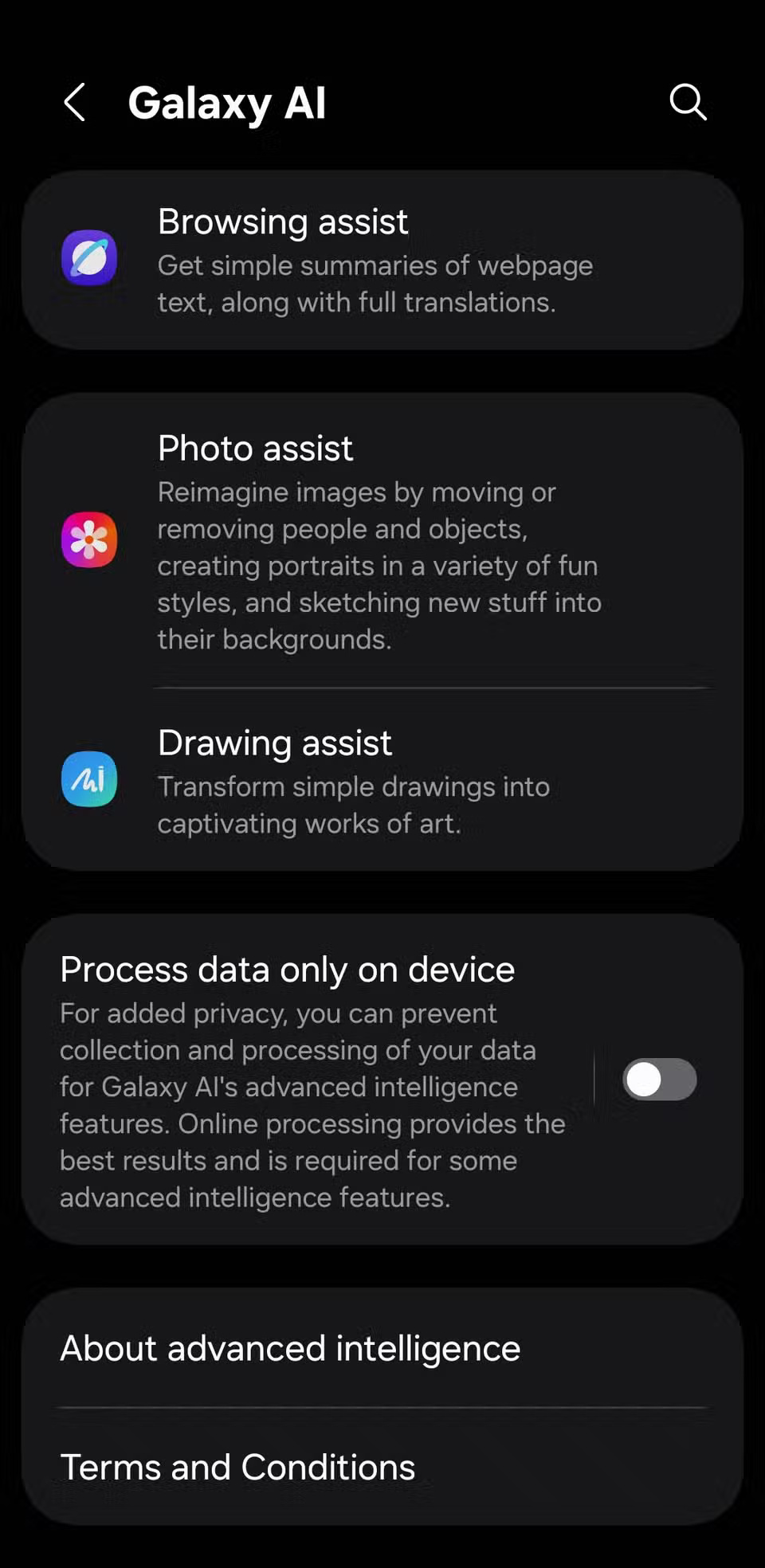
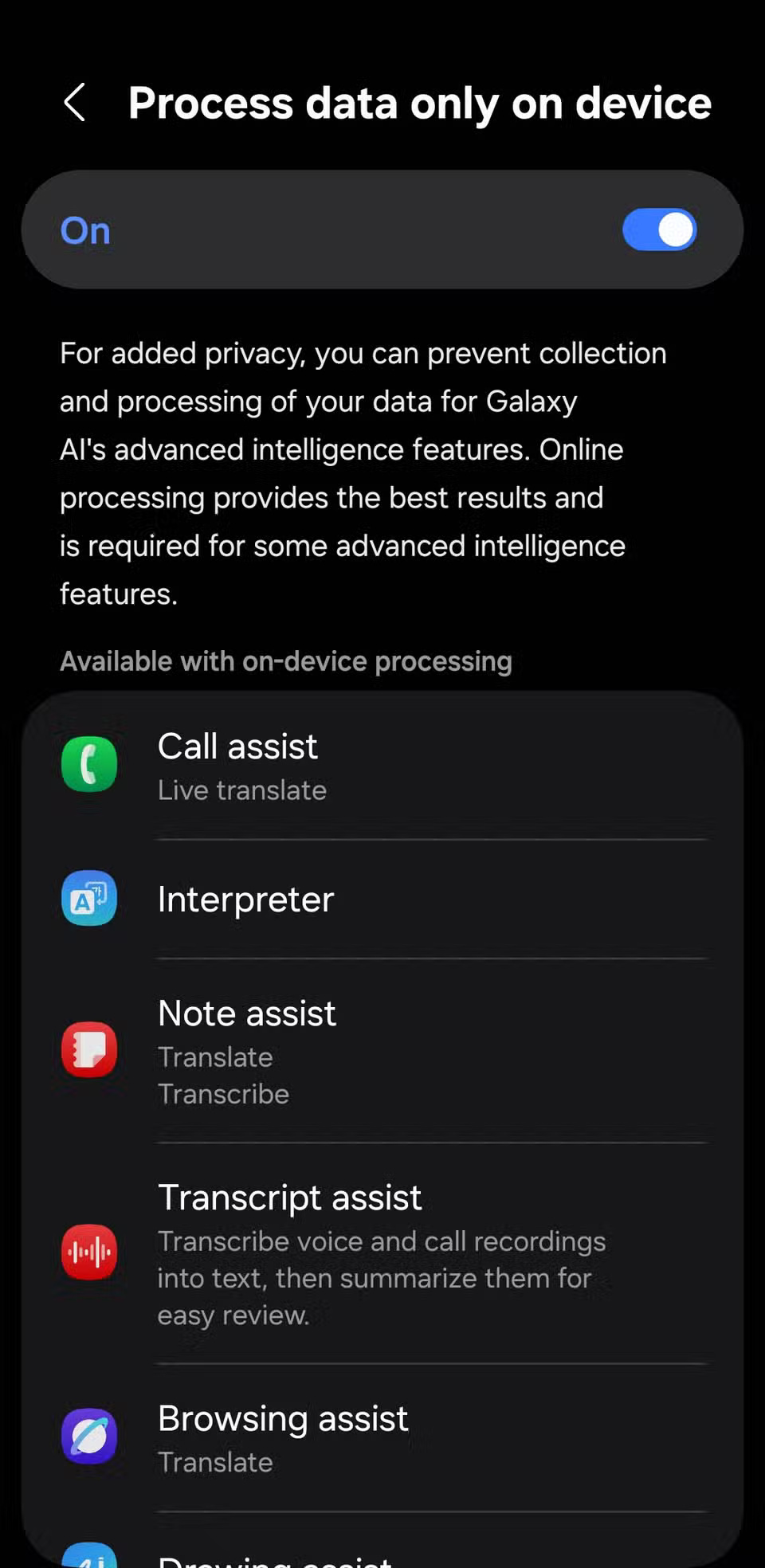
By default, Galaxy AI sends your interactions to Samsung's servers for processing, and the data is also used to improve the AI experience. However, if you want to keep everything on your device, there's a quick setting you can toggle to do just that.
To do this, go to Settings > Galaxy AI and turn on Process data only on device . This will keep all AI-related data processed on your device. There is a trade-off, though. Since some of the Galaxy's more advanced AI features rely on cloud processing, you'll lose access to tools like chat translation, note summaries, and photo editing.
4. Use Private Share for more secure file transfer
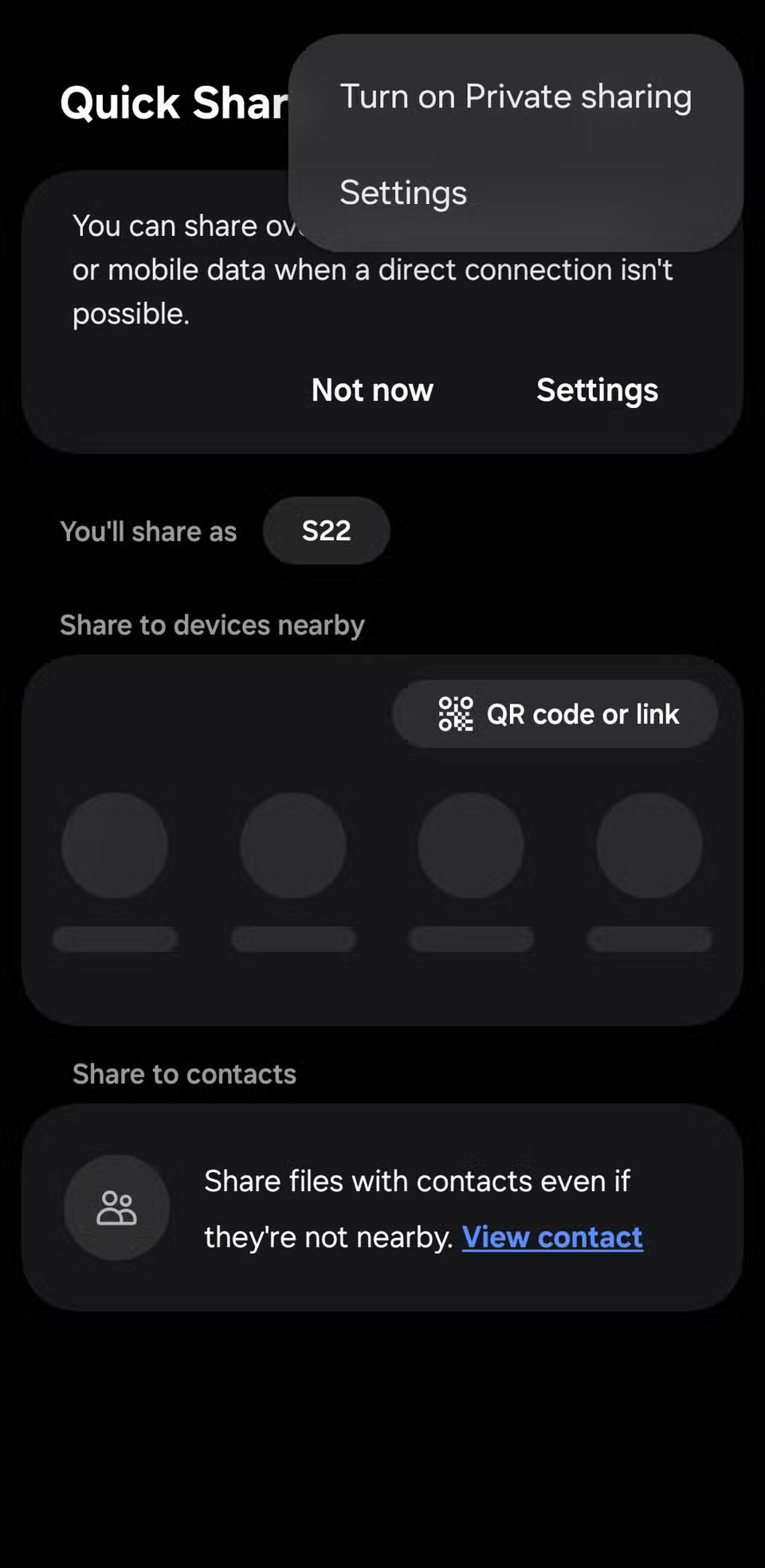
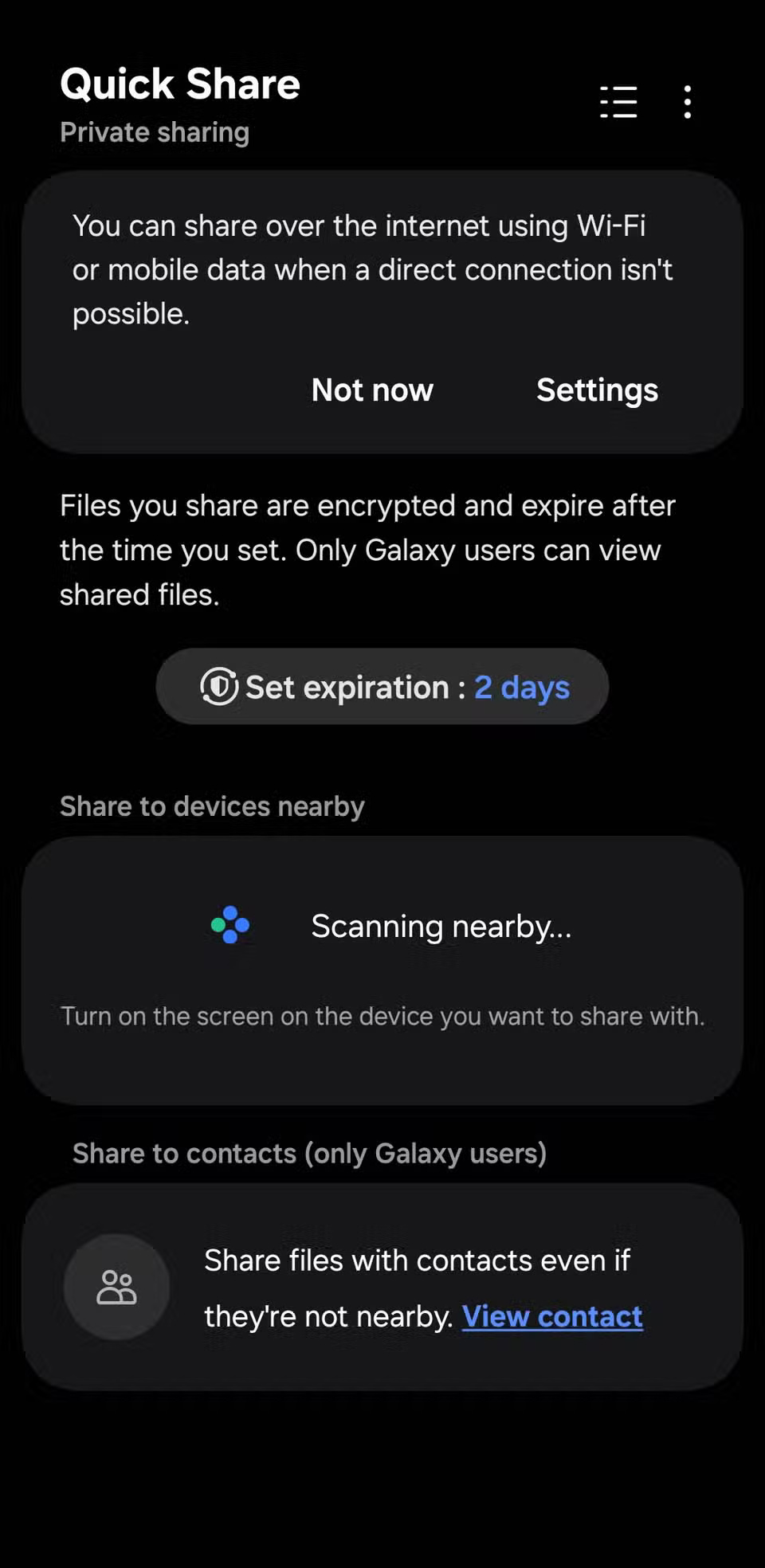
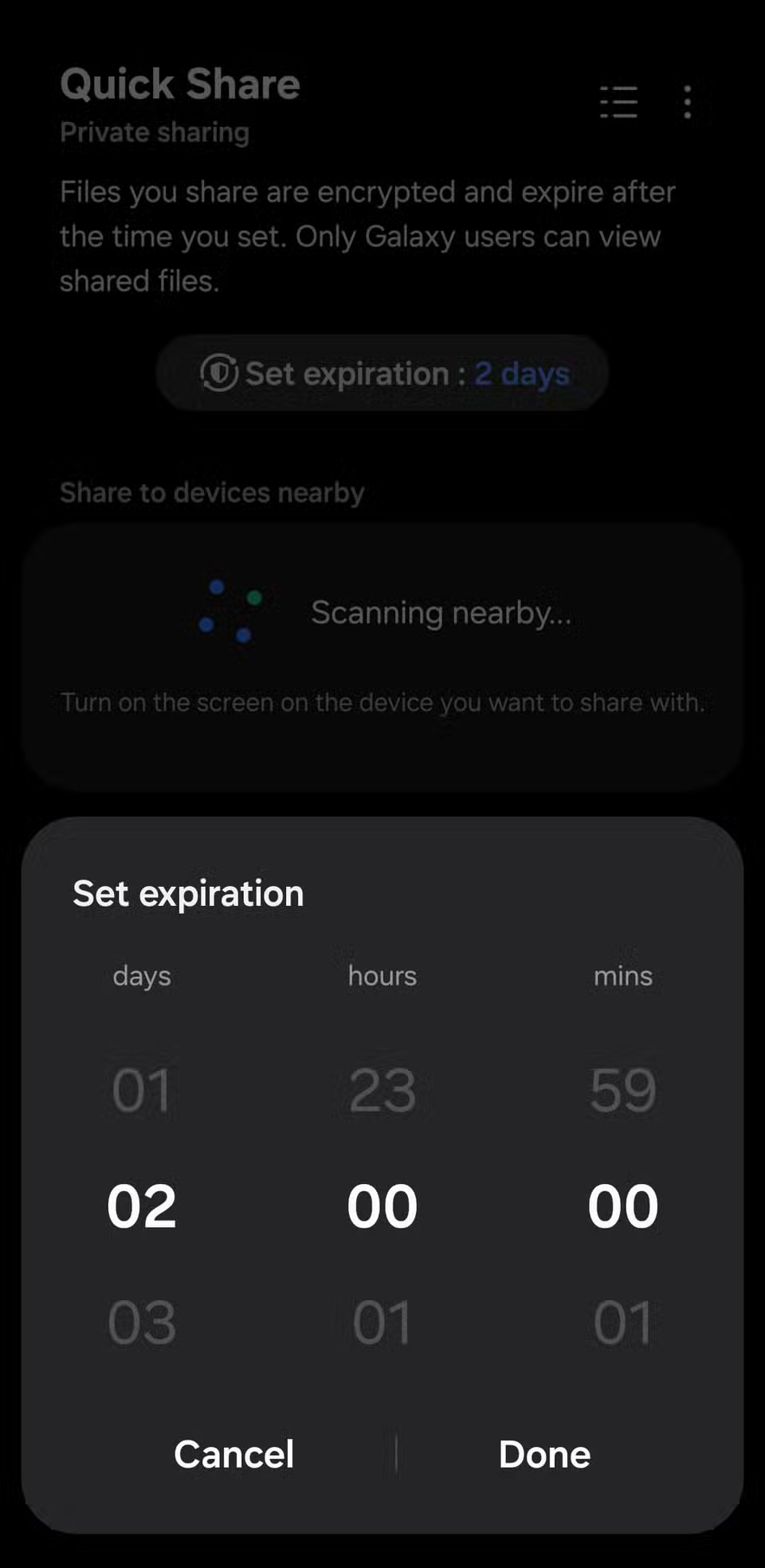
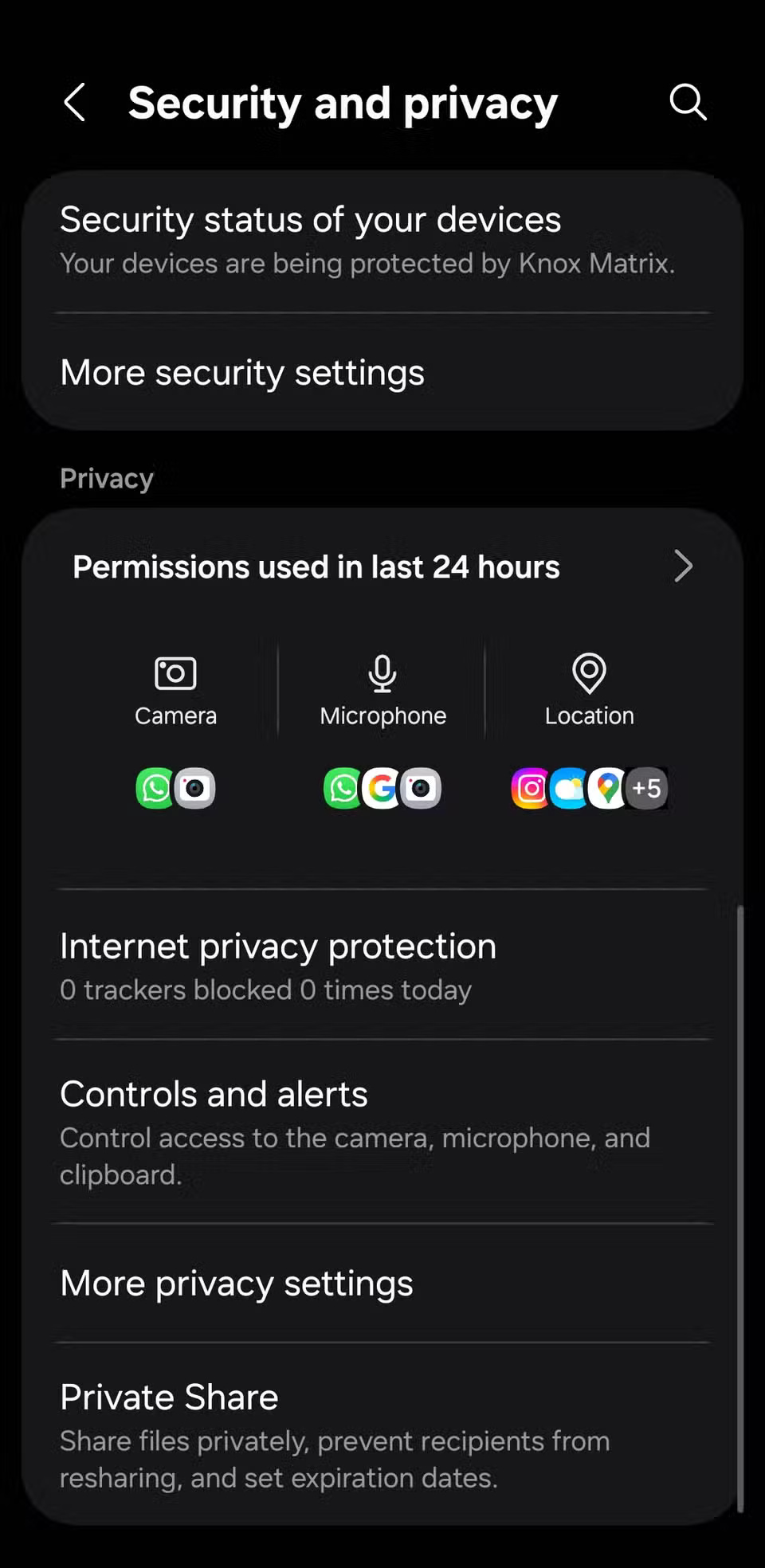
You can share files from your Samsung phone all the time. But you don't have to rely solely on Android's Quick Share. Your Samsung phone has a feature called Private Share that's more privacy-focused.
Once a file is sent via Private Share, only the recipient can view it. And if you change your mind, the services let you revoke access at any time. To use Private Share, open the sharing menu and select Quick Share . Then, tap the three-dot menu in the upper-right corner and select Turn on Private sharing . From there, set an expiration date and choose which contacts can access the file.
3. Regularly review your Privacy Dashboard
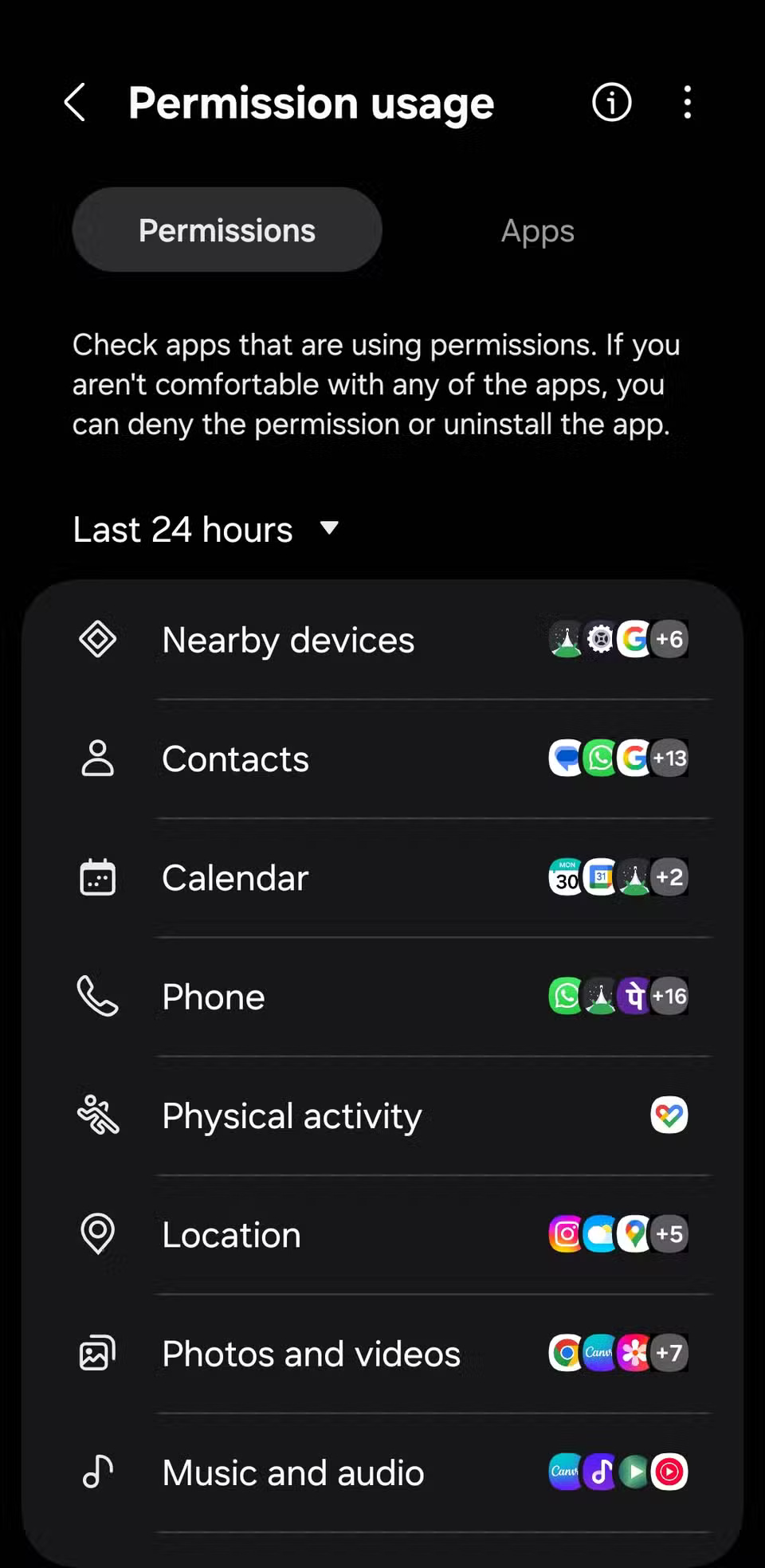
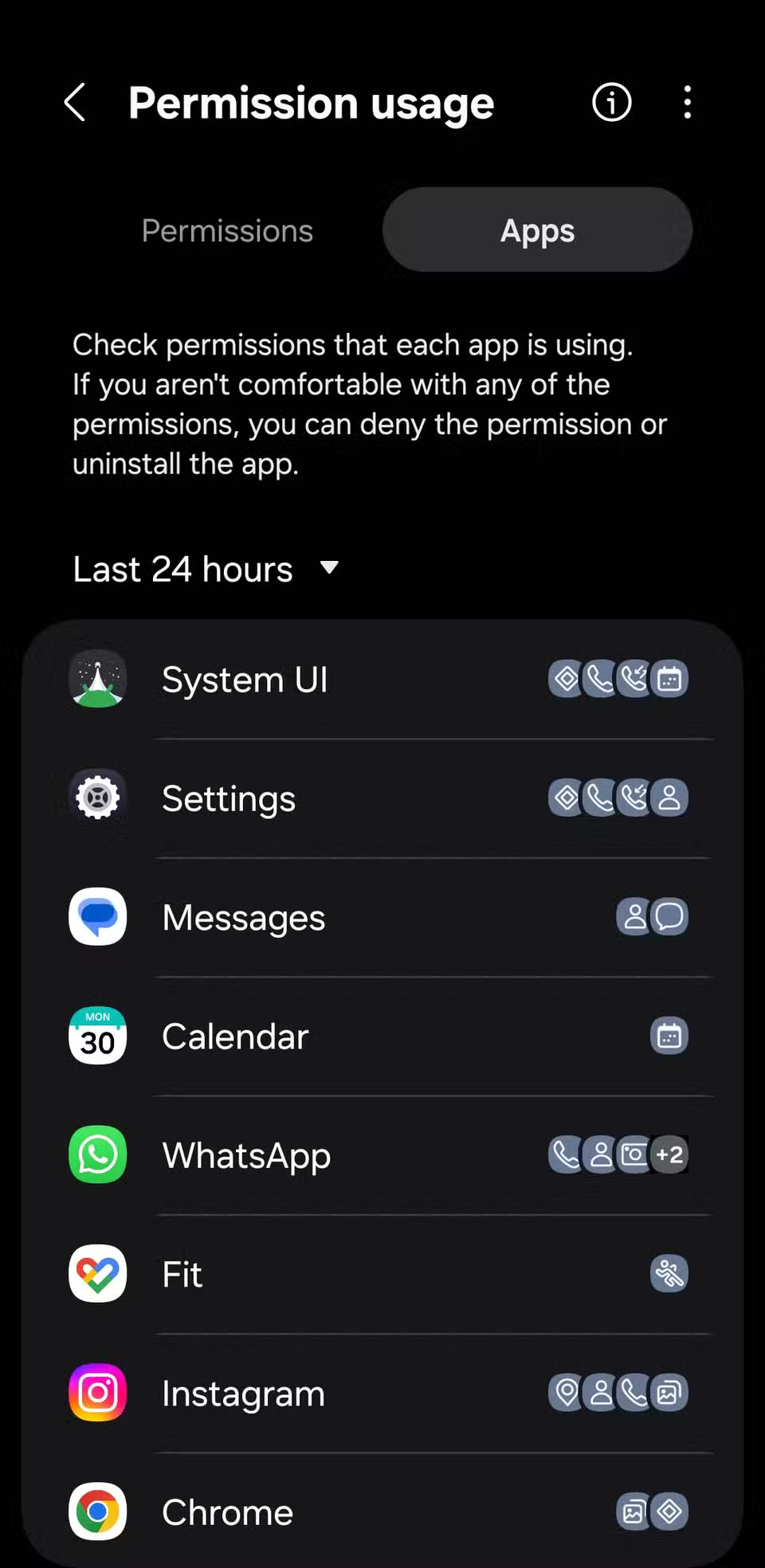
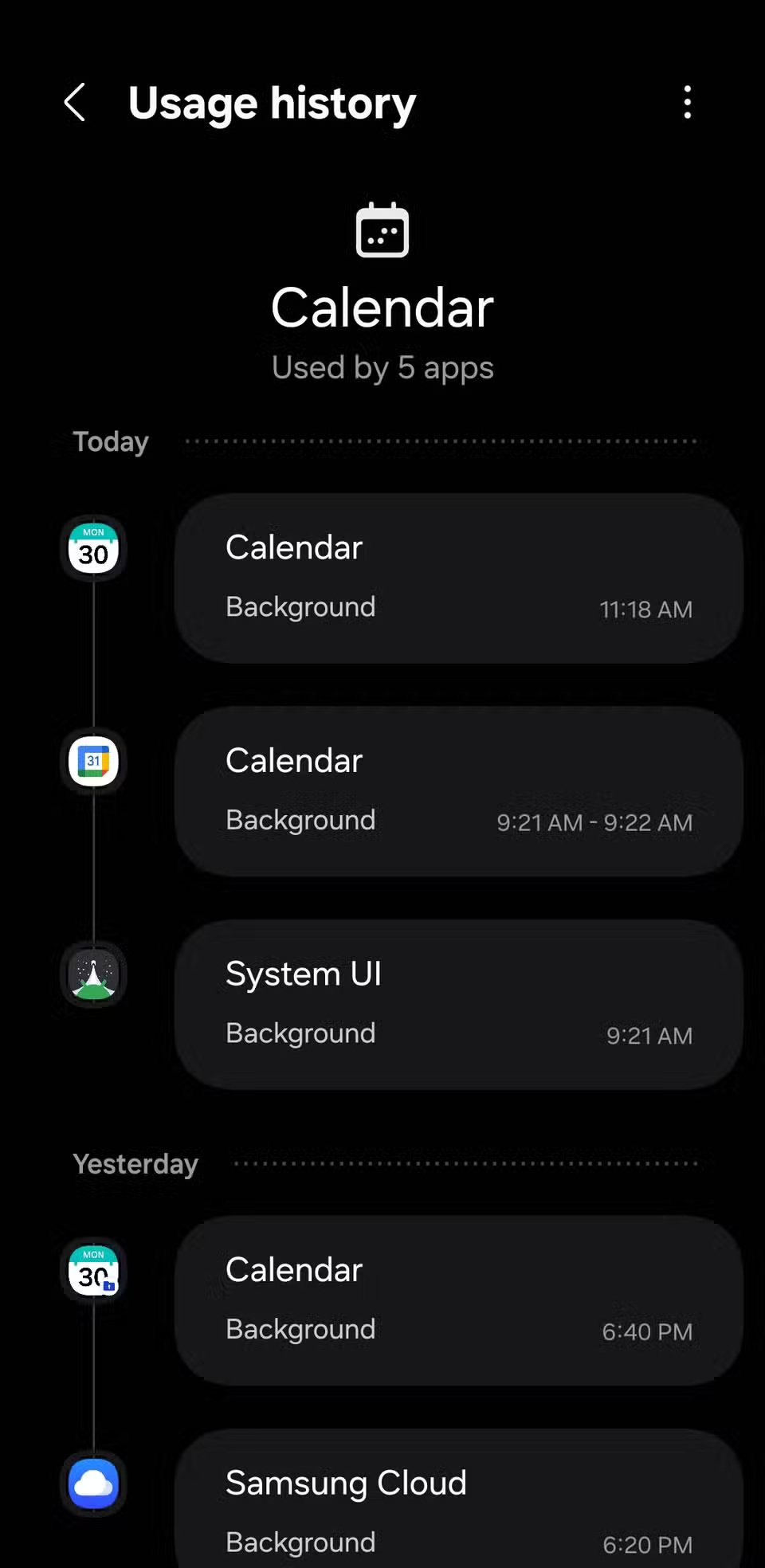
It's easy to forget that the apps on your phone are silently collecting data in the background. Some apps may only need limited access to function normally, but they can continue to tap into your location, microphone, contacts, and more. The Privacy Dashboard can help you see exactly which apps are doing what and how often.
To access it, go to Settings > Security and privacy > Permissions used in last 24 hours . You'll see a breakdown of which apps have accessed sensitive data like your contacts, calendar, location, photos, and microphone in the past day. For a broader view, tap the drop-down menu to expand the timeline to the last 7 days. You can also tap the small i icon at the top of the screen for more details about what each permission controls.
2. Tighten privacy settings for Bixby and Samsung Internet
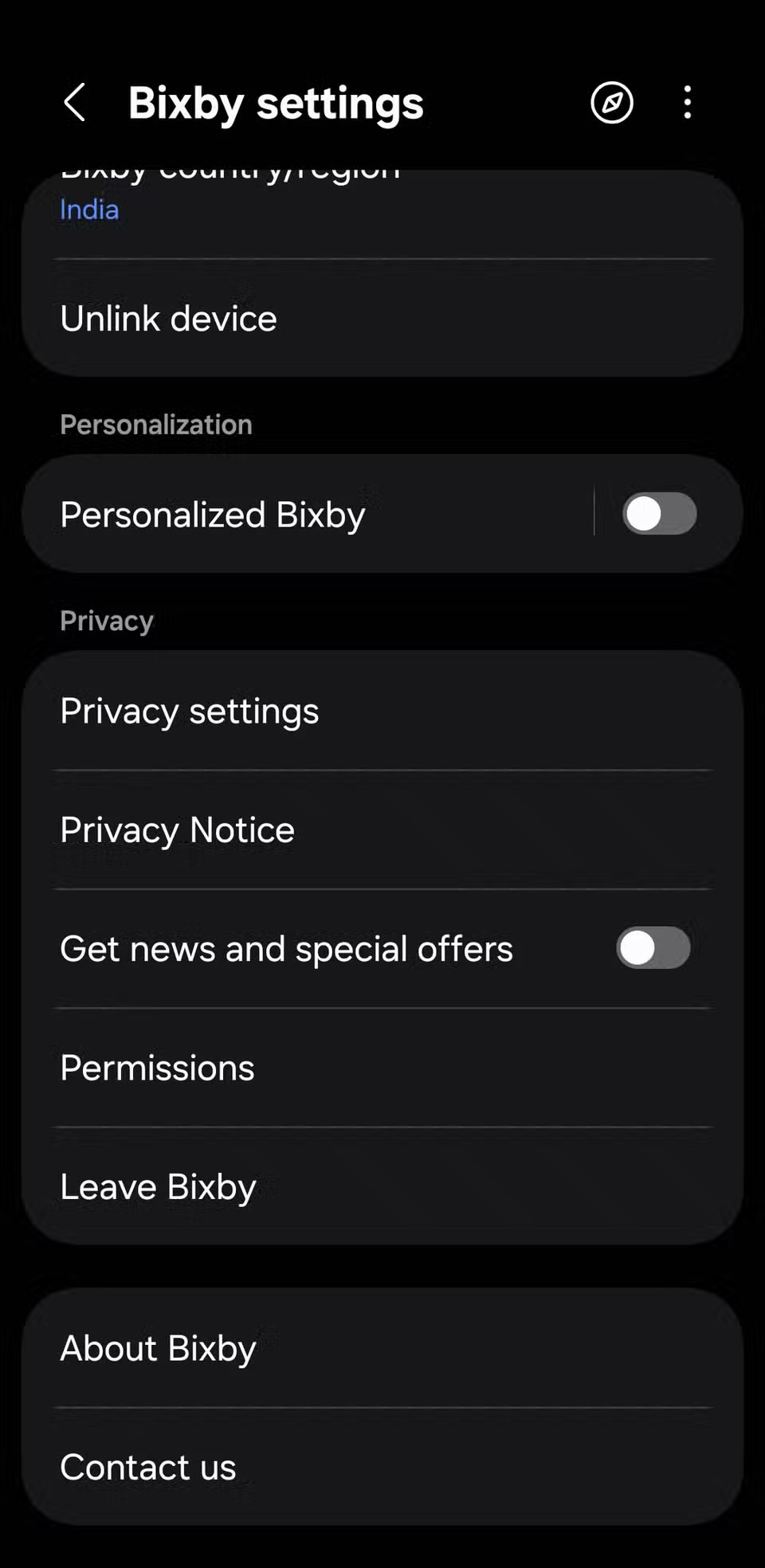
Bixby may not be Samsung's most popular feature, but it's deeply integrated into the system. And if you haven't disabled Bixby on your phone, you'll want to review the data Bixby can access.
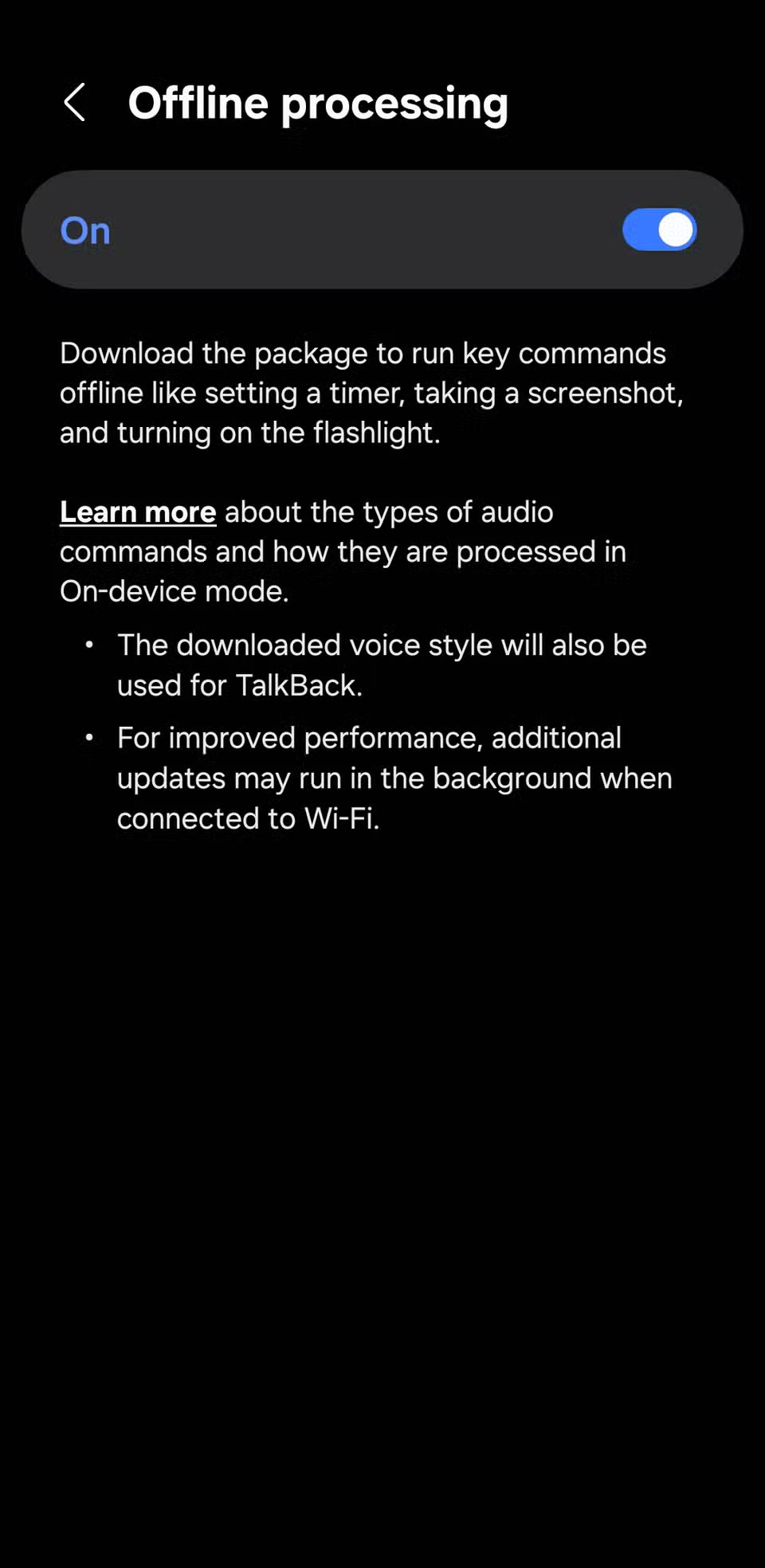
Start by going to Settings > Advanced features > Bixby . Here, tap Offline processing and make sure the feature is enabled. This will ensure that voice commands are processed directly on the device instead of being sent to Samsung's servers, whenever possible.
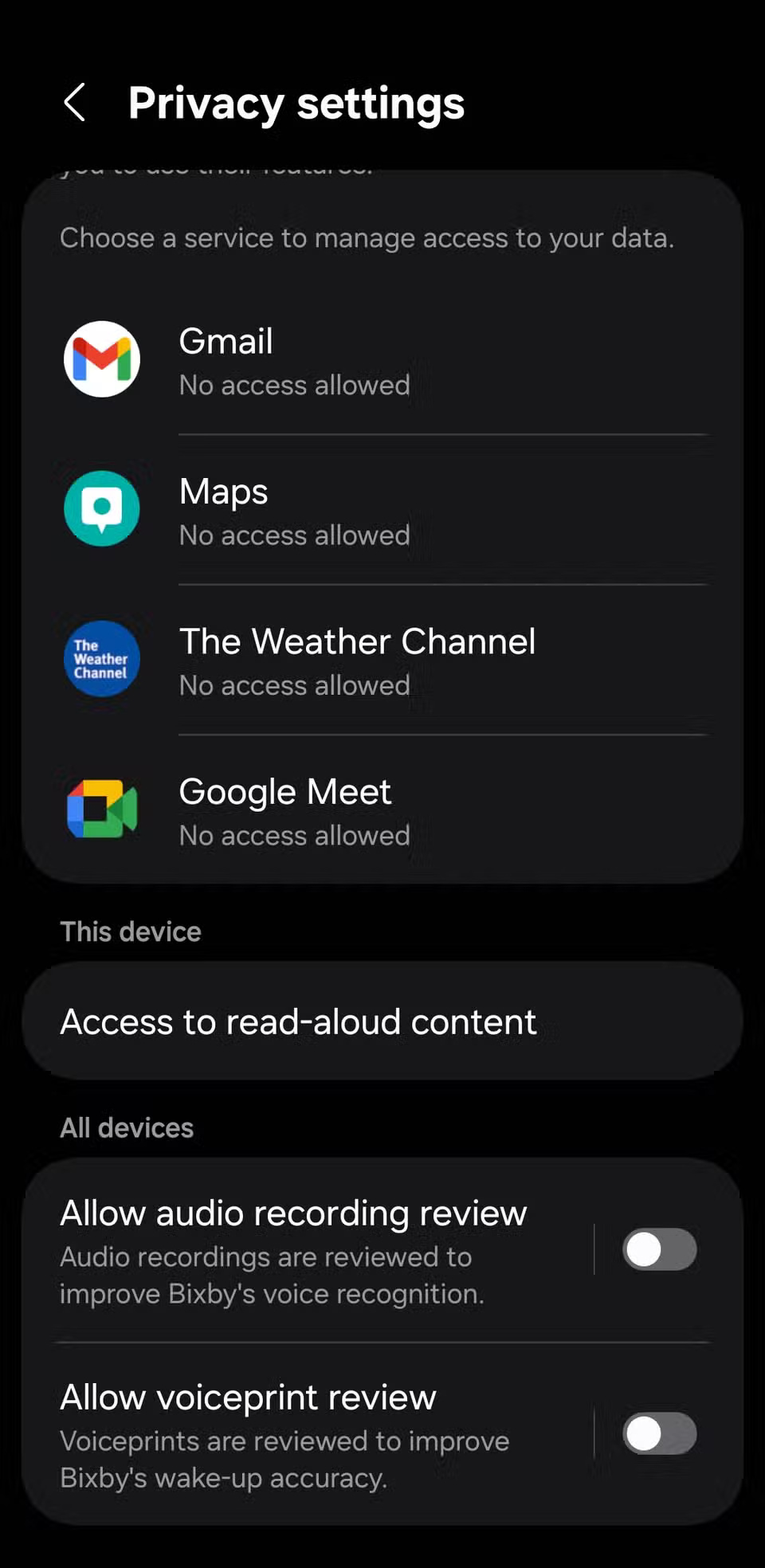
Next, scroll down and go to Privacy settings in the Bixby settings menu. Turn off both Allow audio recording review and Allow voiceprint review . These options allow Samsung to store and review voice recordings and fingerprint data, which is unnecessary if you're not comfortable with it.
1. Protect sensitive files with Secure Folder
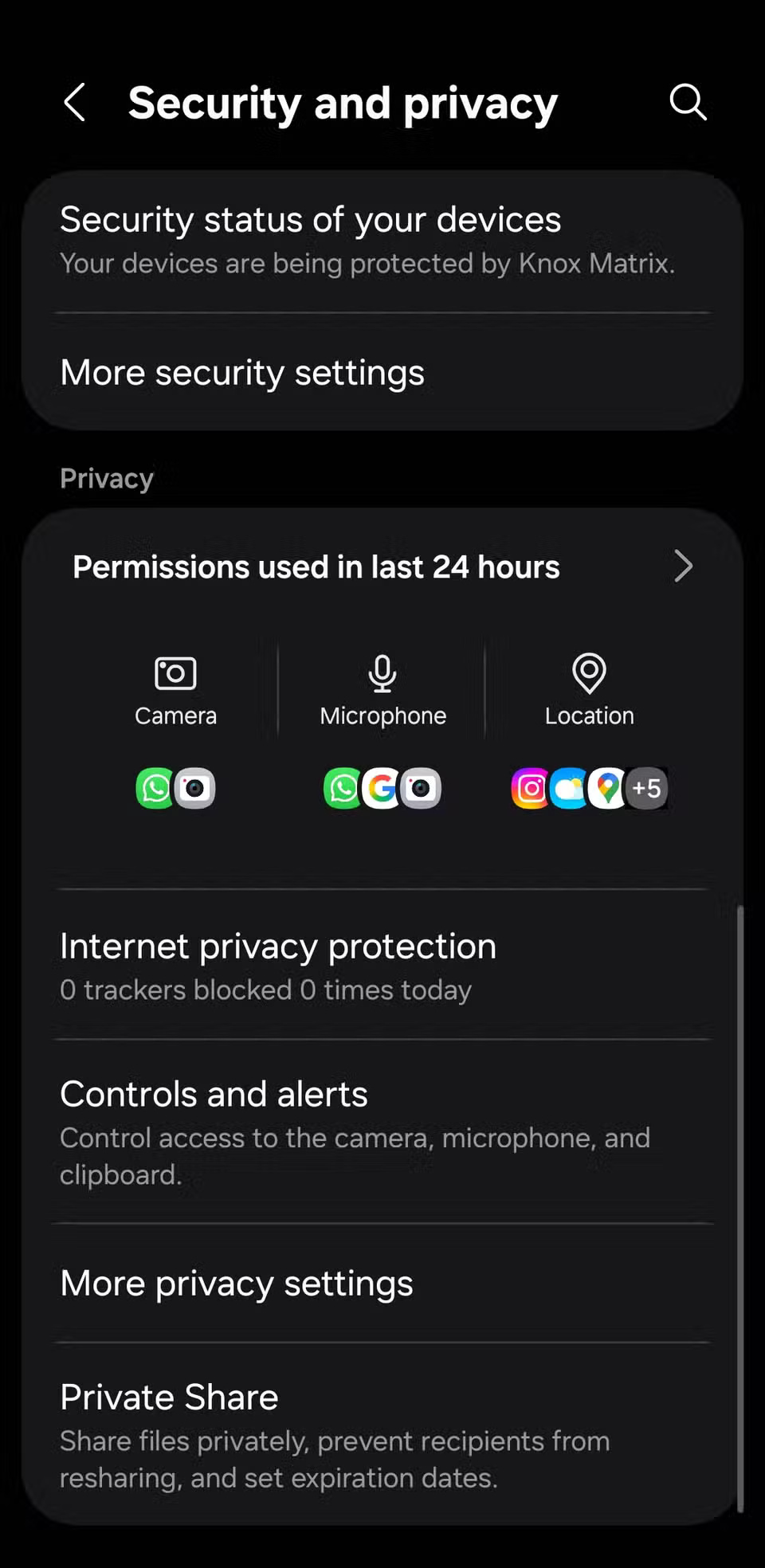
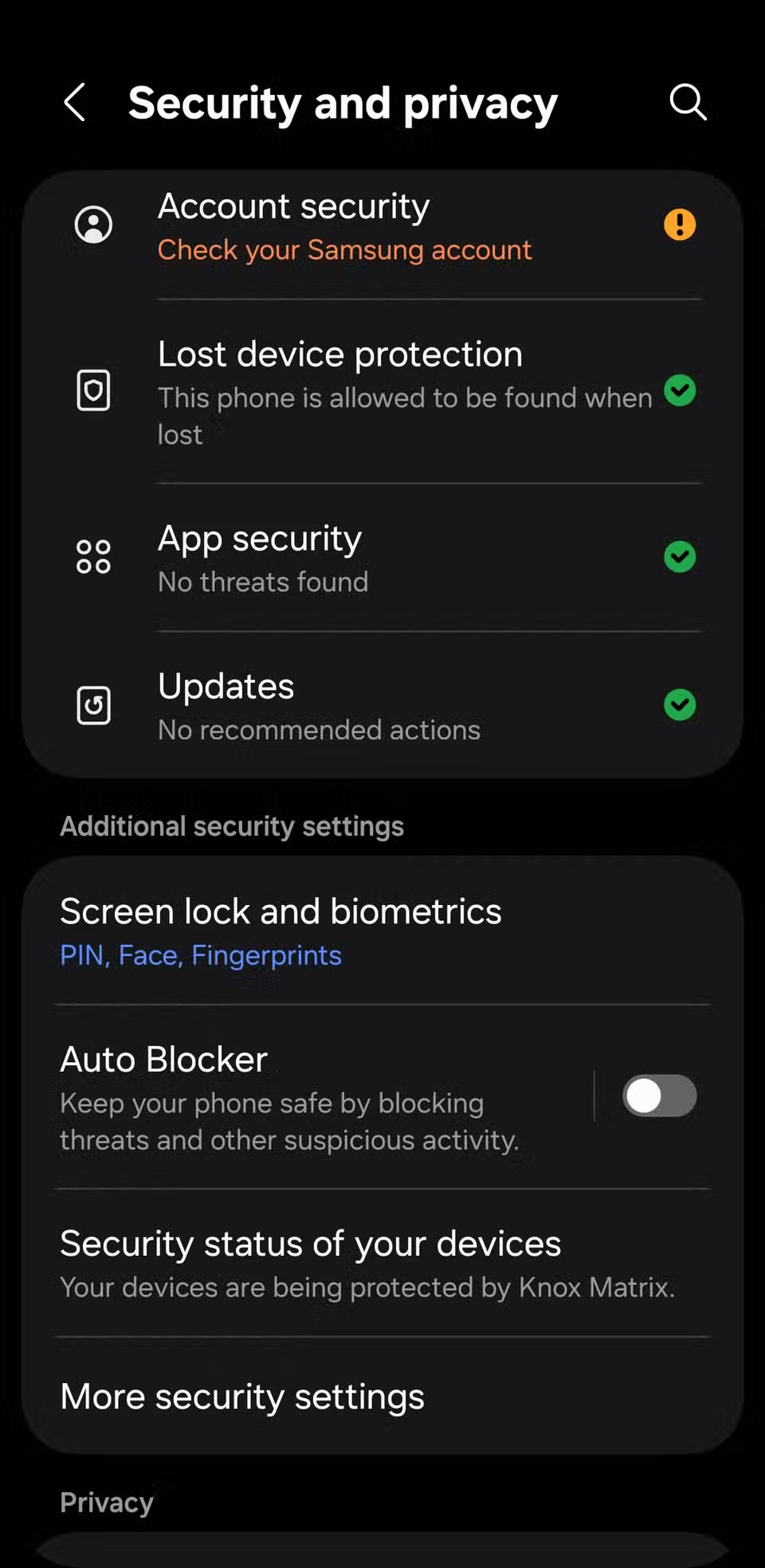
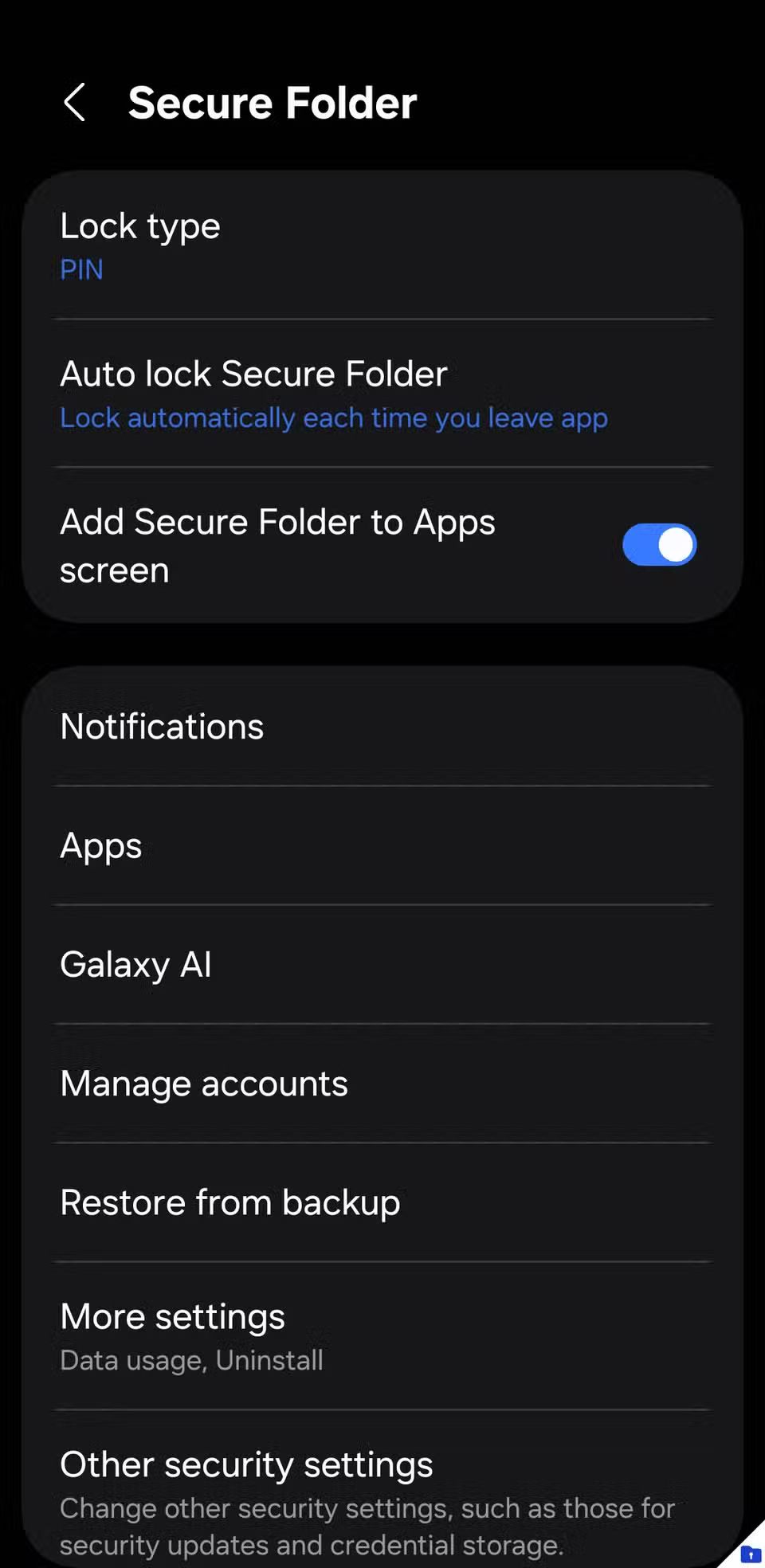
Secure Folder is a protected, encrypted space on your Samsung phone. It acts like a safe and keeps everything inside separate from the rest of your phone. Files and apps stored here won't show up in your main memory, gallery, or app drawer, and they can only be accessed after you unlock Secure Folder. It's an extra layer of security that keeps your data truly private.
To use Secure Folder, go to Settings > Security and Privacy > More security settings > Secure Folder , then follow the prompts to set it up. Once you're ready, you can move photos, videos, and files into it, or even add apps. This feature lets you run two instances of the same app, each with its own data. This is especially useful for messaging or banking apps, or if you keep separate accounts for work and personal purposes.
FAQ
What should you know about 6. Turn off Samsung Diagnostic Data Collection?
Samsung's "Send diagnostic data" feature is one of those settings that's enabled by default. According to Samsung, this data is used to improve the user experience and fix bugs. But if the idea of constant data collection makes you uncomfortable, you can turn it off.
What should you know about 5. Keep Galaxy AI data on the device only?
By default, Galaxy AI sends your interactions to Samsung's servers for processing, and the data is also used to improve the AI experience. However, if you want to keep everything on your device, there's a quick setting you can toggle to do just that.
What should you know about 4. Use Private Share for more secure file transfer?
You can share files from your Samsung phone all the time. But you don't have to rely solely on Android's Quick Share. Your Samsung phone has a feature called Private Share that's more privacy-focused.
What should you know about 3. Regularly review your Privacy Dashboard?
It's easy to forget that the apps on your phone are silently collecting data in the background. Some apps may only need limited access to function normally, but they can continue to tap into your location, microphone, contacts, and more. The Privacy Dashboard can help you see exactly which apps are doing what and how often.
Related Articles
 5 Facebook Privacy Settings You Should Know: Set up Privacy8 minutes read
 7 Simple Ways to Make Your Samsung Phone Look Less Boring8 minutes read
 These Settings Make Switching to Samsung So Much Better6 minutes read
 Facebook's New Privacy Policy Raises Questions6 minutes read
 Why Is Customization Service a Privacy Nightmare on Samsung Phones7 minutes read
 7 Fire TV Tweaks That Will Make Your Streaming Setup a Lot: Key Takeaways6 minutes read
Reader Comments 0
Sign in with email or Google to join the discussion.