Table of Contents
There is no permanent list of the 30 strongest Pokémon GO moves. Move power and availability change during balance updates, and a move that is excellent in raids may be poor in Trainer Battles. The right way to compare moves is to separate PvE from PvP, then evaluate damage, energy, timing, typing, and the Pokémon that can actually use the move.
Accuracy note: the rankings and move pools in the original article came from an early game version and contain values and type labels that are no longer reliable.
Fast Moves: damage and energy both matter
A Fast Move deals damage and generates energy for Charged Moves. In raids and Gym battles, useful metrics include damage per second, energy per second, and animation duration. In PvP, compare damage per turn and energy per turn.

A high-damage Fast Move can be slow at reaching Charged Moves. A lower-damage option may generate energy quickly and create more shield pressure. The better choice depends on the full moveset and battle plan.
Charged Moves: compare cost, damage, and effects
Charged Moves consume energy. A high-power move is not automatically efficient if it takes too long to reach, wastes energy, or provides poor coverage. In Trainer Battles, some Charged Moves can also raise or lower stats, adding value not captured by the power number alone.

Useful comparison points include:
- damage per energy;
- time or turns needed to reach the move;
- number of charge bars in PvE;
- chance and size of any PvP stat effect;
- whether the opponent is likely to shield;
- how the move covers the user's weaknesses or common counters.
Same-type attack bonus and type effectiveness
When a Pokémon uses a move that matches one of its own types, it receives the same-type attack bonus (STAB). Super-effective damage against the target can make a lower headline-power move more useful than a stronger neutral or resisted attack.

For raids, build counters around the boss's weaknesses and the actual moves available to each attacker. For PvP, balance a dependable same-type move with coverage that threatens common opponents.
Raids and PvP use different move data
| Metric | Raids/Gyms | Trainer Battles |
|---|---|---|
| Fast Move timing | Measured in real-time duration | Measured in turns |
| Charged Move value | Damage, energy bars, duration, and battle timer | Energy cost, damage, shields, and stat effects |
| Main goal | Deal enough damage before the timer expires | Win alignment, energy, and shield decisions |
| Ranking | Depends on raid boss and team | Depends on league, cup, and opposing meta |
A single website ranking that mixes the two formats without separate values is not suitable for move decisions.
Move availability can be limited
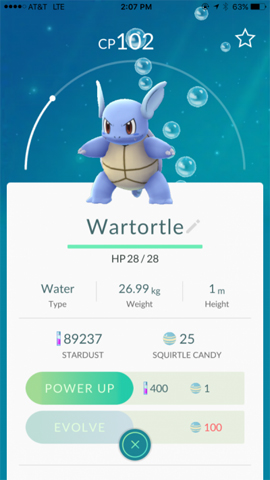
Some moves are in the ordinary Fast TM or Charged TM pool. Others are legacy or event-exclusive and may require an Elite TM or a specific evolution event. Before using resources, confirm that the desired move is currently obtainable.
- Use a regular TM only for moves in the normal pool.
- Preview Elite TM choices before confirming.
- Check upcoming event evolution windows.
- Do not remove an old move until you verify whether it is limited.
Why the old “top moves” table is misleading
The original table ranked early Fast and Charged Moves by a single DPS value and attached them to a limited first-generation move pool. Pokémon GO has since added many species, forms, moves, battle formats, stat effects, and balance changes. Several move assignments and type labels in that table are obsolete.
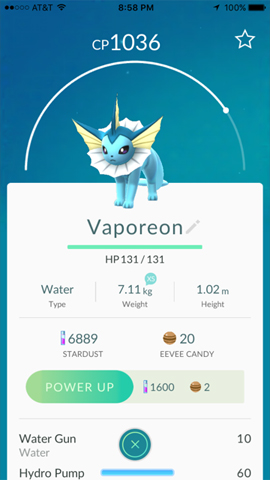
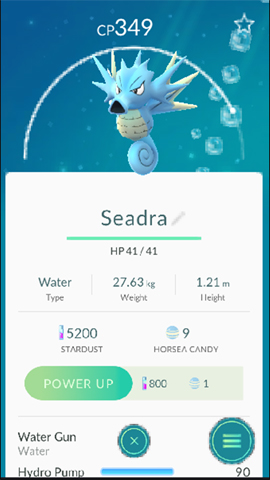
The remaining old screenshots have been omitted because repeating a historical ranking would make current team decisions less accurate.
A practical move-checking workflow
- Choose the battle format: raid, Gym, Great League, Ultra League, Master League, or a limited cup.
- Identify the target or common opponents.
- Confirm the Pokémon's exact form and current move pool.
- Compare Fast Move damage and energy generation.
- Compare Charged Move cost, damage, coverage, and effects.
- Check whether the desired move needs an Elite TM or event.
- Test the complete team rather than ranking one move in isolation.
Strong moves create value through the whole battle cycle. The best combination is the one that reaches useful Charged Moves at the right pace, applies relevant type pressure, and fits the format—not simply the move with the largest power number.
Related Articles
 You Should Not Ignore the Top 5 Easy to Catch Pokémon but Not Trivial7 minutes read
 How to Check Skills Some Kind of Pokémon Change4 minutes read
 Pokémon Systems When Fighting in Pokémon GO13 minutes read
 Maximum Index of Pokémon in Pokémon GO4 minutes read
 How to Create the Strongest Pokemon Team: Complete Guide26 minutes read
 Select Which Pokémon Occupy Gym in Pokémon GO?6 minutes read
Reader Comments 0
Sign in with email or Google to join the discussion.