Table of Contents
You can still explore some of the web’s earliest projects, from CERN’s restored first website to the San Francisco FogCam. Others, including IMDb and Bloomberg, survive as modern sites. Use the labels below to tell a historical copy from a site you can still use for its original purpose.
CERN’s first website
Restored site. Tim Berners-Lee proposed the World Wide Web at CERN in 1989. Its first website explained the project and how to use it. CERN’s history page leads to the restored site, where you can follow the original-style text links to see how the early web documented itself. Read CERN’s history and visit the restored site.

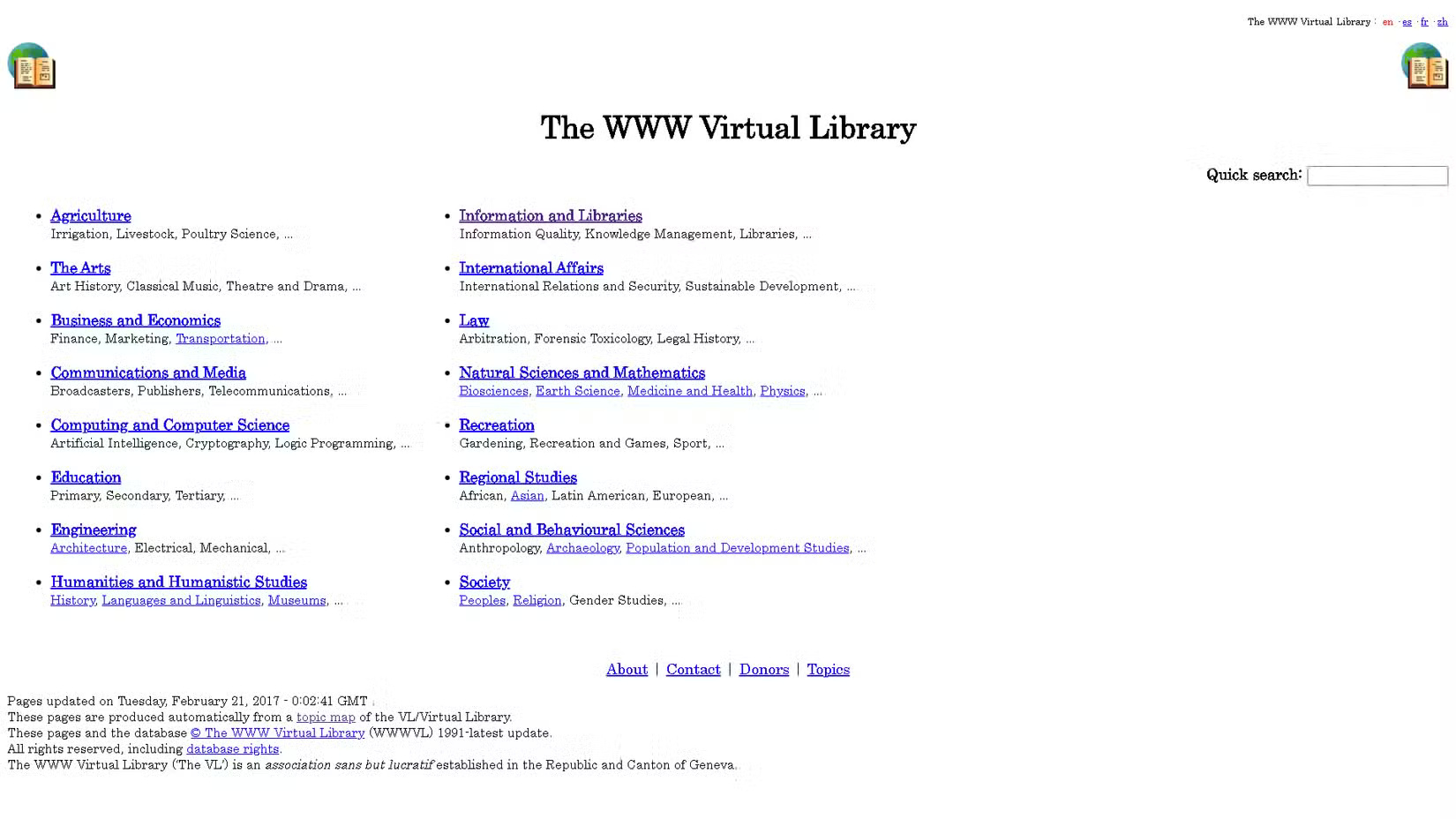
World Wide Web Virtual Library
Historic directory. Started by Berners-Lee in 1991, the Virtual Library organized links by subject. Its history page explains how volunteers built out the categories, a useful illustration of what finding information looked like before general-purpose search engines. Read the directory’s history.
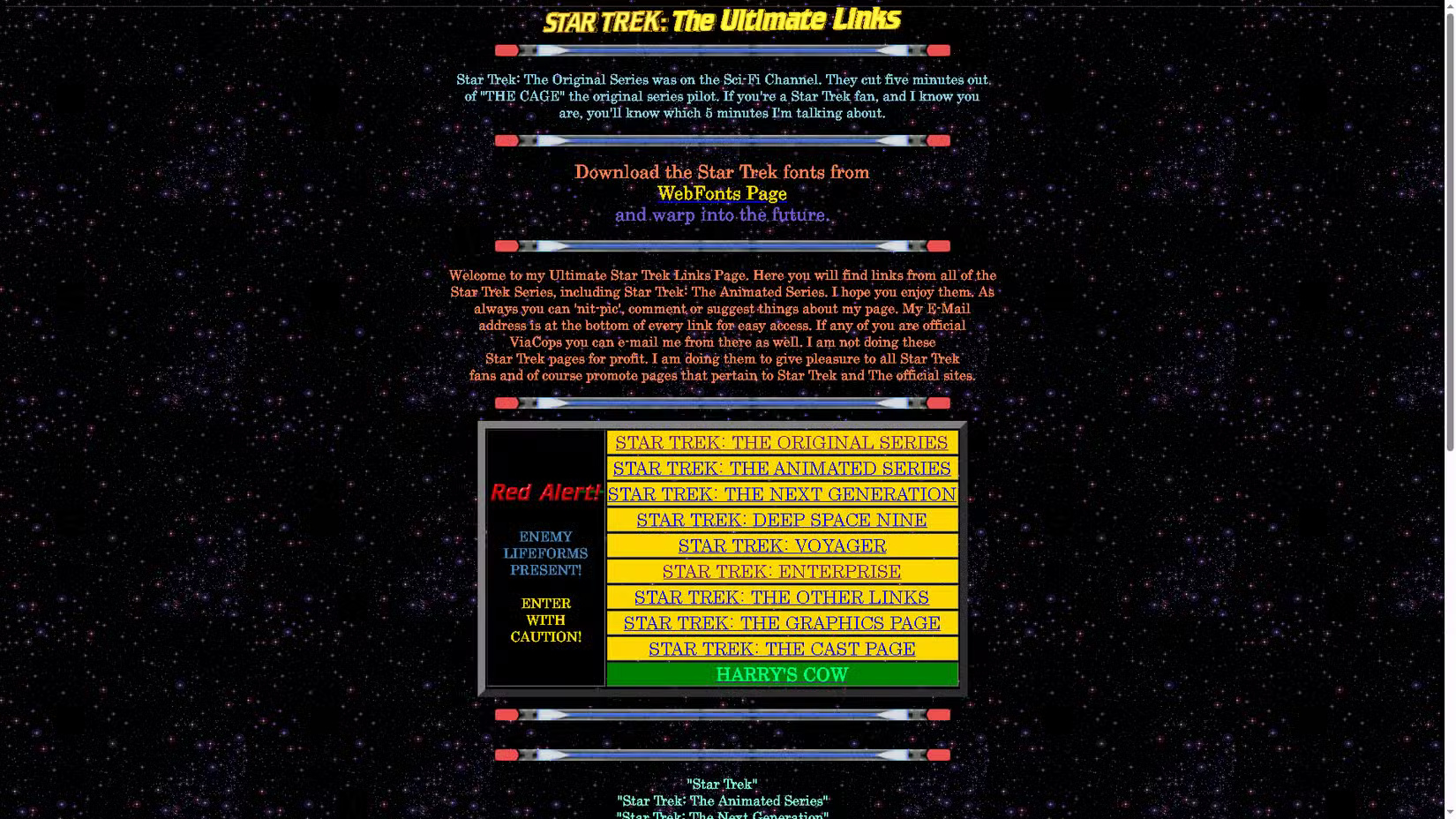
DrgnSlyr’s Star Trek links
Related archived fan site. DrgnSlyr’s site collected cast information, episode lists and starship pictures. If you want a browsable example of the same era’s fan culture, this archived 1999 Star Trek site has links, episode resources, web rings and period design. It’s a separate fan project. Visit the archived fan site.
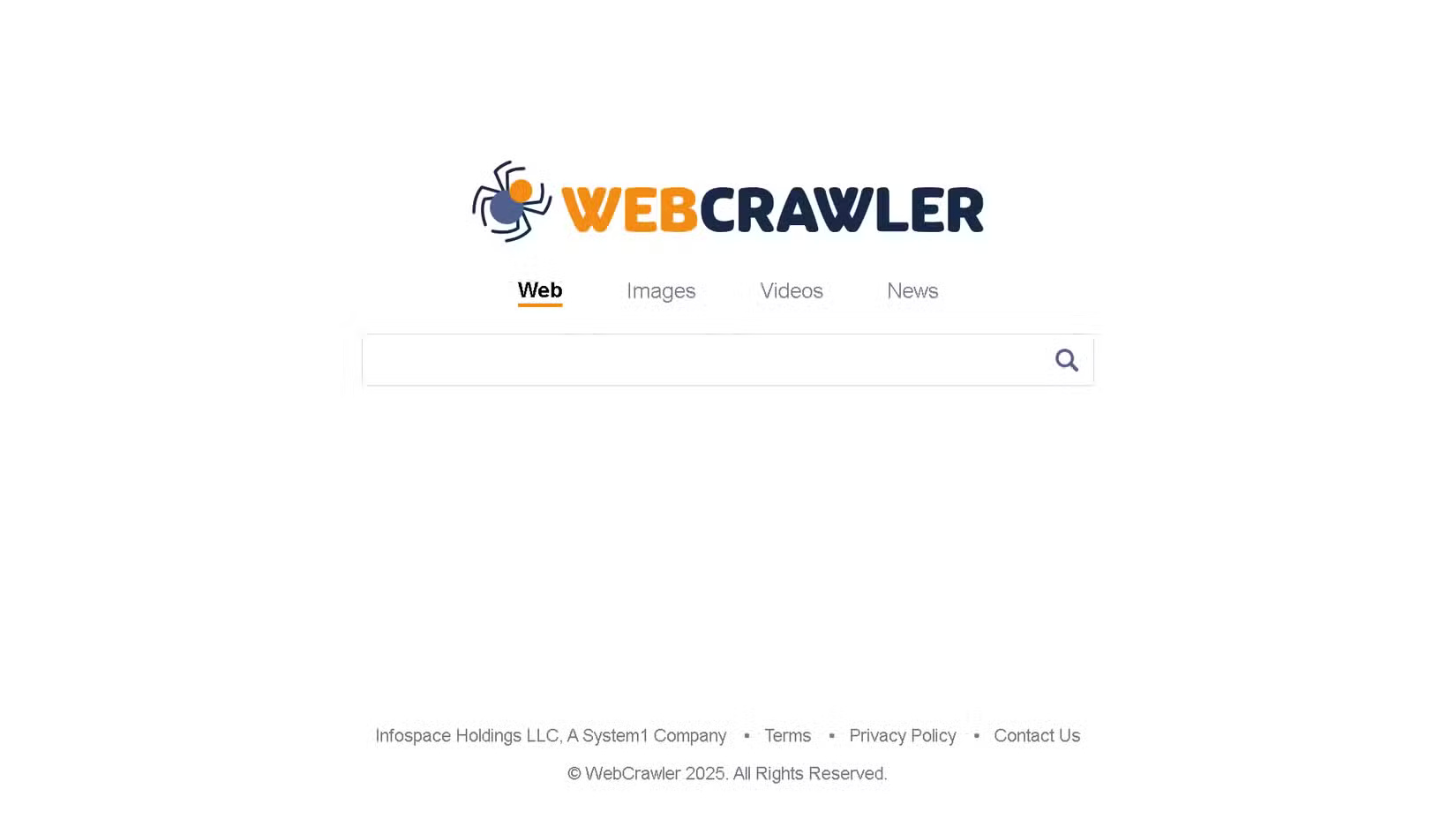
WebCrawler
Modern successor. Brian Pinkerton’s WebCrawler went online in 1994 and let users search words in the text of web pages. The current site is available under the same name, with a modern search interface. Visit WebCrawler.
Exploratorium
Museum history. The San Francisco science museum launched its website in 1993. Its anniversary timeline documents the early site. The museum kept using the web to share exhibits and experiments with people who couldn’t visit in person. Read the museum’s timeline.

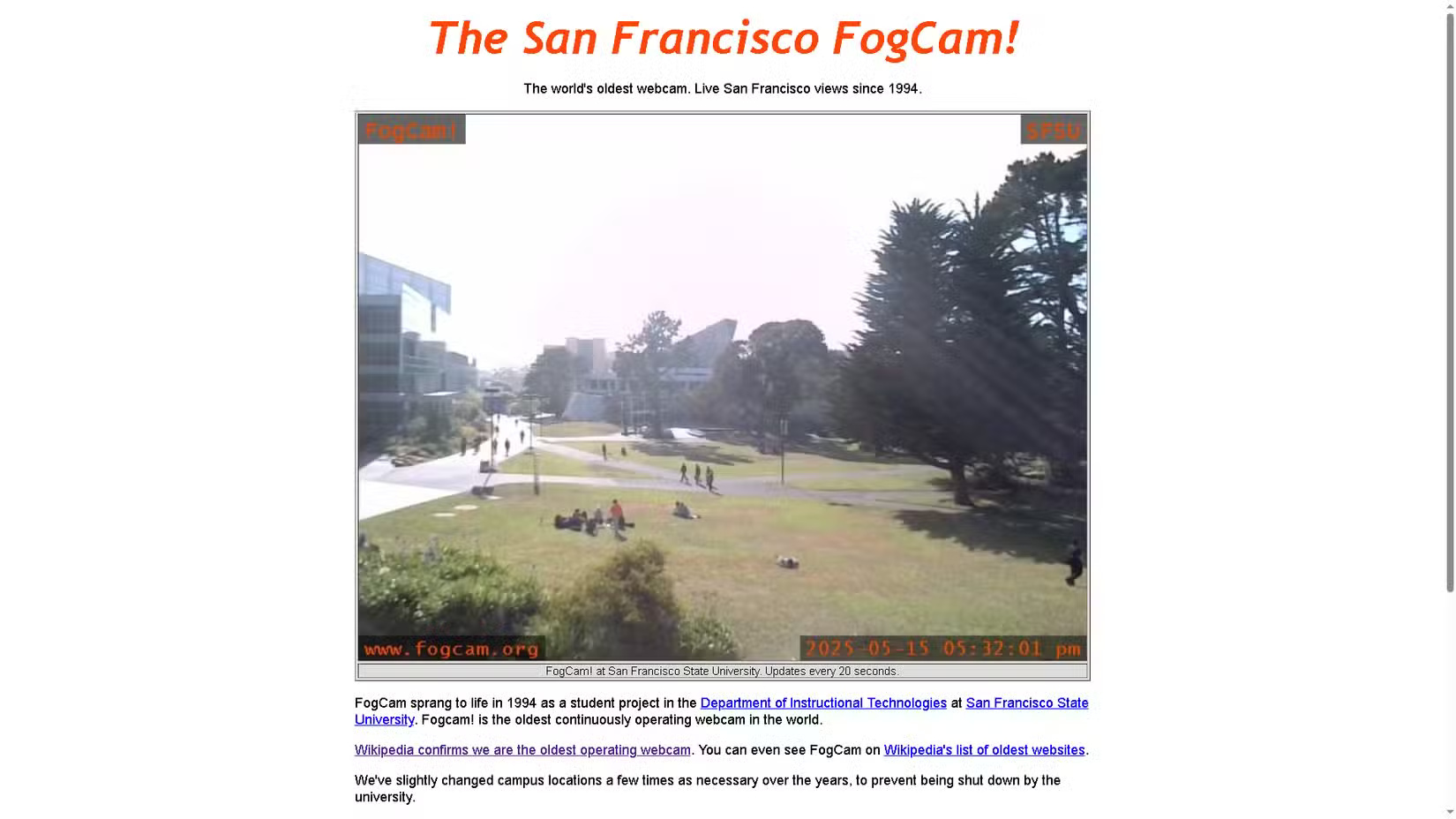
San Francisco FogCam
Webcam site. FogCam started in 1994 as a student project at San Francisco State University. The page displays a view from campus and explains why the camera has moved over the years. Visit FogCam.
Bloomberg
Modern publication. Bloomberg’s corporate timeline dates Bloomberg.com to 1993. Today the domain hosts business and market news. An archived snapshot gives a better sense of how the publication presented that information in the 1990s. Visit Bloomberg.
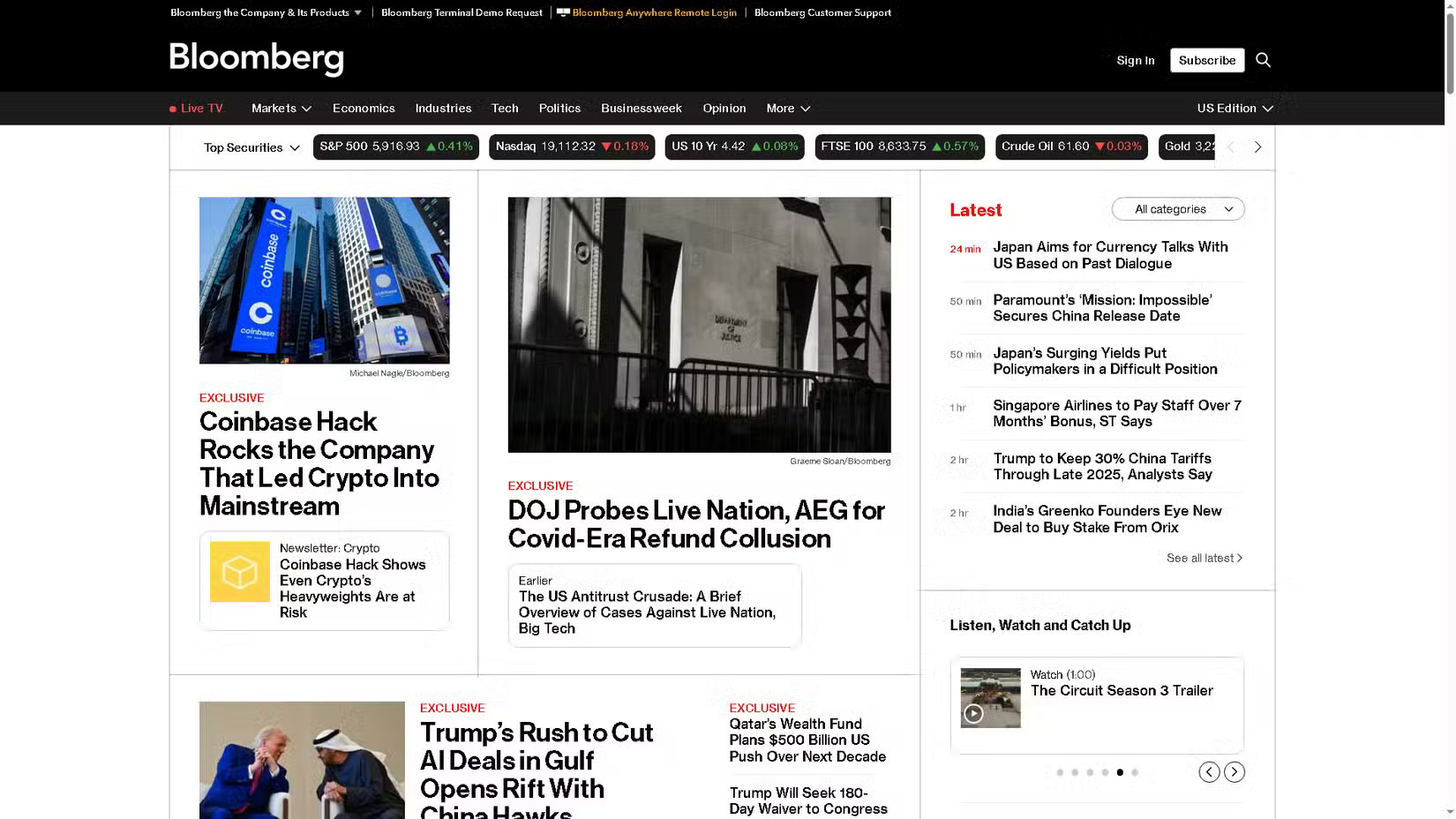
arXiv
Active research repository. arXiv began in 1991 as a way for researchers to share work quickly. It hosts papers in physics, computer science and other fields. When citing an arXiv paper, check the version and whether it has also appeared in a peer-reviewed journal. Browse arXiv.
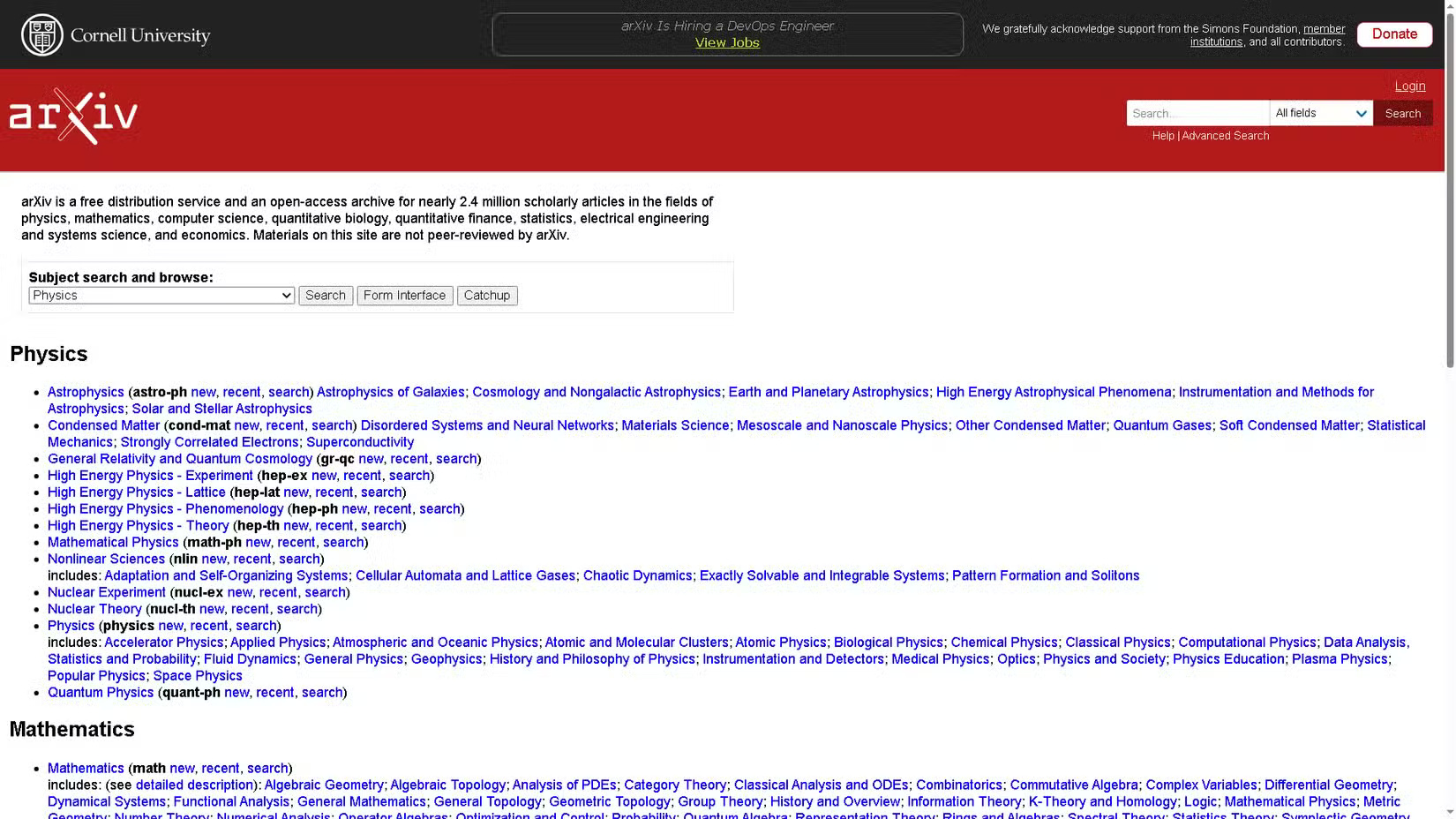
IMDb
Active film database. IMDb grew from movie lists shared on Usenet and moved to the web in 1993. Its current title pages still answer the kind of question that drove those lists: who appeared in a film or helped make it? Search IMDb.
Dole–Kemp campaign site
Archived campaign site. The 1996 U.S. presidential campaign used its site for speeches, news and interactive features. The Web Design Museum links to a preserved copy. Some features and media may fail because the original servers no longer provide them. Find the campaign site archive.

MTV.com
Historical record. Then-MTV presenter Adam Curry registered mtv.com in 1993. Contemporary reporting traces how the domain began. To see how MTV’s pages changed over time, look up mtv.com in a web archive and compare captures from different years. Read the contemporary account.
How to see what a site looked like in the 1990s
Enter the original domain in a web archive and select an early capture. If a snapshot lacks images or a link fails, try a nearby date. TipsMake’s guides to finding older pages with the Wayback Machine and other ways to view old versions of websites cover both options.
Related Articles
 At first, what do popular websites look like?
 22 Interesting Websites for Learning, Creativity, and Useful Breaks
 How to Install ActiveX on Windows XP
 Top 10 most popular websites in the world in 2019
 Theory - What is Active Directory?
 Apple has allowed iPhone 4, 4S, 5 and 5c activations after downgrading
Reader Comments 0
Sign in with email or Google to join the discussion.