Table of Contents
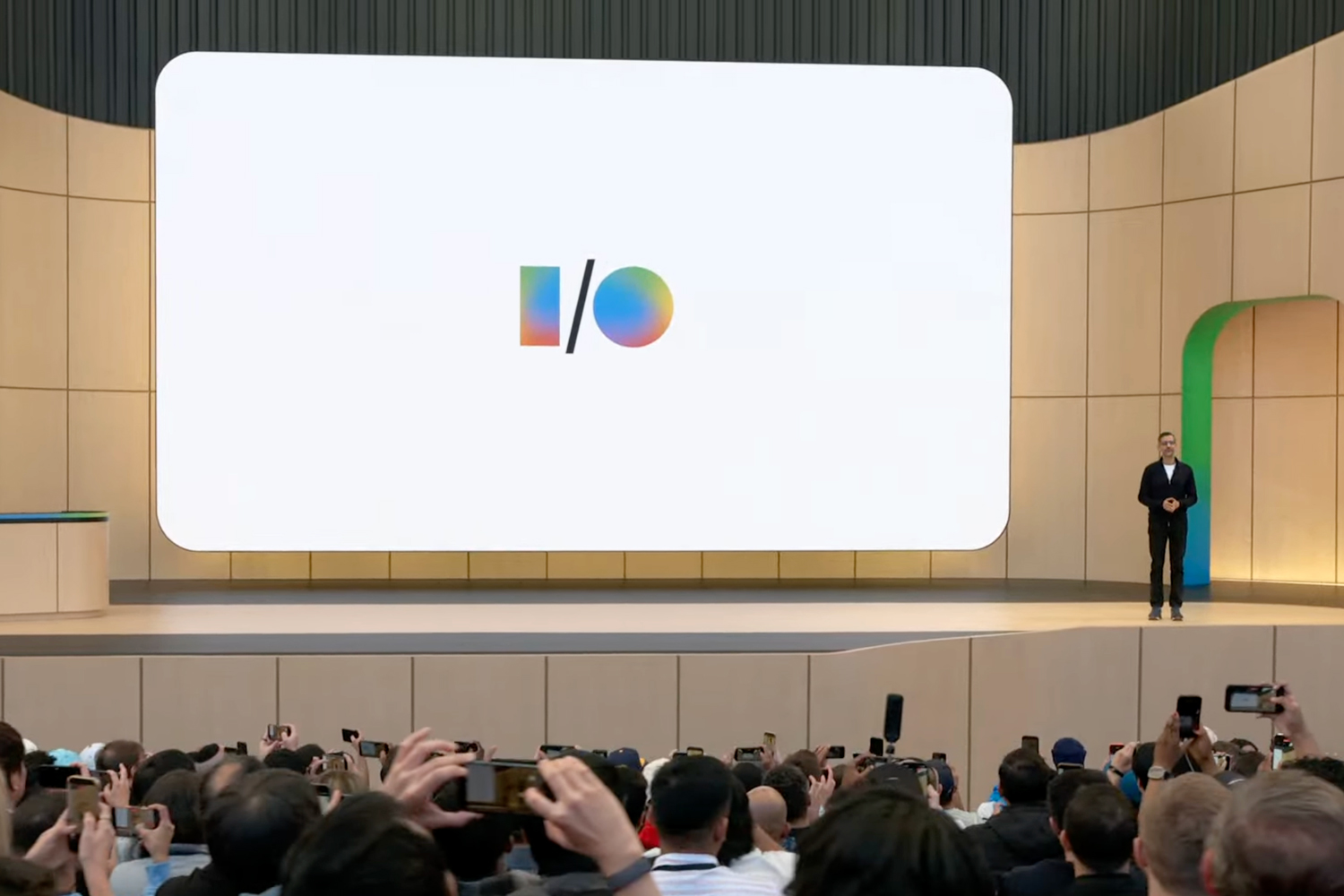
Google I/O 2026 took place May 19-20 at Shoreline Amphitheatre and online. The central message was an “agentic Gemini era”: Google presented new models and tools designed not only to answer questions, but also to build interfaces, work across connected services, and carry out longer tasks under user direction.
Gemini 3.5 Flash focused on agents and coding
Google launched Gemini 3.5 Flash as the first model in the Gemini 3.5 family. It emphasized complex, long-horizon workflows, coding, interactive interface generation, and a balance of capability and latency.
At I/O, Google made 3.5 Flash generally available through the Gemini API in Google AI Studio, Google Antigravity, Android Studio, and enterprise platforms. It also began rolling the model into AI Mode in Search and the Gemini app. Product availability has continued to change since the event, so developers should use the current model documentation rather than treating the keynote as a permanent availability list.
Gemini Omni started with multimodal video generation
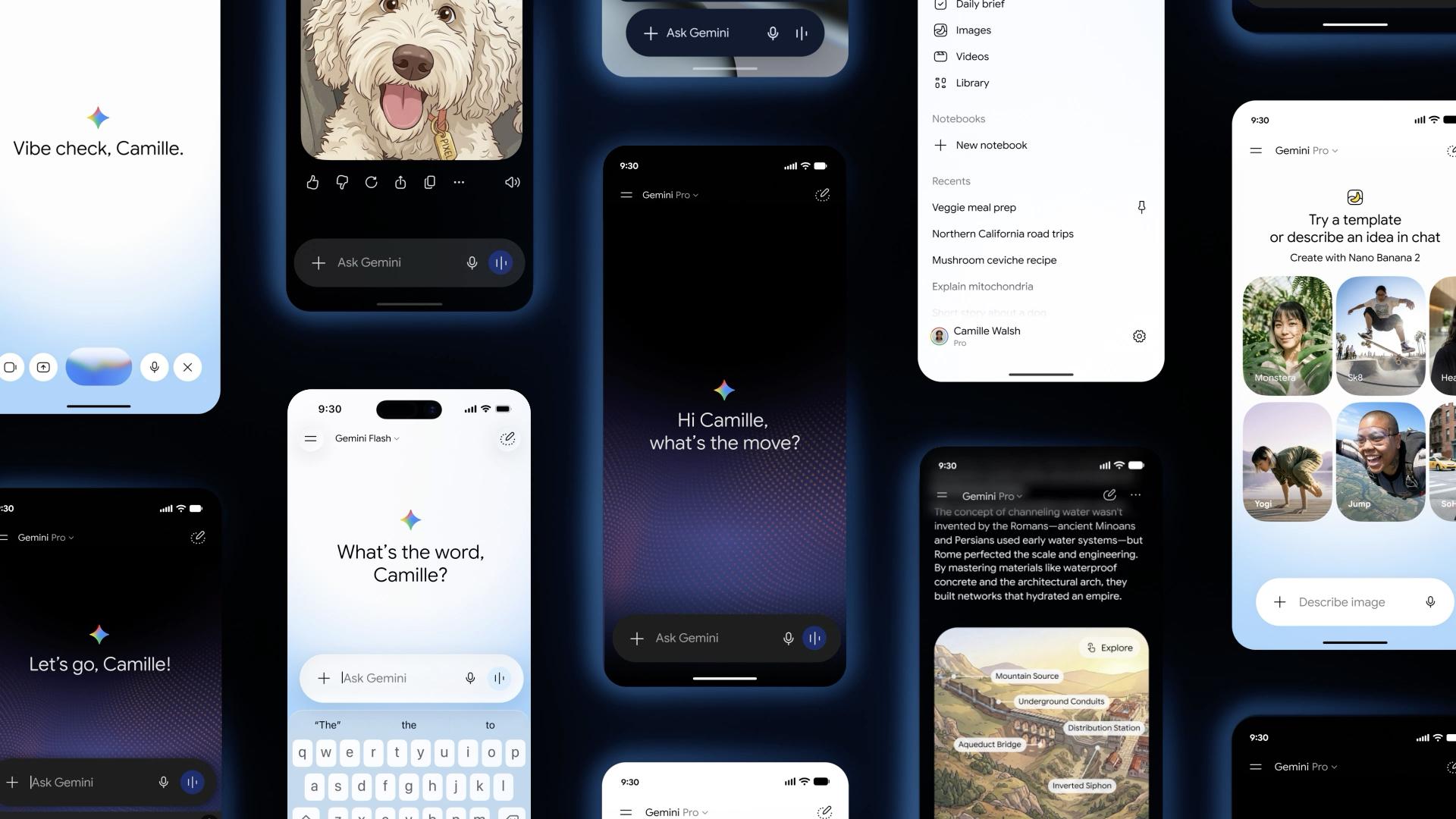
Gemini Omni is a model family intended to create an output from mixed inputs. The first release, Gemini Omni Flash, began with video: users can combine text, images, audio, and video as inputs, then generate or edit video through conversational instructions.
Google announced rollouts through the Gemini app, Google Flow, YouTube products, and later developer and enterprise APIs. The broader “anything from any input” vision is a roadmap, not proof that every output modality was available at launch.
Gemini Spark and Daily Brief moved toward proactive help
Gemini Spark was introduced as a personal agent powered by Gemini 3.5 Flash. Google described it as running on a dedicated cloud environment, using connected tools to work on longer tasks even when the user's computer is off. It initially rolled out to limited testers and eligible subscribers rather than becoming a universal feature on keynote day.
Daily Brief creates a personalized digest from connected sources such as Gmail, Calendar, and Gemini chats. It highlights priorities and suggests next steps. The initial rollout required an adult Google AI subscriber in the United States who had chosen to connect the relevant Google apps.
These features raise an important practical question: a proactive agent is only as trustworthy as its permissions, source data, audit trail, and ability to stop or correct an action. Users should review connected-app access and verify consequential output.
Search gained agentic tasks and generated interfaces
Google showed Search moving beyond a static answer page. Announcements included information agents that can monitor a request in the background, richer multimodal input, and Antigravity-powered generative interfaces that build a layout or interactive view for the query.
These experiences can be useful for complex research and comparisons, but an automatically generated interface may still contain incomplete sources or mistaken synthesis. The links and original data remain important, particularly for medical, legal, financial, and technical decisions.
Google AI Studio added native Android building
Developer announcements included native Kotlin support for prototyping Android apps in Google AI Studio, Google Workspace integrations, Firebase support, one-click deployment to Cloud Run, and project export to Google Antigravity.
The goal is to reduce setup between an idea and a working prototype. A prompt-built app still needs normal engineering work: source control, architecture review, secret management, accessibility, tests, dependency checks, privacy disclosures, and production monitoring.
Google's I/O 2026 developer keynote recap summarizes the announced development surfaces.
Android expanded across devices
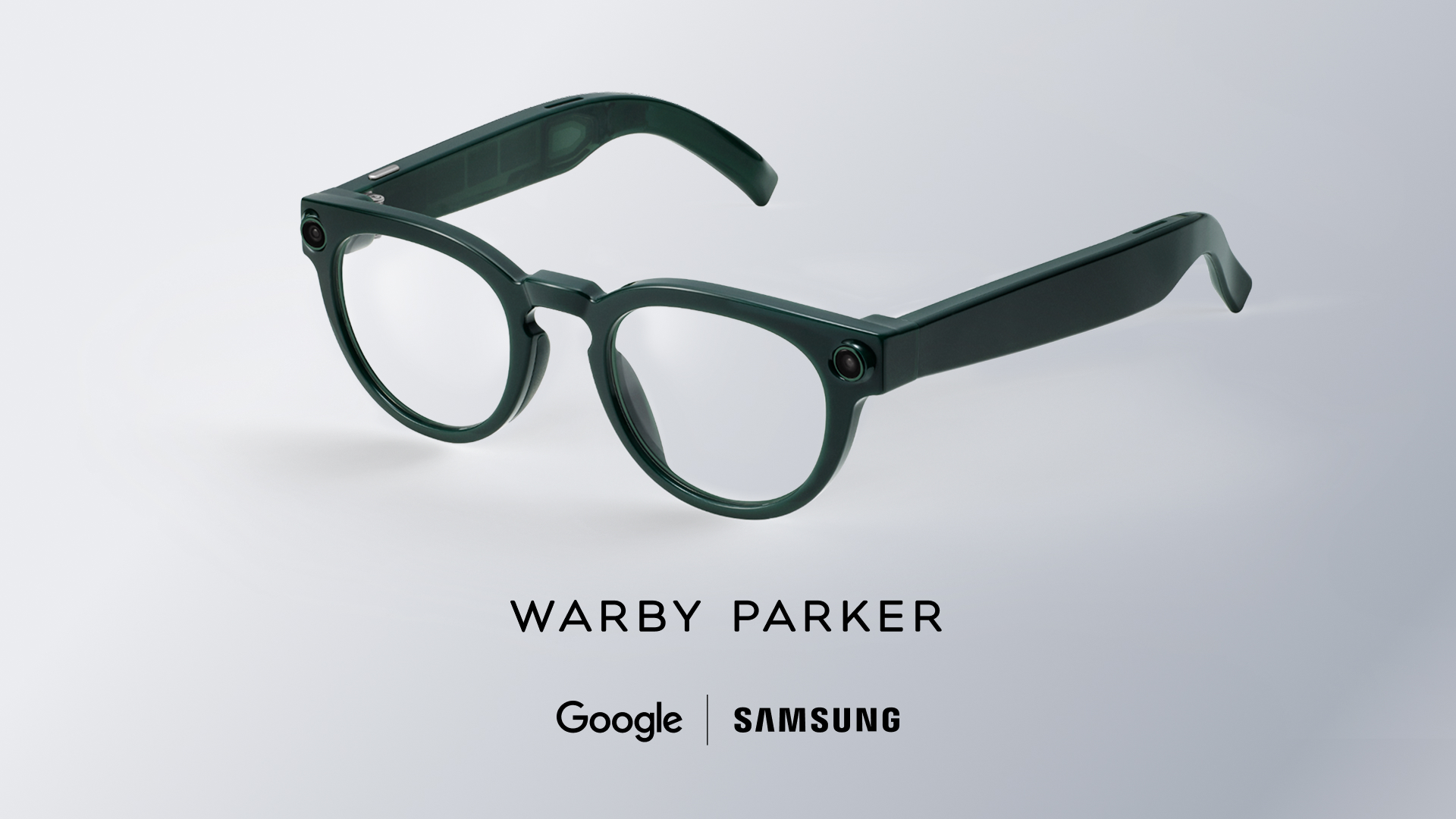
Google framed Android as a multi-device platform for Gemini experiences across phones, browsers, vehicles, XR, and intelligent eyewear. The company also announced new eyewear expected later in 2026. Specific hardware dates, countries, and features can differ by partner and should be checked at purchase time.
SynthID and Content Credentials expanded
Google said SynthID had been applied to more than 100 billion images and videos and 60,000 years of audio assets by I/O. It also announced wider Content Credentials and SynthID verification in products including Search and Chrome, plus additional industry partners.
Watermarks and provenance records can provide useful signals, but they do not prove that media is true, harmless, or unedited. Absence of a detectable mark also does not prove that content was created without AI.
What mattered most at I/O 2026
- Models: Gemini 3.5 Flash emphasized action and long-running work; Gemini Omni combined multimodal understanding with generative video.
- Consumers: Spark and Daily Brief pushed Gemini toward proactive, connected assistance.
- Search: generated interfaces and background agents aimed to turn queries into richer tasks.
- Developers: AI Studio moved closer to an end-to-end app prototyping environment, including native Android work.
- Trust: Google expanded watermarking and provenance signals as generated media became more capable.
For the complete set of launch posts and later clarifications, use Google's official I/O 2026 announcement collection.
Related Articles
 Gemini to Top Global Search Google Search 2025: Explained3 minutes read
 Google Search Android Encounters Strange Errors, Automatically3 minutes read
 Gemini 3.1 Pro or Gemini 3 Pro: Better?8 minutes read
 Google Launches Gemini 3: Surpasses GPT-5.1 on Many Important AI: Key Details4 minutes read
 Google Starts Inserting Ads into AI Mode Search Results: What to Know4 minutes read
 Google Search Upgrades Its AI Mode: Canvas Can Now Write, Plan, and Program Applications5 minutes read
Reader Comments 0
Sign in with email or Google to join the discussion.