Table of Contents
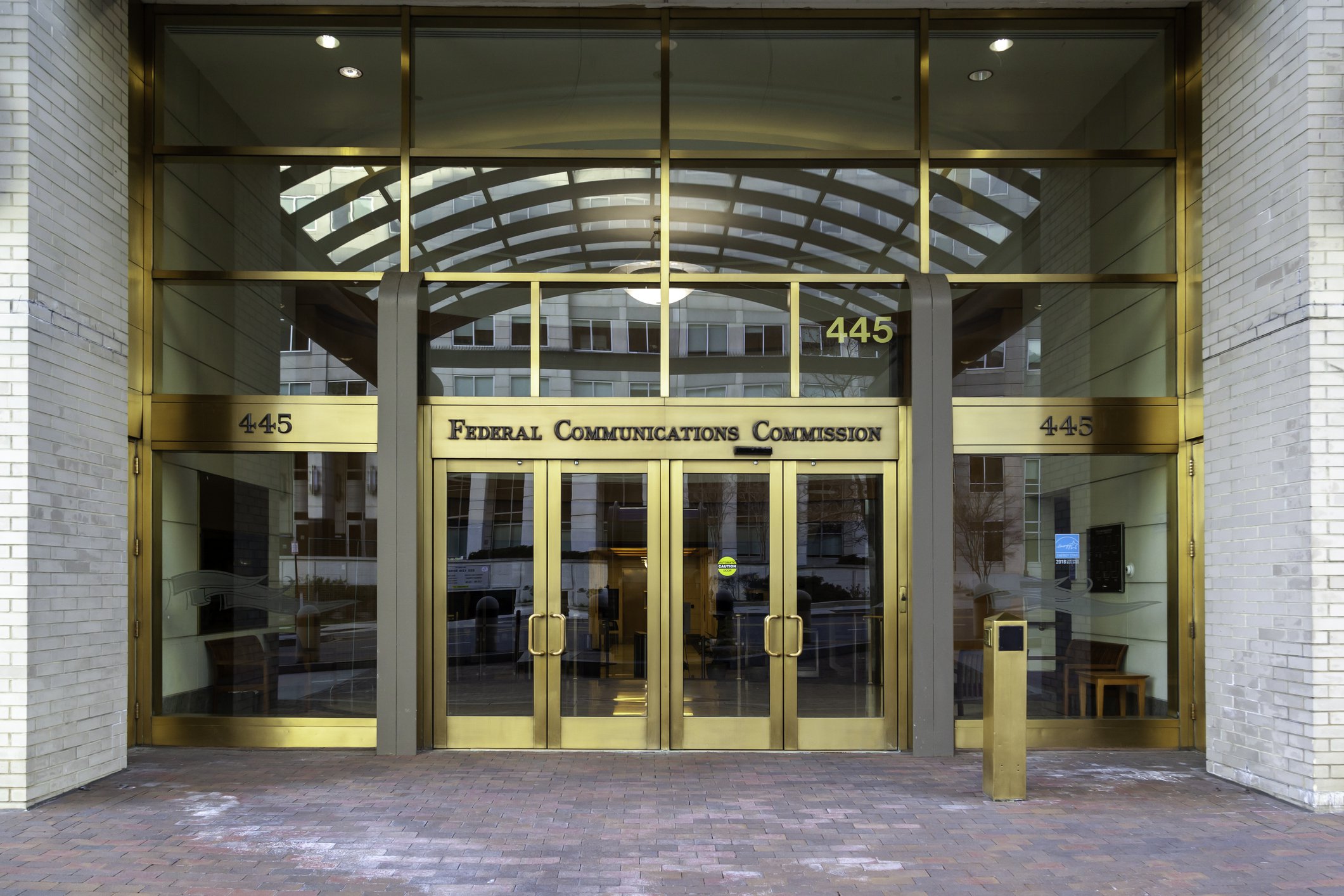
The Federal Communications Commission approved Verizon's $1 billion purchase of selected wireless spectrum licenses from Array Digital Infrastructure, the company formerly known as UScellular. The approval was issued on May 14, 2026, and Array announced that the transaction closed on June 1. Verizon says the licenses will add coverage and capacity in the local markets where they apply.
What Verizon acquired
The licenses cover parts of the cellular, AWS-1, AWS-3, and PCS bands. According to the FCC order, the applications involved 618 counties in all or part of 140 Cellular Market Areas across 19 states, representing about 8% of the U.S. population.
- Up to 25 MHz of cellular spectrum in relevant markets
- Up to 20 MHz of AWS-1 spectrum
- Up to 10 MHz of AWS-3 spectrum
- Up to 20 MHz of PCS spectrum
These are local license holdings rather than one uniform nationwide block. A Verizon customer should not expect an immediate network change everywhere.
Why the FCC approved the transfer
The FCC reviews wireless-license transfers under the public-interest standard. Its analysis considers the spectrum each carrier would hold after the transaction, the competitors present in each market, and whether the deal could raise rivals' costs or reduce consumer choice.
The transaction did not trigger the FCC's overall spectrum screen. It did trigger enhanced review of below-1 GHz holdings in 98 local markets, covering about 6% of the U.S. population. The agency reviewed those markets individually and concluded that the likelihood of competitive harm from this transaction was low.
Several groups, including the Rural Wireless Association and public-interest organizations, raised broader concerns about concentration and the effect on rural or smaller carriers. The FCC found that the record did not demonstrate transaction-specific harm sufficient to block the license transfers.
Why low-band spectrum matters
Lower-frequency signals generally travel farther and penetrate buildings more effectively than higher-frequency signals, although real performance also depends on bandwidth, interference, radio equipment, network design, and terrain. That makes below-1 GHz spectrum useful for wide-area and indoor coverage.
A license alone does not improve service. Verizon must integrate the frequencies into its radio network, deploy compatible equipment, configure capacity, and provide adequate backhaul. Any customer benefit will therefore vary by market and deployment schedule.
How Array relates to UScellular
UScellular sold most of its wireless operations and a portion of its spectrum to T-Mobile in a transaction that closed in 2025. The remaining company adopted the name Array Digital Infrastructure and continued monetizing retained spectrum while operating its tower infrastructure business.
Array said the Verizon sale was part of that strategy. Its June 1 announcement reported total consideration of $1 billion and confirmed the closing, moving the story beyond regulatory approval.
What the deal could mean for customers
In markets where the acquired spectrum is deployed, Verizon may be able to improve coverage, relieve congestion, or add capacity for mobile and fixed-wireless traffic. The precise outcome will depend on how much spectrum was acquired in that market and how quickly Verizon puts it into service.
The deal does not itself change a subscriber's plan, device, price, or coverage guarantee. Customers should use Verizon's current coverage information and real-world testing in their area rather than treating a national acquisition announcement as proof of a local improvement.
The competitive question remains
The FCC's approval addresses this set of license transfers; it is not a general finding that consolidation can never harm competition. Former UScellular assets have been divided among larger carriers, so regulators and market participants will continue to watch spectrum access, roaming, rural coverage, and consumer choice.
The most concrete facts are that the FCC approved the applications, found a low likelihood of transaction-specific competitive harm after enhanced review in certain markets, and Array subsequently closed the $1 billion sale. Claims about future speed or coverage remain expected benefits until deployment produces measurable results.
Read the FCC approval order and Array's closing announcement for the primary documents.
Related Articles
 10 Leading Telecom Companies in the World4 minutes read
 How to Activate a New Verizon Wireless Phone: Step-by-Step Guide12 minutes read
 Reviews on the Tower of the Approval - Together 'to the Top'11 minutes read
 How to Enable Admin Protection in Windows Approval Mode: Step-by-Step Guide3 minutes read
 Common Spectrum Modem Issues and How to Solve Them9 minutes read
 How to Use a Private Router with Verizon FiOS: Practical Guide8 minutes read
Reader Comments 0
Sign in with email or Google to join the discussion.