Table of Contents
This updated guide examines Why Is Hail? and organizes the essential facts, background, and practical takeaways in clear American English.
Hail usually occurs in the summer, formed in the context of strong atmospheric convection and thunderstorm clouds.
Hail usually occurs in the mountains, areas adjacent to the sea or the mountains. In Vietnam, hail can occur in all regions.
Mechanism of hail formation, you can watch in the video below.
Hail falls at high velocity in the atmosphere. The bigger the size, the heavier the weight, the higher the hail falling velocity. The average velocity of hail grain ranges from 30 - 60m / s, even up to 90m / s. At such a high speed, falling hailstones can cause severe damage to trees and vegetables, even causing severe damage to corrugated iron roofs.

Recognize the impending hail phenomenon
We can identify imminent hail based on a number of weather features such as:
During the day, strong thunderstorms make continuous "buzzing, roaring" sounds, dark clouds cover the sky, shaped like breasts, and the air temperature cools very quickly. Thunderstorms at night, the wind is blowing suddenly, the weather is suddenly cold.
If sprinkling a few raindrops along with the above phenomena, it is likely that hail will occur, people need to find a safe hiding place immediately.
FAQ
What is Why Is Hail about?
It provides a structured overview of hail, explains the main context, and highlights practical takeaways for readers.
Why does this topic matter?
Understanding the main concepts helps readers evaluate the issue, avoid common mistakes, and make better-informed decisions.
How should readers use this information?
Use the guidance as a practical starting point, confirm details that may have changed, and follow current product, safety, or security recommendations.
Related Articles
 New Discovery: Iron Snow Rains Are Happening Inside the Earth's3 minutes read
 Amazing Records of the Weather in Human History5 minutes read
 'Sky Monster' Is Real!3 minutes read
 How to Snatch 10,000 Diamonds from the Hail Loc Free Fire Event3 minutes read
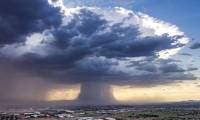 'atomic Cloud' - Extremely Rare and Dangerous Weather Phenomenon3 minutes read
 How to Play Pokémon GO on a Computer6 minutes read
Reader Comments 0
Sign in with email or Google to join the discussion.