Table of Contents
Why 4K TVs Aren't for Everyone is easier to approach with a clear overview and reliable steps. This guide organizes the essential information, highlights practical details, and explains what to check along the way.
Key Takeaways
- Review not all content is available in 4K.
- Explore internet speed may limit video quality.
- Understand screen size and viewing distance play an important role.
Not All Content Is Available in 4K
The quality of the picture they can produce depends on the source of the picture while TVs can boast a range of superior picture quality features. For instance, if you're watching broadcast or free-to-air TV, the picture quality you see will be limited by the source signal. Most channels only broadcast content in standard and high definition, so if you're watching a 720p broadcast on a 4K or 8K TV, you'll see the same quality picture as someone with a 1080p screen.

Even if you have a 4K TV that can upscale, it can't broadcast standard definition and natively convert it to 4K. Lower resolution images look terrible on a high-definition TV because the image can't fill all the pixels, so upscaling will try to fix that. However, while upscaling can certainly improve the image, it can't match the quality of native high-definition content, like Blu-ray.
Internet Speed May Limit Video Quality
You can pay extra for Netflix 4K, but can you actually watch 4K content? Maybe. It all depends on whether your internet speed can handle the bandwidth required to stream in ultra-high definition.
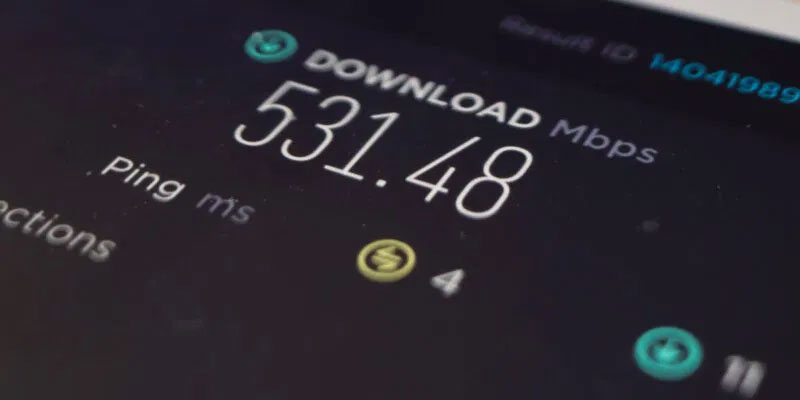
It's important to remember that streaming services will always prioritize uninterrupted playback over buffering. You can pay for 4K content, but if your internet connection doesn't support it, the platform will often scale the resolution down to avoid buffering.
Screen Size and Viewing Distance Play an Important Role
As you increase the screen size while keeping the resolution the same, the number of pixels per inch (PPI) decreases, resulting in a decrease in image sharpness. Ultra-high resolution may not be noticeable on a smaller screen, but on a larger screen, the extra pixels provided by an ultra-high-resolution TV will produce a sharper image. The general rule seems to be that any TV with a panel of 50 inches or larger should be 4K or better.
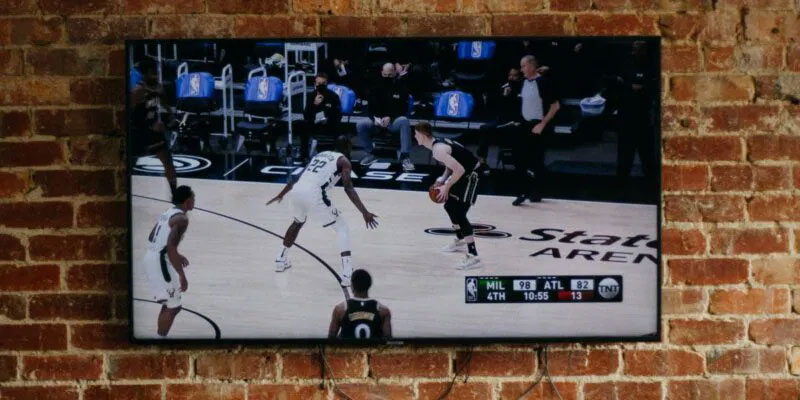
The distance between you and the screen will also affect the clarity of the image. Generally speaking, a smaller screen with a lower resolution, such as 1080p, will be sufficient for smaller spaces. However, the closer you are to the screen, the easier it is to see every pixel. Sitting closer lets you see all the detail that a 4K TV can do. Check out: How to Measure Your TV Screen Size to Determine Where to Place It, to help you decide if you're still unsure about viewing distance and screen size.
The Type of Screen and Other Components Are Also Important
There are many nuances when it comes to TVs while resolution may be the most obvious feature. Different technologies are incorporated into new TVs – affecting the viewing experience and picture quality. For instance, a 4K OLED TV and a standard 4K LED TV have the same resolution. However, OLED panels have pixels that light up and turn off individually, allowing for more detailed control over brightness and color saturation. This results in superior picture quality.
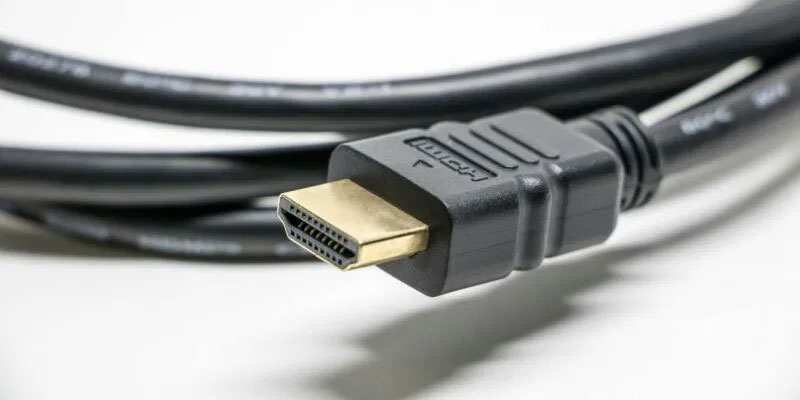
Additionally, HDR-enabled TVs can make a big difference because they widen the range between the brightest and darkest parts of an image, providing more depth. Finally, remember that not all HDMI cables are created equal. You'll also want to upgrade your cables if you opt for a 4K TV. High-speed HDMI cables support faster refresh rates, which is great for ultra-high-resolution content. Additionally, newer HDMI standards like HDMI 2.1 support higher frame rates and advanced audio formats.
When Does 4K Quality (or Better) Really Make Sense?
Stream
As mentioned earlier, source quality is the number one factor in picture quality. Unfortunately, cable and broadcast TV, many video streaming platforms offer content in 4K, HDR (High Dynamic Range), and sometimes even 8K.
Gamer
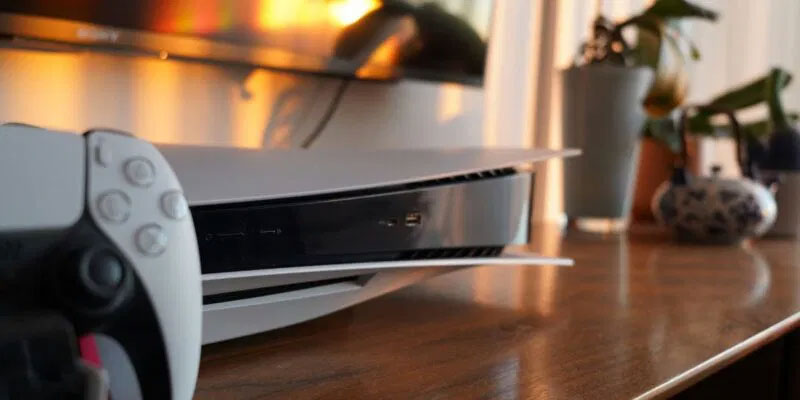
Those who use their TVs to play games, especially on next-generation consoles like the PlayStation 5 or Xbox Series X, will benefit from a 4K TV. High-end TVs often boast faster refresh rates, which can help games run smoother and more seamlessly. In addition to 4K resolution support, a host of other premium features can take gaming to the next level, at least visually. Faster refresh rates also reduce input lag.
Movie Buff
High-end TVs with high resolution, OLED or QLED panels, HDR (High Dynamic Range), and Dolby Atmos or DTS:X audio can deliver an immersive, cinema-like viewing experience in your home. But again, remember that picture quality depends largely on the source, so you may want to stick with physical media like Blu-ray.
Final Thoughts
The most reliable way to handle why 4K TVs aren't for everyone is to follow the process in order, verify each important setting, and test the result before moving on. Use the guidance above as a practical reference, then adjust the details for your device, software version, or specific goal.
FAQ
What should I know first about Why 4K TVs Aren't for Everyone?
The number of pixels and the size of your screen matter.
How do I get the best results with Why 4K TVs Aren't for Everyone?
Use current software or equipment, follow the steps in order, review the recommended settings, and test one change at a time so you can identify what improves the result.
What should I do if Why 4K TVs Aren't for Everyone doesn't work as expected?
Check compatibility, permissions, connectivity, and version-specific settings. Restart the relevant device or app, then repeat the process carefully before trying a more advanced fix.
Related Articles
 How to Play Pokémon GO on a Computer6 minutes read
 How to Play Pokémon GO on a Smartphone6 minutes read
 26 Types of Poké Balls Explained: Part 25 minutes read
 How to Earn and Use Stardust in Pokémon GO5 minutes read
 Pokémon GO Eggs: Incubation and Hatching Guide4 minutes read
 26 Types of Poké Balls Explained: Part 18 minutes read
Reader Comments 0
Sign in with email or Google to join the discussion.