Table of Contents
Barrow Island, Australia, holds the World Meteorological Organization’s record for a three-second surface gust: about 408 km/h (253 mph). Doppler radar has estimated higher speeds in tornadoes, while places such as Cape Denison in Antarctica are known for winds that blow hard and often. Those measurements answer different versions of “Where is the windiest place on Earth?”
Wind gust records and how they were measured
Barrow Island, Australia
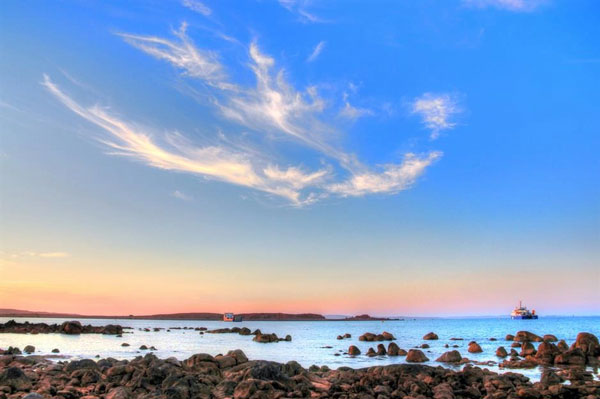
An instrument on a mast recorded the gust on April 10, 1996, during Tropical Cyclone Olivia. The WMO archive describes the three-second averaging period and the instrument’s placement. Photo: Totajla.
Mount Washington, New Hampshire
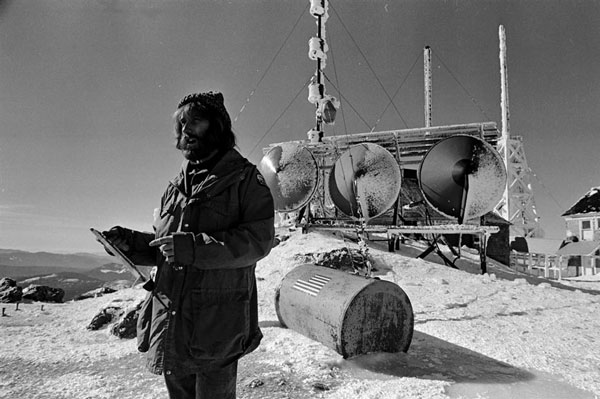
The mountaintop observatory measured 231 mph (about 372 km/h) on April 12, 1934. It held the surface gust record for decades before Barrow Island’s measurement was recognized. The observatory describes how the reading was made. Photo: Spencer Grant.
Bridge Creek, Oklahoma

During the May 3, 1999, tornado, mobile Doppler radar estimated a wind speed of 486 km/h, with an uncertainty of about 32 km/h. Radar estimates motion remotely and can sample air above the ground. That differs from a wind gauge mounted at a fixed height. Photo: Gerson Repreza.
Kirkwood, California
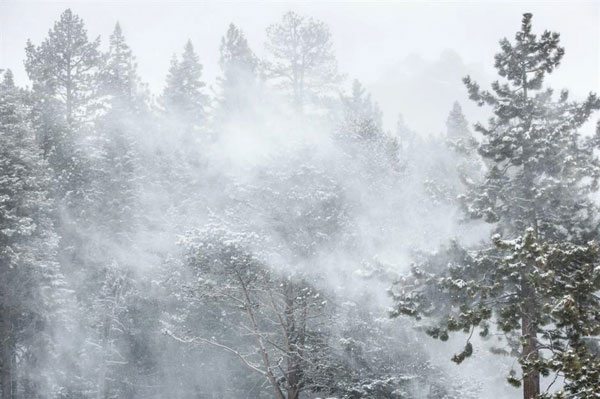
A 209 mph reading from a station at Kirkwood Ski Resort made headlines in 2020. The National Weather Service office in Sacramento did not accept it as a record. Photo: George Rose.
Places known for frequent strong winds
Cape Denison, Antarctica
Cape Denison is known for persistent katabatic winds. Cold, dense air flows down the slope of the ice sheet toward the coast. This recurring pattern helps explain why the site is windy even outside major storms.
Wellington, New Zealand

Cook Strait and the region’s rugged terrain help shape Wellington’s winds. Exposed coastal sites can be much windier than sheltered locations, so a climate average should always name the station it comes from. Photo: Milosz Maslanka.
Shetland Islands, United Kingdom
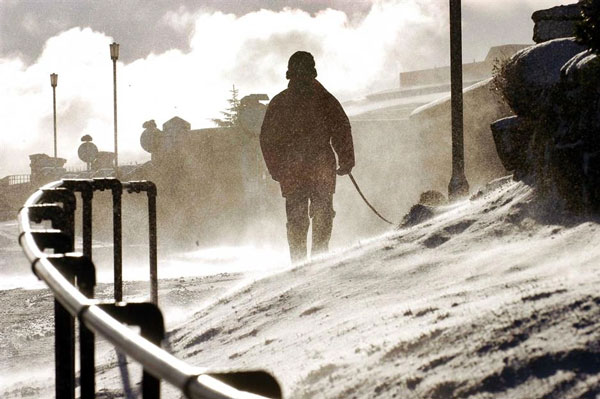
The islands’ exposed position north of mainland Scotland leaves them open to winds from North Atlantic storms. Long-term readings on exposed islands tell you more about everyday conditions than a single storm gust. Photo: Chris Furlong.
Mount Everest, Nepal and China
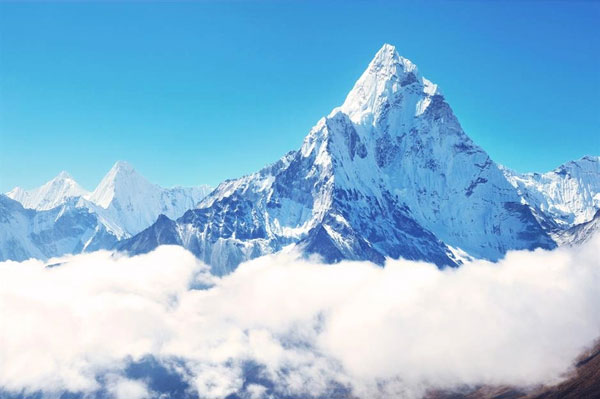
At Everest’s elevation, the upper mountain can encounter intense winds associated with the jet stream. Elevation, station exposure and the time over which winds are averaged all matter when comparing a summit measurement with one from a coastal weather station. Photo: Vixit.





Reader Comments 0
Sign in with email or Google to join the discussion.