Table of Contents
This guide provides a practical overview of New Widget Feature of iOS 14 Is Very Similar to Android, including its main features, benefits, limitations, and important considerations.
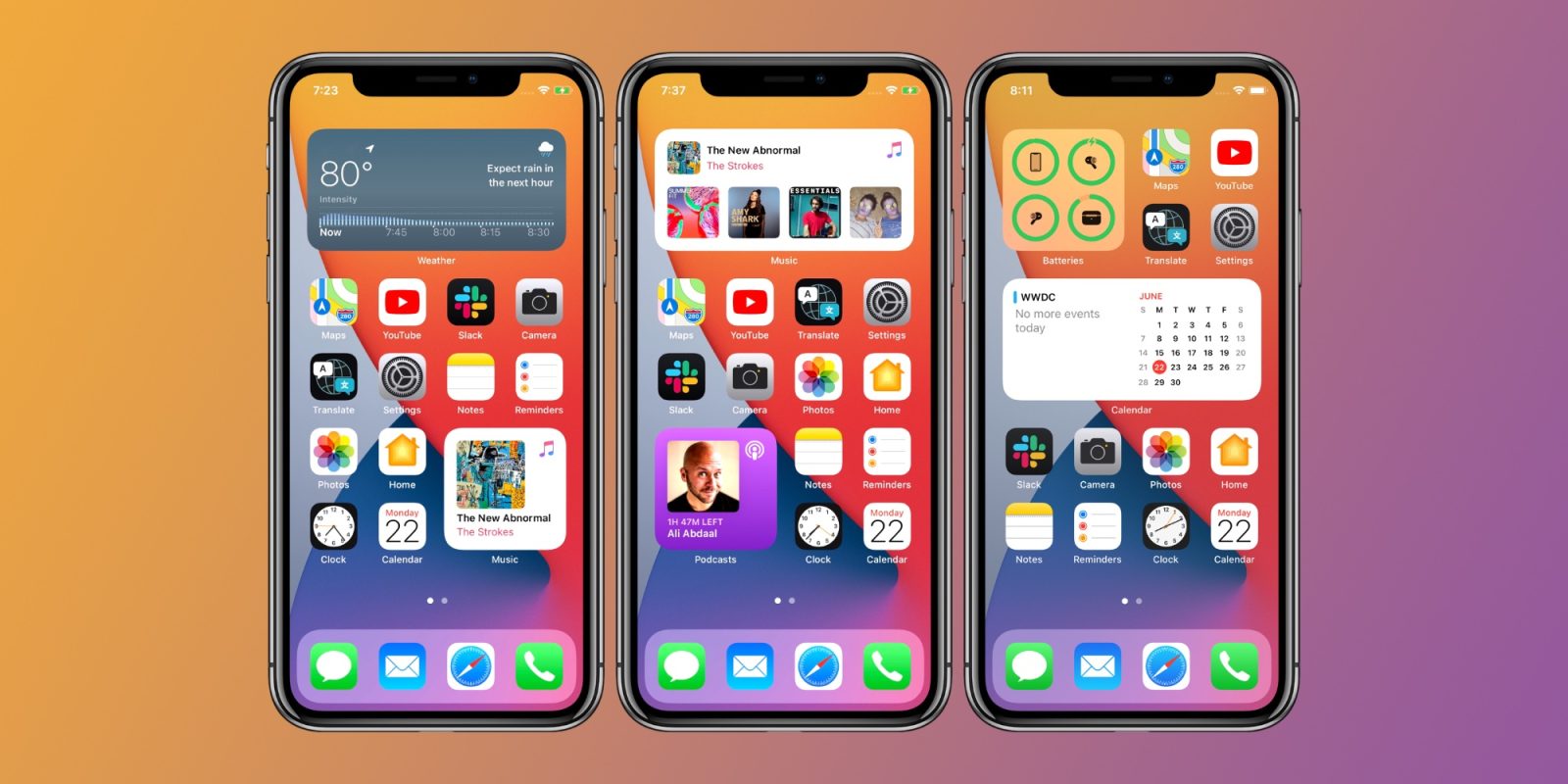
Gone are the days when iOS's home screen interface was limited to square app icons and folders. iOS 14 offers widgets that can be resized and positioned as you like.
To be able to add widgets to the home screen interface, users simply press and hold on any empty space on the screen. Until the application icons start shaking and a custom interface appears.
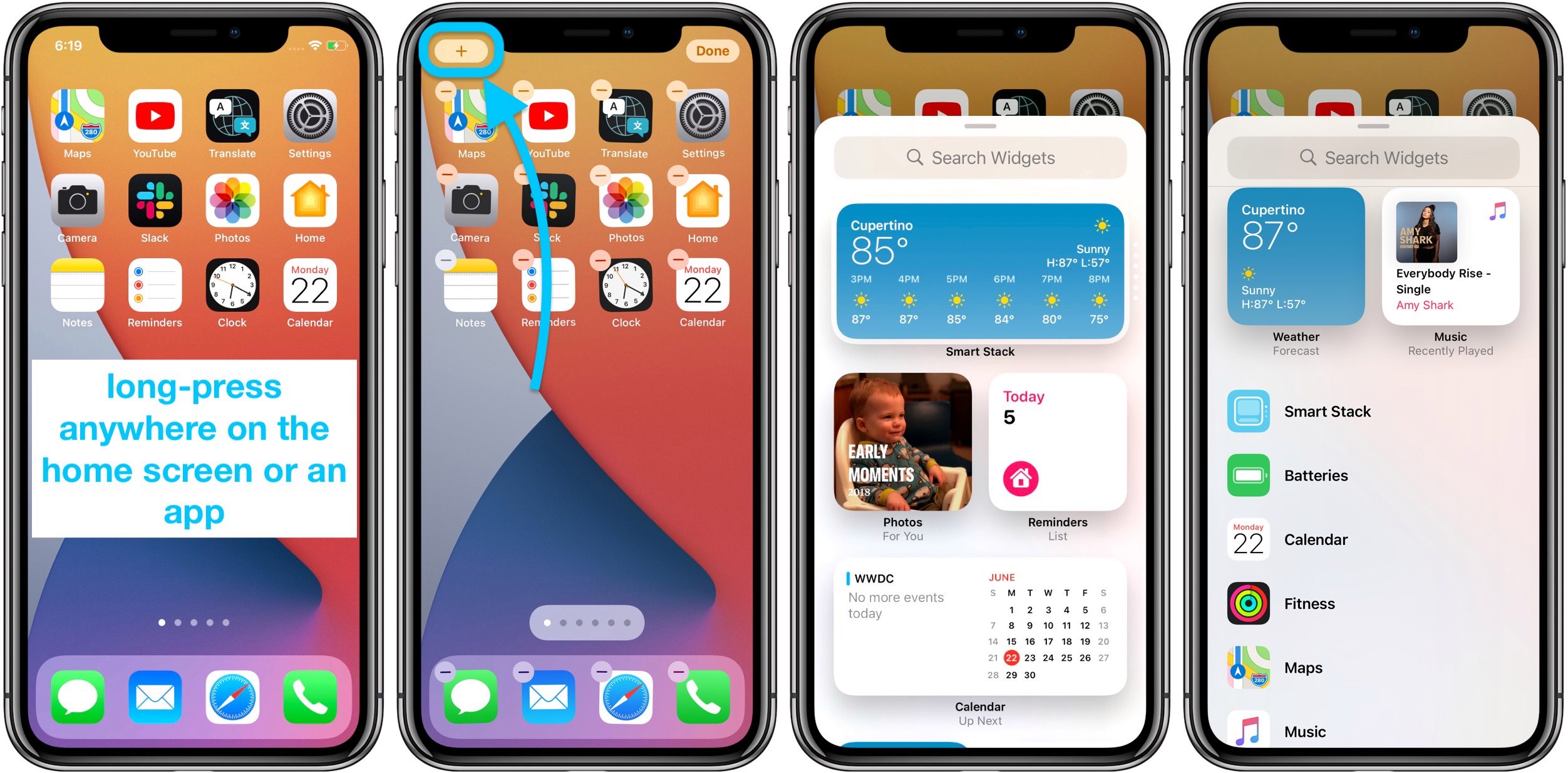
In the top left corner, you will see a plus sign. Clicking will bring up widgets that you can add to the home screen.
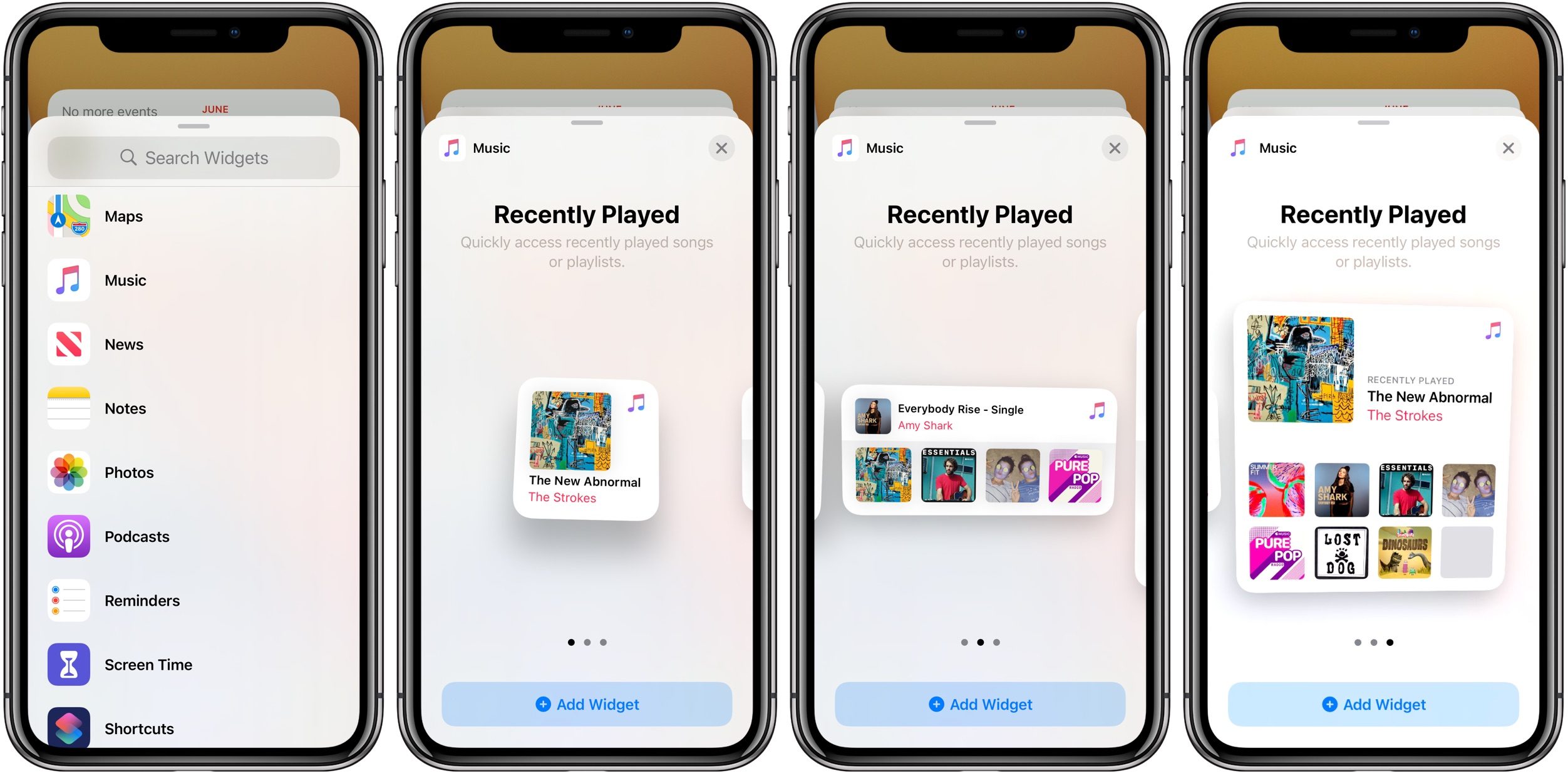
After selecting a widget of your choice, be it a music driver or weather forecast, you can choose the size of the widget. Finally, click on Add Widget to add that widget to the home screen.
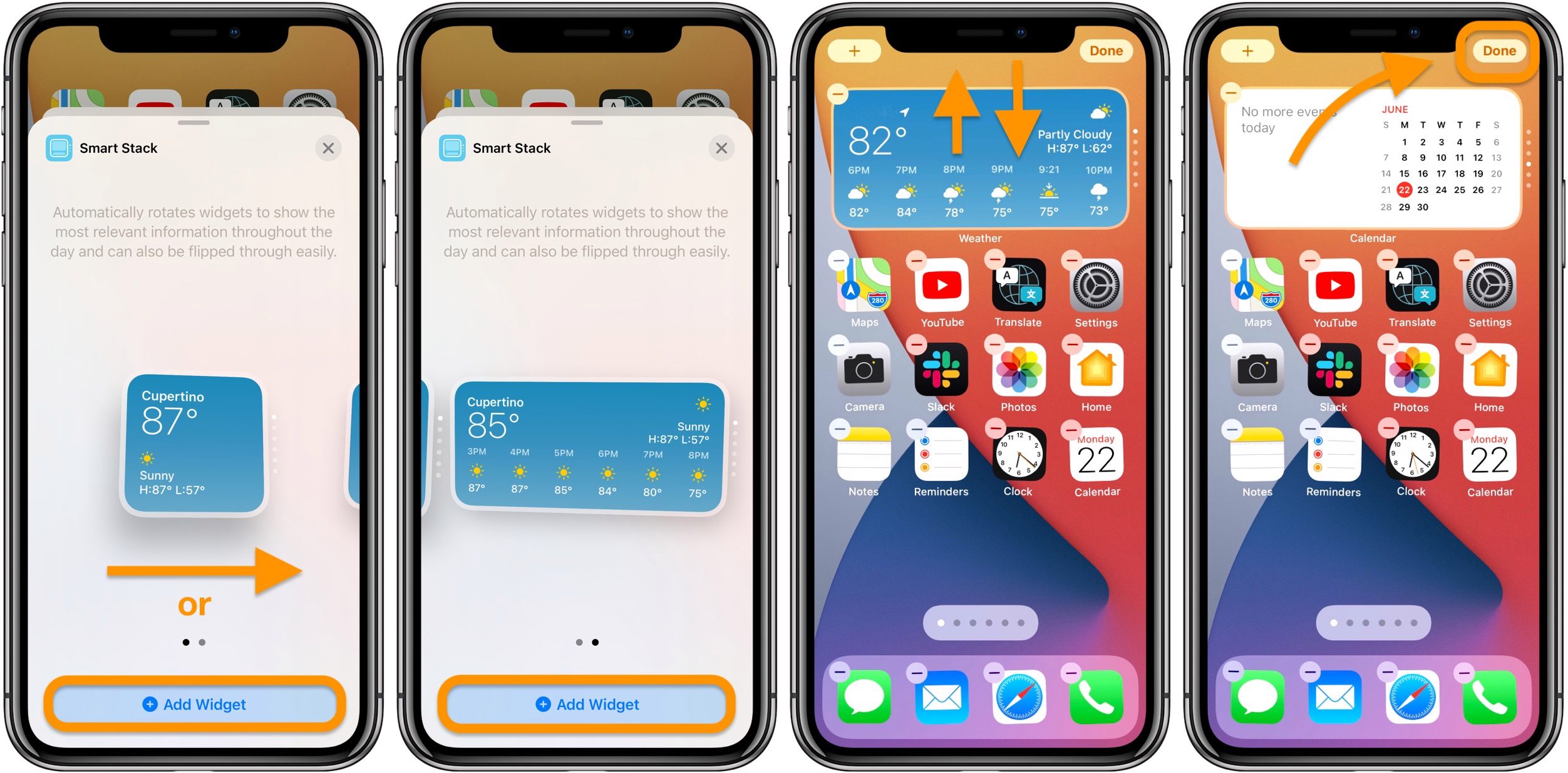
You can also drag and drop widgets to change position, similar to how to change the position of an application icon. Click the Done button in the top right corner to finish.
Third-party developers are also developing new widgets, making iOS 14 more attractive and useful.
FAQ
What should I know about New Widget Feature of iOS 14 Is Very Similar to Android?
Focus on the key features, requirements, limitations, and practical use cases explained in this guide.
How do I get the best results with New Widget Feature of iOS 14 Is Very Similar to Android?
Follow the recommended steps, use current software or information, confirm compatibility, and review settings before major changes.
Are there any risks or limitations?
Potential limitations depend on compatibility, data quality, cost, privacy, support, and how the product or method is used.
Related Articles
 How to Use ChatGPT Widget on Android: Step-by-Step Guide5 minutes read
 How to Use Android Lock Screen Widget3 minutes read
 6 Useful Android Widgets You Should Be Using Right Now: Practical Guide6 minutes read
 How to Install Desktop Widgets on Chromebook4 minutes read
 12 Best Free Clock Widgets for Android10 minutes read
 KWGT Kustom Widget Maker: Complete Guide7 minutes read
Reader Comments 0
Sign in with email or Google to join the discussion.