Color theory, the color wheel, and color matching techniques.

What is a Color Wheel? If you frequently wear makeup, you've probably seen the wide variety of color wheels used in makeup. So what makes them so special? Let's explore what a color wheel is with TipsMake.com!

Whether designing a logo or painting a house, choosing colors is never easy. Not sure where to start? How should you combine colors and why? How can you create a beautiful and suitable color scheme for the theme? There are countless questions you need to ask yourself before deciding on a particular color for your project.

To do this well, you need to understand the concept of the color wheel and basic knowledge of color theory.

What is a color wheel?

Have you ever wondered how designers find the perfect color combination? It's simply thanks to Color Theory. Color Theory is a practical combination of art and science, used to determine.

A color wheel is a chart representing the relationships between colors. Based on a circle that shows the colors of the spectrum, designed by Sir Isaac Newton in 1666, the color wheel now has many practical applications. Painters can use it to identify colors that should be combined, and designers can more easily choose colors that go well together.

images 1 of Color theory, the color wheel, and color matching techniques.
Images 1 of Color theory, the color wheel, and color matching techniques.

Wherever there is light, there is color. We often think of colors as independent entities. The colors we usually see on their own are always influenced by the surrounding colors. Rather, they are a combination of surrounding elements.

images 2 of Color theory, the color wheel, and color matching techniques.
Images 2 of Color theory, the color wheel, and color matching techniques.

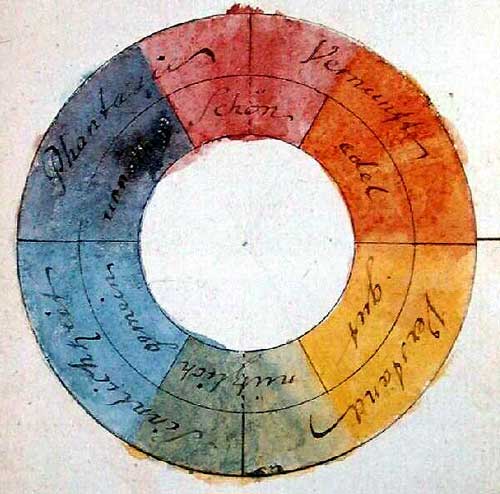
The color wheel was invented in 1666 by Isaac Newton. He mapped the color spectrum onto a circle, creating a color reference tool that is widely used in design. The color wheel is the basis of color theory because it shows the clearest relationships between colors.

images 3 of Color theory, the color wheel, and color matching techniques.
Images 3 of Color theory, the color wheel, and color matching techniques.

Colors combine beautifully, creating a balanced and pleasing effect for the viewer, which we call color harmony . The color wheel is a tool that designers use to create harmony by applying color combination rules . However, it's important to note that the color wheel is only a color reference tool, not a tool for selecting colors.

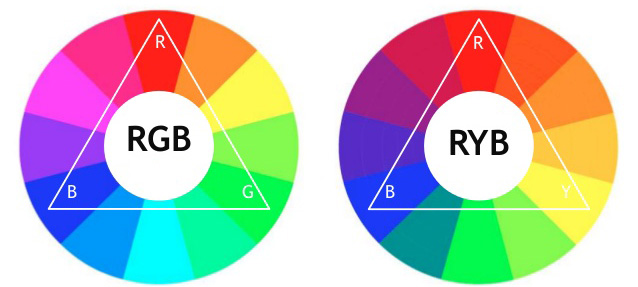
There are two types of colored wheels:

  1. The RYB (Red - Yellow - Blue) color wheel is commonly used by artists in the field of painting.
  2. The RGB (Red - Green - Blue) color wheel is most commonly used for displaying colors in cathode ray tubes, liquid crystal displays, or plasma screens, such as computer monitors or televisions.

images 4 of Color theory, the color wheel, and color matching techniques.
Images 4 of Color theory, the color wheel, and color matching techniques.

The colors that make up the color wheel.

There are 12 primary colors on the color wheel , divided into three levels: primary (first-order) colors , secondary (second-order) colors, and tertiary (third-order) colors . Primary colors cannot be created by mixing other colors. Secondary colors are the result of combining two primary colors. Tertiary colors are obtained by mixing the secondary color spectrum.

Primary colors (primary colors - first-order colors)

The RYB color wheel has three primary colors : Red, Yellow , and Blue.

RYB Red Yellow Blue
  1. According to color theory, mixing the three primary colors in different proportions will create all the other colors. However , mixing them evenly in the same proportion will produce black .

The RGB color wheel has three primary colors: Red, Green , and Blue.

RGB Red Green Blue
  1. According to color theory, mixing the three primary colors in different proportions will create all the other colors. However , mixing them evenly in the same proportions will produce white (light).

Secondary color

Secondary colors are the result of mixing two primary colors together.

The RYB color wheel has three secondary colors: Violet, Orange , and Green.

Red + Yellow = Orange
Yellow + Blue = Green
Blue + Red = Purple

The RGB color wheel has three secondary colors: Cyan, Magenta , and Yellow.

Red + Green = Yellow
Green + Blue = Cyan
Blue + Red = Magenta

Tertiary color

Tertiary colors are colors created by combining primary colors with secondary colors.

The RYB color wheel has six tertiary colors, including:

Red + Orange = Vermillion (Red-Orange)
Orange + Yellow = Amber
Yellow + Green = Chartreuse (light green)
Green + Blue = Teal
Blue + Purple = Blue-purple
Purple + Red = Magenta

The RGB color wheel has six tertiary colors, including:

Red + Yellow = Orange
Yellow + Green = Chartreuse (light green)
Green + Cyan = Green (Spring green)
Cyan + Blue = Blue (Azure)
Blue + Magenta = Violet
Magenta + Red = Rose

RYB and RGB color codes

RYB's 12 primary colors:

RED
#FE2712
RO
#FC600A
ORANGE
#FB9902
YO
#FCCC1A
YELLOW
#FEFE33
YG
#B2D732
GREEN
#66B032
BG
#347C98
BLUE
#0247FE
BP
#4424D6
PURPLE
#8601AF
RP
#C21460

The 12 primary colors of RGB:

RED
#FF0000
(255,0,0)

#FF8000
(255,128,0)
YELLOW
#FFFF00
(255,255,0)

#80FF00
(128,255,0)
GREEN
#00FF00
(0.255.0)

#00FF80
(0,255,128)
CYAN
#00FFFF
(0,255,255)

#0080FF
(0,128,255)
BLUE
#0000FF
(0,0,255)

#8000FF
(128,0,255)
MAGENTA
#FF00FF
(255,0,255)

#FF0080
(255,0,128)

The meaning of primary colors

Along with different visual effects, different colors also carry different emotional connotations.

  1. Red—often associated with power, passion, or energy—can help stimulate action on your website.
  2. Orange – representing joy and enthusiasm – makes it a good choice for conveying a positive message.
  3. Yellow symbolizes happiness and intelligence, but be careful not to overuse this color.
  4. Green is often used to symbolize growth and ambition. Using green can help you show that your brand is on a path of development.
  5. Blue – calm and confident, depending on the shade – lighter shades evoke a sense of peace, darker shades evoke a greater sense of confidence.
  6. Purple - Elegant or creative, especially when used purposefully and appropriately on a page.
  7. White – Safe and harmless, it's a great choice for organizing your website efficiently.

Color combination

Complementary color scheme

images 5 of Color theory, the color wheel, and color matching techniques.
Images 5 of Color theory, the color wheel, and color matching techniques.

images 6 of Color theory, the color wheel, and color matching techniques.
Images 6 of Color theory, the color wheel, and color matching techniques.

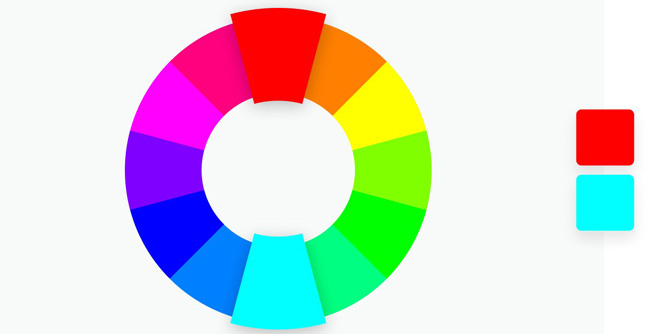
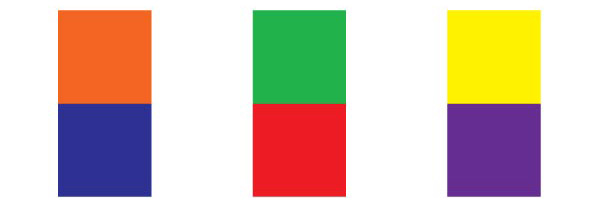
This is the most common color combination, using two colors that are opposite on the color wheel. These colors look naturally beautiful together because of their strong visual impact due to high contrast; together they appear brighter and more striking. However, avoid using two colors in equal proportions; you should choose one color to stand out and use the other for smaller, accompanying details to avoid a harsh look.

images 7 of Color theory, the color wheel, and color matching techniques.
Images 7 of Color theory, the color wheel, and color matching techniques.

Monochromatic color scheme

images 8 of Color theory, the color wheel, and color matching techniques.
Images 8 of Color theory, the color wheel, and color matching techniques.

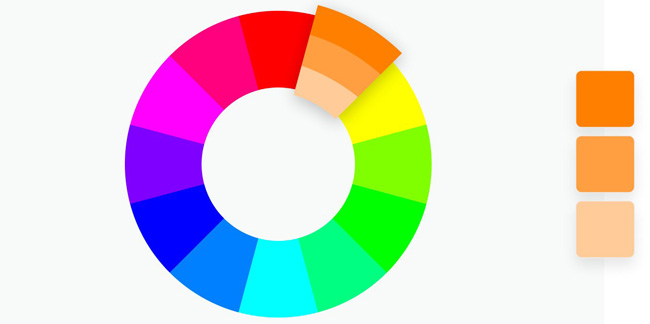
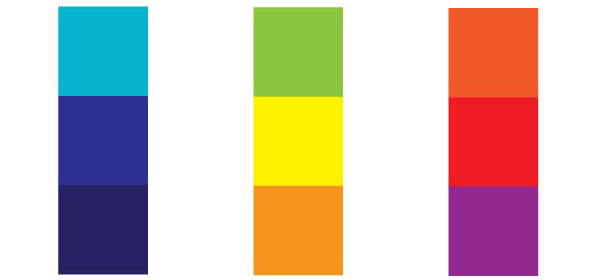
Monochromatic color schemes mean you take a favorite color and use variations in tint, shade, and tone (explained in detail below) to create works with subtle, full-bodied colors, forming a monochromatic color spectrum.

Monochromatic color schemes are both minimalist and highly valuable to the artwork. This color scheme is pleasing to the eye and comfortable for the viewer, promoting high concentration and preventing distractions, allowing viewers to focus solely on the important content.

images 9 of Color theory, the color wheel, and color matching techniques.
Images 9 of Color theory, the color wheel, and color matching techniques.

This is a versatile color combination, easy to apply to home and apartment design projects, helping to make the space brighter and more spacious. For larger spaces, monochromatic colors further enhance the sense of openness.

Analogous color scheme

images 10 of Color theory, the color wheel, and color matching techniques.
Images 10 of Color theory, the color wheel, and color matching techniques.

images 11 of Color theory, the color wheel, and color matching techniques.
Images 11 of Color theory, the color wheel, and color matching techniques.

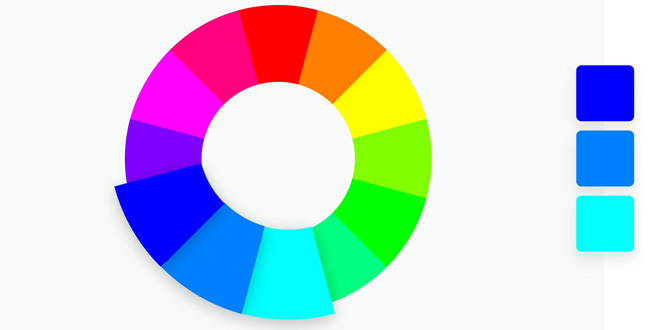
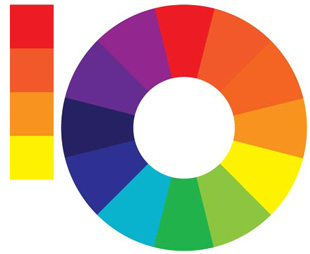
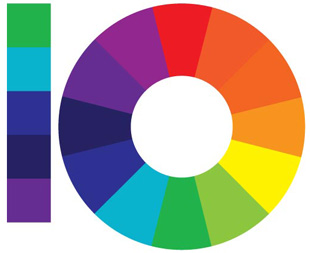
Analogous colors are a group, usually three colors next to each other on the color wheel (regardless of warm or cool), that look quite similar when placed close together, creating very elegant and attractive color combinations.

Color combinations using analogous shades offer more variety than monochromatic schemes. However, if you use colors in equal proportions, they can easily overwhelm each other, creating a somewhat cluttered look. The best way to balance this is to choose a dominant color and use the others as accents.

images 12 of Color theory, the color wheel, and color matching techniques.
Images 12 of Color theory, the color wheel, and color matching techniques.

Triadic color scheme

images 13 of Color theory, the color wheel, and color matching techniques.
Images 13 of Color theory, the color wheel, and color matching techniques.

images 14 of Color theory, the color wheel, and color matching techniques.
Images 14 of Color theory, the color wheel, and color matching techniques.

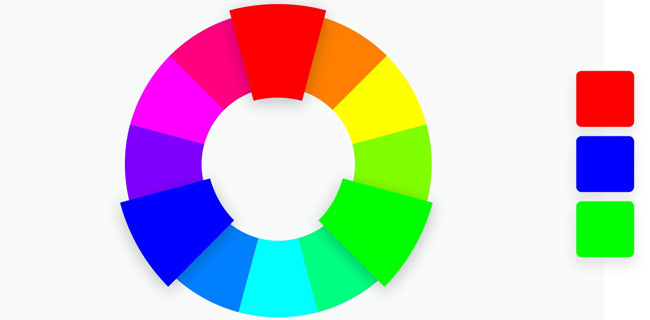
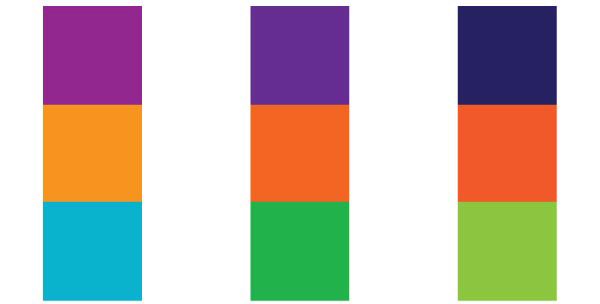
This color scheme uses three equally spaced colors on the color wheel to create a range of colors with high contrast, but less so than complementary color schemes. This combination produces bold, vibrant color ranges.

The three colors are located at three different angles on the color wheel, so they combine and complement each other, creating a balance in this color scheme. However, precisely because of this balance, even with three colors used, you might sometimes find this combination rather monotonous, safe, and lacking in creativity.

images 15 of Color theory, the color wheel, and color matching techniques.
Images 15 of Color theory, the color wheel, and color matching techniques.

Tetradic color scheme (four colors)

images 16 of Color theory, the color wheel, and color matching techniques.
Images 16 of Color theory, the color wheel, and color matching techniques.

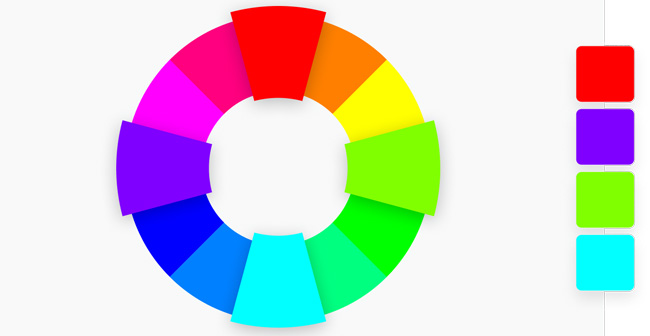
This color scheme uses four colors that are evenly spaced on the color wheel. However, you must be careful not to use all four colors in the same intensity, as it will create chaos. The more colors you have in your palette, the harder it is to balance them.

A four-color scheme works best when you choose a dominant color and use the others as accents.

images 17 of Color theory, the color wheel, and color matching techniques.
Images 17 of Color theory, the color wheel, and color matching techniques.

Warm colors and cool colors

images 18 of Color theory, the color wheel, and color matching techniques.
Images 18 of Color theory, the color wheel, and color matching techniques.

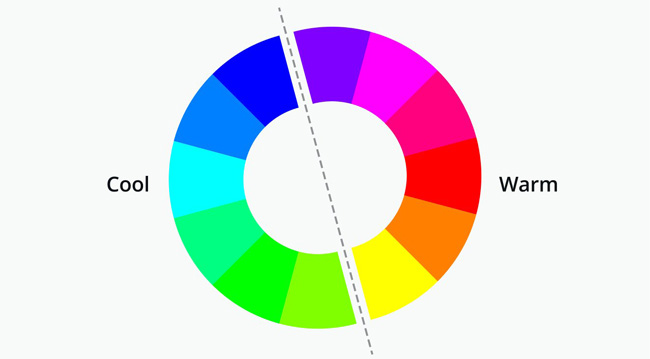
The color wheel is divided into warm and cool color zones . Color schemes using the color wheel typically balance warm and cool colors. According to color psychology, the "temperature" of a color evokes different feelings when we look at a design. For example, warm colors give viewers a feeling of comfort and energy, while dark colors evoke a sense of peace and tranquility.

Warm colors range from red to yellow. These vibrant colors are like sunlight, used to draw attention. Warm colors have a powerful influence, impacting the surrounding space.

Cool colors range from green to purple. These colors evoke a sense of coolness and tranquility in the mind.

Color theory, the color wheel, and color matching techniques. Picture 19 Color theory, the color wheel, and color matching techniques. Picture 20

Tint, Shade, and Tone

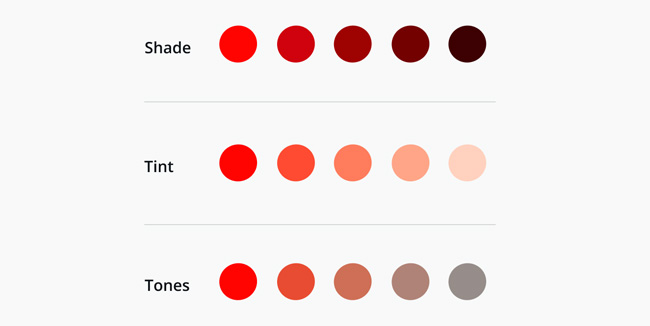
Tint is a color created by adding white to an original color to increase its brightness. Tint helps to reduce the "intensity" of a color, which is quite useful in balancing colors when mixing.

Shade is a color created by adding black to an original color to reduce brightness and increase darkness. Shades create deeper and more varied colors. Shades make a strong impression and can overpower other colors.

Tone is a color created by adding gray to lighten the original color. Tone is a more refined version of the original color.

images 19 of Color theory, the color wheel, and color matching techniques.
Images 19 of Color theory, the color wheel, and color matching techniques.

Properties of color

images 20 of Color theory, the color wheel, and color matching techniques.
Images 20 of Color theory, the color wheel, and color matching techniques.

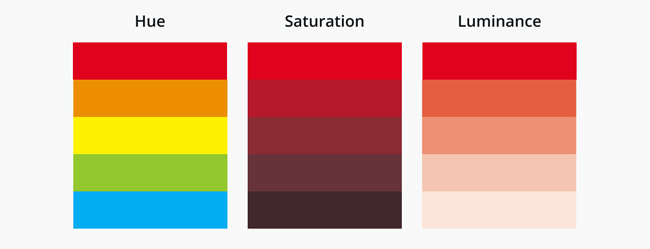
Hue - Color Tones

Hue is a combination of 12 different colors on the color wheel. Hue is the element used to transform into Tint, Shade, and Tone, as mentioned above, by adding black, white, and gray to the original colors.

Saturation

Saturation isn't created by mixing Hue with other colors; it's simply how a color is displayed under different lighting conditions. Saturation helps describe how vibrant or muted a color appears depending on the intensity of the light. This value is also known as color intensity.

Luminance - Brightness

Luminance refers to the brightness or darkness of a particular color; you can change the brightness or darkness of colors by dragging their Luminance slider to the right or left.

images 21 of Color theory, the color wheel, and color matching techniques.
Images 21 of Color theory, the color wheel, and color matching techniques.

Color tools

There are many theories and practical examples available on how to best combine colors and why. However, when it comes to the specific task of choosing colors for a design, using a color suggestion tool is always a good idea, helping you complete this task quickly and easily.

Fortunately, you have many color matching tools to choose from on the internet. Here are some of the most prominent ones:

Adobe Color

One of the most popular color tools for design, from infographics to pie charts and more, is Adobe Color (formerly Adobe Kuler).

This free online tool allows you to quickly build color palettes based on color structures. Once you've selected the appropriate colors from your desired palette, you can copy and paste the HEX or RGB code into any program you're using.

It also includes hundreds of pre-mixed color schemes for you to explore and use in your designs. If you're an Adobe user, you can easily save your work to your account.

Color is the essence of human ingenuity. Learn how to use color effectively in your work and life, and the results will truly satisfy you.

26 best color combinations for design

From contrasting to complementary colors, here are 26 of the best color combinations to inspire your next design, including classic and trending color combinations.

1. Blue & Pink

images 22 of Color theory, the color wheel, and color matching techniques.
Images 22 of Color theory, the color wheel, and color matching techniques.

The combination of blue and pastel pink creates a wonderful balance. The soft, spring-like pastel pink, along with the subtle touches of blue, creates a harmonious and balanced effect. These contrasting colors evoke tranquility and peace, ideal for beauty, health, and wellness brands.

Hex code: #2F3C7E, #FBEAEB

2. Dark graphite & light yellow

images 23 of Color theory, the color wheel, and color matching techniques.
Images 23 of Color theory, the color wheel, and color matching techniques.

Dark graphite and bright gold create a high-contrast, visually striking color combination. When combined, these colors evoke a sense of energy and modernity, making them an ideal palette for cutting-edge design firms, dynamic sportswear brands, and urban lifestyles.

Hex code: #101820, #FEE715

3. Light red & yellow

images 24 of Color theory, the color wheel, and color matching techniques.
Images 24 of Color theory, the color wheel, and color matching techniques.

The vibrant and bold color combination of pale red and yellow embodies playfulness. Imagine reimagining this classic ketchup and mustard color scheme with a modern, pastel tone by shifting the shade from red to coral for children's logos and branding or youth-oriented food and beverage packaging.

Hex codes: #F96167, #F9E795

4. Cherry Red & Off-White

images 25 of Color theory, the color wheel, and color matching techniques.
Images 25 of Color theory, the color wheel, and color matching techniques.

Cherry red and off-white are truly versatile classics. Classic and timeless, elegant and alluring, this color combination is ideal for high-end fashion and accessory brands, upscale catering and hospitality, as well as wedding and romantic brands.

Hex code: #990011, #FCF6F5

5. Light blue & white

images 26 of Color theory, the color wheel, and color matching techniques.
Images 26 of Color theory, the color wheel, and color matching techniques.

Another classic color combination is light blue and white. This combination conveys comfort and reliability, evoking the peaceful feeling of gazing at the sky on a sunny morning. Light blue and white is a perfect color combination for brand colors in healthcare, childcare, or non-profit industries.

Hex code: #8AAAE5, #FFFFFF

6. Dark blue and light blue

images 27 of Color theory, the color wheel, and color matching techniques.
Images 27 of Color theory, the color wheel, and color matching techniques.

Don't overlook the different shades of light and dark blue in this combination. This monochromatic color scheme is authoritative and cultured, inspiring professionalism and trust—making it a great palette for insurance or financial services companies.

Hex code: #00246B, #CADCFC

7. Blue and pink bubblegum

images 28 of Color theory, the color wheel, and color matching techniques.
Images 28 of Color theory, the color wheel, and color matching techniques.

A classic and popular color combination, sky blue and bubblegum pink offer a bright and playful feel, conveying the joy of adolescence. These bright colors are ideal for brands targeting parents, childcare, clothing, products, and toys for children.

Hex code: #89ABE3, #EA738D

8. Cherry Red & Bubblegum Pink

images 29 of Color theory, the color wheel, and color matching techniques.
Images 29 of Color theory, the color wheel, and color matching techniques.

Cherry red and bubblegum pink combine to create an interesting pairing. When paired, these colors produce a stunning visual contrast, making for an ideal color palette for beauty brands and products, offering a bold and expressive style.

Hex code: #CC313D, #F7C5CC

9. Forest Green & Moss Green

images 30 of Color theory, the color wheel, and color matching techniques.
Images 30 of Color theory, the color wheel, and color matching techniques.

Forest green and moss green form a monochromatic color palette, expressing a love of nature, ideal for environmentally friendly and sustainable products or brands, outdoor clothing and equipment brands, and non-profit organizations.

Hex code: #2C5F2D, #97BC62

10. Midnight Blue, Royal Blue, and Burgundy
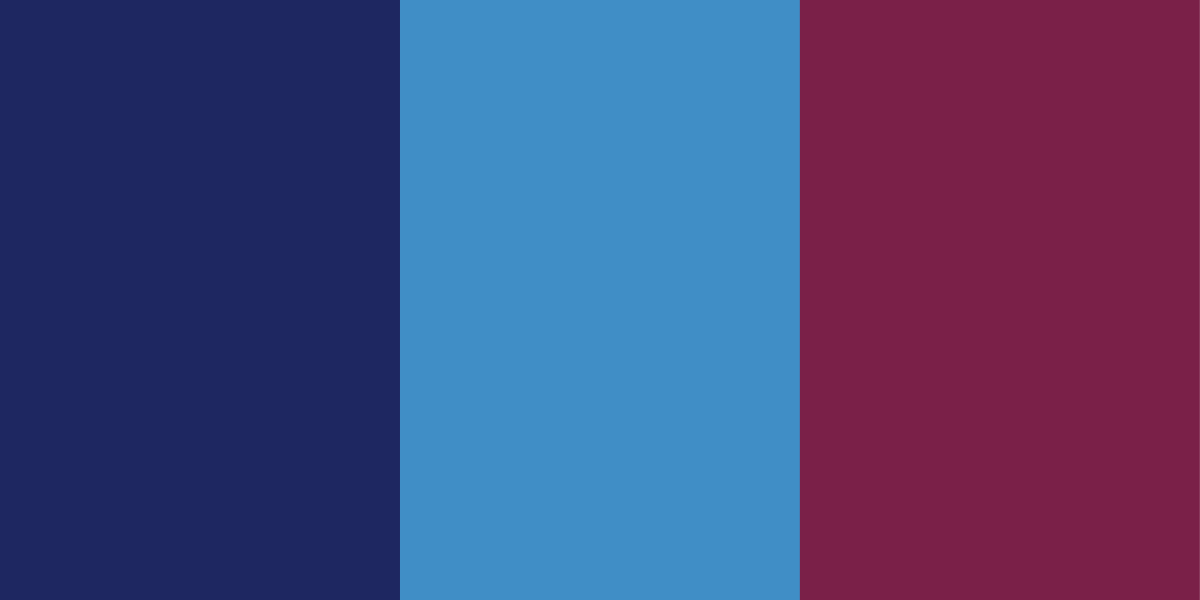
images 31 of Color theory, the color wheel, and color matching techniques.
Images 31 of Color theory, the color wheel, and color matching techniques.

Midnight blue, royal blue, and burgundy combine to create a striking color palette. Mysterious, alluring, bold, and luxurious, this combination evokes passion and authority, ideal for high-end fashion and jewelry, luxury cars and fine wines, fine restaurants, boutique hotels, perfumes, and cosmetics.

Hex codes: #1E2761, #408EC6, #7A2048

11. Terracotta red, pale beige, and pale turquoise
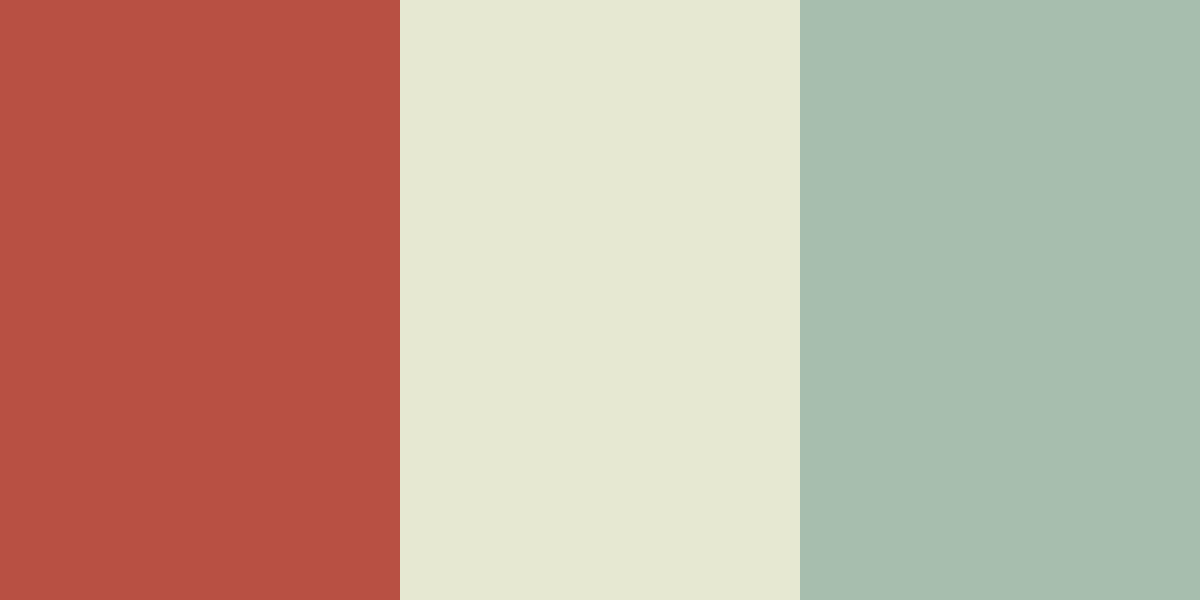
images 32 of Color theory, the color wheel, and color matching techniques.
Images 32 of Color theory, the color wheel, and color matching techniques.

Terracotta red, pale beige, and light turquoise combine to create a mesmerizing and mysterious color palette. This neutral and muted color scheme attracts significant attention. This stunning, timeless palette is well-suited to brands and restaurants ranging from farm-to-market establishments, interior design and home decor companies, outdoor clothing and equipment brands, and plant-based health and wellness products.

Hex code: #B85042, #E7E8D1, #A7BEAE

12. Light olive green and salmon pink

images 33 of Color theory, the color wheel, and color matching techniques.
Images 33 of Color theory, the color wheel, and color matching techniques.

Vibrant and harmonious, the combination of salmon pink and pale olive green evokes warmth and nostalgia often associated with nature, peace, happiness, and balance. This fresh and playful color combination is ideal for eco-friendly and sustainable brands, healthcare products, children's products, and toys.

Hex code: #A1BE95, #F98866

13. Deep periwinkle color & light lilac color

images 34 of Color theory, the color wheel, and color matching techniques.
Images 34 of Color theory, the color wheel, and color matching techniques.

Dreamy and fantastical, deep periwinkle and light lilac combine to create a shade that is both elegant and solid, exuding a subtle, gentle sense of peace. These different shades of purple are ideal for beauty, wellness, or spiritual brands and products.

Hex code: #735DA5, #D3C5E5

14. Salmon pink & light peach

images 35 of Color theory, the color wheel, and color matching techniques.
Images 35 of Color theory, the color wheel, and color matching techniques.

The soft, elegant salmon pink and pale peach are trendy colors that look beautiful together. This color combination is both appealing and playfully sophisticated, making it suitable for children's products, toys, beauty and wellness products, and even food and beverage packaging.

Hex code: #F98866, #FFF2D7

15. Seafoam Green & Light Blue

images 36 of Color theory, the color wheel, and color matching techniques.
Images 36 of Color theory, the color wheel, and color matching techniques.

Seafoam green and pale blue offer a refreshing, harmonious balance. These cool tones evoke the freshness, naturalness, or serene tranquility of the sea, sky, and nature. This balanced, soothing blue and fresh seafoam green are ideal for spa and wellness brands, as well as travel and education brands.

Hex code: #C4DFE6, #66A5AD

16. Turquoise & light green

images 37 of Color theory, the color wheel, and color matching techniques.
Images 37 of Color theory, the color wheel, and color matching techniques.

Like seafoam green and pale blue, turquoise and pale green combine to create a fresh, serene color palette reminiscent of lagoons or natural streams and lakes. This harmonious color scheme is suitable for health and wellness brands as well as those inspired by nature.

Hex code: #20948B, #6AB187

17. Dark green & light gray

images 38 of Color theory, the color wheel, and color matching techniques.
Images 38 of Color theory, the color wheel, and color matching techniques.

Color trends may come and go, but this classic and sophisticated palette is sure to endure. Deep green and light gray create a color combination that evokes a sense of complete serenity and timelessness. The green tones combined with the neutrality of gray make for an ideal palette for brands related to health and wellness, organic products, and those offering high-quality handcrafted items, natural materials, and understated elegance.

Hex code: #31473A, #EDF4F2

18. Red Cranberry & Pink Bubblegum

images 39 of Color theory, the color wheel, and color matching techniques.
Images 39 of Color theory, the color wheel, and color matching techniques.

Stylish and playful, cranberry red and bubblegum pink combine to create an eye-catching, contemporary color palette. The bold and exciting red, paired with the playful and optimistic pink, makes an ideal color combination for fashion and cosmetics brands creating sportswear, beverage, or candy packaging.

Hex codes: #F52549, #FA6775

19. Dark blue, reddish orange, and orange-yellow

images 40 of Color theory, the color wheel, and color matching techniques.
Images 40 of Color theory, the color wheel, and color matching techniques.

Dynamic and playful, this combination of deep blue, reddish-orange, and orange-yellow is bold, vibrant, and full of energy. The deep blue contrasts with the warm orange, evoking a sense of movement and enthusiasm, making it ideal as an accent color or logo color. This color palette is perfect for adventure brands, travel, theme parks, and food and beverage packaging.

Hex code: #375E97, #FB6542, #FFBB00

20. Lilac, dusty rose, and pale gray-blue
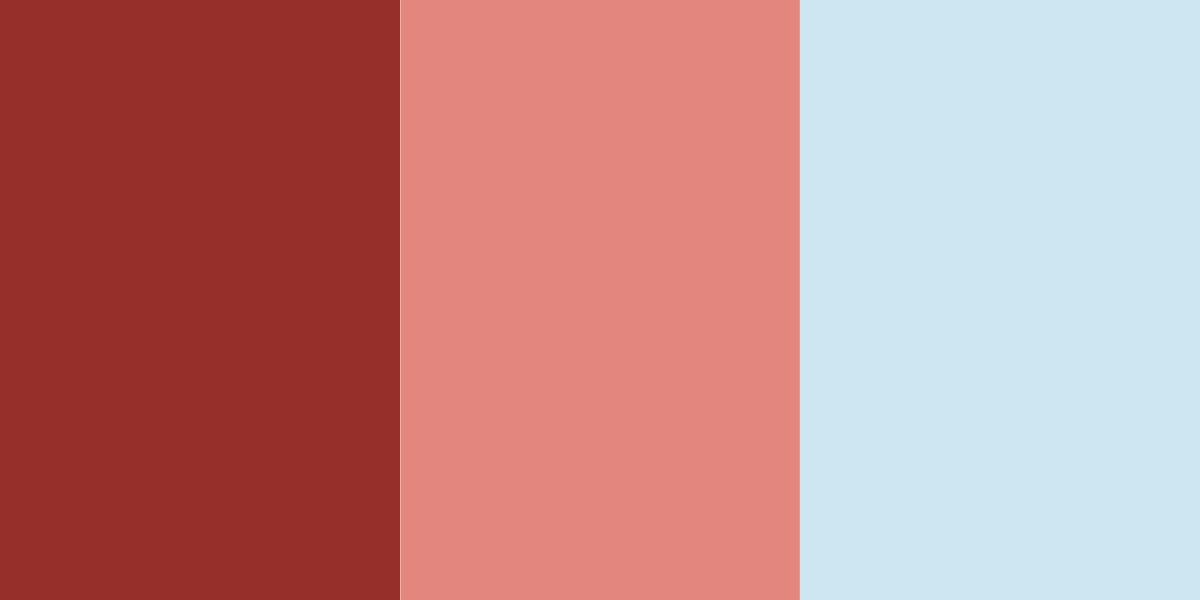
images 41 of Color theory, the color wheel, and color matching techniques.
Images 41 of Color theory, the color wheel, and color matching techniques.

Lilac, dusty rose, and pale greyish-blue combine beautifully. The combination of pale blue and dusty rose creates a sophisticated, feminine color palette with a refined charm and mature elegance, ideal for wedding and event planning, beauty fashion, home decor, and the healthcare industry.

Hex code: #962E2A, #E3867D, #CEE6F2

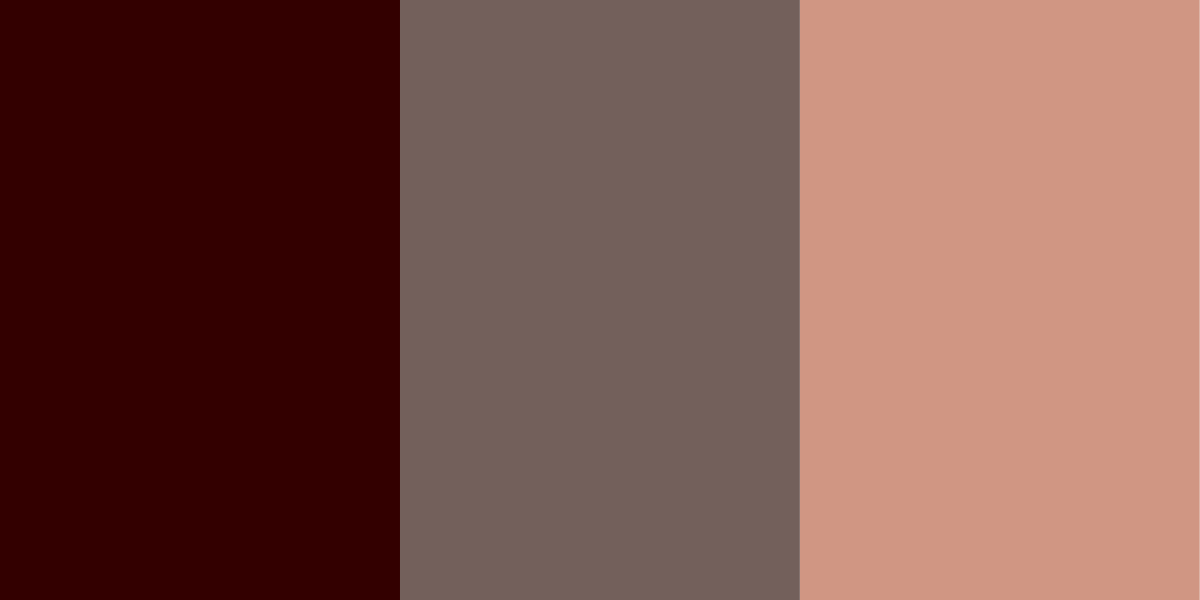
21. Dark reddish-brown, light brown, and light peach brown
images 42 of Color theory, the color wheel, and color matching techniques.
Images 42 of Color theory, the color wheel, and color matching techniques.

Deep reddish-browns, light browns, and light peach browns create a rustic, warm, and incredibly cozy color combination. This sophisticated and timeless palette is ideal for heritage and craft brands, interior design and real estate companies, clothing and outdoor equipment brands, cafes, and bakeries.

Hex codes: #330000, #73605B, #D09683

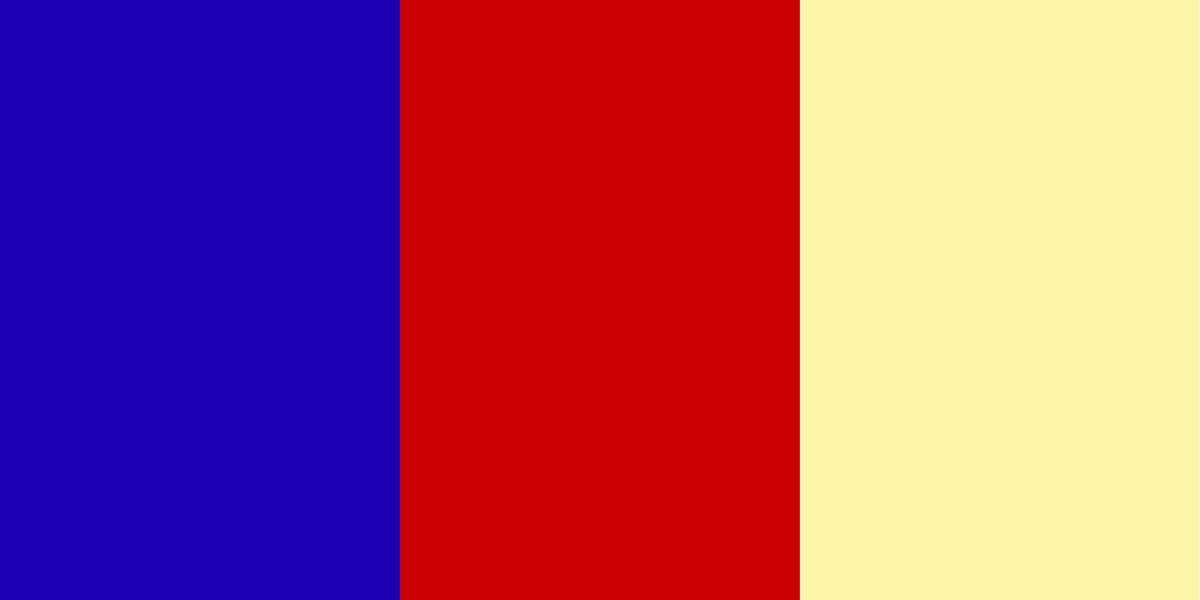
22. Dark navy blue, bright red, and pale lemon yellow
images 43 of Color theory, the color wheel, and color matching techniques.
Images 43 of Color theory, the color wheel, and color matching techniques.

Deep blue, bright red, and pale lime yellow create a striking visual effect, evoking excitement and bold appeal. This contrasting color combination suits a wide range of styles and themes, from classic to modern – ideal for sports and fitness brands, fast food and casual dining, amusement parks, children's products, toys, and classic-inspired Americana-style designs.

Hex code: #5031F, #CB0000, #E4EA8C

23. Teal, light blue, and light gray

images 44 of Color theory, the color wheel, and color matching techniques.
Images 44 of Color theory, the color wheel, and color matching techniques.

Refreshing and modern, teal, light blue, and light gray combine to create a serene atmosphere reminiscent of clear blue skies and glacial waters. This cool color combination evokes strong feelings of trust, reliability, and stability, making it an ideal color palette for hospitals, clinics, financial services, insurance, law firms, and cloud-based security brands.

Hex code: #1995AD, #A1D6E2, #F1F1F2

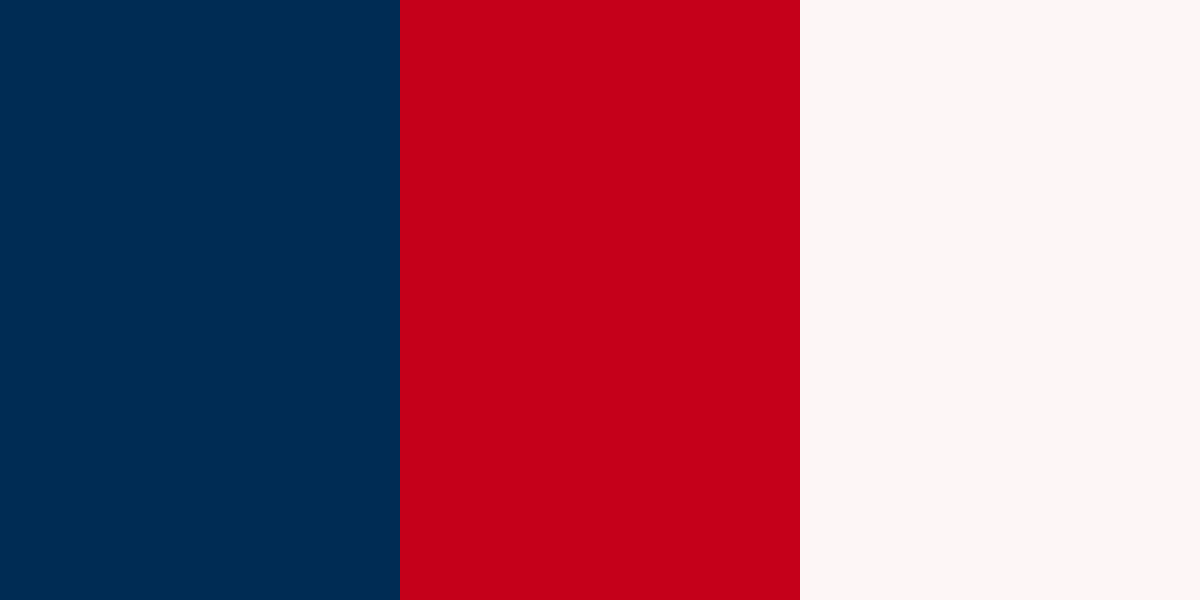
24. Dark navy blue, bright red, and light pink
images 45 of Color theory, the color wheel, and color matching techniques.
Images 45 of Color theory, the color wheel, and color matching techniques.

Always bold and contrasting, the subtle and playful combination of deep navy blue, bright red, and pale pink is striking and versatile. Navy blue and red create a strong visual impact, evoking a sense of movement or vitality, while pale pink brings a youthful, exciting energy. These colors look great together, especially for luxury brands in the automotive, fashion or jewelry, sportswear, or design industries.

Hex code: #002C54, #C5001A, #FDF6F6

25. Dark chestnut brown, reddish brown, and light cream.

images 46 of Color theory, the color wheel, and color matching techniques.
Images 46 of Color theory, the color wheel, and color matching techniques.

Warm and rustic, this combination of dark chestnut brown, reddish-brown, and pale cream is inspired by nature, evoking the rustic charm of autumn. The balanced color palette creates a welcoming, traditional, and authentic feel, ideal for farm-to-table organic products, heritage and craft brands, family brands, cafes, and bakeries.

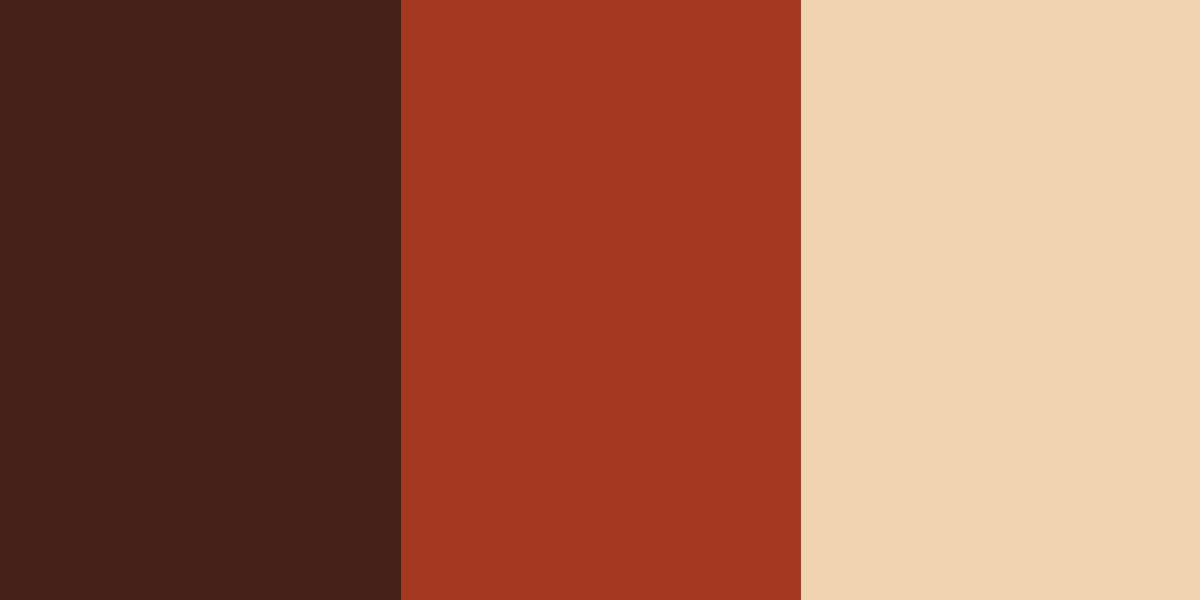
Hex code: #46211A, #A43820, #F1D3B2

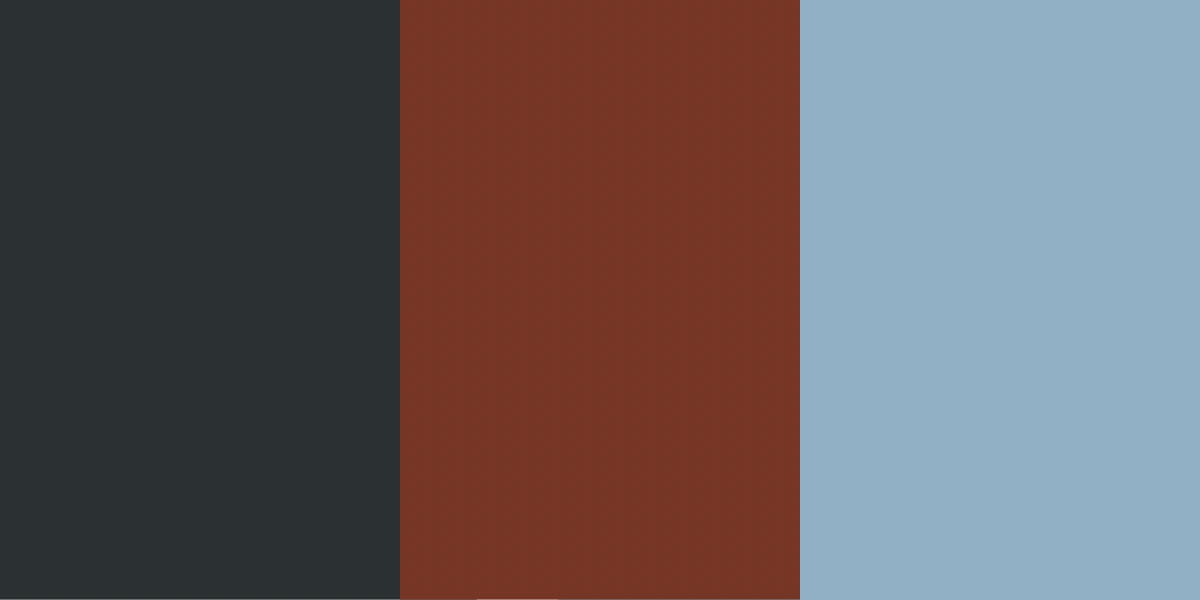
26. Dark charcoal, deep brown, and blue
images 47 of Color theory, the color wheel, and color matching techniques.
Images 47 of Color theory, the color wheel, and color matching techniques.

Bold and contrasting, this sophisticated and modern color combination of dark charcoal, deep brown, and sky blue evokes a sense of power, comfort, and wealth ideal for luxury brands in the fashion and automotive industries, as well as design or architectural firms.

Hex code: #2A3132, #763626, #90AFC5

4 | 1 Vote
« PREV : 26 amazing...
Testing Claude Code,... : NEXT »