Table of Contents
Looking directly at the Sun or looking directly at where people are welding, that glare will affect our eyes. This article explains the key facts and context behind ultraviolet rays.

Key Facts About Ultraviolet Rays
The Sun produces three types of rays, visible light, infrared and ultraviolet rays. In particular, ultraviolet rays or UV rays have the most severe effect on the structure of the eye, especially when they are reflected back through the surface of sand, snow or water.
Under the action of ultraviolet rays, cells in the cornea (thin transparent layer of the outermost of the eye) will burn and swell, then crack like the human skin when sunburned. After light causes eye damage for several hours, other symptoms will occur including continuous tearing, inflammation of the tissue and you will feel like using sandpaper to scratch your eyes. These are the symptoms of sun keratitis (photokeratitis). This disease only lasts for 36 hours and can be prevented by wearing sunglasses with UV protection.
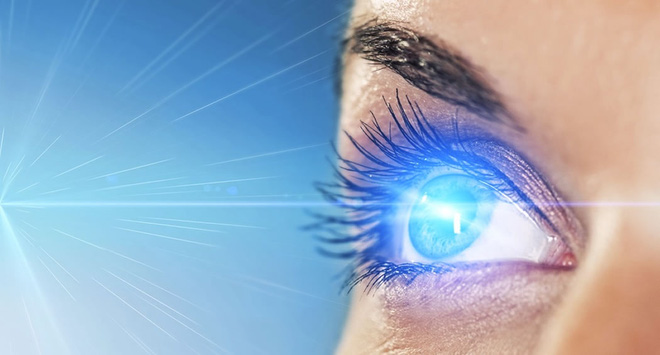
Your retina will hurt if you look directly at the Sun a little longer. At that time, your eyes will not hurt like sun keratitis, but light-sensitive cells deep in your eyes that carry the vision to the brain may suffer permanent damage.
When strongly agitated, light-sensing cells secrete a variety of chemicals to alert the body. If this condition persists, the same substances will affect the surrounding tissue causing eye damage. These lesions can last from a month to a year to recover.
Why Ultraviolet Rays Matters
When the retina has been damaged and continues to look at the Sun, ultraviolet rays will damage the yellow spot in the eye causing temporary blindness. Because the yellow spot is the place where many nerve cells are concentrated, taking up 90% of the vision; Yellow points help identify the color and sharpness of images.
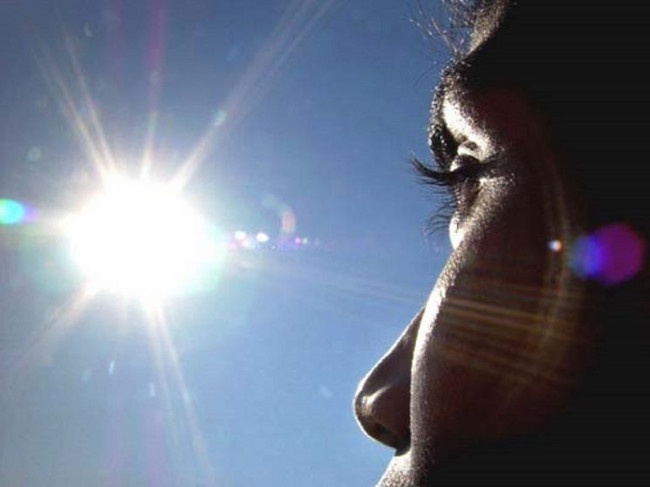
Even if our pupils shrink, a certain amount of light continues to be inserted into the eye and concentrated in the macular tissue. When these tissues are damaged, it can cause macular degeneration and permanent vision damage.
If sunlight continues to shine into the eyes, ultraviolet rays cause serious damage to the lens, eyesight will be temporarily affected. If left untreated, your eyes will be blind.
If you use a telescope or binoculars to look directly at the Sun, it will be several times more harmful than direct eye contact. These distant devices will focus sunlight on one point, which will seriously damage the eye structure and can cause immediate blindness.
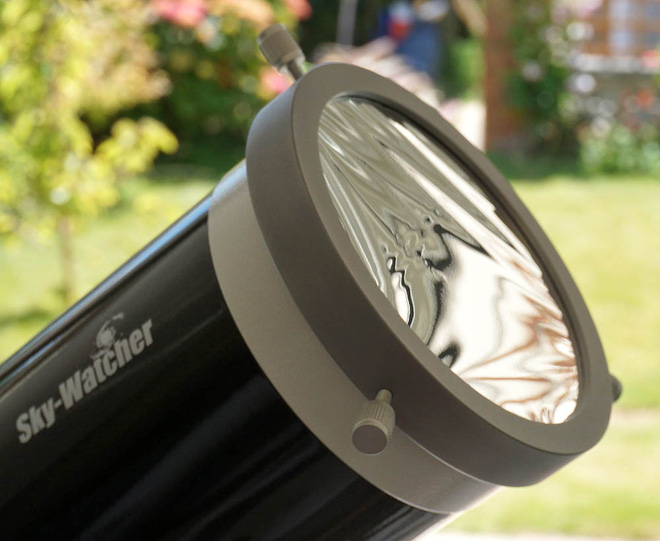 Solar filter plate (solar filter).
A safe way for you to observe the overhead fireball is to attach a solar filter made of chromium alloy or have a thin aluminum layer that can reduce the radiation caused by visible light and Infrared rays, into telescopes.
FAQ
What is ultraviolet rays?
Looking directly at the Sun or looking directly at where people are welding, that glare will affect our eyes.
What makes ultraviolet rays notable?
This article explains the key facts and context behind ultraviolet rays.
What are the key facts about ultraviolet rays?
Key Facts About Ultraviolet Rays The Sun produces three types of rays, visible light, infrared and ultraviolet rays.
Related Articles
 Surgery Can Permanently Change Your Eye Color to Blue2 minutes read
 10 Ways of Eye Muscle Training and Vision Enhancement Are Not to Be4 minutes read
 Car LiDAR Systems Can Permanently Damage Smartphone Cameras4 minutes read
 3 Natural Ways to Enhance Your Vision Effectively: Train Eyes9 minutes read
 8 Things to Avoid to Not Damage Your Raspberry Pi8 minutes read
 How to Permanently Delete Tik Tok Account on the Phone4 minutes read
Reader Comments 0
Sign in with email or Google to join the discussion.