Table of Contents
This updated guide examines Not Yet Released, but iOS 13 Has a Security Hole That Bypasses and organizes the essential facts, background, and practical takeaways in clear American English.
According to Jose Rodriguez, he has discovered and reported this vulnerability to Apple since July but is currently not yet being fixed in the upcoming iOS 13. Jose Rodriguez discovered that this vulnerability still exists on the Gold Master (GM) version of iOS 13, which was released on September 11.
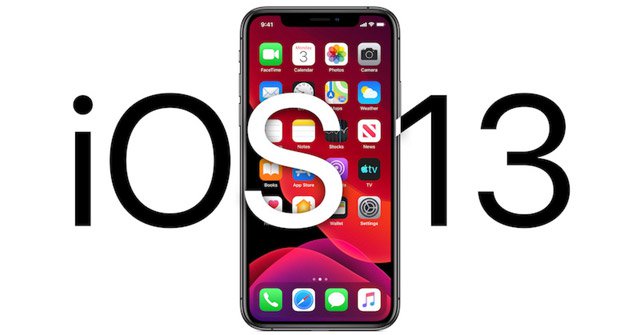
This lock screen exploit flaw was discovered last year by Rodriguez on iOS 12.1. On iOS 13, the flaw also works the same way, which involves triggering a FaceTime call, then accessing Siri's VoiceOver feature and thereby accessing your contacts. From the contacts list, hackers can collect email addresses, phone numbers, address information.
Rodriguez said Apple could fix the vulnerability in iOS 13.1, which is set for release on September 30.
- iOS 13 will be officially released on 9/19, what to prepare before upgrading
- Apple released iOS 13.0 GM, please experience
FAQ
What is Not Yet Released, but iOS 13 Has a Security Hole That Bypasses about?
It provides a structured overview of ios 13, explains the main context, and highlights practical takeaways for readers.
Why does this topic matter?
Understanding the main concepts helps readers evaluate the issue, avoid common mistakes, and make better-informed decisions.
How should readers use this information?
Use the guidance as a practical starting point, confirm details that may have changed, and follow current product, safety, or security recommendations.
Related Articles
 9 Android Phone Lock Screen Security Settings9 minutes read
 8 Best Lock Screen Apps for Android: Lock Screen App for Android7 minutes read
 14 Best Android Screen Lock Apps for Your Creativity11 minutes read
 Is It Safe to Lock the Android Screen?5 minutes read
 Custom Android Lock Screen Tips You Shouldn't Overlook7 minutes read
 How to Customize iPhone Lock Screen4 minutes read
Reader Comments 0
Sign in with email or Google to join the discussion.