Table of Contents
This guide provides a clear, practical overview of "Microsoft Is About to Open Source the Windows 11 User Interface". It organizes the most useful details, explains important considerations, and highlights the steps or choices that matter most.
Microsoft says that the process of open sourcing WinUI cannot be done in a 'click', because the framework is tightly coupled with many proprietary layers of the operating system that cannot be released in their original form. Therefore, the company needs time to separate out which parts can be shared publicly with the community, and which parts must remain private.
'Many people have asked about fully open-sourcing this project. While we can't commit to a specific timeline for completing the entire roadmap, the team is working towards it step by step. This isn't a 'one-and-done' thing, it's a deliberate process,' a Microsoft representative shared.
In addition, the development team must also prioritize other factors such as security, stability, and compatibility with existing products.
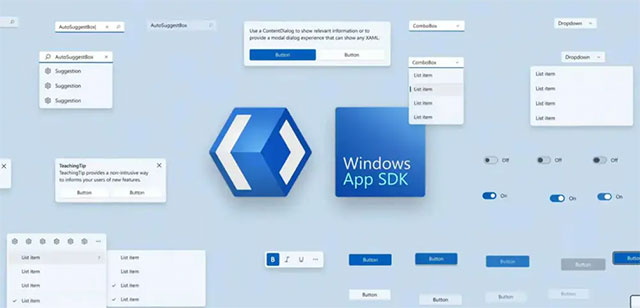
The WinUI open source plan will be implemented in stages:
Phase 1: Increase code sync frequency. Soon after the release of WASDK 1.8 in late August, Microsoft will begin pushing internal updates to GitHub more frequently – to increase transparency and show the community the progress of the deployment.
Phase 2: Allow external developers to build the source code locally. Third-party developers will be able to clone the code repository and build on their own machines, with documentation to help them set up and configure dependencies.
Phase 3: Support for contributions and testing. The community can submit pull requests and run live tests. Microsoft is working on removing private dependencies and improving the testing system for public availability.
Phase 4: Shift development focus to GitHub. GitHub will become the primary platform for development, issue tracking, and community interaction. Internal clones will be phased out.
The WinUI open source process will be a gradual one, and users can follow updates on the official GitHub tracking board. In the meantime, Microsoft encourages the community to contribute by submitting feedback, creating clear and quality issues, or voting on existing suggestions.
FAQ
What should you know about the WinUI open source plan will be implemented in stages:?
Phase 1: Increase code sync frequency. Soon after the release of WASDK 1.8 in late August, Microsoft will begin pushing internal updates to GitHub more frequently – to increase transparency and show the community the progress of the deployment.
What does this guide cover?
This guide explains Microsoft is about to open source the Windows 11 user interface, including the main steps, important details, and practical considerations.
Who is this guide for?
It is designed for readers who want a clear, practical overview and a reliable process they can follow without unnecessary complexity.
Related Articles
 Microsoft Has Revealed the New Windows 10 Interface3 minutes read
 10 Reasons to Choose Ubuntu 12.10 Instead of Windows 812 minutes read
 Microsoft Edge: Complete Guide: The ''windows 11 Style'' Microsoft Edge4 minutes read
 15 Open Source Tools or to 'Manage' Windows9 minutes read
 Microsoft Admitted It Was Wrong About Open Source3 minutes read
 Microsoft and the Process of Changing from an Evil Empire to an Ideal Model6 minutes read
Reader Comments 0
Sign in with email or Google to join the discussion.