Table of Contents
This guide covers learn to use lesson 5 computer - notebook with practical context and easy-to-follow details. Use it to understand the subject and apply the information confidently.
What Is a Laptop?
How Is a Laptop Different from a Desktop Computer?
Because laptops are designed to optimize mobility, there will be some important differences between them and desktop computers. First, the laptop will have an all-in-one design, with an integrated screen, keyboard, touchpad (replacing the mouse), and speakers on the same device, not as discrete as they are desktop. This means that the laptop will be fully functional and can function normally even if no peripherals are connected. A laptop can also be set up faster and take up less space.
You will also have the option to connect to normal mice, a larger screen and other peripherals. But doing this basically means you've turned your laptop into a desktop computer, with just one key difference, that you can easily disconnect peripherals and Bring your laptop anywhere.
You can summarize some of the main differences between other laptops and desktops as follows:
Touchpad: Touchpad or touchpad, is a tap keyboard that allows you to control the cursor by performing motion with your fingertips.
Battery: Each laptop uses a battery, allowing you to still use it when not connected to a power source. Whenever you plug a laptop into a power source, the battery will be recharged.
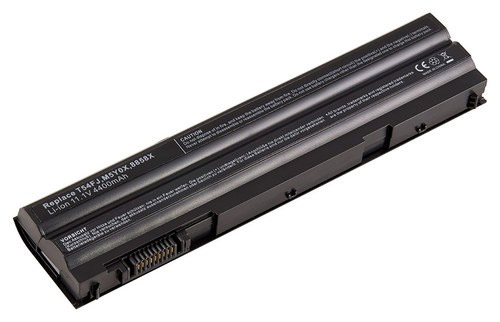 AC adapter: Laptops usually have a dedicated power cable called an AC adapter (AC adapter). This is a charger designed for use with a specific type of laptop. It means that each different laptop line or carrier will use different chargers. However, today people tend to use the USB Type-C connector as the standard charging port for mobile devices including laptops.
Ports: Most laptops use the same types of connectors as desktops (such as USB), although they often have fewer ports to optimize the size. However, some connectors on these two types of computers may also be different and you will need an adapter to use them.
- Use slots on laptops
Price: Generally, laptops tend to be more expensive than a desktop computer with the same configuration and performance because it has a compact design so the components used will be more complex and expensive. So if you don't have to move a lot, you should invest in a desktop system that will give you much better performance and configuration.
FAQ
What should I check before following these steps?
Confirm device and software compatibility, save important data, and make sure you have the required permissions, files, and account access.
Why might the process not work?
Common causes include outdated software, missing permissions, incompatible hardware, an unstable connection, or completing a step in the wrong order.
Can I undo the changes if necessary?
That depends on the tool or setting. Use built-in restore options when available, keep a backup, and record the original configuration first.
Related Articles
 Review Notebook 9 Pro: Performance, Battery Life and Good8 minutes read
 Learn to Use Lesson 2 Computer - Basic Parts of the Computer8 minutes read
 Top 5 Notebook Manufacturers Reduce Shipments3 minutes read
 Learn to Use Lesson 3 Computer - Basic Buttons and Ports on the Computer10 minutes read
 Asustek 17. 3-inch 3D Notebook Is Available in the First Quarter of 20103 minutes read
 Learn to Use Lesson 20 - Learn How to Use a New Program8 minutes read
Reader Comments 0
Sign in with email or Google to join the discussion.