Table of Contents
Stitch is Google's experimental AI design tool, launched last year, that generates code from simple text prompts.
Google Labs product director Rustin Banks has revealed the latest update to the company's Stitch tool in the form of "vibe design." Stitch is Google's experimental AI design tool, launched last year, that generates code from simple text prompts. This new concept of vibe design builds on what we've seen with emotion programming but targets designers, allowing them to create interfaces from idea descriptions, rather than from basic sketches. There's a lot to analyze here.
Currently, we are developing Stitch into an AI-powered software design platform. With Stitch, anyone can create, edit, and collaborate to translate natural language into high-quality user interface designs.
- Rustin Banks, Product Manager, Google Labs
What Is Google Stitch?
Google Stitch is an AI- powered platform from Google Labs that transforms text prompts, sketches, or screenshots into complete, high-quality user interface designs and frontend code in minutes.
The Benefits That Vibe Design Offers
A Wide-open Creative Space
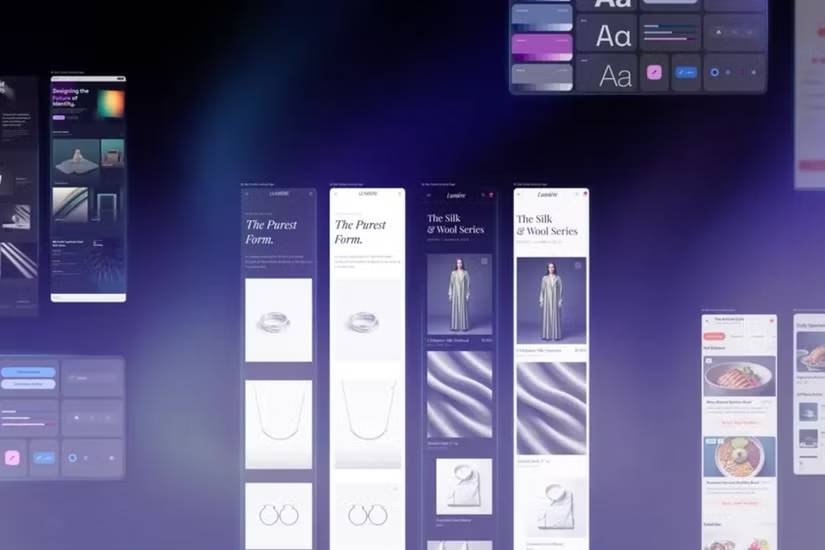
The biggest update to Stitch is the all-new, AI-integrated canvas, which provides users with unlimited thinking space and allows you to add prompts, screenshots, code snippets, and other sources of inspiration into a single workspace. In other words, it boosts creativity by bringing ideas, in whatever form, directly onto the canvas so you can have everything in one place without having to open different applications.
Designers also receive a personalized AI agent that will work alongside them. It tracks what you do, how you do it, and how you want things done, while also monitoring the entire project as you work. So, whenever you ask it for suggestions, critiques, or feedback, it already knows the context. Google has also added the option to extract design rules from any existing website, colors, and typography and save them as a file named "DESIGN.md," saving you time and effort from having to rebuild similar design tokens in each new tool.
Stitch not only designs itself but also transforms static interfaces into interactive, clickable prototypes so you can design from a user's perspective. All you need to do is type in text or use voice control to give a prompt like "Design a landing page for my music app ," and Stitch will provide you with dozens of UI designs to choose from. The rest is handled by Stitch.
Stitch Will Not Replace Designers

With every new AI tool, a common question is whether it will replace the experts in that field. And with Stitch, it's a tool that can help you get things done faster when you're in a hurry or want a first draft but don't know where to start. It works similarly to downloading the Figma UI toolkit: a great starting point, but not a replacement for professional designers. Yes, it might be daunting for beginners at first, but Stitch is also the kind of tool you can learn a lot from and develop your skills with. It's both sides of the same coin.
Stitch can also be integrated into other tools and workflows, meaning its capabilities aren't limited to UI design using prompts. Through the Stitch MCP server and SDK, you can leverage Stitch's capabilities through skills and tools or export your designs to developer tools like AI Studio and Antigravity. You can also use Stitch alongside other UI design applications like Figma or open-source alternatives to create your desired product.
Stitch Is Free to Use
Designers, creators, and anyone wanting to experiment with Stitch can try the tool for free. With the creative freedom Stitch offers, we can expect to see some interesting results from this tool. Google hasn't confirmed how or if pricing will change based on the use of AI tokens, but currently, the tool isn't limited by usage fees.
FAQ
What is the main point of learn about stitch: google's new ai tool?
Stitch is Google's experimental AI design tool, launched last year, that generates code from simple text prompts.
Why is this development important?
Key takeaway: Stitch is Google's experimental AI design tool, launched last year, that generates code from simple text prompts.
What are the key takeaways?
Google Labs product director Rustin Banks has revealed the latest update to the company's Stitch tool in the form of "vibe design." Stitch is Google's experimental AI design tool, launched last year, that generates code from simple text prompts.
Related Articles
 Lilo & Stitch Review: Unnecessary Remake or Successful Live - Action?6 minutes read
 Find Inspiring User Interface Design with Collect UI: Web Design4 minutes read
 Find Inspiration to Design User Interface with UIDB: Web Design4 minutes read
 Invite Download Power-User, Create Professional Slide for PowerPoint3 minutes read
 Want to Create a Web Interface Where to Start?: Create Web Interface8 minutes read
 Bazaart - AI Photo and Video Editing App: Key Facts6 minutes read
Reader Comments 0
Sign in with email or Google to join the discussion.