Table of Contents
This practical guide walks through how to install Software and Applications on Linux. It organizes the required steps, settings, and checks so you can complete the task with fewer mistakes.
The software installation systems of Linux distributions have much in common with app stores. Here you can install most software and software updates in a consistent manner.
Review TipsMake's article on how to install software and applications on Linux below to learn the steps to install software and applications on Linux.

Instructions for installing software and applications on Linux
Install the Software from Your Linux Distribution's Repository
Most of the software and applications we want to install are available in the software repository of the Linux distribution. Select the package you want to install and the package manager will automatically download the package, retrieve other software packages required by the software and application, and install it.
On Ubuntu, the program that manages library packages is Ubuntu Software Center - the orange bag icon on the dock. Use this interface to search for packages and install.
You can search for a type of app like a video player or a specific app like VLC. then choose the Download Button, enter the password and the library package management program will do the rest.

Each Linux distribution will have its get software repository and library package management program, but practically all Linux distributions use a software repository system that works this way. For example, on Linux Mint, you can use the Software Manager application instead.

Additionally, you can install software packages and applications by opening Terminla and running the Apt-get Command on Ubuntu.
Install Proprietary Software on Linux
Some software and applications are not available in the software store of Linux distributions, including Google Chrome browser, Skype, Steam and Opera browser.
Linux distributions do not have a license to redistribute these software, so we will have to download the applications from the source. To download this software, visit the software homepage, then find and select the Download Button.
You will now be prompted to select the package appropriate for your Linux distribution. TipsMake recommends that you choose the package that matches the Linux distribution you are using. For example, Skype offers the Ubuntu 12.04 (multiarch) package, which is the current version, so the ideal solution is to use the package on Ubuntu 14.04.
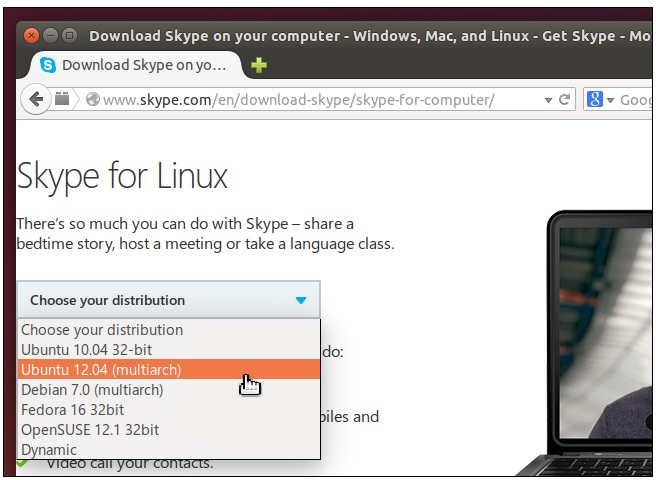
Different Linux distributions use different package formats and filename extensions. Ubuntu, Linux Mint, Debian, and related systems use DEB packages with the . deb . Fedora, Red Hat, openSUSE, and several other distributions use . rpm.
Double-select the downloaded package to open the package installer and complete the remaining steps. For example, double-select the downloaded. deb file, then choose Install And enter your password to install the package on Ubuntu.
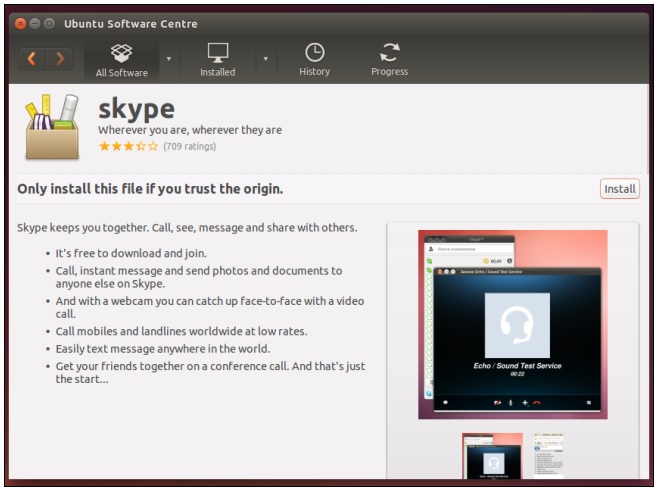
You can also install packages from the Terminal, for example by running Dpkg -I In a Terminal window on Ubuntu.
Other Ways to Install Software and Applications on Linux
In addition to the two methods above, you can use several other approaches to install software on Linux:
- Use a third-party repository: Anyone can create a software repository, package applications, and distribute them. A third-party repository may provide software that is not available in your distribution's official repositories.
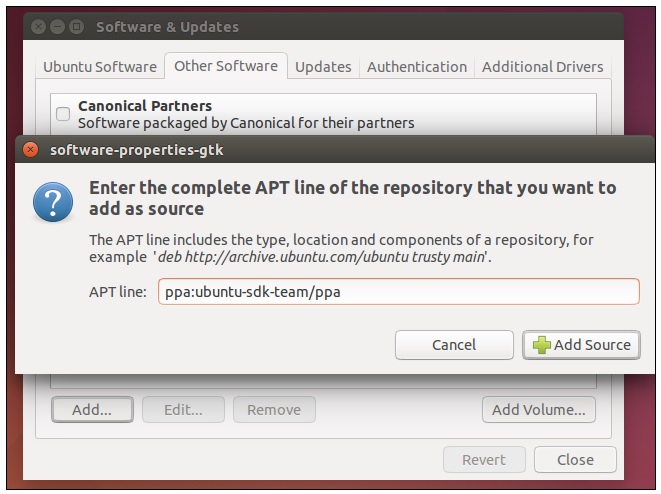
For example, Ubuntu supports Personal Package Archives (PPAs). After adding a PPA to the package manager, its packages can appear in Ubuntu Software and other package-management tools. This is a common way to access packages that are not included in the official repositories.
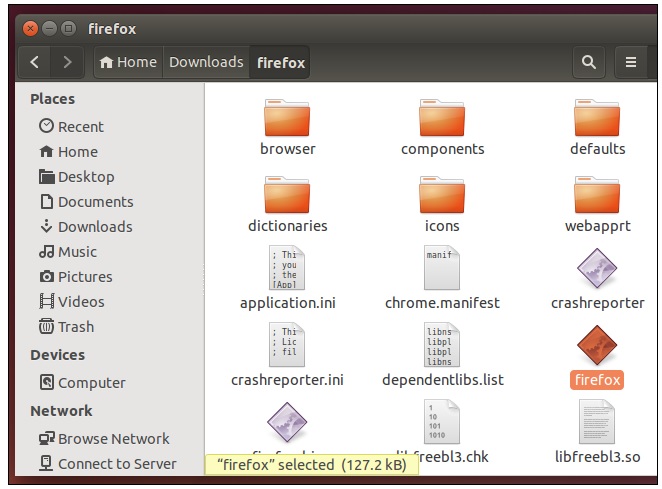
- Extract a precompiled binary: Some Linux software is distributed as precompiled files that can run without a traditional installation. For example, a. tar. bz2 download is an archive similar to a ZIP file. Extract it to a folder, then run the executable inside.
Mozilla also provides downloadable. tar. bz2 builds. You can extract the archive to any folder and run the Firefox executable without installing a package.
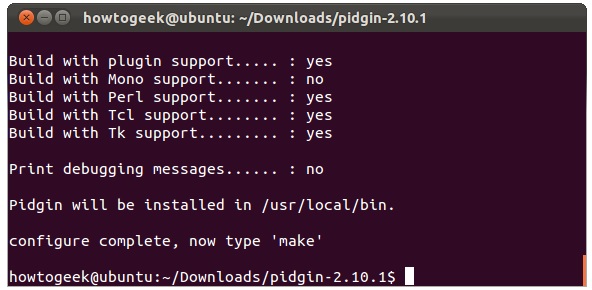
- Compile from source: Most Linux users do not need to compile software from source because distributions package and maintain commonly used applications. Many projects publish source code, while Linux distributions handle packaging and delivery.
If your distribution does not provide the package or version you need, you can compile it from source. This approach is best suited to experienced users.
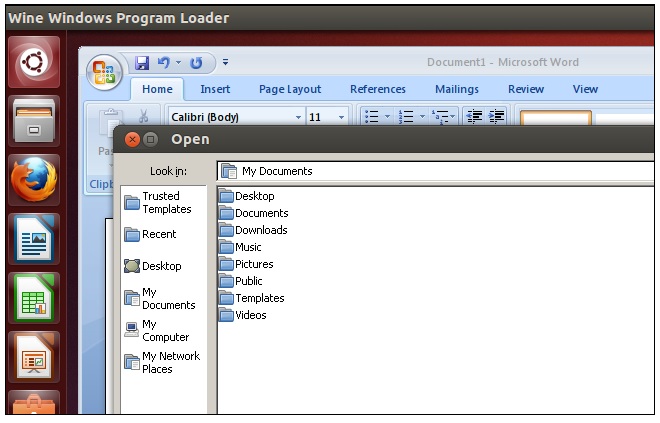
- Install Windows software: Windows software does not run on Linux. However, we have several ways to install and run Windows software on Linux, including the Wine compatibility layer, or installing Windows on a virtual machine. By using software designed for Linux to get a more stable and better experience than native Linux software.
The library package management program regularly checks its software repository for the current versions of packages. This is how all the software on your system can update from one place.
When installing 3rd party packages, it can also install software repositories for easier updates. For example, Google Chrome installs files pointing to the browser's official repository when users install Chrome on Ubuntu. When the current versions of Chrome are released, they will be available in the Update Manger app along with all other updates. Apps don't need separate built-in updates, like on Windows.
The above article TipsMake has just shown you how to install software and applications on Linux. In addition, readers can review some articles available on TipsMake to learn basic shell commands on Linux.
FAQ
What do I need before I install Software and Applications on Linux?
Prepare the required device, software, account access, and any files mentioned in the steps. Back up important data before changing system settings.
Why does the process look different on my device?
Menus and options can vary by operating system, app version, device model, or region. Use the closest matching setting and check the official documentation when needed.
What should I do if a step does not work?
Restart the app or device, confirm permissions and connectivity, update the software, and repeat the step carefully. Avoid unofficial downloads or tools.
Related Articles
 How to Install Software and Applications for Linux Operating10 minutes read
 Why Don't Developers Make More Apps for Linux?10 minutes read
 How to Run Windows Applications on Linux with Wine8 minutes read
 Instructions for Installing Windows Software on Linux with5 minutes read
 How to Execute.run Or.bin Packages in Linux3 minutes read
 Instructions for Installing Kali Linux on Windows 10 Are Easier6 minutes read
Reader Comments 0
Sign in with email or Google to join the discussion.