Table of Contents
Follow the instructions below to use media volume sync on samsung galaxy s8 efficiently and safely. Each section focuses on the actions, settings, and troubleshooting details that matter most.
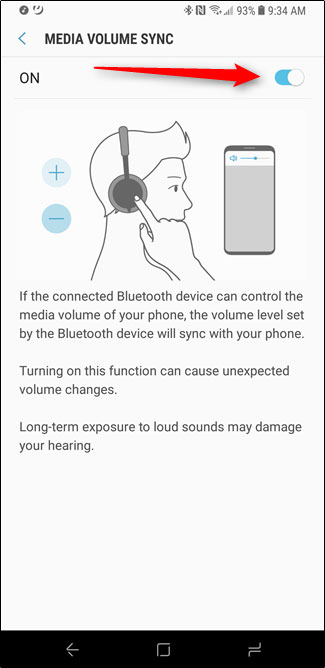
Media Volume Sync connects the volume level of the Bluetooth device to the Bluetooth volume level on the phone. So instead of having to adjust on each device, you only need to adjust once. Google Pixel already has this feature and on Galaxy S8, this feature is also enabled by default. Because Galaxy S8 uses Bluetooth 5.0, users can control Bluetooth connection better, use their own volume and Bluetooth Audio device if desired.
How Use Media Volume Sync on Samsung Galaxy S8 Works
However, Bluetooth devices often have smaller volume than phones, even when you turn on the maximum. So if the two actions of adjusting the volume on two devices make the experience uncomfortable, you can turn this feature off.
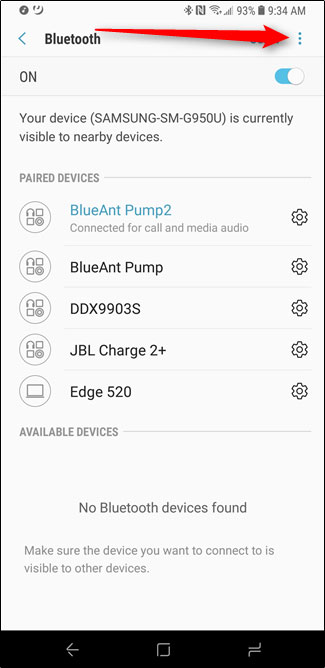
Step 1: Open Settings > Connections > Bluetooth. Another way is to touch the Bluetooth Button located in Quick Settings.


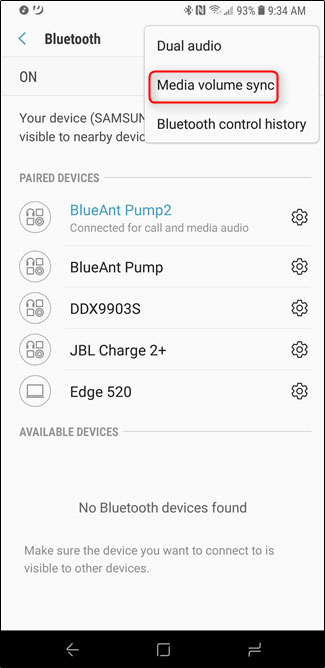
Step 2: Tap the 3 dots icon in the right corner of the screen. When your phone and Bluetooth Audio device are connected, turn on / off Media Volume Sync By dragging the slider to On / Off.
FAQ
What should I prepare before I use media volume sync on samsung galaxy s8?
Review the requirements in the guide, confirm that your device or software is compatible, and save important work before changing settings related to use media volume sync on samsung galaxy s8.
Why might use media volume sync on samsung galaxy s8 not work as expected?
The most common causes are incompatible versions, missing permissions, incorrect settings, or an interrupted internet connection. Recheck each step and restart the app or device when appropriate.
Can beginners follow these use media volume sync on samsung galaxy s8 steps?
Yes. Follow the steps in order, avoid skipping confirmation screens, and compare your interface with the screenshots because labels may differ slightly between versions.
Related Articles
 Official Information About Samsung Galaxy S8, S8 Plus: Price, Date of Sale, Specifications12 minutes read
 How to Take a Snapshot on Samsung Galaxy J7 Pro5 minutes read
 Galaxy S20 and S20 +:+: Snapdragon 865 // Exynos 990, 8 // 12gb4 minutes read
 How to Set an iPhone Volume Limit for Loud Media4 minutes read
 Review Samsung Galaxy S20: First 5g Phone in 20207 minutes read
 8 Useful Apps on Samsung Galaxy S218 minutes read
Reader Comments 0
Sign in with email or Google to join the discussion.