Table of Contents
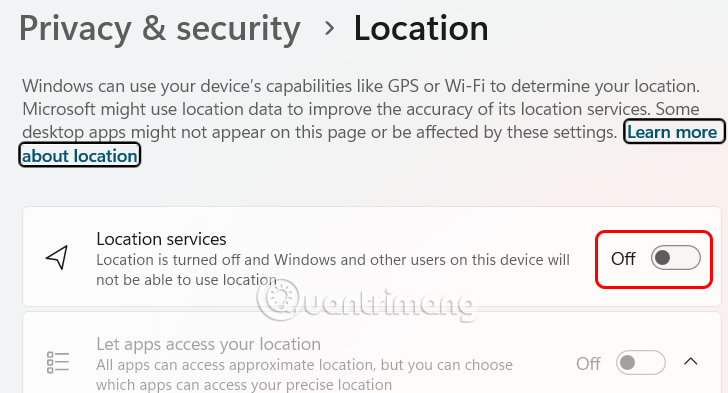
Open Settings > Privacy & security > Location to turn off Windows Location services. If you need location for maps or another app, leave the service on and limit the apps or websites that can request it.
Change Windows Location services
Press Windows + I, navigate to Privacy & security > Location, and turn off Location services if you do not need it. Features that use Windows location, such as some map or device-finding functions, can be affected.
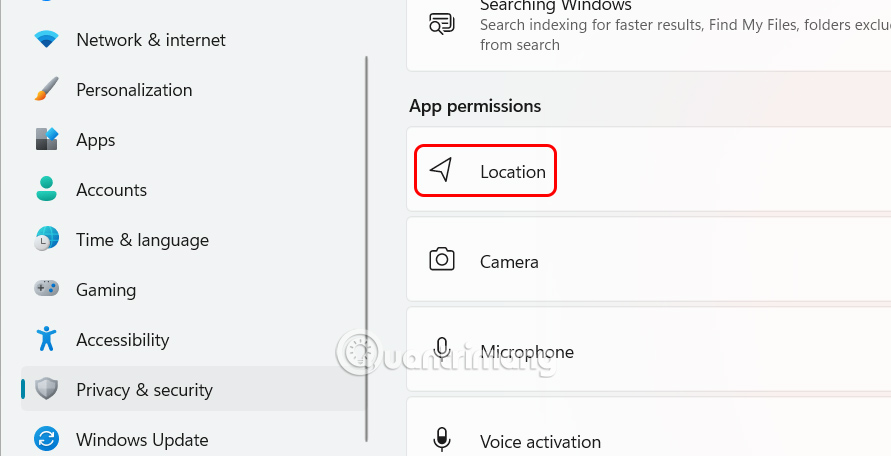
Limit individual apps
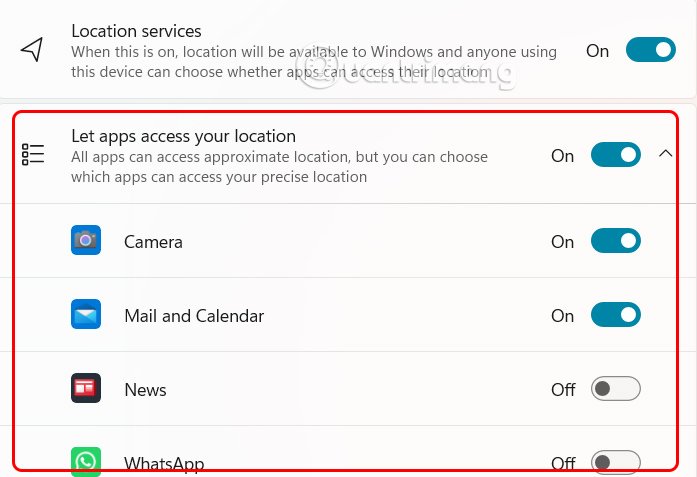
Leave Location services on and review Let apps access your location. Change per-app switches where Windows provides them. Desktop programs may not have individual switches. Review their own settings too. See Microsoft’s location service documentation for exceptions.
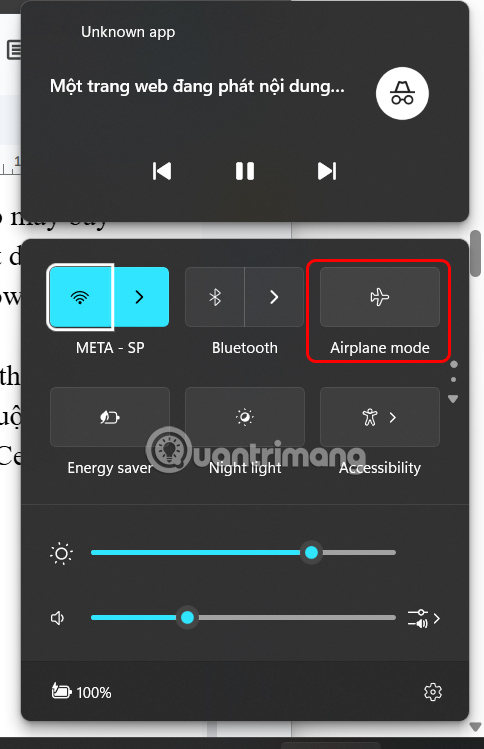
Airplane mode controls radios
The Quick Settings shortcut shown here changes wireless radio settings. For a lasting change to app location access, use the Location page or browser settings.
Block or review browser location requests
- Chrome. Open Settings > Privacy and security > Site settings > Location. Block new requests and review any entry already allowed.
- Edge. Search Settings for Location to find the site permission controls. Check which sites are allowed.
- Firefox. Open Settings > Privacy & Security > Permissions. Next to Location, choose Settings and review permissions or block new requests.
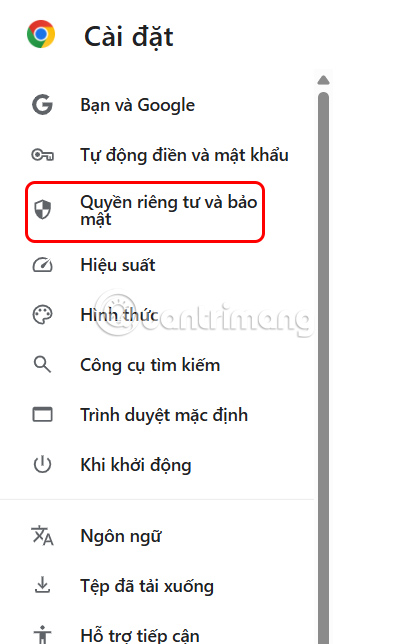
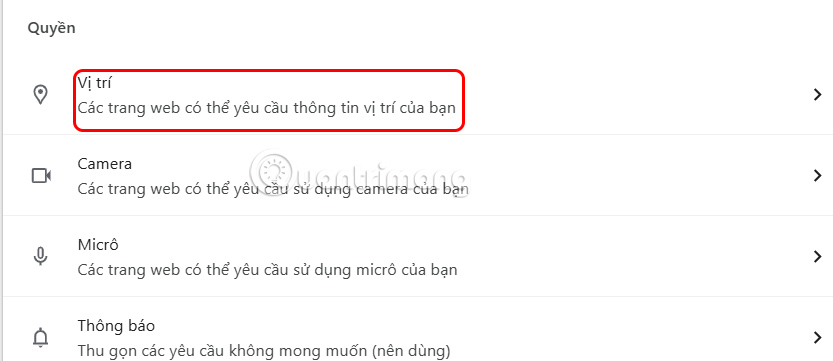
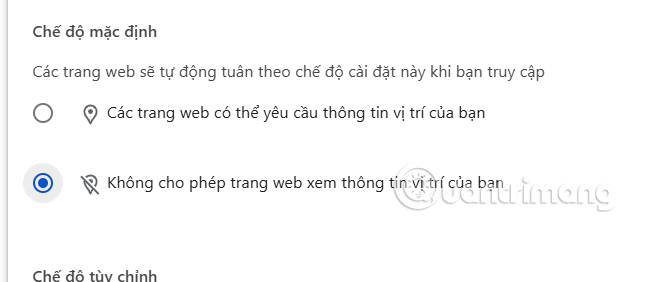
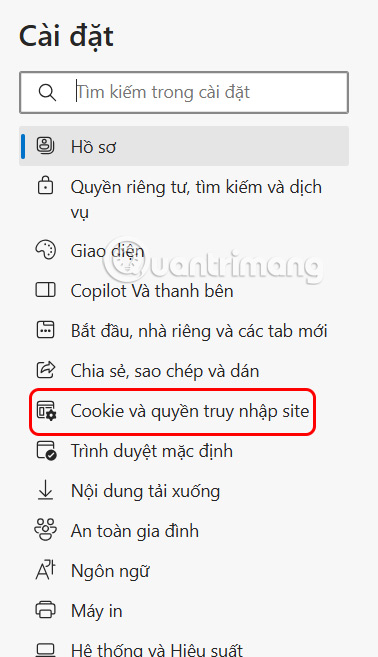
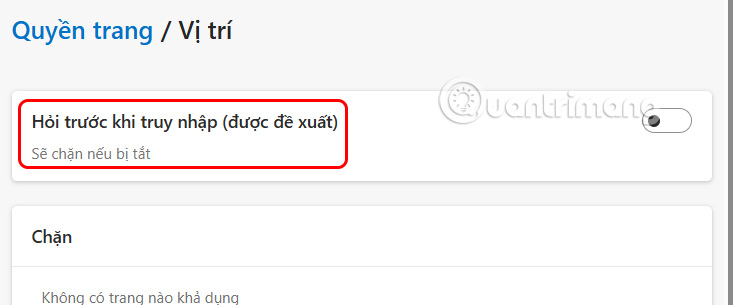
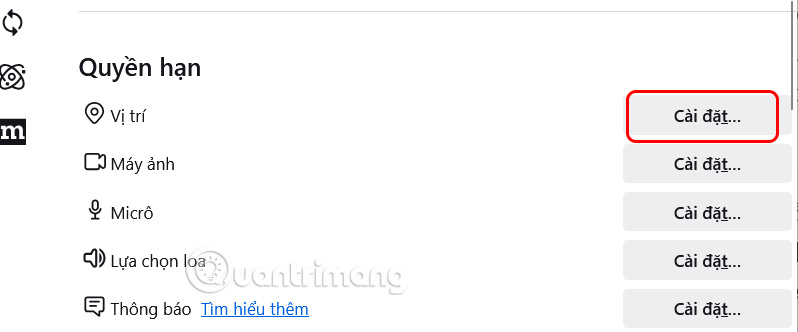
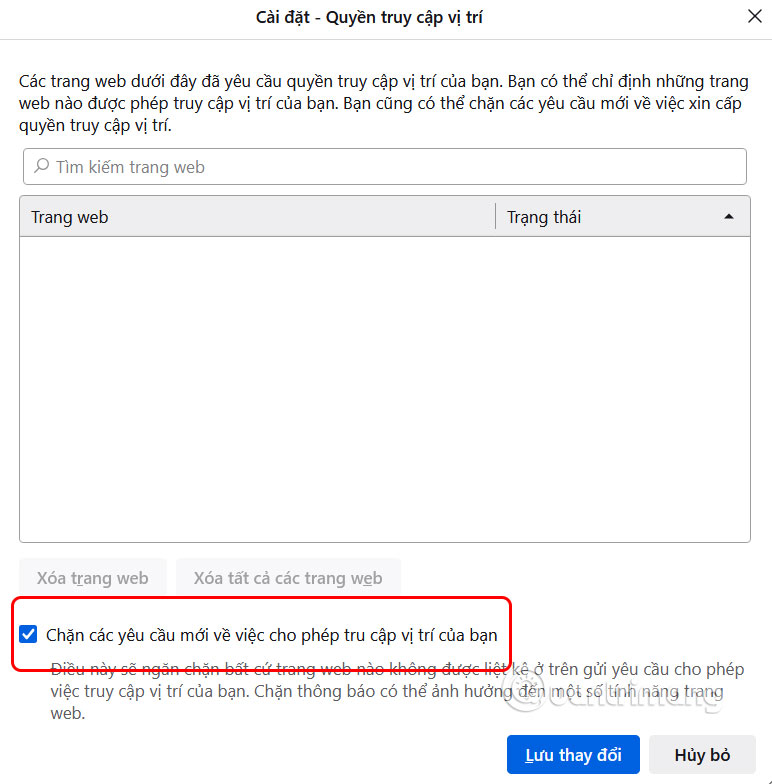
Check what those controls cover
Blocking location permissions restricts access to the location feature. Sites can still estimate a rough area from your internet connection, and services may have already stored activity. Review the relevant account’s privacy settings. See how to read Windows privacy indicators if the location icon still appears.
Related Articles
 Turn off location tracking on Windows 10
 How to turn on, turn off Location Sensing on Windows 7 and Windows 8
 Tracking position on smartphone: 1 benefit 10 harm
 Instructions to prevent Google from tracking your location
 Google keeps track of your location even when Location History is turned off
 3 ways to prevent websites from tracking your location on Google Chrome
Reader Comments 0
Sign in with email or Google to join the discussion.