Table of Contents
This practical guide explains how to speed Up Text Processing on Word in a clear sequence, including preparation, key settings, common mistakes, and troubleshooting steps.
What This Guide Covers
- Compress images in Word
- Delete comments in Word
- Use 1 formatting style for Word
If so, you can adjust the content in the document or adjust the format to speed up word processing in Word. Below are instructions to increase word processing speed on Word.
Compress images in Word
The default image resolution for pictures in Word is 220 PPI (pixels per inch). If there are many images, it may affect the speed of document processing. Therefore, you should compress images in documents.
Delete comments in Word
Comments are a convenient way to add notes to Word without affecting the content. However, if there are many comments, it also increases the size and significantly reduces the document processing speed.
So let's review the comments in the Word document, process them, or delete or hide them if we don't need them.
Use 1 formatting style for Word
Instead of having many different formatting styles in Word, you should use only one formatting style. This will greatly increase document processing speed.
Adjust tables in Word
Having too many tables in Word will increase the capacity of the document, but what should be done if the content is required?
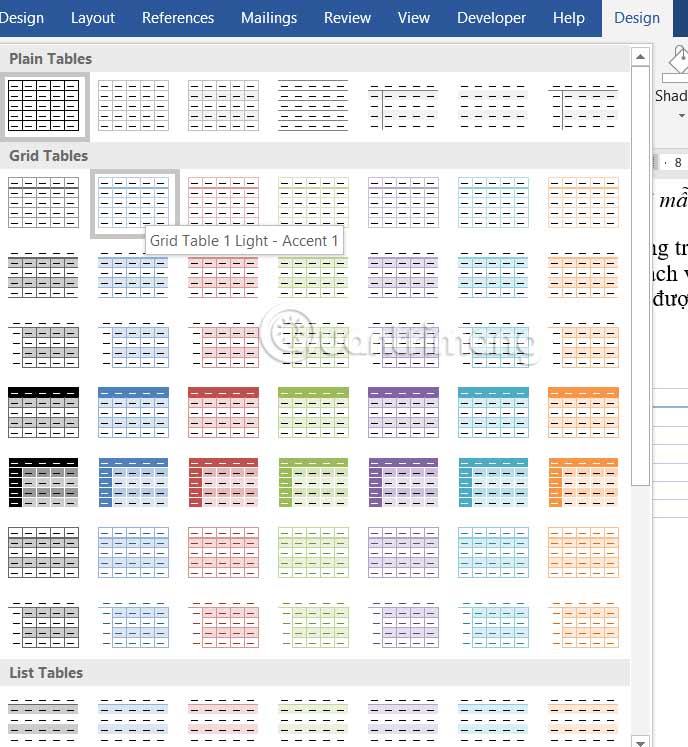
First, you should not use Word table formats that have too many details. You should choose simple table formats.
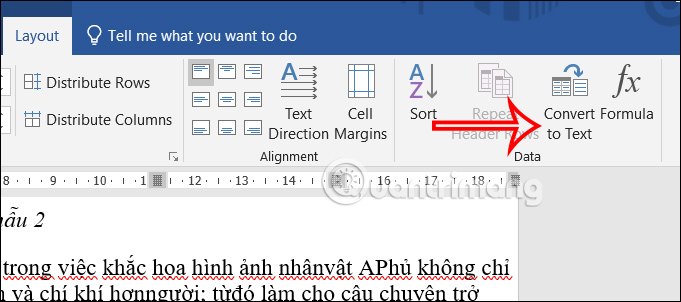
The second is to delete the table and still retain the table's contents, if it is not necessary to display the lines between each cell and the cells do not contain much data.
Turn off auto-save in Word
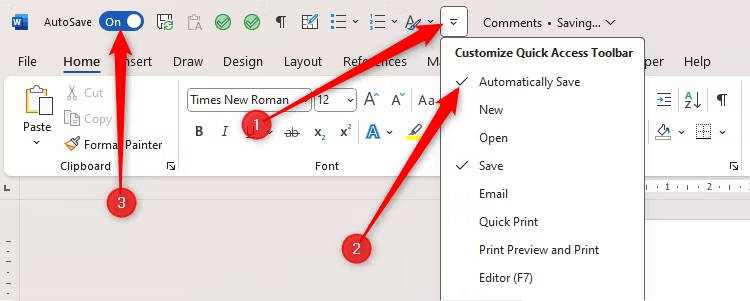
Microsoft's AutoSave feature automatically backs up documents to OneDrive. However, because the AutoSave feature works continuously in the background, it can slow down Word, especially with large documents.
Click on the AutoSave icon and then turn it off as usual . Note, during the process, you should save the document manually.
Check out Add-ins and Macros in Word
Using Add-ins and Macros in Word significantly increases the document's workload and is the reason why Word processes slowly. So check Add-ins and Macros in Word and delete them if they are no longer used.
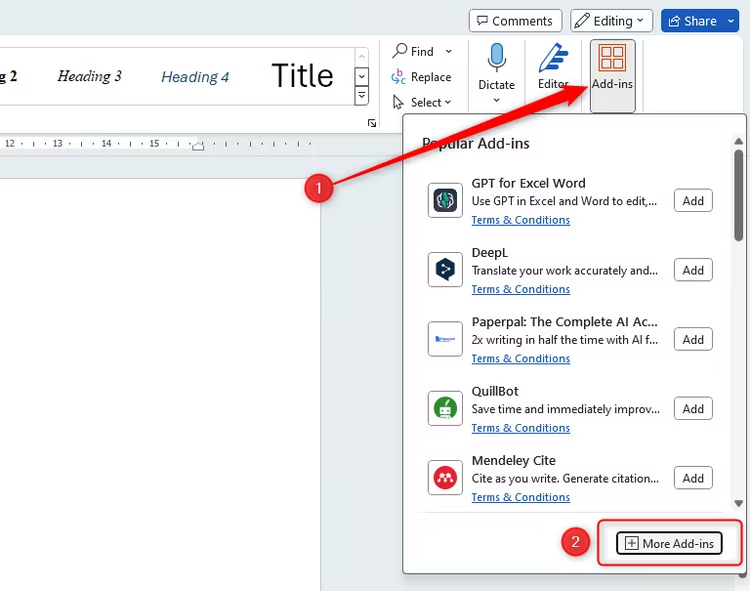
With Add-ins, click Add-ins in the Home interface, then click More Add-ins to display the list. Now Start by click on the add-in to delete it.
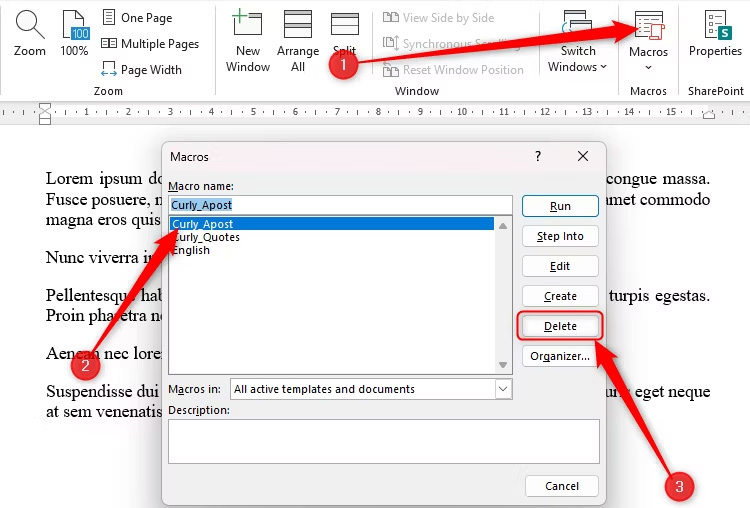
Click Macros in the View tab then click on the unused macro and select Delete to delete it.
Final Thoughts
Use the instructions and checks above in order, verify the result after each major step, and keep a backup whenever the process changes important files or system settings.
FAQ
What should I check before starting?
Confirm that your device or software version matches the instructions, save important data, and note the original settings before making changes.
What should I do if the steps do not work?
Restart the app or device, install available updates, review any error message, and repeat the steps carefully in the same order.
Can I undo the changes?
Many changes can be reversed, but the exact method depends on the feature. A backup or restore point gives you the safest way to recover.
Related Articles
 Invaluable Word Shortcuts When Processing Text4 minutes read
 How to Increase Effective Processing Speed in MS Word20 minutes read
 Do You Already Know Basic Text Processing?4 minutes read
 Quickly Translate Text Using Microsoft Word 20033 minutes read
 Useful Tips on Microsoft Word 20167 minutes read
 Copy and Move Text in MS Word with F2 Key: Microsoft Word3 minutes read
Reader Comments 0
Sign in with email or Google to join the discussion.