Table of Contents
Learning how to increase FPS for smoother gaming on PC doesn't have to be complicated. This updated guide presents a clear workflow, practical checks, and troubleshooting advice you can use while completing the process.
Key Takeaways
- Review i. Definition of FPS.
- Explore II. How to increase maximum FPS when playing games.
- Follow the recommended steps in order to avoid common mistakes with increase FPS for smoother gaming on PC.
I. Definition of FPS
FPS (Frames Per Second) is the number of frames displayed on the screen in one second. The higher the FPS, the smoother the image, helping to make operations faster when playing games.
What is the ideal FPS? - 30: Minimum, enough to play light games. - 60: Common standard, providing a smooth experience. - 120 and above: Ideal for professional gamers, helps with faster reflexes.
II. How to Increase Maximum FPS When Playing Games
1. Proceed to upgrade Driver
Old graphics drivers can cause FPS drops due to hardware mis-optimization. Updating drivers helps your graphics card perform more efficiently.
- Nvidia: Download the latest driver from Nvidia. - AMD: Update driver at ATI. - Intel: Download driver at Intel.

2. Use game acceleration software
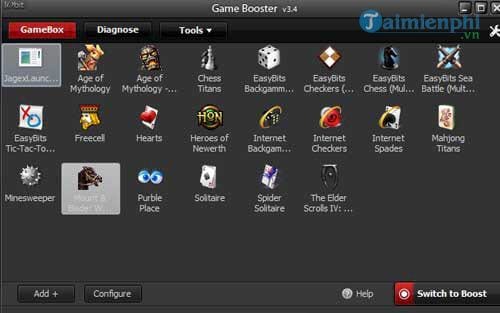
On the market today, there are many software that help you increase FPS games, of which Game Booster is famous among them. With the ability to optimize the computer when in use, remove background software and optimize RAM to help increase FPS games when playing. Downloading Game Booster to your computer and using it is also a choice worth trying.
3. Clean up your computer hard drive.
A cramped hard drive with lots of software and temporary files installed during use. The cache memory is empty and has not been freed up, which is also a reason why your computer's FPS drops. All tasks are also affected, including games when a component in Windows slows down. Sometimes you encounter a situation where the game takes a long time to load, the game often says Not Responding, then you have to think about cleaning up your computer's junk.
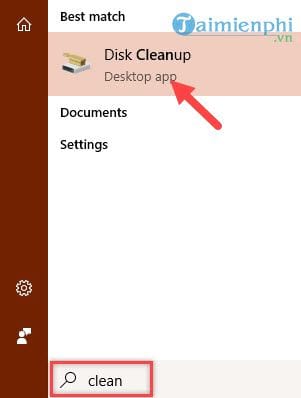
Step 1: In your computer there is a tool that helps you remove computer "garbage" which is Disk Cleanup. You can open this tool by opening the Start Menu, typing " clean " and clicking on the search result.
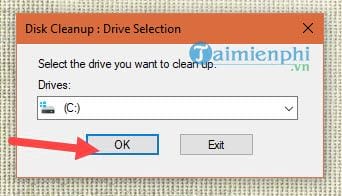
Step 2: Immediately after that, select the drive to clean up, you can select each drive in turn.
Step 3: Click Clean up system files to find and remove files deeper in the system.
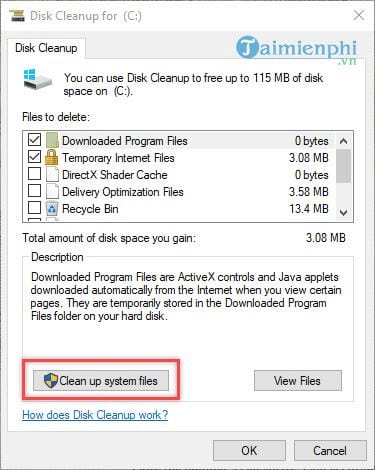
Step 4: Wait a moment for Disk Cleanup to restart, now you can more fully remove the "junk" components in your computer.
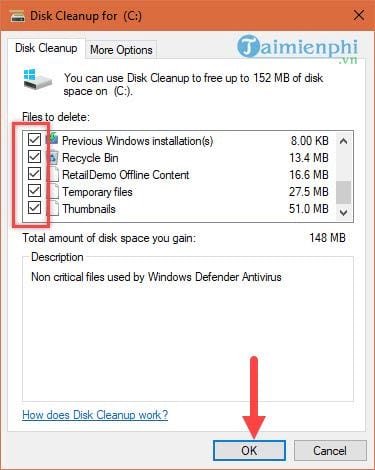
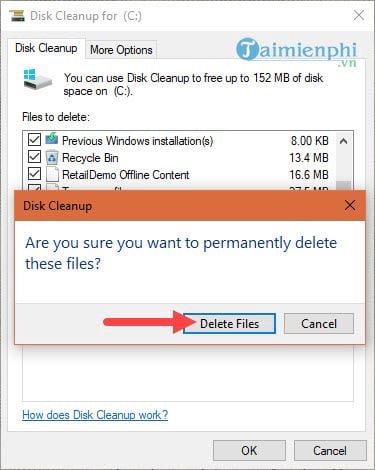
Immediately after the OK action, the system will ask you to confirm the deletion of these files. Click Delete Files to confirm the deletion of the files.
In addition to the above method, this guide also recommends that you use additional third-party software in case the available tools are not convincing enough for you. Readers can download CCleaner right here, CCleaner software is famous in the field of computer optimization, removing waste generated during computer use.
4. Turn on Game Mode
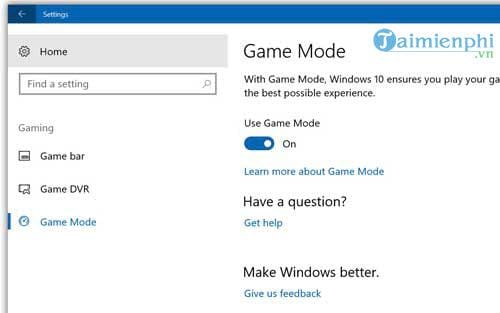
Windows 10 has a special built-in mode that helps you increase FPS games, which is Game Mode. This mode helps your computer prioritize most of the resources when you play any game. However, turning on Game Mode on Windows 10 is still in the development and completion stage, so sometimes when you turn on Game Mode on Windows 10, it will not be very effective.
Anyway this is a way worth trying to increase FPS games while playing.
5. Turn off anti-virus software.
Antivirus software is very effective when it helps you protect your computer, remove viruses that damage and slow down your system, but it also consumes many resources. That's why you need to turn off antivirus software right after it scans or during the game, this will more or less help you increase FPS games when playing.
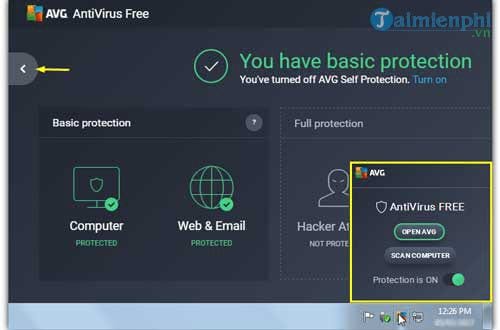
But depending on the antivirus software you are using, there are different ways to turn it off and it is not necessary to turn it all off. Sometimes, just turning off the Realtime protection feature is enough to reduce the amount of computer resources consumed by this software.
Increasing FPS when playing games helps the experience smoother, reduces lag, especially with games that require high graphics. Players need to combine driver upgrades, fine-tuning system settings and using optimization software. This helps you achieve optimal performance. In addition, freeing up memory and turning off background applications also contribute to improving computer performance when playing games. You should prioritize appropriate graphics settings to maintain a stable frame rate if your computer has a low configuration.
Final Thoughts
The most reliable way to handle increase FPS for smoother gaming on PC is to follow the process in order, verify each important setting, and test the result before moving on. Use the guidance above as a practical reference, then adjust the details for your device, software version, or specific goal.
FAQ
What should I check before I increase FPS for smoother gaming on PC?
Use the latest available software, confirm that your device meets the requirements, and make sure you have the necessary permissions, account access, or backup before changing anything.
Why might I be unable to increase FPS for smoother gaming on PC?
Common causes include outdated software, missing permissions, incompatible settings, incomplete setup steps, or a temporary network problem. Recheck the process from the beginning and restart the app or device if needed.
Is it safe to increase FPS for smoother gaming on PC?
It is generally safe when you use official tools, review every permission, and back up important data before making system-level or account-level changes.
Related Articles
 5 Customizations on Windows 10 Make the Game More 'Smooth'6 minutes read
 9 Simple Ways to Make Your Gaming Computer Run Smoother7 minutes read
 Top 5 Software to Increase Game FPS for Windows 10, 115 minutes read
 How to Improve Gaming Performance on Mac6 minutes read
 Intel Launches a Smoother Gaming Application on Intel HD Graphics, Inviting Download and Experience3 minutes read
 5 Top Gaming Keypads in 2024: Top Picks and Buying Guide8 minutes read
Reader Comments 0
Sign in with email or Google to join the discussion.