Table of Contents
This updated guide examines How to Edit the Hosts File on a Mac and organizes the essential facts, background, and practical takeaways in clear American English.
Method 1of 1:
Editing Using TextEdit
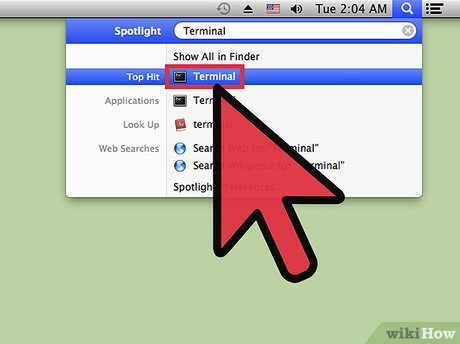 Open the Terminal app. You can use the Spotlight search functionality to do this.
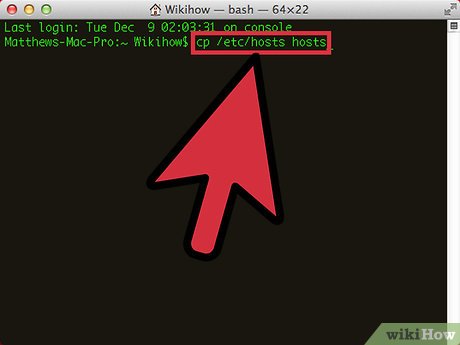 Copy the
/etc/hostsfile to a local file to be able to edit it.- Type the command:
cp /etc/hosts hosts.
- Type the command:
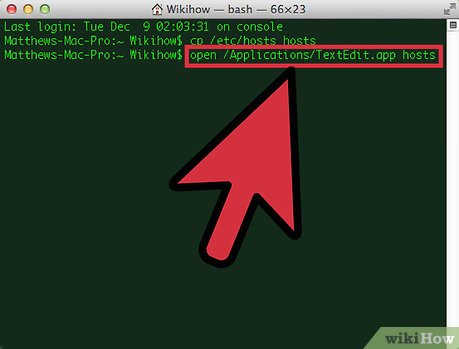 Edit the copy of the
hostsfile using TextEdit .- Type the command:
open /Applications/TextEdit.app hosts
- Type the command:
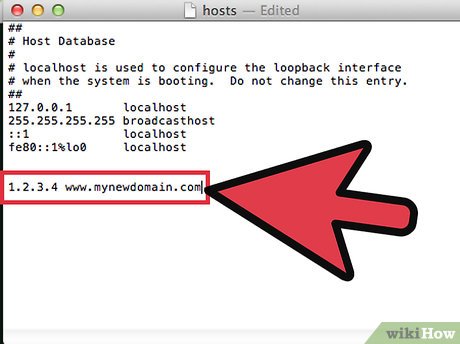 Add your new hosts file entry as a single line at the bottom of the file. The format of the line is "
1.2.3.4 www.mynewdomain.com", where1.2.3.4is the IP address andwww.mynewdomain.comis the domain you want to point at the IP address. Copy the file hosts over top of the system /etc/hosts file. Do this by typing:
sudo cp hosts /etc/hosts.- You will be prompted for your password at this point because you are overwriting the system
/etc/hostsfile. Note that on the command line, when you type a character into the password field, nothing at all will appear.
- You will be prompted for your password at this point because you are overwriting the system
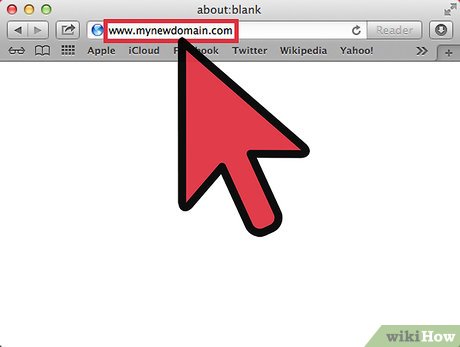 Test your new local domain name by typing the domain name into your web browser.
- Note: your new domain name will not work until you have a web server responding at the IP address you specify!
FAQ
What is How to Edit the Hosts File on a Mac about?
It provides a structured overview of hosts, explains the main context, and highlights practical takeaways for readers.
Why does this topic matter?
Understanding the main concepts helps readers evaluate the issue, avoid common mistakes, and make better-informed decisions.
How should readers use this information?
Use the guidance as a practical starting point, confirm details that may have changed, and follow current product, safety, or security recommendations.
Related Articles
 How to Edit the Hosts File in Windows 10 Safely8 minutes read
 Edit Hosts File: How to Fix Hosts File on Mac4 minutes read
 How to Reset Hosts File on Windows 7/8 // 8.1 and Windows 104 minutes read
 How to Edit the Host File, How to Edit the Host File, Read and Open the3 minutes read
 Block the Website by Hosts Files on Windows 87 minutes read
 How to Modify and Manage Hosts Files on Linux9 minutes read
Reader Comments 0
Sign in with email or Google to join the discussion.