Table of Contents
This updated guide explains how to Change a File Extension through clear steps, practical examples, and important checks that help prevent common errors.
Method 1 of 4:
Changing a File Extension in Nearly Any Software Program
-
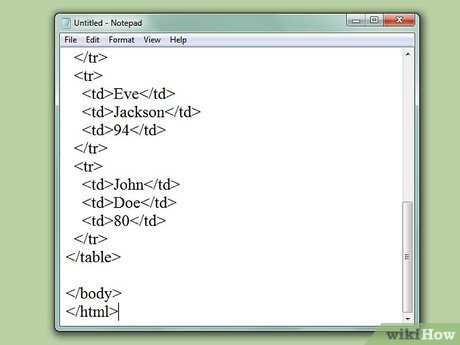 Open a file in its default software program.
 -
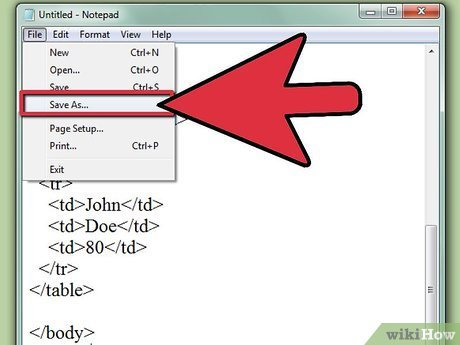 Click the File menu, and then click Save As.
 -
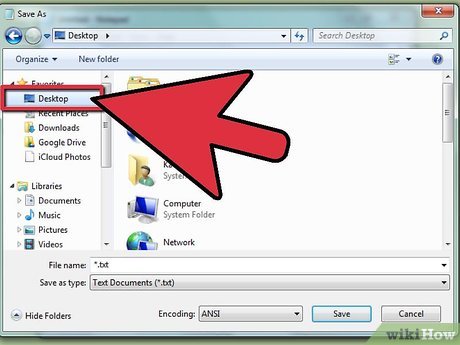 Choose a location for the file to be saved.
 -
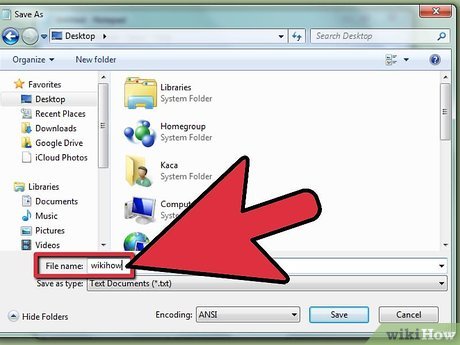 Name the file.
 -
 In the Save As dialog box, look for a dropdown menu labeled Save As Type or Format.
 -
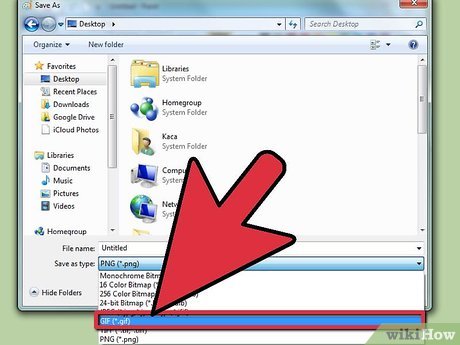 Choose a new file type for the file from the dropdown menu.
 -
 Click the "Save As" button. The original file will still be open in the software program.
 -
 Find the new file where you chose to save it.
Method 2 of 4:
Making File Extensions Visible on Windows
-
 Open the Control Panel. Click the Start menu, and then click Control Panel. If you're using Windows 8, click here.
 -
 Click Appearance and Personalization. You xan find this in the Control Panel.
- On Windows 8, in the ribbon, click Options.
-
 Click Folder Options.
 -
 Click the "View" tab, in the Folder Options dialog box.
 -
 Make file extensions visible. In the Advanced settings list, scroll down until you see Hide extensions for known file types. Click the box to uncheck it.
 -
 click Apply, and then click OK.
 -
 Open the Windows Explorer file browser to see the file extensions.
Method 3 of 4:
Making File Extensions Visible on Windows 8
-
 Open Windows Explorer.
 -
 Click the View tab.
 -
 Check the File name extensions box in the View/Hide section.
 -
 Observe the location of file extensions. When you open a new Windows Explorer window, file extensions are visible.
Method 4 of 4:
Making File Extensions Visible on Mac OS X
-
 Select a Finder window or open a new Finder window. You can also click the Desktop to switch to the Finder.
 -
 Click the Finder menu. Next, click Preferences.
 -
 Click "Advanced" in the Finder Preferences window.
 -
 Click the Show all filename extensions box to add a check.
 -
 Close the Finder Preferences window.
 -
 Open a new Finder window. The files will now show their file extensions.
FAQ
What is the easiest way to Change a File Extension?
Start with the requirements in this guide, then follow each step in order. Check the result after every major change so problems are easier to identify.
Can beginners follow these instructions?
Yes. The process is organized into practical steps, and you can repeat any step before moving forward.
What should I check if the method does not work?
Confirm your software or device version, permissions, settings, file format, and internet connection when the task depends on online services.
Related Articles
 How to Turn Off 'Change File Extension' Alerts on Mac3 minutes read
 What Is File Extension?19 minutes read
 How to Change the File Extension in Windows 103 minutes read
 How to Show the File Extension, See the File Extension on3 minutes read
 How to Change the File Extension XLSX to XLS to Open in Excel 20033 minutes read
 What Is the .DAT File: How to Open and Read the .DAT File?10 minutes read
Reader Comments 0
Sign in with email or Google to join the discussion.