Table of Contents
This updated guide explains how to Add Music to Your Music Library through clear steps, practical examples, and important checks that help prevent common errors.
Method 1 of 6:
Using an Audio CD on Windows
-
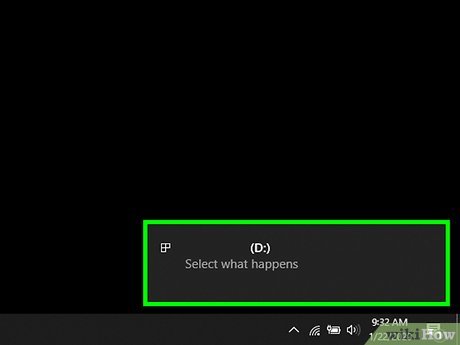 Insert the audio CD into your computer. The CD goes logo-side-up in your computer's CD tray.
- If an autoplay window appears, skip ahead to the "Click the Import option" step.
-
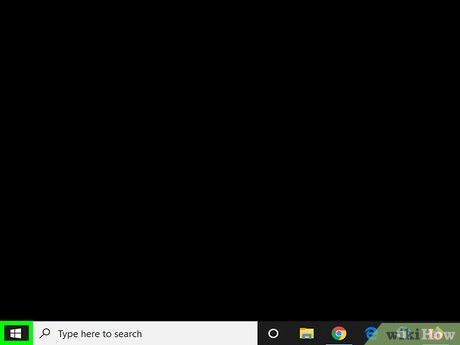 Open Start. Click the Windows logo in the bottom-left corner of the screen.
-
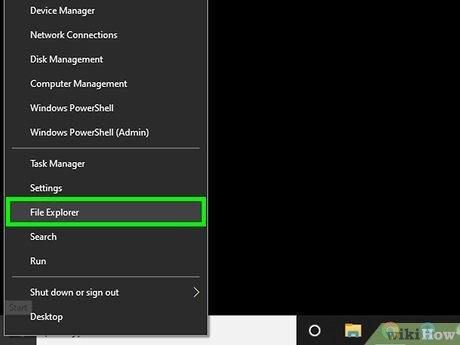 Open File Explorer. Click the folder-shaped icon in the lower-left side of the Start window.
-
 Click This PC. It's a computer-shaped icon on the left side of the File Explorer window.
 -
 Click your disk drive. You'll see this grey box with a CD icon beneath the "Devices and drives" heading.
 -
 Click Manage. This tab is in the upper-left side of the window. Clicking it brings down a toolbar at the top of the page.
 -
 Click Autoplay. It's in the "Media" section of the toolbar.
 -
 Click the Import option. Your computer's default audio player will open, and it should begin importing the CD's songs.
 -
 Follow any on-screen prompts. Depending on your audio player, you may have to confirm that you may need to import the CD or select a storage location.
 -
 Wait for the import to finish. Once the audio player finishes importing the CD's songs, you can eject the CD; the music will be playable.
Method 2 of 6:
Using an Audio CD on Mac
-
 Open iTunes. Click the iTunes program icon, which resembles a multicolored musical note on a white background. You'll typically find it in the Mac's Dock.
- It helps to be connected to the Internet while doing this, since otherwise your songs might not import with the correct information (e. g., artist name, song name, track order).
-
 Insert the CD into your computer's disk drive. Most Macs don't have built-in CD drives, so you'll most likely need to buy an external one and plug it into your computer.
 -
 Click the disk icon. You'll find it in the upper-left side of the window.
 -
 Click Yes when prompted. Doing so will prompt the CD to begin importing into your iTunes library.
- You can also click No , uncheck any songs you don't want to import, and then click Import CD .
-
 Wait for the songs to finish importing. Once the import is complete, you can click the blue-and-white "Eject" button in the upper-right side of the page to eject the CD and save your songs.
Method 3 of 6:
Using Groove on Windows
-
 Open Start. Click the Windows logo in the bottom-left corner of the screen.
-
 Type groove into Start. This will search your computer for the Groove Music player.
 -
 Click Groove. It's at the top of the Start window. Doing so opens the Groove window.
 -
 Click Settings. It's a gear-shaped icon in the bottom-left side of the Groove window. The Settings page will open.
-
 Click Choose where we look for music. This link is below the "Music on this PC" heading that's near the top of the page.
 -
 Click +. It's in the middle of the page. This will open a File Explorer window in which you can select a music folder.
 -
 Select a folder. click a folder that contains music which you may need to add to Groove. You'll find the folder on the left side of the File Explorer window.
 -
 Click Add this folder to Music. It's in the bottom-right corner of the window.
 -
 Click Done. You'll find this in the lower-right side of the Groove page. Doing so will begin uploading your music to Groove.
- You can't purchase music through Groove, but you can purchase a Groove Music Pass that lets you download music for free. To buy a pass, click Try a Music Pass in the bottom-left corner, click Start trial when prompted, and enter your payment details if prompted to do so.
Method 4 of 6:
Using ITunes on Mac
-
 Open iTunes. Click the iTunes program icon, which resembles a multicolored musical note on a white background. You'll typically find it in the Mac's Dock.
 -
 Click File. This menu item is in the upper-left side of the screen. A drop-down menu will appear.
 -
 Click Add File to Library.... You'll find this item in the drop-down menu. Clicking it prompts a Finder window to open.
 -
 Select a music location. Click a folder that holds the music that you may need to add to your computer. You'll find it on the left side of the Finder.
 -
 Select music to add. Click and drag your mouse across a group of songs that you may need to import, or hold ⌘ Command and click each individual song that you may need to import.
 -
 Click Open. It's in the bottom-right corner of the Finder window. This will immediately add the music to your iTunes library.
 -
 Purchase music through iTunes. In addition to adding existing music to your iTunes, you can buy and download music onto your computer through iTunes. To do so:
- Click the iTunes Store tab.
- Click the "Search" bar.
- Type in a song or album name and press ⏎ Return.
- Click the song or album price.
- Enter your Apple ID password, then click BUY .
-
 Wait for your music to download. Any purchased music will download into your iTunes library, at which point you can transfer it to your iPhone if you like.
Method 5 of 6:
Using ITunes on iPhone
-
 See if the music is already in your computer's iTunes library. If it is, you can add the music from iTunes to your iPhone without having to purchase or download music from your iPhone's iTunes app.
- If the music isn't already in your computer's library, proceed with this method.
-
 Open your iPhone's iTunes Store. Tap the iTunes Store icon, which resembles a white musical note on a purple background. You'll usually find this app on the Home Screen.
 -
 Tap the Search tab. It's in the lower-right side of the screen.
 -
 Tap the "Search" bar. This is at the top of the screen.
 -
 Enter a search term. Type in the name of a song, an album, or an artist, then tap Search on your iPhone's keyboard.
 -
 Select a filter. Tap Songs or Albums at the top of the page to sort by song or album.
 -
 Tap the price next to your selected music. For example, if you may need to buy an individual song from a well-known artist, you would tap $1.29 to the right of the song.
 -
 Tap BUY SONG or BUY ALBUM when prompted. It's a green button in place of the price button.
 -
 Enter your Apple ID password. Type in the password you use to sign into your Apple ID account.
- If your iPhone has a Touch ID sensor, you can usually scan your fingerprint instead.
-
 Wait for your music to download. Once the music finishes downloading, it will be available in your iPhone's library immediately.
Method 6 of 6:
Using Google Play Music for Android
-
 Open the Google Play Music page. Go to https://music. google. com/ in a web browser on your computer. This will open your current Google Play Music home page if you're logged into your Google account.
- If you aren't logged into your Google account, click Sign in in the top-right side of the page, then enter your email address and password.
- If you're logged into more than one Google account, you can click your profile icon in the top-right side of the page and then select the account you may need to use from the drop-down menu.
-
 Click ☰. It's in the upper-left side of the page. A pop-out window will appear.
 -
 Click Upload music. This option is near the bottom of the pop-out window.
- If you haven't yet set up Google Play Music, first click NEXT , enter your debit or credit card details, and click ACTIVATE . This is just to verify your country of residence, so you won't be charged.
-
 Click SELECT FROM YOUR COMPUTER. It's near the bottom of the page. A File Explorer (Windows) or Finder (Mac) window will open.
 -
 Select your music folder. Click the folder where your keep your music on the left side of the window.
 -
 Select music to add. Click and drag your mouse across the contents of the music folder to select songs, or hold down either Ctrl (Windows) or ⌘ Command (Mac) and click individual songs to select them independently of one another.
 -
 Click Open. It's at the bottom of the window. This will begin uploading your selected music to Google Play Music. Once it completes, you'll be able to play the uploaded music using the Google Play Music app.
 -
 Open your Android'sSettings. It's a gear-shaped app in your Android's App Drawer.
-
 Scroll down and tap Accounts. You'll find this beneath the "Personal" heading on most Android phones.
 -
 Tap Google. It's under the "Accounts" section.
 -
 Select a Google account. Tap an account on this page. This should be the account you used to log into the Google Play Music page.
- If you aren't signed into your Google account, enter your email address and password before proceeding.
-
 Scroll down and make sure Google Play Music is checked. If this option isn't checked, tap the checkbox to place a checkmarkin it. Doing so will allow you to access your Google Play Music library on your Android.
FAQ
What is the easiest way to Add Music to Your Music Library?
Start with the requirements in this guide, then follow each step in order. Check the result after every major change so problems are easier to identify.
Can beginners follow these instructions?
Yes. The process is organized into practical steps, and you can repeat any step before moving forward.
What should I check if the method does not work?
Confirm your software or device version, permissions, settings, file format, and internet connection when the task depends on online services.
Related Articles
 How to Turn Off iCloud Music Library: Clear Instructions4 minutes read
 Everything You Need to Know About iCloud Music Library: What You Need to Know7 minutes read
 How to Put Music on Itunes13 minutes read
 How to Add Music to a Playlist Without Adding It to the Library in3 minutes read
 Menu: How to Consolidate Itunes Library2 minutes read
 How to Back up Data on ITunes or Music Library5 minutes read
Reader Comments 0
Sign in with email or Google to join the discussion.