Table of Contents
Researchers at the University of California, San Francisco, found that an RNA-binding protein called RBM42 helps pancreatic cancer cells make MYC, a protein involved in cell growth. The preclinical findings suggest a possible treatment target that would need further study.
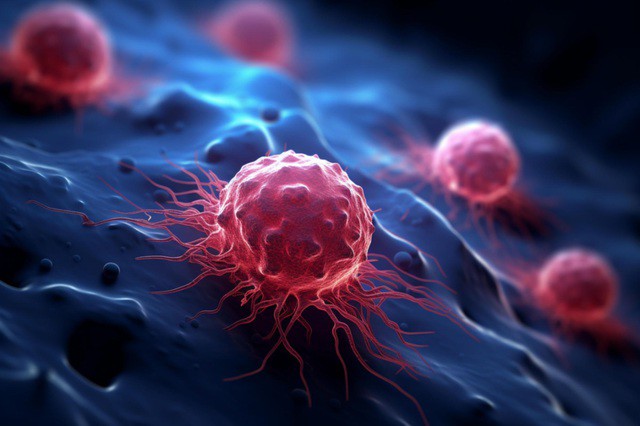
What the researchers found
The study focused on pancreatic ductal adenocarcinoma. In human tumor data, higher RBM42 levels were associated with poorer survival. Lab experiments showed that RBM42 helps cells translate MYC messenger RNA into protein. Disrupting RBM42 also reduced tumor growth in experimental models.
What the findings mean for treatment research
The study gives researchers a reason to explore whether they can interfere with MYC production by targeting RBM42. The patient data showed an association, while the experiments tested the mechanism in models. Whether an intervention could work safely in people, or have a similar effect in other cancers, remains an open question.
Read the study in Nature Cell Biology or UCSF’s account of the research.
Related Articles
 4 useful browsers that integrate ad blocking features
 Authenticate what two factors are and why you should use it
 Protect your GitHub account with two-factor authentication
 How to turn off file download blocking mode on Chrome
 How to turn on two-factor authentication to protect your Firefox account
 Two-factor authentication is the worst thing we have to endure
Reader Comments 0
Sign in with email or Google to join the discussion.