Table of Contents
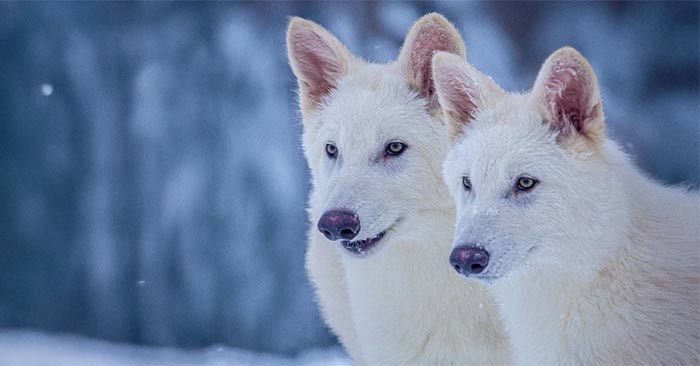
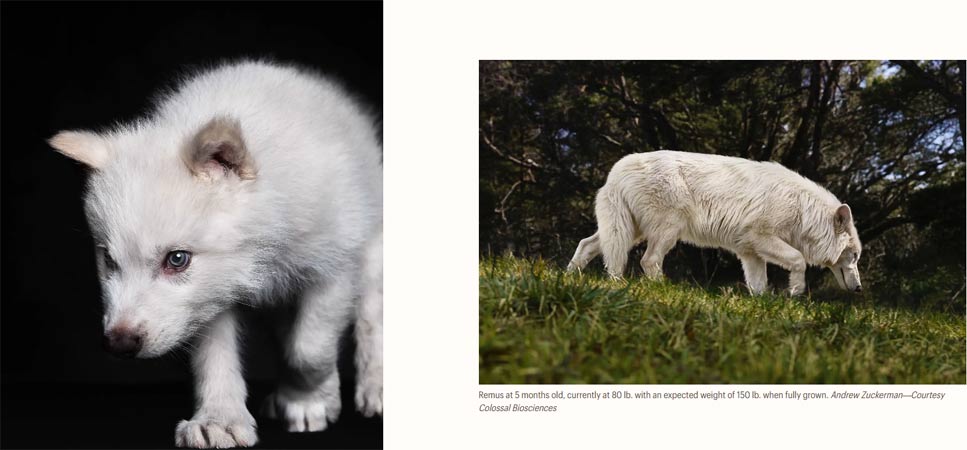
Colossal Biosciences announced in 2025 that it had produced three gray wolves with gene edits intended to give them traits associated with the extinct dire wolf. The company called this de-extinction. The animals descend from modern gray wolf cells, so the announcement did not establish that Aenocyon dirus had returned.
What the company created
Colossal compared genetic information from dire wolf fossils with information from living canids. It used those comparisons to select traits to reproduce in gray wolves. The resulting animals can resemble reconstructions of dire wolves. A similar appearance cannot establish that their genomes, behavior or ecological role match those of the extinct species.
What ancient DNA tells us about dire wolves
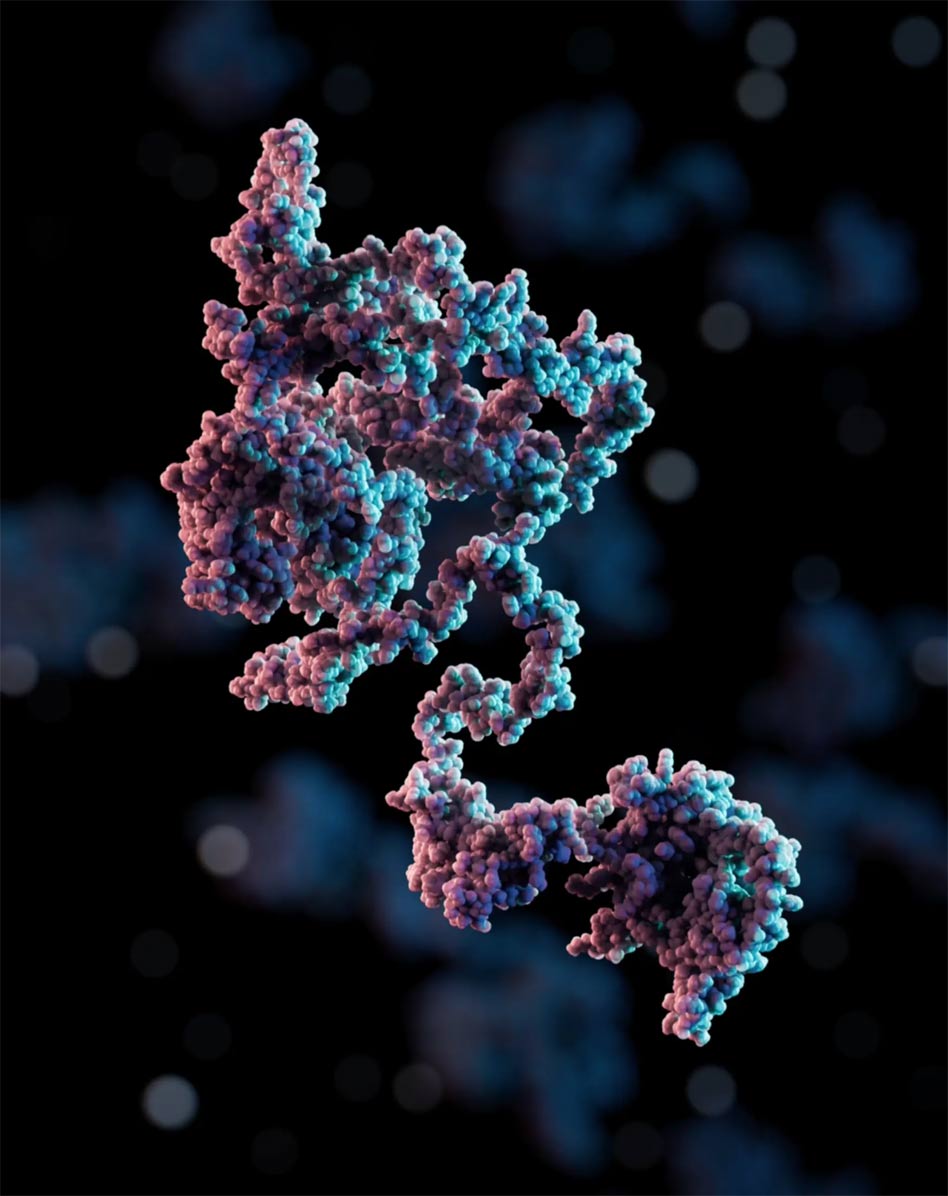
Dire wolves were large predators in the Americas during the late Pleistocene. Their skeletons resembled those of gray wolves, but a 2021 study in Nature found that they belonged to a distinct evolutionary lineage. Later analyses of ancient genomes point to a more complex ancestry involving multiple canid lineages. Those studies ask how historical dire wolves evolved. Colossal’s living animals illustrate what selected changes can do in a gray wolf.
What this means for conservation
The distinction matters when assessing claims about saving endangered species. Showing that selected traits can be reproduced is one result. Showing that a technique helps protect a wild population would require evidence about health, genetic diversity and the habitat that population needs. The IUCN Canid Specialist Group’s response discusses those conservation questions.
Related Articles
 All 9 Minecraft Wolf Variants: Biomes, Pack Sizes, and Rarity
 Stun with X-ray images of zoo animals
 How does India bring the dead dead to life next month?
 Ancient ancient embankment found in Aswan, Egypt
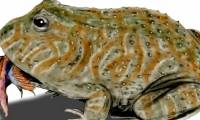 The ancient demon toad with 2,200 newton biting force, kills the dinosaur with a bite
 Download The Wolf Among Us, a great action adventure game, is free
Reader Comments 0
Sign in with email or Google to join the discussion.