Table of Contents
The dark web includes sites set up on networks such as Tor that need compatible software to reach. It hosts legitimate publishing and communications alongside scams and illegal activity. What a network hides depends on how people use it and on the service they connect to.

The deep web includes ordinary private pages
Your webmail inbox, an employer’s intranet, and a bank account page are part of the deep web because public search engines can’t index their private content. Tor onion services are different. They use .onion addresses and are reached through the Tor network. The Tor Project’s onion services documentation explains how those addresses work.
Why onion sites can feel slow or unreliable
Tor sends traffic through several relays. The longer network path can add delay, and a particular site may also have limited capacity or go offline. Copycat addresses are another problem. If a news organization offers an onion version, use the address it publishes on its own public site.
Legitimate privacy tools coexist with scams

Newsrooms can use services such as SecureDrop to receive tips, and people can use Tor to reach information that is censored where they live. Sensational advertisements or offers can be attempts to take money, collect information, or distribute malicious files. An onion address says nothing about who operates a site or whether its promises are credible.
Tor’s privacy protections have limits
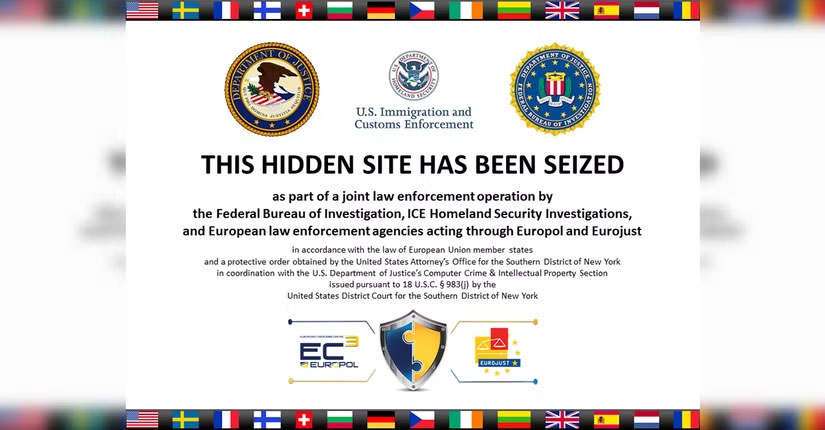
Tor helps separate your network address from the site you visit. A site can still identify you if you give it your name or log in with an account linked to you. The 2017 AlphaBay and Hansa takedowns also show that authorities can seize services operating through Tor.
If your goal is everyday web privacy, compare the privacy features of mainstream browsers and Tor Browser before deciding which fits your needs.
Related Articles
 What is Dark Web? Who uses it? The potential dangers of Dark Web and warnings
 Top 15 most popular blockbusters in the world are expected in 2017
 Should you use a VPN on the Dark Web?
 How to Use the Dark Web Without Doing Anything Illegal
 The Dark Web is not illegal, but be wary of these 7 things!
 How to rent movies on Fim +
Reader Comments 0
Sign in with email or Google to join the discussion.