Table of Contents
There is no established best time of day to take vitamin C for everyone. If you use a supplement, follow its label or your clinician's instructions and choose a routine you can maintain. Taking it with a meal may be easier on your stomach; a particular hour is not the key to “maximum absorption.”
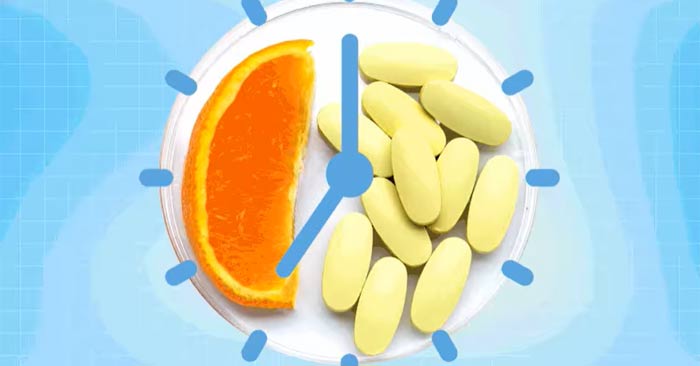
Do you need a supplement?
Vitamin C supports normal immune function and collagen formation and helps the body absorb non-heme iron from plant foods. Needing vitamin C regularly does not mean everyone needs a vitamin C supplement: a varied diet can supply it.
People with restricted diets, absorption problems or other medical needs should discuss their intake with a clinician or dietitian. Do not automatically raise the dose because you feel stressed or unwell.
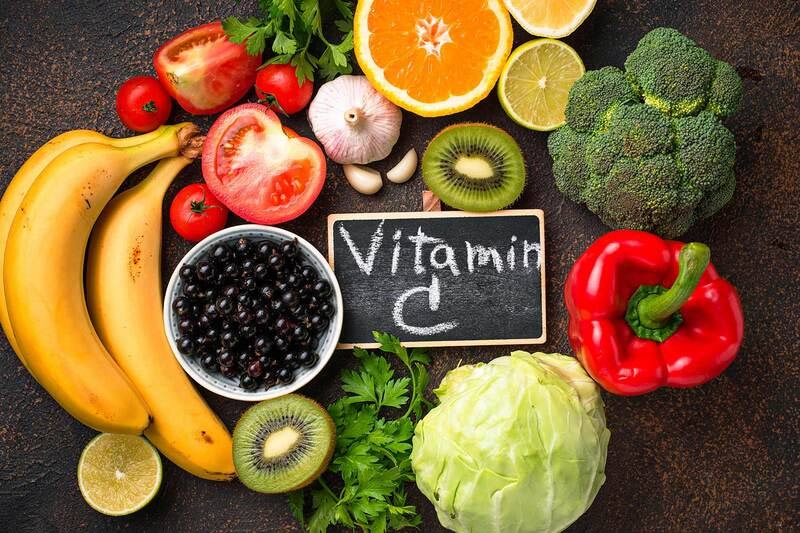
Morning, evening or with food?
Choose a convenient time, and follow any instructions specific to the formulation. If a supplement causes stomach discomfort, ask a pharmacist whether taking it with food or using a different dose is appropriate. More is not automatically better.
Vitamin C is water-soluble, but that does not make unlimited doses harmless. The NIH consumer fact sheet explains daily needs, food sources and the risks of excessive intake.
Vitamin C and iron
Pairing plant-based iron foods with vitamin-C-rich foods can support iron absorption. That is different from deciding to take iron or high-dose vitamin C supplements. If iron has been prescribed, follow the treatment instructions rather than adding supplements on your own.
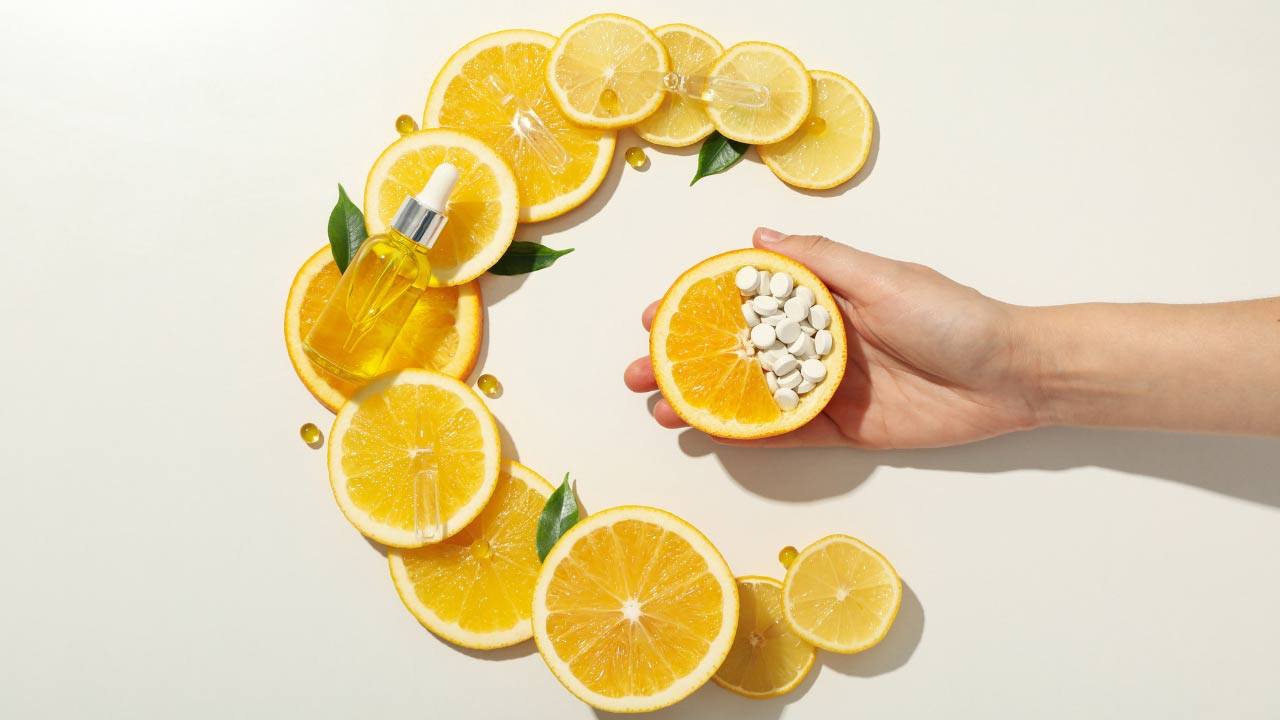
Dose and safety matter more than the clock
High vitamin C intake can cause diarrhea, nausea and stomach cramps. NIH lists a total daily upper limit of 2,000mg for adults, including food, drinks and supplements. This is a ceiling, not a recommended target; limits are lower for children and teenagers.
Check the combined amount in multivitamins, separate tablets and other products. Ask for medical advice before high-dose use if you have kidney disease, a history of certain kidney stones or an iron-overload condition such as hemochromatosis. Also check with your care team during cancer treatment.
The NHS vitamin C guidance likewise emphasizes getting enough through food and avoiding excessive supplementation. A suitable dose and a tolerable routine are more useful than chasing a special time of day.
Related Articles
 When to Take Vitamin D: Meals Matter More Than the Time of Day
 The best time of day to take vitamin B12
 Vitamin D: effective and effective supplement
 What is vitamin B6? Usage and dosage of Vitamin B6 per day
 What effect does Vitamin A have? Which foods are Vitamin A?
 How to Get Enough Vitamin D Without Supplements
Reader Comments 0
Sign in with email or Google to join the discussion.