Table of Contents
This guide provides a clear overview of computer, including Computer Case, Screen. Use it to understand the topic, compare the available options, and make a more informed decision.
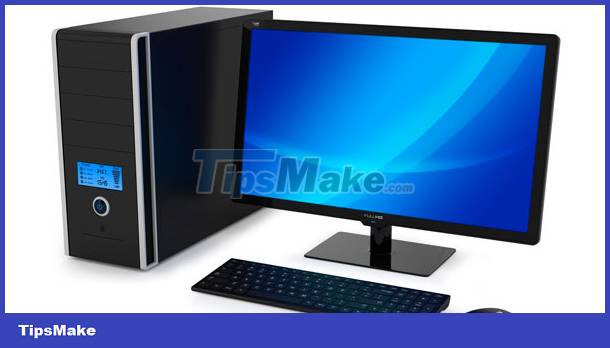 The basic parts of a desktop computer are the computer case, the monitor, the keyboard, the mouse, and the power cord
Computer Case
Computer case - A case, also known as a computer case, is a metal and plastic box containing the main components of a computer, including the motherboard, central processing unit - CPU, hard drive and power supply. The front of the case usually has an On/Off button and one or more optical drives.
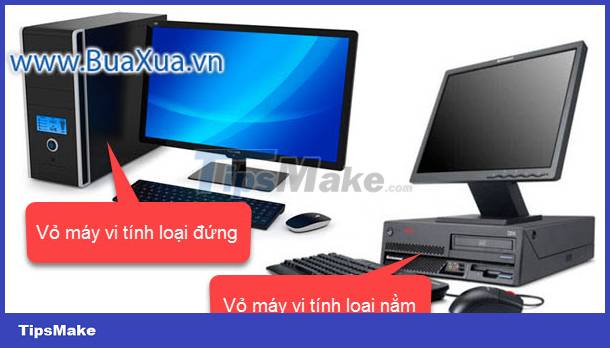 Computer cases come in different shapes and sizes
Computer cases come in many different shapes and sizes. Horizontal Computer Case - Desktop Case is placed on the desk and the screen is usually on top. Tower Case - Tower Case can be next to the monitor or on the floor. All in One PC - All in One comes with internal components built into the display without the need for a separate case.
Screen
The monitor is connected to a graphics device - Video Card or Video Adapter - VGA is located inside the computer case, helping to display images and text on the screen. Most monitors have controls that let you change the display's display settings, and some monitors also have built-in speakers.
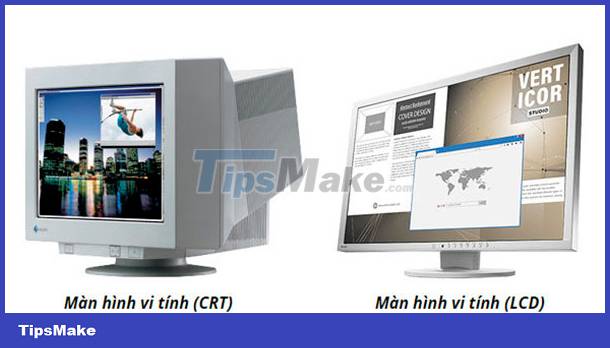 Computer screen
Newer display types are LCD - Liquid Crystal or LED - light emitting diodes. They can be made very thin and they are often referred to as flat screens. The old screen is a CRT - Cathode ray tube screen. CRT monitors are much larger and heavier than LCD screens.
Keyboard
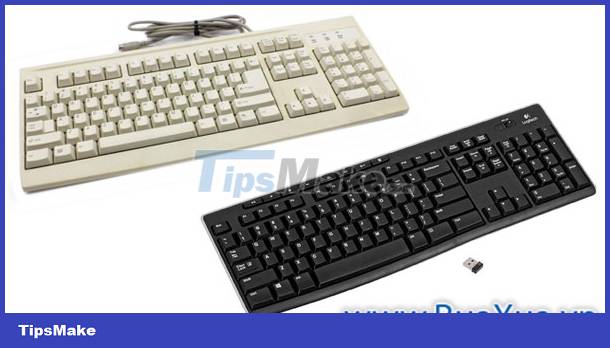 Keyboard
The keyboard is one of the main ways to communicate with the computer. There are different types of keyboards, but most have similar features and allow you to perform the same basic tasks.
Mouse
The mouse is another important tool for communicating with the computer. Often referred to as a pointing device, it allows you to control the pointer, usually arrow-shaped, to objects on the screen, click them to move, or perform a command.
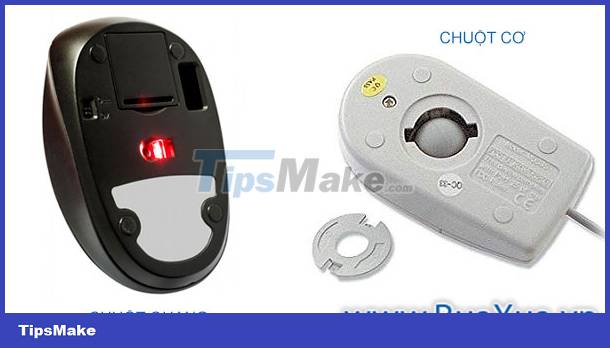 The mouse is an important tool for communicating with the computer
There are two main types of mice: Optical mice and mechanical mice. Optical mice use infrared or laser electronic magic eyes to detect motion and are easier to clean. Mechanical mice use a rolling ball to detect movement and require regular cleaning to function properly.
Other Types of Mice
There are other devices that can do the same thing as a mouse. Many people find them easier to use, and they also require less desk space than traditional mice. Here are the most popular mouse alternatives.
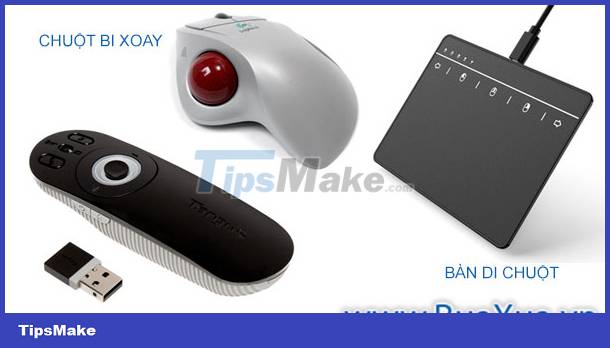 Other types of computer mice
Trackball - Trackball, has a ball that can rotate freely. Instead of moving the device like a mouse, you can roll the ball with your thumb to move the pointer.
Trackpad - TouchPad, also known as Trackpad - is a touch trackpad that allows you to control the pointer by creating a drawing motion with your finger. Trackpads are commonly used on laptops.
There are also other pointing devices such as wireless presentation device - Presentation Remote, flying mouse - Air Mouse, etc. These devices are equipped with technology that allows users to hold the mouse in their hands to control the mouse pointer. instead of having to put it down on a flat surface like other computer mice.
Conclusion
Understanding Computer makes it easier to compare options, avoid common mistakes, and apply the information in this guide more effectively. Review the relevant requirements before making changes or choosing a solution.
FAQ
What is Computer?
Horizontal Computer Case - Desktop Case is placed on the desk and the screen is usually on top.
Why is Computer important?
Understanding Computer helps you evaluate features, compatibility, performance, and potential limitations before you choose a product or follow a procedure.
What should you consider when using or choosing Computer?
Consider your specific goal, compatibility requirements, available features, cost, security, and the practical recommendations described in this guide.
Related Articles
 Learn to Use Lesson 2 Computer - Basic Parts of the Computer8 minutes read
 Learn Computer Components and Decode Signals for Basic Errors8 minutes read
 Computer Internal Parts10 minutes read
 Learn to Use Lesson 3 Computer - Basic Buttons and Ports on the Computer10 minutes read
 TCP and IP Options: What You Need to Know9 minutes read
 6 Basic Parts of Motorcycles1 minutes read
Reader Comments 0
Sign in with email or Google to join the discussion.