Table of Contents
5 Commands to Troubleshoot Virtual Networks is easier to understand when the core ideas are paired with practical examples. The sections below explain the topic clearly, highlight useful steps, and point out details that can prevent common errors.
Network Administration - Have you ever made a change to your VMware ESX Server network configuration with Virtual Infrastructure (VI) Client and then lost connection to the server? If you have to go into the ESX Service console to troubleshoot virtual network configuration, then what commands would you use to do this? Here, I will show you the 5 most important ESX CLI commands for troubleshooting network connectivity issues.
1. service network restart
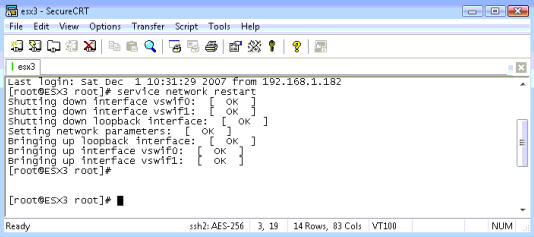
The service X restart command is one of the most important commands, it allows you to restart any services that are running on the server. In this case, we will use the network keyword to restart network services. This is the command that you will run after making changes to the ESX network configuration. You can also perform network start or network stop.
Here is an example of this command in the ESX Server:
2. ifconfig
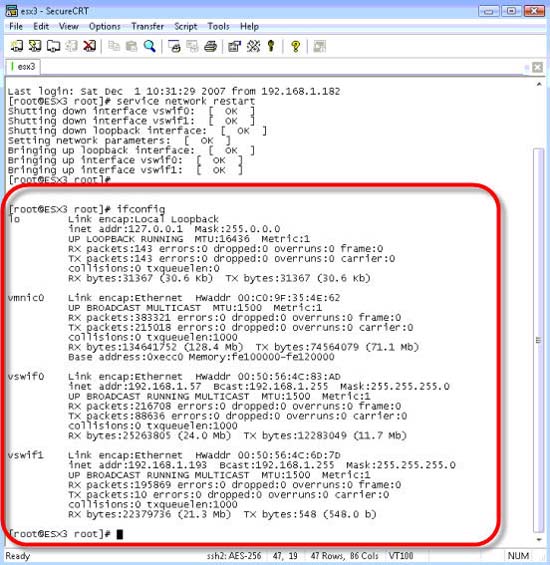
The second command is ifconfig . Just like the Windows command, this command helps view the status of all network interfaces on the system. However, it can do many things other than viewing the interface, it can recognize the interface, turn them on or off. You can also change the IP addresses of your interfaces with this command.
Here is an example of using this command:
3. esxcfg-vswif
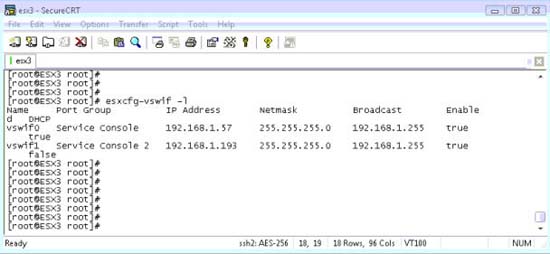
Next, we use this command to allow viewing or reconfiguring the network interface. That SC network interface is called "vswif" and the first interface is always "vwsif0". To see its status, you can use the -l (L for list) command like the following:
4. esxcfg-vswitch
The fourth command in the list is esxcfg-vswitch . This command helps observe the state of the network and reconfigure VMware virtual switches (still called vswitch). These vswitches help connect the physical NIC in the server (called vmnic) to ESX port groups (such as "Service Console" and "VM Network" port groups). To view the status of the vswitch, you can use the -l (L for list) command:
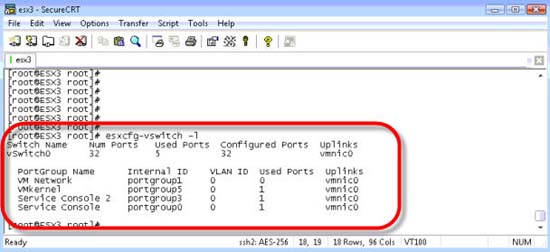
As you can see, the ESX server has 4 port groups but they all link to the VMnic interface.
5. esxcfg-nics
Finally, there is the command esxcfg-nics . This command helps monitor and reconfigure the VMware physical network interface card installed in the physical server. These physical NICs are called "vmnic" and they start with "vmnic0". "vmnic0" is connected to the switch to connect the physical network to the virtual networks.
To view the status of vmnics, you can use the -l (L for list) command:
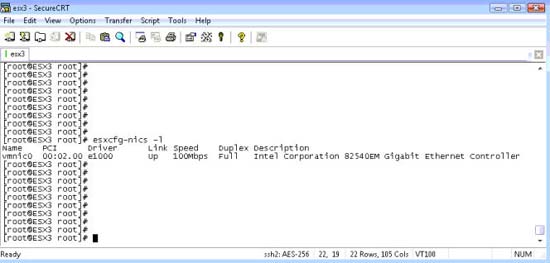
As you can see, this server has only one physical NIC, vmnic0.
Conclude
FAQ
What is 5 Commands to Troubleshoot Virtual Networks?
Network Administration - Have you ever made a change to your VMware ESX Server network configuration with Virtual Infrastructure (VI) Client and then lost connection to the server?
Why is 5 Commands to Troubleshoot Virtual Networks important?
A clear understanding of 5 Commands to Troubleshoot Virtual Networks helps you make informed decisions, avoid common mistakes, and use the relevant tools or techniques more effectively.
How should beginners approach 5 Commands to Troubleshoot Virtual Networks?
Start with the fundamental concepts, follow the examples step by step, and test each change in a safe environment before applying it to important systems or data.
Related Articles
 6 Useful Virtualbox Commands to Manage Virtual Machines9 minutes read
 Useful Google Assistant Commands That You Can Use7 minutes read
 Monitor Hyper-v with the Command Line (Part 2): Basic Monitoring6 minutes read
 5 Quick Commands to Fix Broken Packages in Linux: Explained10 minutes read
 18 Proofs of Virtual Living on Social Networks Make Us Laugh4 minutes read
 Good Commands When Using the Virtual Assistant Cortana on Windows 105 minutes read
Reader Comments 0
Sign in with email or Google to join the discussion.