Table of Contents
This guide provides a clear overview of windows 11, including 1. Using Device Manager, 2. Using the Control Panel. Use it to understand the topic, compare the available options, and make a more informed decision.
1. Using Device Manager
Device Manager on Windows is the perfect place to manage USB devices connected to your system. You can use it to update outdated drivers, uninstall devices, etc. It can also help you disable USB Selective Suspend feature.
Follow these steps to disable USB Selective Suspend through Device Manager:
1. Press Win + X and select Device Manager from the context menu.
2. Double-click the Universal Serial Bus controllers node.

3. Right click on any Generic USB Hub or USB Root Hub driver and select Properties.

4. Switch to the Power Management tab and uncheck the option Allow the computer to turn off this device to save power. Then, click OK to save the changes.

Now, repeat the above steps for all the USB drivers for which you want to disable USB Selective Suspend.
2. Using the Control Panel
The Control Panel serves as the central hub of the Windows operating system, allowing users to perform a variety of tasks. From simple tasks like changing the desktop wallpaper to more complex operations like managing user accounts, you can do it by accessing the Control Panel.
Follow these steps to disable USB Selective Suspend via Control Panel:
1. Press the Win key to open the Start menu, type Control Panel in the search bar and press Enter.
2. Navigate to System and Security > Power Options > Change plan settings.
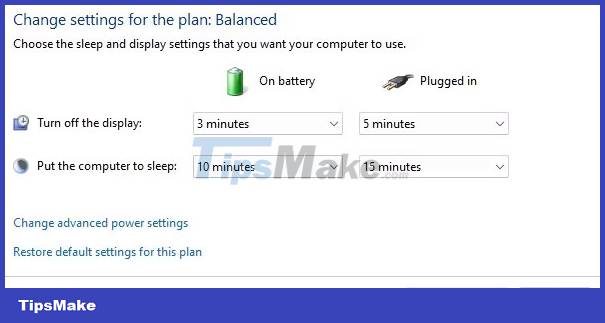
3. Click the Change advanced power settings option.
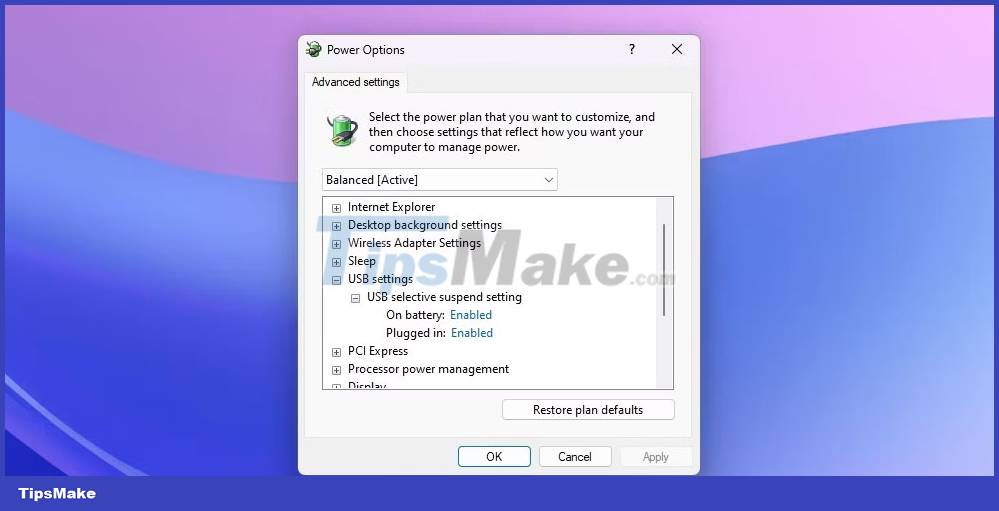
4. Double-click the USB settings option and then expand USB selective suspend setting.
5. Select Disabled for both the On battery and Plugged in options.
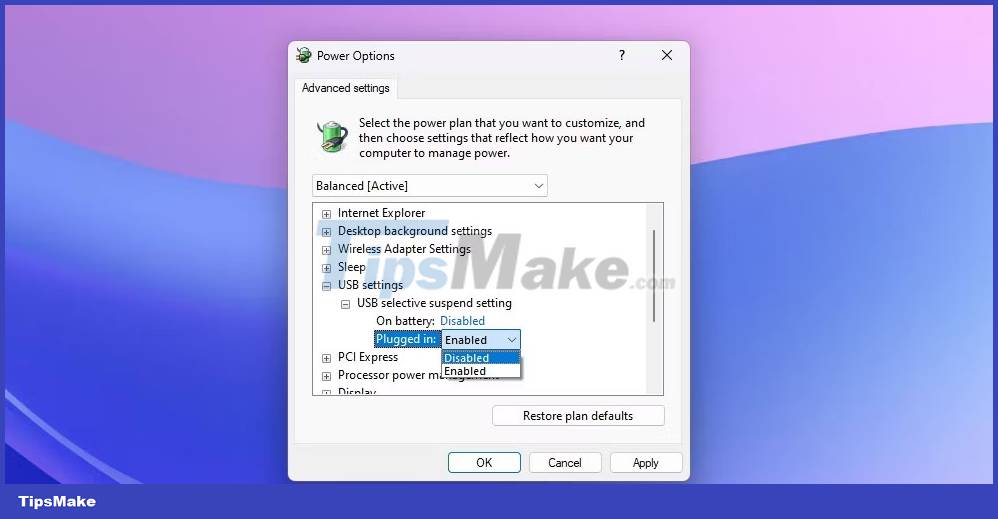
6. Click Apply > OK to save the changes.
The USB Selective Suspend feature is now disabled. Let's look at another way to do so.
3. Using Command Prompt
Follow these steps to disable USB Selective Suspend via Command Prompt:
1. Open the Start menu, type Command Prompt in the search bar and select Run as administrator.
2. Type the following command into the Command Prompt window with admin rights and press Enter.
powercfg /SETACVALUEINDEX SCHEME_CURRENT 2a737441-1930-4402-8d77-b2bebba308a3 48e6b7a6-50f5-4782-a5d4-53bb8f07e226 0
Everything is done! The USB Selective Suspend feature is now disabled on your Windows computer. If desired, you can easily turn it back on using the same navigation as shown above.
Conclusion
Understanding Windows 11 makes it easier to compare options, avoid common mistakes, and apply the information in this guide more effectively. Review the relevant requirements before making changes or choosing a solution.
FAQ
What is Windows 11?
Using Device Manager Device Manager on Windows is the perfect place to manage USB devices connected to your system.
Why is Windows 11 important?
Understanding Windows 11 helps you evaluate features, compatibility, performance, and potential limitations before you choose a product or follow a procedure.
What should you consider when using or choosing Windows 11?
Consider your specific goal, compatibility requirements, available features, cost, security, and the practical recommendations described in this guide.
Related Articles
 How to Disable Auto-Suspend in Linux6 minutes read
 Selective Forwarding Attack in Wireless Sensor Networks7 minutes read
 How to Find Your Selective Service Number: Step-by-Step5 minutes read
 Summary of Some Simple Ways to Disable USB Ports on Windows6 minutes read
 Disable Windows 10 Keyboard in 5 Simple Ways6 minutes read
 How to Diagnose and Troubleshoot Broken USB Ports10 minutes read
Reader Comments 0
Sign in with email or Google to join the discussion.