Table of Contents
No single website replaces every part of YouTube. Vimeo is oriented toward hosting and presentation, Twitch toward live communities, TED and the Internet Archive toward specific collections, and TikTok or Facebook toward social discovery. Choose based on the videos you want to watch or publish—not on audience size alone.
Availability, prices, ads, upload limits, and moderation policies can change by country and account. Check the current terms before uploading a library or paying for a plan.
Quick comparison
| Platform | Best for | Main tradeoff |
|---|---|---|
| Vimeo | Professional hosting and polished playback | Many creator features are plan-based |
| Dailymotion | General social video and publishers | Smaller catalog and audience than YouTube |
| Twitch | Live streams and real-time chat | Finding older on-demand content can be harder |
| PeerTube | Federated, independently run video communities | Experience and moderation differ by server |
| Nebula | Paid independent creator videos | Subscription and curated creator roster |
| Internet Archive | Historical and public-access collections | Metadata and rights vary by item |
| TED | Talks and educational presentations | Narrow format and editorial scope |
| DTube | Alternative community video | Smaller catalog and evolving platform model |
| TikTok | Short vertical video discovery | Weak fit for long, structured libraries |
| Facebook Video | Video within pages, groups, and social networks | Account-heavy discovery and privacy concerns |
| 9GAG Video | Memes and short entertainment clips | Limited creator and educational workflow |
1. Vimeo
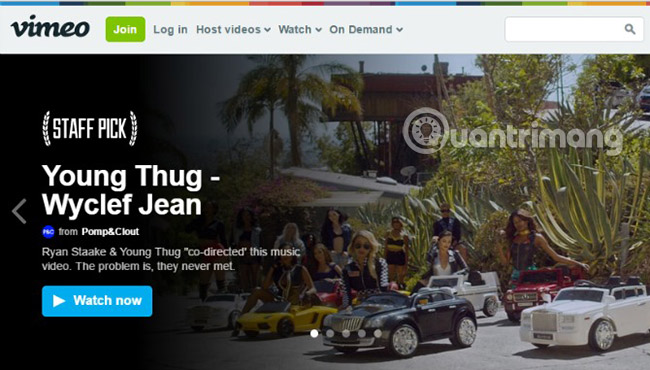
Vimeo is a strong choice for filmmakers, businesses, courses, portfolios, embeds, and controlled distribution. It emphasizes video hosting, player presentation, privacy tools, and professional workflows more than an enormous recommendation feed.
Viewers can find creator work and public videos, but Vimeo should not be treated as a drop-in replacement for YouTube’s catalog. Upload allowances, collaboration, live streaming, analytics, and privacy options depend on the current plan. Vimeo is also phasing out its older Vimeo On Demand marketplace in 2026, so creators should check current sales options rather than relying on legacy tutorials.
2. Dailymotion
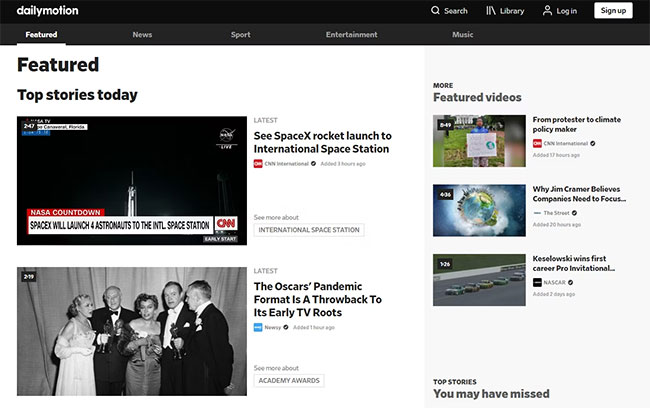
Dailymotion offers a familiar feed of channels, trending clips, publishers, and user uploads. It is one of the closest general-purpose alternatives in basic viewing behavior.
The available catalog, advertising, upload eligibility, and partner features vary by region. Creators should test discovery and analytics with a few videos before migrating an entire channel.
3. Twitch
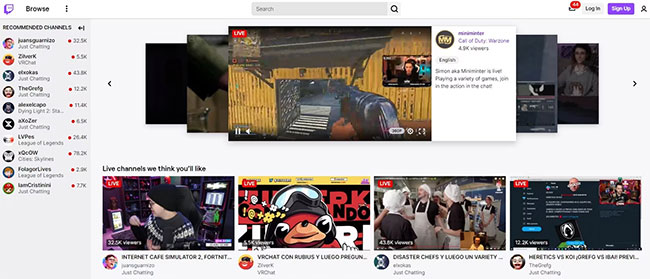
Twitch is built around live video, chat, subscriptions, and recurring communities. Gaming remains central, but the service also hosts music, art, talk, coding, cooking, and other categories.
Choose Twitch when real-time participation matters. Review current retention, clipping, music, moderation, and monetization rules if long-lived video-on-demand is important; a live platform is not automatically a permanent archive.
4. PeerTube
PeerTube is free, open-source software used by independent video sites that can federate with one another. There is no single universal PeerTube catalog, owner, or moderation policy. Start with the project’s instance directory and choose a server whose topic, rules, funding, storage limits, and administrators you trust.
PeerTube is valuable for organizations and communities that want more control over hosting and governance. The tradeoff is fragmentation: an account on one instance does not imply identical access, reliability, or support everywhere.
5. Nebula
Nebula is a paid service centered on videos, podcasts, classes, and originals from independent creators. It works best for viewers who already follow participating essayists, educators, journalists, or documentary-style channels and want fewer ads and more direct creator support.
It is curated rather than an open upload platform. Review the current creator roster and subscription terms before joining; it will not replace YouTube for broad search or user-generated uploads.
6. Internet Archive
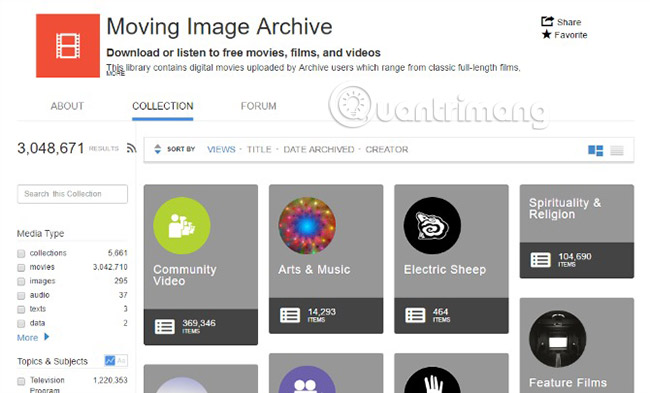
Internet Archive’s moving-image collections include historical films, television material, government media, community uploads, and specialized archives. It is most useful for research and material that may be difficult to find on commercial platforms.
“Available on the Archive” does not automatically mean public domain or unrestricted reuse. Read each item’s metadata, source, license, and uploader claims, and verify rights independently before republishing it.
7. TED
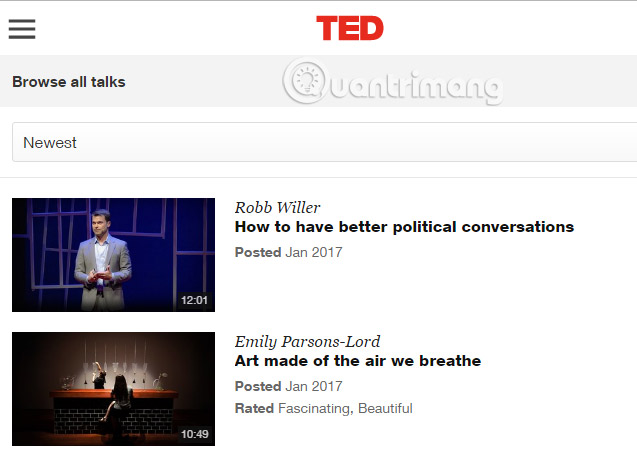
TED Talks is a focused library of presentations on science, design, society, business, culture, and related topics. Filters, transcripts, subtitles, and curated playlists can make it easier to study a topic than on a general video feed.
A talk is a speaker’s presentation, not peer review. Follow its cited sources and check current evidence before treating a persuasive story or stage claim as settled fact.
8. DTube
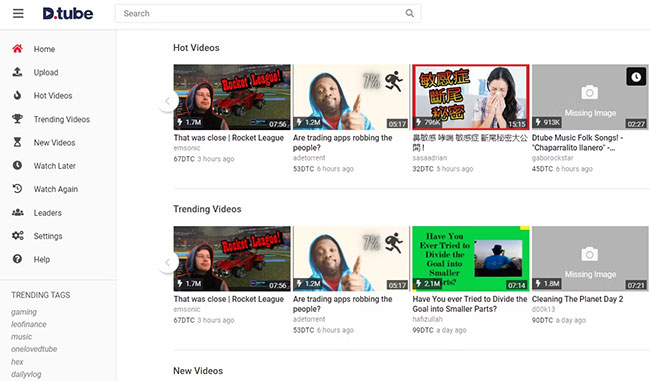
DTube is an alternative video community with a smaller catalog than mainstream services. Older descriptions focus heavily on blockchain, STEEM, cryptocurrency rewards, and decentralization; the service has changed over time, so verify its current architecture and reward model rather than relying on those legacy claims.
Use a separate, low-risk account while evaluating any evolving platform. Understand wallet prompts, data storage, deletion behavior, and content rules before uploading.
9. TikTok
TikTok is suited to short vertical videos, fast trend discovery, music, tutorials, and creator feeds. It can complement a YouTube channel by reaching a different audience with condensed material.
It is a weak substitute for carefully organized long videos, stable course libraries, or detailed search. Availability and legal status can vary by country, and creators should review music rights and download controls.
10. Facebook Video
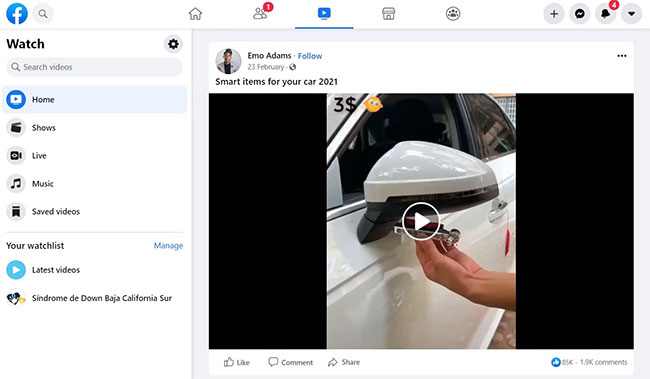
Facebook Video places live and recorded video inside pages, profiles, groups, and recommendation feeds. It is useful when an existing community already organizes around a Facebook group or page.
Discovery is tied closely to the Facebook account and social graph. Check audience settings on every upload and do not assume that a group post is private merely because it is not public.
11. 9GAG Video
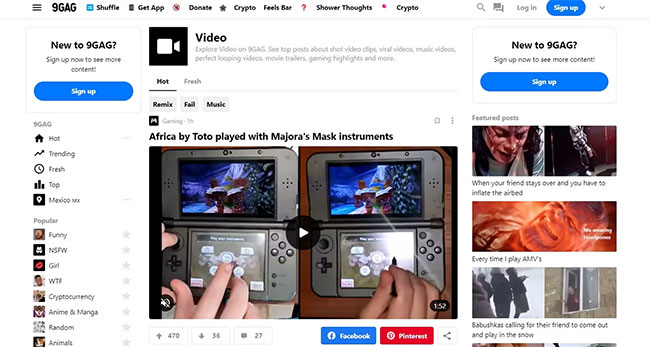
9GAG Video focuses on memes, short clips, reactions, and casual entertainment. It is an alternative for browsing quick viral material, not for professional hosting or a structured educational channel.
Expect mixed user-generated content. Check source attribution before resharing a clip, and use content controls where available.
Why three older recommendations were removed
Lists of video platforms age quickly. These services appeared in the original guide but are no longer dependable choices for a current “best alternatives” list.
Playeur/Utreon
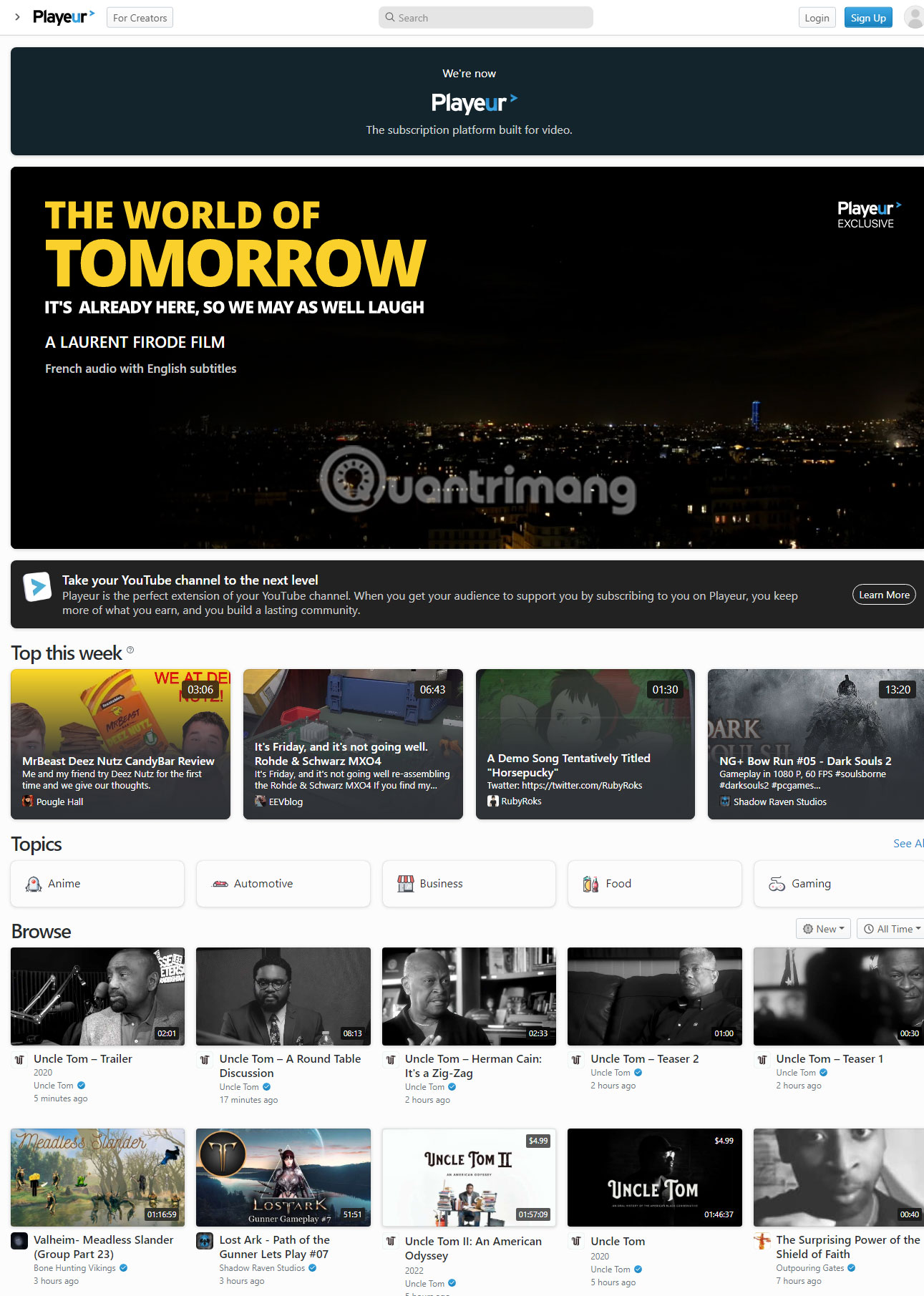
Playeur was promoted as a creator video and membership platform, but its public availability and positioning are difficult to verify reliably now. Do not upload or pay through a look-alike domain without confirming the current operator and terms.
Crackle
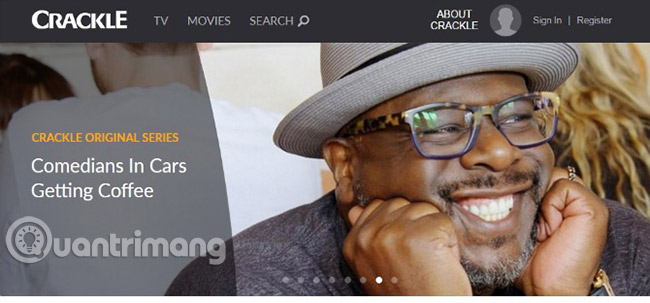
Crackle was a free, ad-supported movie and television service, not a user-upload alternative. Its parent entered liquidation and the service ceased to be a stable recommendation. Old catalogs, ownership claims, and account instructions should not be treated as current.
The Open Video Project
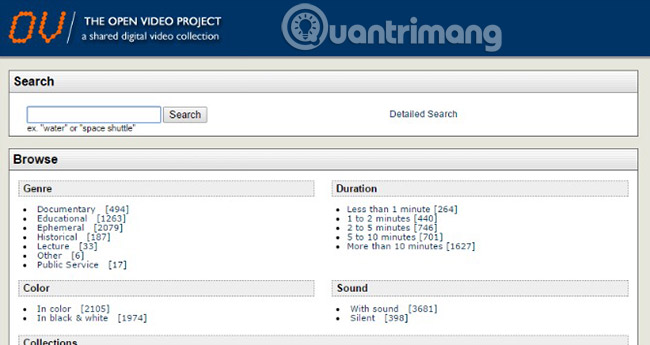
The Open Video Project was a valuable research-oriented digital-video collection, but it belongs in the history of multimedia retrieval rather than a current mainstream viewing list. Researchers can use library records and archived publications to understand the collection.
How to choose
- Use Vimeo for controlled, polished hosting; Dailymotion for general social video.
- Use Twitch for live interaction and PeerTube for independently governed communities.
- Use Nebula for paid creator work, TED for talks, and Internet Archive for historical collections.
- Use TikTok, Facebook, or 9GAG for social and short-form discovery.
- Test accessibility, captions, privacy, moderation, export tools, and account recovery before committing a video library.
Related Articles
 How to Fix the No Sound Issue When Watching YouTube Videos6 minutes read
 9 Websites Watching Videos Like YouTube: Share Videos10 minutes read
 Speed of Downloading YouTube Videos Is as Slow as Slugs, This Is a11 minutes read
 4 YouTube Add-ons That Make Watching Long Videos More Enjoyable7 minutes read
 Guide 3 Ways to Block Ads on YouTube Videos: Turn Off Video Ads4 minutes read
 Useful Tips with URL YouTube You May Not Know7 minutes read
Reader Comments 0
Sign in with email or Google to join the discussion.