Table of Contents
The sections below explain Windows xp is still the most popular operating system in a clear and practical way. Review the key details, examples, and considerations before applying the information.
How Windows XP Is Still the Most Popular Operating System Works
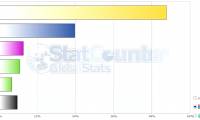
According to Net Applications, Windows XP accounted for 42.86% of the PC operating system market in July, while the market share of Windows 7 was 42.21%.
Although Windows 7 has a lower market share, it has also proved to be very strong growth last year. In July 2011, Microsoft's latest PC operating system only accounted for 29.6% of the market, while for Windows XP, this achievement was over 52%.
Once released in 2001, Windows XP has become the most successful PC operating system of all time, favored and engaged by both personal and business consumers.
However, Microsoft plans to completely stop supporting XP in April 2014, by forcing users to upgrade to a newer version of Windows, or get absolutely no support at all. from the manufacturer.
Overall, the Windows platform accounted for 92% of the total PC operating system market in July, while Apple's Mac OS X only accounted for 7%, higher than the 6% of the same period last year.
FAQ
What is the main benefit of Windows xp is still the most popular operating system?
The main benefit is a clearer understanding of the topic and a practical way to apply the information covered in this guide.
What should I check before using Windows xp is still the most popular operating system?
Confirm compatibility, review the required settings, protect important data, and use the latest supported version whenever possible.
What should I do if the result is different?
Repeat the steps carefully, verify permissions and version differences, and consult the product's official support documentation for changes not shown in the article.
Related Articles
 Windows 7 Overcomes XP to Become the Most Popular OS3 minutes read
 Windows 7 Overcomes Windows XP3 minutes read
 How to Choose a Suitable Operating System When Deploying a6 minutes read
 Vista Version Is Still More Popular Than Windows 83 minutes read
 Windows 7 Is Available on More Than Half of Global Pcs3 minutes read
 The Life Cycle of Windows 7 Is Shorter Than Windows XP4 minutes read
Reader Comments 0
Sign in with email or Google to join the discussion.