Table of Contents
Prioritize fast charging if you can plug in during the day but rarely have time to wait. Prioritize battery life if you spend long stretches away from power. Compare measured runtime and the charge gained in a short session before relying on the numbers on the box.
Compare the charge gained in 15 or 30 minutes
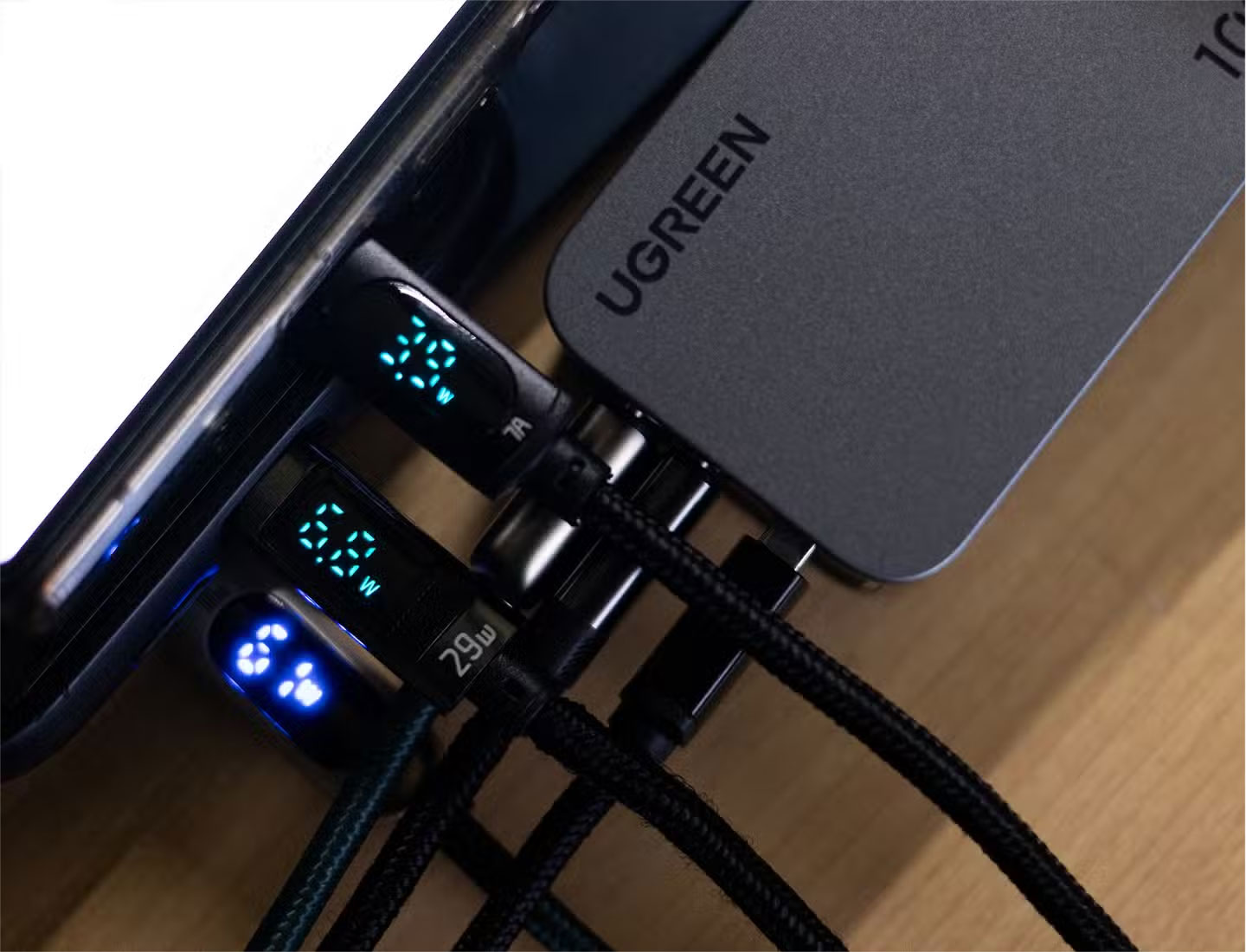
A short charging test tells you how much power you get during a break or before leaving home. Full-charge time matters more if you often start with a nearly empty battery. Check that comparisons use a similar starting percentage and the right charger. Phones usually charge faster at lower percentages and slow down as they approach full.
For example, the Pixel 9a combines a typical 5,100 mAh battery with wired charging at up to 23 W. OnePlus lists 80 W SUPERVOOC charging for the U.S. OnePlus 13, with up to 100 W using a specific adapter. Those are maximum ratings. Compare tests for the handset, charger, and region you intend to buy.
Use a charge limit if it fits your daily routine
A supported charge limit can reduce the time a phone spends at a high state of charge. For example, an 80% limit leaves less power available between charges, which may be fine if you can easily top up. Before a long day away from an outlet, charging to full can be more practical. Avoid leaving the phone charging in a hot place. See the guide to charging habits and battery health.
Check measured runtime if outlets are scarce
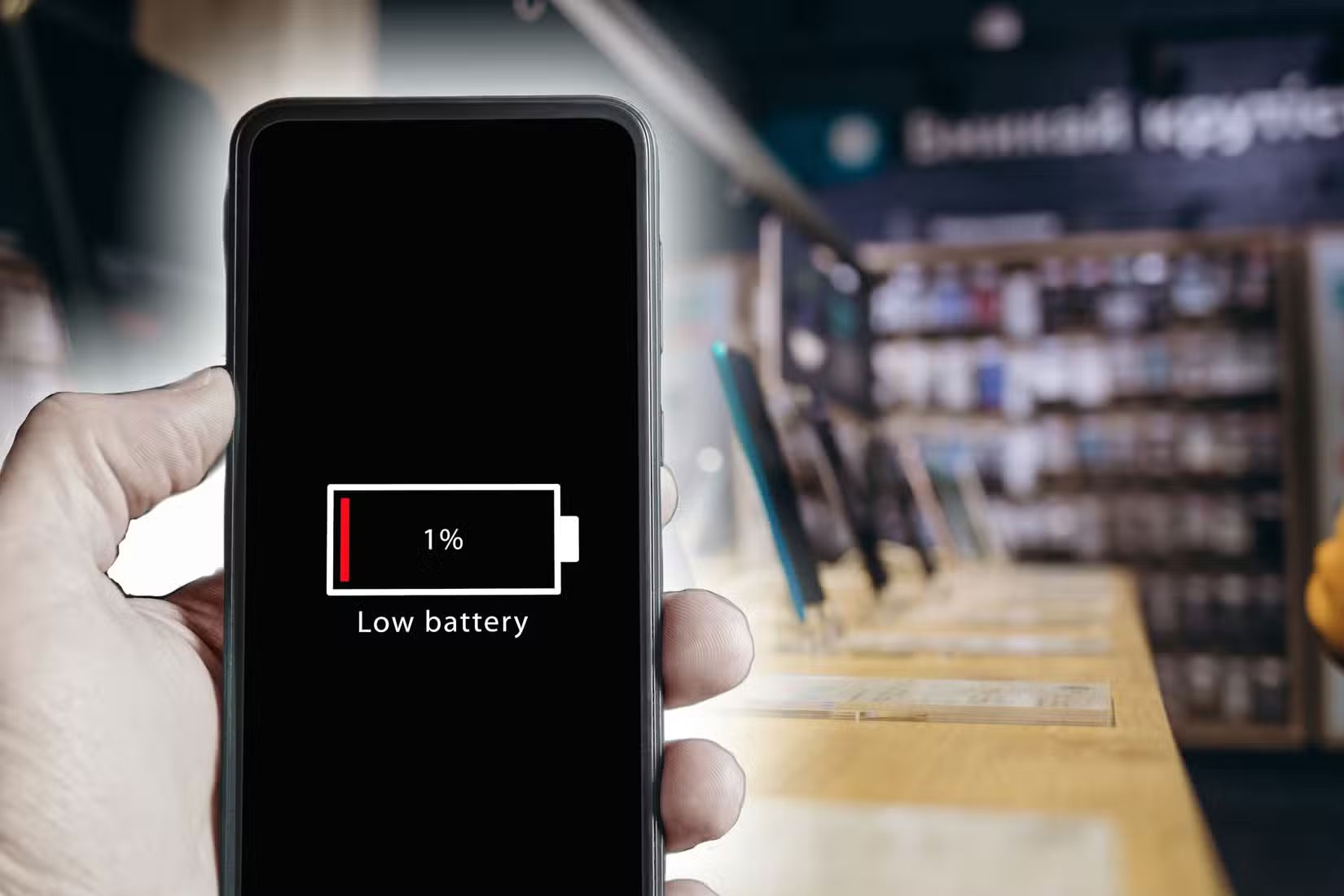
A higher mAh rating tells you about the battery’s capacity. Actual runtime also depends on the display, processor, signal strength, and apps you use. Look for tests that match your day, such as navigation, streaming over mobile data, or long stretches with the screen off. Faster charging only helps when you have access to compatible power.
Check which charger and cable you’d actually use
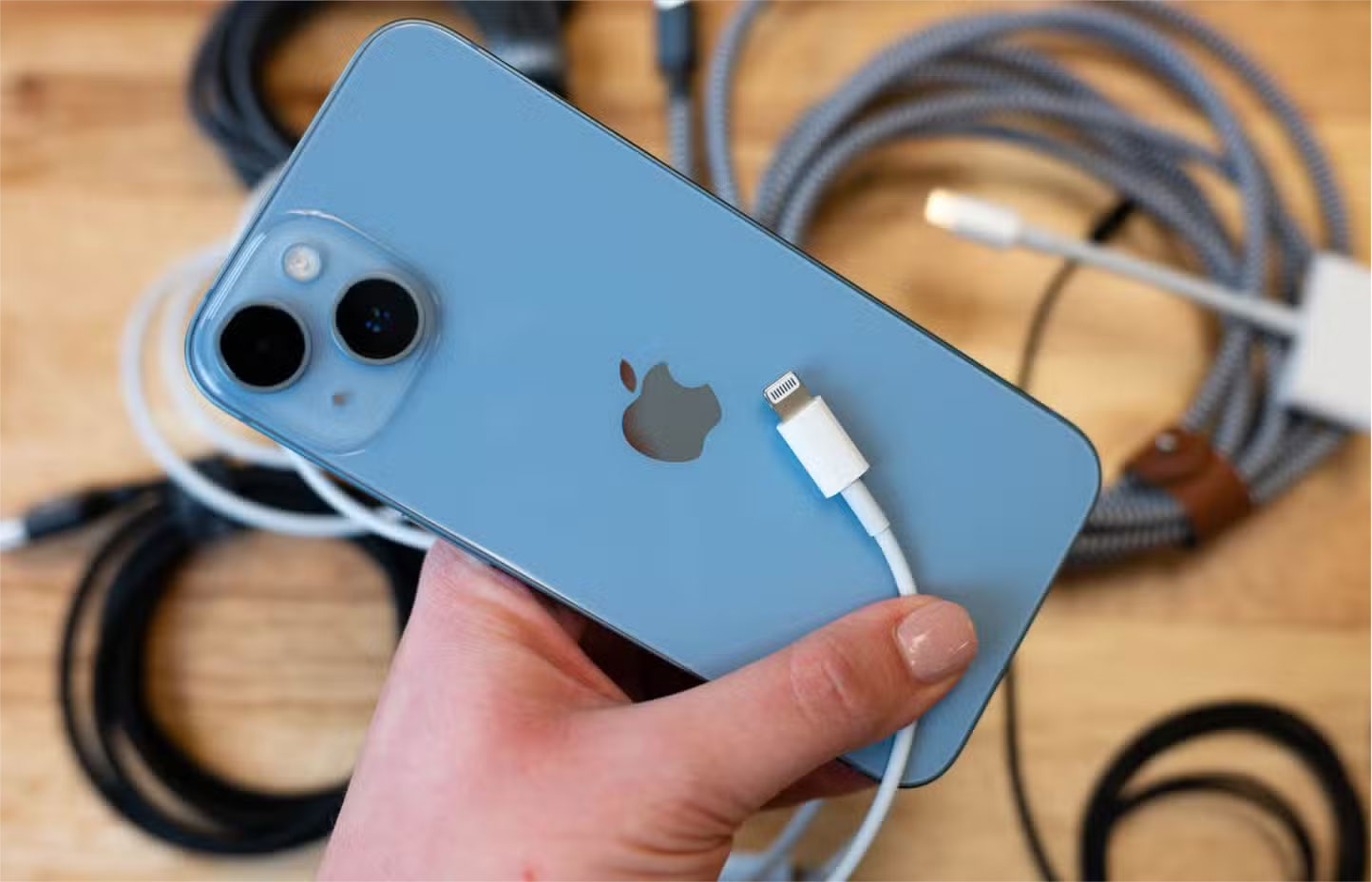
A USB-C connector alone tells you little about charging speed. Check whether the phone reaches its advertised rate with USB Power Delivery, PPS, or a proprietary adapter and cable. If you mostly charge from a shared charger, a car port, or a power bank, compare performance with that setup. If you charge overnight, reliable all-day runtime may be more useful than a high peak wattage.





Reader Comments 0
Sign in with email or Google to join the discussion.