Table of Contents
Oppo Reno Ace 2 (30 minutes)
This guide provides a practical overview of Top Fastest Smartphone in the World, including its main features, benefits, limitations, and important considerations.
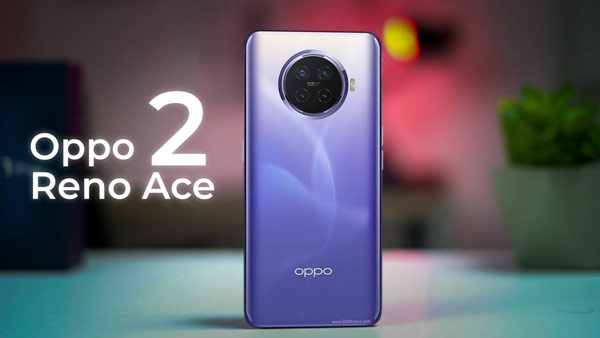
Reno Ace 2 is also capable of fast wireless charging with a capacity of 40W, allowing full battery charge in just 56 minutes.
Oppo Find X2 (38 minutes)
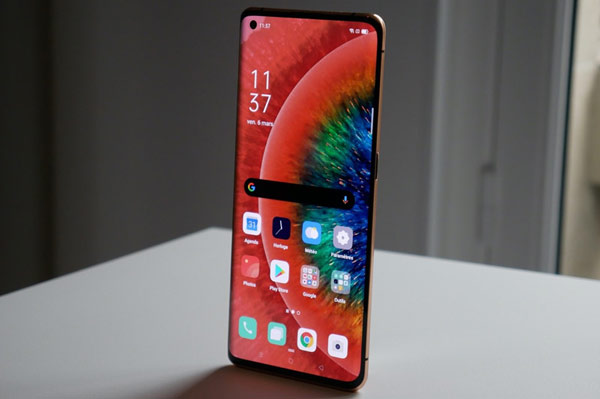
Find X2 high-end smartphone is equipped with Super VOOC 2.0 technology with a capacity of 65W for a full battery charge in just 38 minutes.
Motorola Moto G7 Plus (48 minutes)
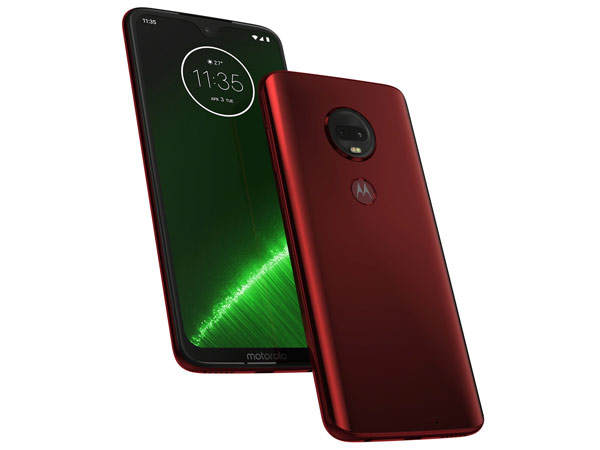
The Motorola Moto G7 Plus is powered by a 3,000mAh battery and can be fully charged in just 48 minutes.
The device is equipped with a 6.2-inch Full HD + screen, Snapdragon 636 processor with 4GB RAM and 64GB of internal memory.
Xiaomi Mi 10 Pro (50 minutes)
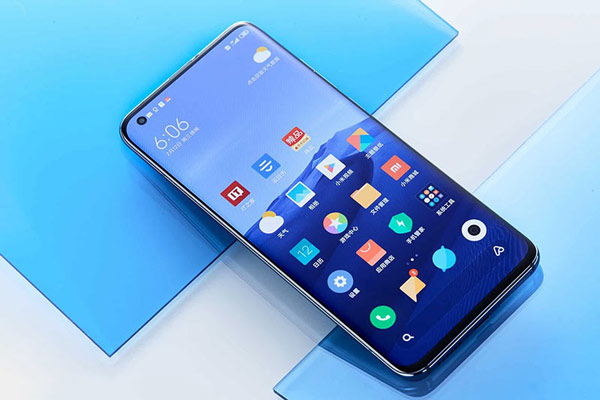
Mi 10 Pro has a battery capacity of 4,500 mAh. Thanks to equipped with fast charger with a capacity of 50W, the battery charge time of the device only takes 50 minutes.
Samsung Galaxy S20 Ultra (58 minutes)

Galaxy S20 Ultra has a 5,000mAh battery with support for 45W fast charging, so it only takes 58 minutes to fully charge 100%.
Huawei P30 Pro (59 minutes)
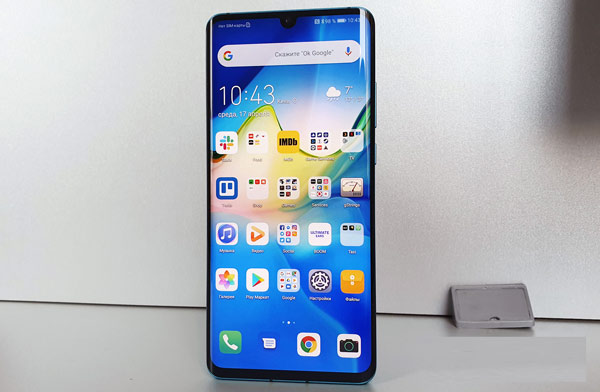
The P30 Pro debuted in early 2019, but so far it has Huawei's best fast-charging smartphone. It is equipped with a 4,200mAh battery and SuperCharge 40W super fast charging technology for 100% full charge in 59 minutes, charging from 0 to 70% takes only 30 minutes.
Huawei P40 Pro (59 minutes)
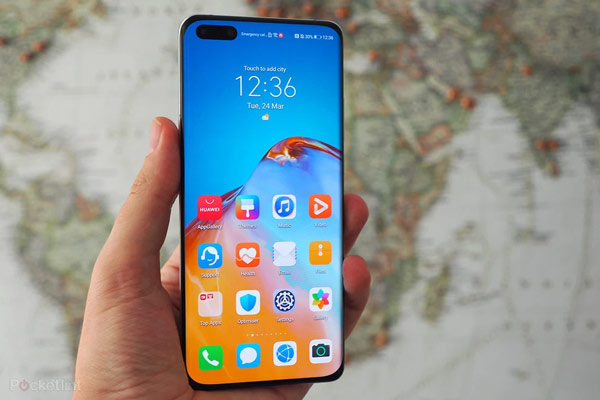
P40 Pro is equipped with HUAWEI SuperCharge super fast charging technology with a capacity of up to 40W. Therefore, it only needs 59 minutes to fully charge 100% for a large 4200mAh battery.
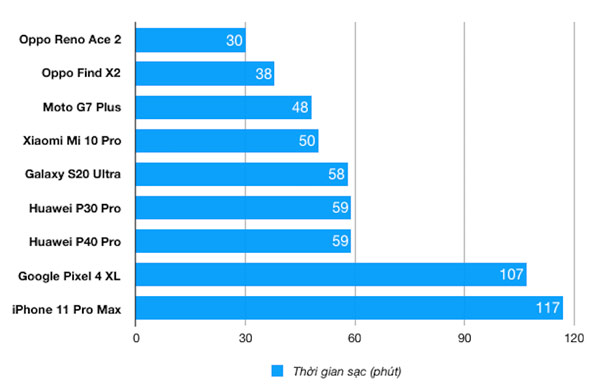 The table compares the full charge time of smartphones.
FAQ
What should I know about Top Fastest Smartphone in the World?
Focus on the key features, requirements, limitations, and practical use cases explained in this guide.
How do I get the best results with Top Fastest Smartphone in the World?
Follow the recommended steps, use current software or information, confirm compatibility, and review settings before major changes.
Are there any risks or limitations?
Potential limitations depend on compatibility, data quality, cost, privacy, support, and how the product or method is used.
Related Articles
 Xiaomi Launches Mi 9 Pro 5g: Snapdragon 855+ Chip, the World's3 minutes read
 This Is the Fastest Dog in the World, Only to Lose the Grouse4 minutes read
 The Fastest Dogs in the World: Fastest Dog in the World5 minutes read
 Which Smartphone Has the Fastest Charging Speed Today?4 minutes read
 Top 10 Fastest Running Dogs in the World4 minutes read
 AMD and Cray Will Build the World's Fastest Supercomputer for the US Government4 minutes read
Reader Comments 0
Sign in with email or Google to join the discussion.