Table of Contents
This guide explains Malware? Effective Ways to Prevent Malware, why it matters, how it works, and how to evaluate or use it in practical situations.

1. What is malware?
- Malware stands for the phrase malicious software, malicious = malicious, software = software so Malware is the word to talk about malicious software that endangers our electronic devices. You need to understand that Malware is not the name of a specific virus, but Malware includes many different types of malware such as viruses, worms, trojans, adware and ransomware.
- Some definitions of Malware:
- Adware (Advertising Program): Place ads on the computer screen by various means.
- Spyware : Used to collect data on a computer and redirect it to a different address. Information such as user personal information, browser history, username and password and credit card numbers.
- Hijacker : The hijacker targets Internet Explorer. They control parts of the web browser, including the home page, search pages, and search bar. They redirect you to sites you don't want to visit.
- Toolbar : A toolbar installed through unclear media that entails a series of malware.
- Dialer : The program changes the modem configuration so that the device dials to a certain number, increasing the phone bill, causing damage to users and earning money for bad guys.
- Deepware : This is a new term for malicious code to work deeper into the OS and behave like a very low-level rootkit, virtually undetectable by regular antivirus programs.
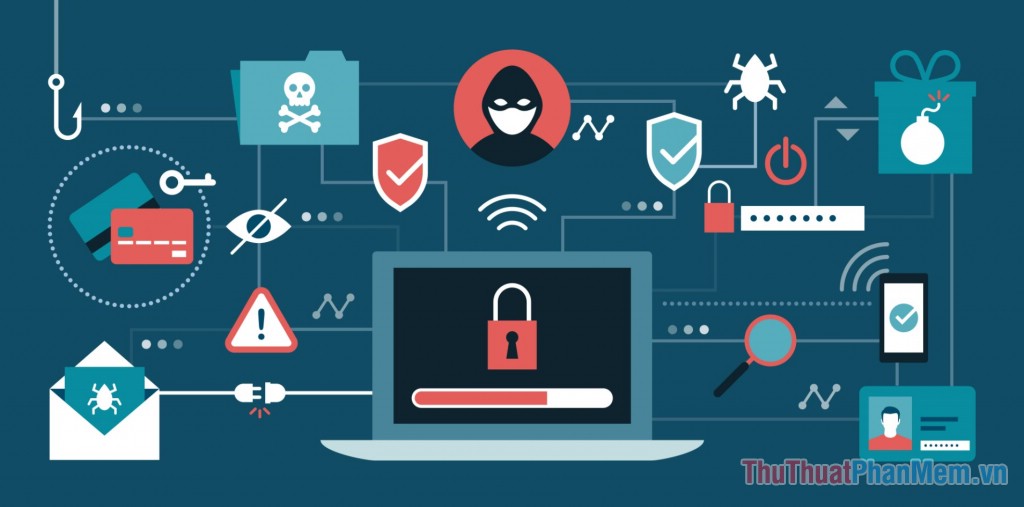
- Malware's harmful effects on your computer:
- Slow connection.
- Slow down the computer, causing machine errors by malicious code.
- Causing constant error message display.
- Cannot turn off the computer or restart when the malware is maintained for certain processes to run.
- Bad guys use malware to collect personal information or data from a computer.
- 'Steals' the browser, redirecting users to the intended site.
- Infiltrate the device and use it as a host to promote various files or perform other attacks.
- Send spam to and to the user mailbox.
- Send emails impersonating users, causing problems for users or the company.
- Gives control of system and resources to the attacker.
- Make new toolbars appear.
- Create new icons on the desktop.
- Run in the background and hard to detect if programmed well.
2. How to prevent Malware effectively
- The best way to prevent malware is to change the way you use your computer. Always be on the lookout for strange links and don't click on them if you don't know what they are.
- Do not install unknown software or downloaded from unknown websites.
- Always enable firewall mode in windows to protect your computer from outside influences.
- Regularly update Windows to receive patches from Microsoft
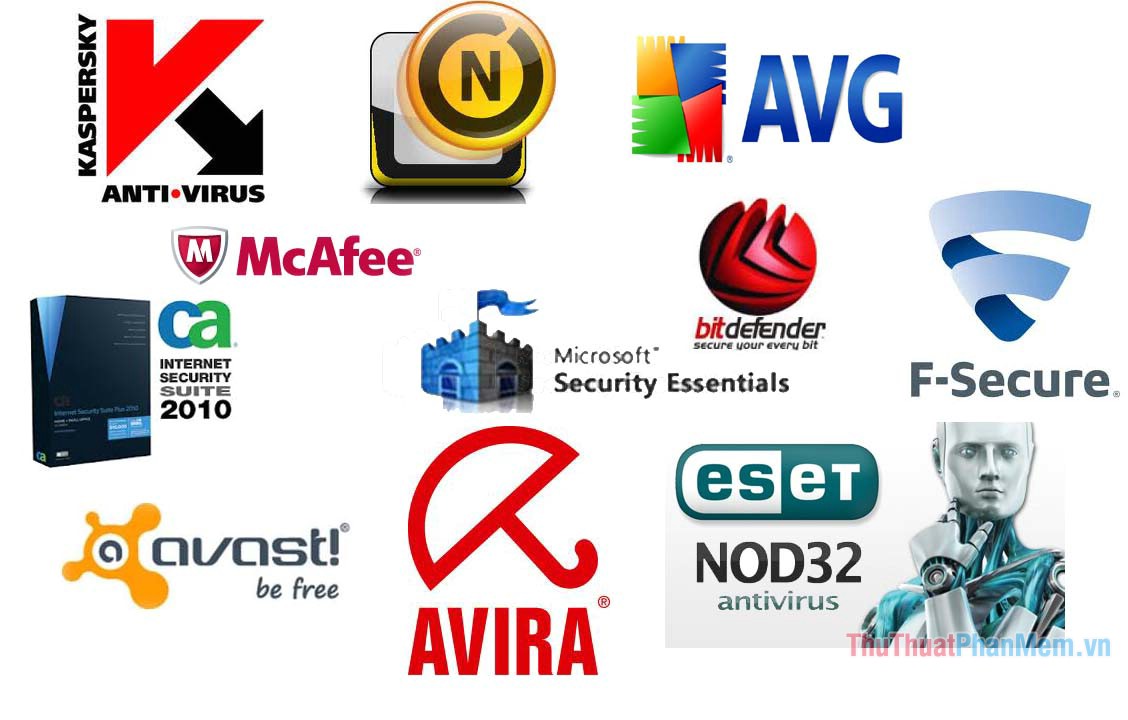
- Install anti-virus software to protect your computer, some well-known software such as Kaspersky , Bitdefender , Norton, etc.
- After you have installed anti-virus software, regularly scan your computer for malware.
- Regularly update anti-virus software to be able to detect the latest malware.
- It is possible to install additional anti-malware software in parallel with anti-virus software to be able to prevent the most effectively. Some of the best Malware software include: Malwarebytes , HitmanPro , Zemana AntiMalware, etc. These software have a different way of working with anti-virus software and can detect the latest malware. Use cloud data.
It can be said that Malware is part of the internet world, when anti-virus software companies develop more advanced anti-malware technologies, bad guys day and night develop new malware to overcome. through every obstacle. In short, this is an unending chase, it is important for the user to stay alert to limit the infection as little as possible.
FAQ
What should I know about Malware? Effective Ways to Prevent Malware?
Focus on the key features, requirements, limitations, and practical use cases explained in this guide.
How do I get the best results with Malware? Effective Ways to Prevent Malware?
Follow the recommended steps, use current software or information, confirm compatibility, and review settings before major changes.
Are there any risks or limitations?
Potential limitations depend on compatibility, data quality, cost, privacy, support, and how the product or method is used.
Related Articles
 How Many Types of Malware Do You Know and How to Prevent Them?16 minutes read
 How to Identify Wannacry Malicious Code from Vietnam Computer Emergency Response3 minutes read
 What Is Malware? What Kind of Attack Is Malware?10 minutes read
 What Is Goldoson Malware? How Can You Protect Yourself?7 minutes read
 Modular Malware -- New Stealth Attack Method to Steal Data10 minutes read
 The 4 Most Common Ways to Spread Malware Today9 minutes read
Reader Comments 0
Sign in with email or Google to join the discussion.