Table of Contents
This guide answers "What Is Fergie Time in Soccer?" with a clear explanation, practical context, and the details that matter most.
The amount of added time will be decided by the referees (specifically the fourth official and the referee on the pitch) and then recorded on an electronic board. There are guidelines on how to add this time, but it is still up to the referees to decide.
What is Fergie Time? The Concept of Fergie Time
These extra time periods are called Fergie Time, and are a special time for English football fans. Especially for those who are fans of the Red Devils of Manchester. During the time that Sir Alex Ferguson was leading the team, MU became famous for many goals in the final minutes of the match.
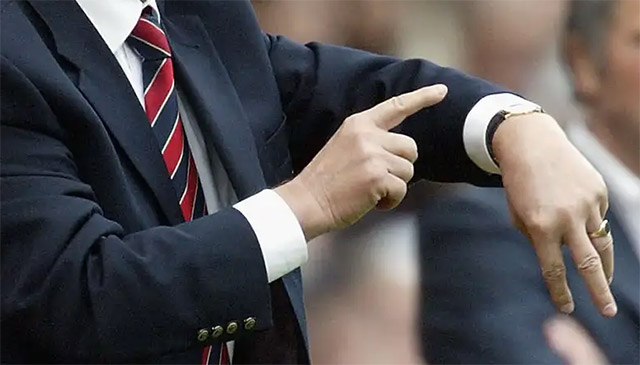
And many of those goals brought glory to the Red Devils. In the match against Sheffield Wednesday in April 1993, MU scored 2 goals in the "extended" time and won 2-1.
Then, in the 1999 Champions League final against Bayern Munich, Manchester United won the trophy for the second time with 2 goals scored in the last 2 minutes of injury time.
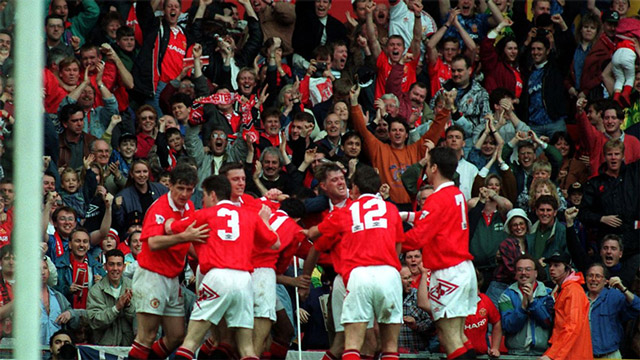
The "Fergie Time" feat continued to be affirmed by MU in the 3-2 victory over Aston Villa on April 5, 2009 in the 93rd minute of injury time and even won the match against Man City with a score of 4-3 on September 20, 2009.
And recently, in the match against Chelsea on October 22, 2022, Casemiro had a header in the second half of injury time, helping the Red Devils equalize 1-1. Once again, we see MU fans mention Fergie Time.
This has led to some interesting commentary, as goals can come in the final minutes to change the outcome of a match. Sir Alex Ferguson is well known for his negative comments and clashes with various referees, often accusing them of favouring his Manchester United side. He has suggested that referees seem to add more injury time than usual in matches when Manchester United are losing or drawing.
Fergie Time clearly exists, although Manchester United are not the only team to benefit from added injury time, with other top-flight clubs receiving it, especially when playing at home. However, it remains a trademark for the Scottish manager, who has been in charge of Manchester United for over two decades.
FAQ
What is Fergie Time? The Concept of Fergie Time?
These extra time periods are called Fergie Time, and are a special time for English football fans. Especially for those who are fans of the Red Devils of Manchester. During the time that Sir Alex Ferguson was leading the team, MU became famous for many goals in the final minutes of the match.
What does this guide cover?
This guide explains fergie time in soccer, including the main steps, important details, and practical considerations.
Who is this guide for?
It is designed for readers who want a clear, practical overview and a reliable process they can follow without unnecessary complexity.
Related Articles
 Trick to Check the Application Time on iOS5 minutes read
 Top 10 Habits to Waste Time to Eliminate: Lack of Time6 minutes read
 How to Add Multiple Clocks for Different Time Zones in Windows9 minutes read
 'time Assets' and 'time Debt': Time Management9 minutes read
 Time. H in C23 minutes read
 How to Manipulate and Convert Epoch Time in Linux: Step-by-Step Guide6 minutes read
Reader Comments 0
Sign in with email or Google to join the discussion.