Table of Contents
Learn what is a prompt? how to create effective AI prompts means, how it works, and which key concepts, benefits, or limitations matter most.
AI prompts are not simply about generating responses; they help refine how we interact with machines. Effective AI prompts can significantly improve the accuracy and relevance of generated content. By leveraging well-structured prompts, users can better harness the powerful capabilities of AI, producing meaningful and actionable results.
The development of AI systems presents both opportunities and challenges. In this era of rapidly evolving technology, understanding the nuances of AI prompts is crucial. This article will explore everything about creating and using AI prompts, ultimately aiming to equip readers with practical knowledge.
Learn about prompt AI
Prompt AI is essential in guiding artificial intelligence systems to generate desired responses. It provides context, intent, and specificity, ensuring clarity and accuracy in AI actions.
Definition of prompt and prompt AI
Prompts are instructions or input data provided to an AI system to generate a specific response. AI prompts contain details that provide context and guide the AI to perform the desired task accurately.
These instructions range from simple commands to complex queries with multiple constraints.
In AI prompts, specificity and clarity are crucial. They determine how understandable and executeable the AI prompt is. The more precise the instructions, the better the results produced by the AI prompt generator.
The role and importance in AI systems
Prompt AI plays a crucial role in shaping the actions of AI systems. It acts as a bridge between user intent and AI output.
Prompt ensures that the AI understands the context and provides appropriate and accurate responses.
The technique involves creating these prompts to maximize the effectiveness of AI. This requires a deep understanding of how AI interprets instructions and uses context to generate responses.
Prompt AI effectively improves the usability, functionality, and reliability of AI systems.
The basic principles of prompt generation techniques
Prompt creation techniques involve the practice of designing accurate and effective prompts. This includes understanding the task requirements and constraints and tailoring written instructions to achieve the best possible outcome.
The key elements for creating a successful prompt include:
- Clearly define the purpose.
- Ensure specificity and clarity.
- Combine relevant context
These factors ensure that the AI understands and performs the desired actions, leading to better results and a more reliable AI system. In fact, prompt generation techniques require repeated experimentation and refinement to perfect the input.
How to write effective AI prompts
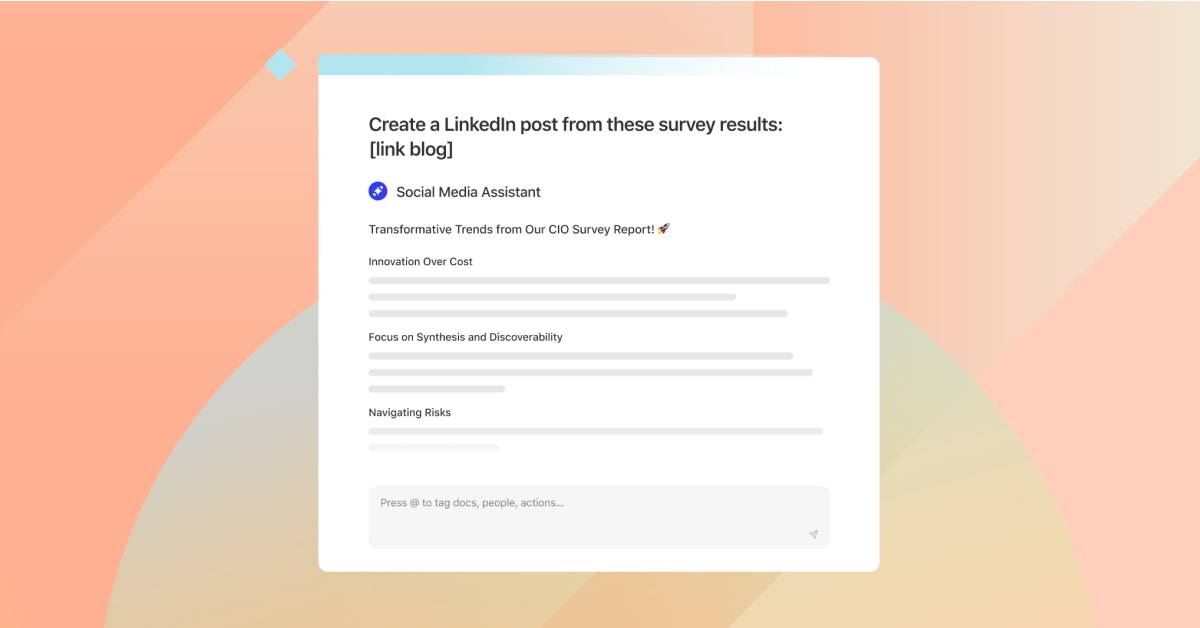
Effective prompt AI needs specificity, clarity, context, and tone. It must also leverage relevant keywords and topics to ensure accurate responses.
Draft with specificity and clarity
Specificity in AI prompts ensures that the requested information is accurate. Vague prompts often lead to irrelevant or unfocused answers. For example, if asked about market trends in the technology industry, including details such as timeframes, specific technology types, and geographic regions can significantly improve the accuracy of the response.
Clarity is equally important. Clear, concise language helps avoid misunderstandings. Using simple sentences and precise wording helps the AI better understand the request. This approach ensures relevant and helpful responses.
Combine context and tone
Incorporating context into questions helps AI generate more personalized and relevant responses. If AI understands the context or situation at hand, it can adjust its output more effectively. For example, when drafting a business email, specifying the recipient's role and the email's purpose can guide the AI to adopt an appropriate tone and style.
Tone is crucial in tailoring AI output to user expectations. Whether the desired tone is formal, conversational, or technical, specifying it in the question helps generate responses that match the intended style. Clear tone indicators help AI maintain consistency in its output.
Leverage keywords and topics
AI-guided keywords focus on the core aspects of the question. Including technical terms or related topics helps narrow the context, making responses more accurate and insightful. For example, a question about "blockchain technology in healthcare" should specify keywords such as "data security," "patient records," and "decentralized systems."
Topics define the main focus areas of the query. By identifying key topics and incorporating them into the question, users ensure that the AI comprehensively covers the necessary subjects. Strategically using keywords and topics like this can lead to more detailed and relevant answers.
Applications for AI prompts
AI prompts are revolutionizing many fields, from creative writing and education to specialized applications. These tools boost productivity, encourage problem-solving, and open new avenues for generating ideas and content.
Creative writing support
AI tools have revolutionized creative writing. Writers can overcome impasses by generating ideas, sketching scenes, or even creating entire stories. These tools suggest plot development, character dialogue, and thematic elements, allowing writers to focus on perfecting their work.
MidJourney and Stable Diffusion are particularly useful for visual storytelling. They help create vivid descriptions and images, enhancing the depth of the narrative. This is especially valuable for genres that rely heavily on world-building, such as fantasy and science fiction.
Educational tools and guides
In education, AI prompts act as personal tutors. AI can answer questions, provide explanations, and deliver customized lessons. These artificial intelligence (AI)-based tools adapt to individual learning paces, making them effective for a wide range of educational needs.
Interactive tutorials and exercises created with AI help students engage with content more dynamically. This includes everything from math problems to history simulations, providing a more immersive learning experience. AI-powered content creation tools can also generate quizzes and flashcards for continuous learning.
Industry-specific use cases
Industries are leveraging prompt AI for a variety of applications. In customer service, AI can automate responses, improving efficiency and consistency.
In the field of marketing, AI assists in content creation and idea generation, producing compelling advertisements and social media posts. These tools are also being used in problem-solving situations, such as troubleshooting technical issues or optimizing workflows.
MidJourney and Stable Diffusion support creative projects in design and advertising, providing innovative visual solutions. They simplify the creative process, allowing professionals to focus on strategic tasks.
Optimization and best practices
To create effective AI prompts, it's essential to understand how to avoid common mistakes, adhere to best practices, and focus on continuous learning and improvement.
Avoid common mistakes
A common mistake is using language that is too complex or ambiguous. This can confuse the model and reduce the quality of the output. Simplicity and clarity are key to formulating effective questions.
Another mistake is not clearly defining the scope and constraints. Be specific about what you need the AI to do and state any limitations to ensure an accurate and correct response.
Biases can also creep into the questions. Identifying and minimizing them is crucial to ensuring fair and balanced results. Carefully reviewing questions to eliminate unwanted biases helps improve overall effectiveness.
Adhere to best practices
Best practices include crafting clear, concise, and unambiguous prompts. Adding contextual details helps AI perform more accurately.
Using lists or bullet points for complex queries can break down the task into more manageable parts. This ensures accuracy and minimizes the risk of errors.
Always provide examples whenever possible. This helps the AI understand the desired format and style, improving the usability and practicality of the created content.
Continuous learning and improvement
Regularly reviewing and repeating your suggested questions can lead to significant improvements. Analyzing AI feedback provides insights into areas needing adjustment.
Combining feedback loops allows you to refine prompt questions over time, increasing creativity and effectiveness.
Staying up-to-date on the latest advancements in AI can also provide insights into better techniques for constructing suggestive questions, ensuring that practices evolve with technological changes. This continuous learning process contributes to maintaining quality and accuracy.
Final Thoughts
Use this guide as a practical checklist for what is a prompt? how to create effective ai prompts. Work through the steps in order, verify each result, and adjust the options to match your needs.
FAQ
What do you need before following this What Is a Prompt? How to Create Effective AI Prompts guide?
Review the required tools, accounts, settings, or materials mentioned in the article. Learn what is a prompt? how to create effective AI prompts means, how it works, and which key concepts, benefits, or limitations matter most.
What are the main steps for what is a prompt? how to create effective ai prompts?
Follow the sections in order, especially Learn about prompt AI, Definition of prompt and prompt AI, The role and importance in AI systems. Complete each step before continuing and verify the result as you go.
What should you do if the process does not work as expected?
Recheck the prerequisites, update the relevant app or service, review the settings, and repeat the step that caused the issue. Use any troubleshooting notes included in the guide.
Related Articles
 Write Efficient Prompts Using the CREATE Formula (Applicable to All AI)6 minutes read
 5 Tools to Help You Create the Perfect Prompt for Your AI Chatbot8 minutes read
 Prompt Templates: Explained8 minutes read
 How to Write Effective Perplexity Prompts5 minutes read
 Guide to creating better AI images: 4 steps to writing8 minutes read
 How to find AI prompts for creating photos and videos3 minutes read
Reader Comments 0
Sign in with email or Google to join the discussion.