Table of Contents
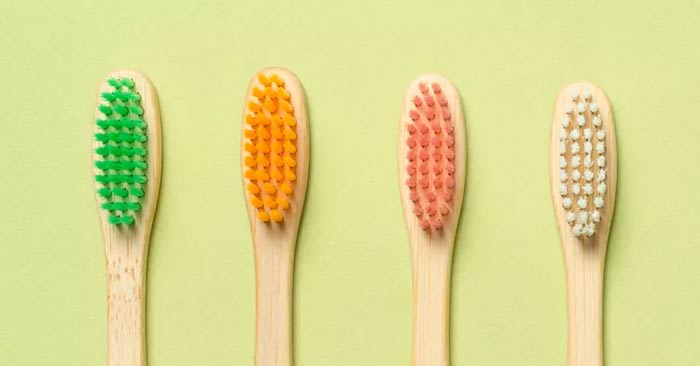
An old soft-bristled toothbrush can loosen dirt in small grooves, shoe treads and removable appliance parts. Use gentle pressure and a cleaner approved for the surface. A small brush is useful for detail work, but vigorous scrubbing can damage fabric, finishes and delicate jewelry.
Prepare and label the brush
Rinse away toothpaste and debris, wash the brush and let it dry. Mark it clearly as a cleaning tool and store it away from toothbrushes used for teeth. Keep separate brushes for bathroom surfaces, shoes and other jobs. Discard brushes with loose, sharp or badly splayed bristles.
Test the brush and cleaner on an inconspicuous area first. Follow the product label and do not mix cleaning products, particularly bleach with vinegar, acids or ammonia.
Tile grout and small crevices
Use a surface-compatible grout cleaner and short, light strokes along the grout line. Wipe away loosened residue with a damp cloth and rinse as the label directs. Do not assume vinegar is safe for every tile, stone or grout finish.
If grout is crumbling or the stain returns because of a leak, more scrubbing will not repair the underlying problem. Stop if the surface begins to flake.
Shoe soles and durable uppers
Brush off dry dirt first, then use a small amount of suitable cleaner on rubber treads and grooves. Wipe the loosened dirt away instead of spreading it across the shoe. Follow the shoe maker’s instructions for leather, suede, mesh and decorative finishes; a toothbrush is not suitable for every upper.
Clothing stains: dab before you scrub
Read the garment’s care label and use a stain treatment compatible with its fabric and color. A soft brush may help work a small amount into a durable washable fabric, but use a light touch. Avoid brushing silk, wool, delicate knits or any fabric that pills or distorts. Rinse or wash according to the treatment instructions.
For related fabric care, see which items to turn inside out when washing.
Jewelry needs a dedicated clean brush
Do not reuse the brush you cleaned shoes or grout with. Some sturdy jewelry can be cleaned gently with a soft, clean brush and a method approved for its metal and stones. Fragile settings, coatings, glued components and treated gems need special care. Ask a jeweler if you cannot identify the materials.
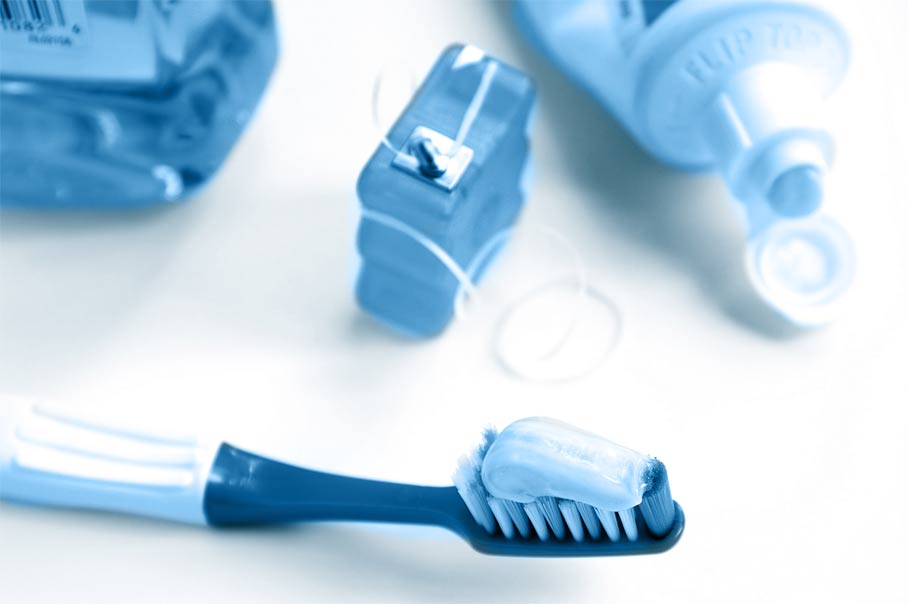
Avoid toothpaste and abrasive powders. The Gemological Institute of America’s jewelry-care guidance explains why different gemstones and treatments require different cleaning methods.
Carpet and upholstery: avoid hard scrubbing
Check the care instructions, blot liquid spills and test an approved cleaner in a hidden area. On suitable durable material, very gentle brushing may loosen a small amount of dried debris. Stop if fibers fuzz or color transfers to the cloth. A toothbrush can push a wet stain deeper or damage the pile if used aggressively.
Decorative brass and detailed metalwork
First determine whether the object is solid brass, plated or lacquered. Use the manufacturer’s cleaning method and avoid toothpaste as a general-purpose polish. A soft brush can help remove loose dust from accessible details, but abrasive scrubbing may remove plating or damage a protective finish. Valuable or antique pieces are better assessed by a specialist.

Washing-machine drawers and seals
Switch off and unplug the machine before cleaning accessible parts. Following its manual, remove a detergent drawer if designed to be removable and gently loosen residue in its corners. Wipe accessible seal folds without pulling or puncturing the rubber, then dry them.
Follow the manual before removing a filter: some machines release retained water, and not all filters are user-serviceable. A detail brush complements routine washing-machine maintenance; it does not replace the machine’s prescribed cleaning cycle.




Reader Comments 0
Sign in with email or Google to join the discussion.