Table of Contents
You do not need to deep-clean every household surface on the same schedule. For low-touch areas, a quick inspection and gentle spot-cleaning can be more useful than frequent scrubbing. Clean spills, grease, moisture, pest evidence, and visible dirt when you notice them; adjust the routine to your home rather than following a fixed “never clean” list.

Kitchen cabinet interiors: inspect, then clean what needs it
Remove crumbs and spills promptly, especially where food is stored. If a shelf is otherwise clean and dry, you do not need to empty every cabinet after each cooking session. Save a full clear-out for accumulated debris, sticky residue, leaks, or signs of pests.
Check containers and corners during normal use. A hidden leak or pest problem needs attention even if the area is rarely touched.
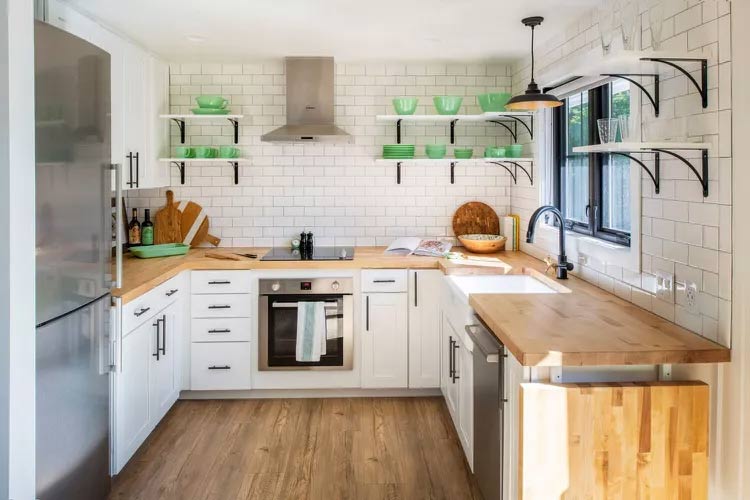
Granite and marble: use gentler methods, not neglect
Stone counters still need routine cleaning. The point is to avoid unnecessary abrasion or unsuitable chemicals, not to leave food residue on them.
The Natural Stone Institute recommends an appropriate neutral cleaner, stone soap, or mild dishwashing detergent with warm water, followed by rinsing and drying. Acidic cleaners can etch marble and other acid-sensitive stone; abrasive products can scratch surfaces.
Soap-and-water cleaning is not the same as disinfection. If disinfection is needed, use a product suitable for that stone and follow its label and the surface manufacturer’s guidance.
Indoor lights: dust according to buildup
Light fixtures generally do not need the same cleaning frequency as frequently handled switches. Check for dust, insects, or kitchen grease and clean according to the fixture’s instructions.
Switch the light off and let it cool before cleaning. Keep liquid out of fittings and electrical parts. Use safe access equipment rather than stretching from unstable furniture.

Outdoor lights: inspect after exposure
Dust, insects, and weather can dirty outdoor fixtures at different rates. Inspect them and clean when buildup affects appearance or light output, rather than wiping them automatically every day. A sheltered light and a fixture beside a dusty road need different routines.
Follow the manufacturer’s method for the housing and lens; an outdoor rating is not permission to spray water into any opening.
Baseboards and trim: start with dry dust removal
Use a soft brush, vacuum attachment, or cloth for loose dust. Spot-clean marks with a method compatible with the paint or finish. Avoid aggressive scrubbing or repeatedly soaking seams.
Move furniture when access is needed, protecting the floor and getting help for heavy pieces. There is no benefit in damaging the finish to remove a small mark that needs a gentler treatment.
Cabinet doors: target handles and splashes
Clean handles, fingerprints, and cooking splashes as needed. Inspect the larger door surfaces before deciding on a full wipe-down. Use a soft cloth and a cleaner approved for the finish, then dry moisture around edges and joints.
A useful routine separates quick daily cleanup from occasional deeper work. Prioritize food residue, water, grease, and frequently handled surfaces, then use visible buildup to guide lower-touch areas. See kitchen habits that can damage surfaces and appliances for related care mistakes.
Related Articles
 Cleaning habits that are a complete waste of time
 The biggest time wasting cleaning mistakes
 Items that should not be cleaned regularly if you want to use them for a long time
 Instructions for cleaning the touchpad properly
 The truth about recycling e-waste and its effectiveness
 Different ways to classify waste
Reader Comments 0
Sign in with email or Google to join the discussion.