Table of Contents
This article provides a clear overview of Two Children Sue Google for Allegedly Collecting Students', with the main facts, useful context, and practical details organized for easy reading.
Google is using its services to create face templates and "voiceprints" of children, the complaint says, through a program in which the search giant provides Chromebooks and free access to G Suite for Education apps to school districts across the country. Those apps include student versions of Gmail, Calendar and Google Docs.
The data collection would violate Illinois' Biometric Information Privacy Act, or BIPA, which regulates facial recognition, fingerprinting and other biometric technologies in Illinois. The practice would run afoul of the Children's Online Privacy Protection Act, or COPPA, a federal law that requires sites to get parental consent when collecting personal information from users who are under 13 years old.
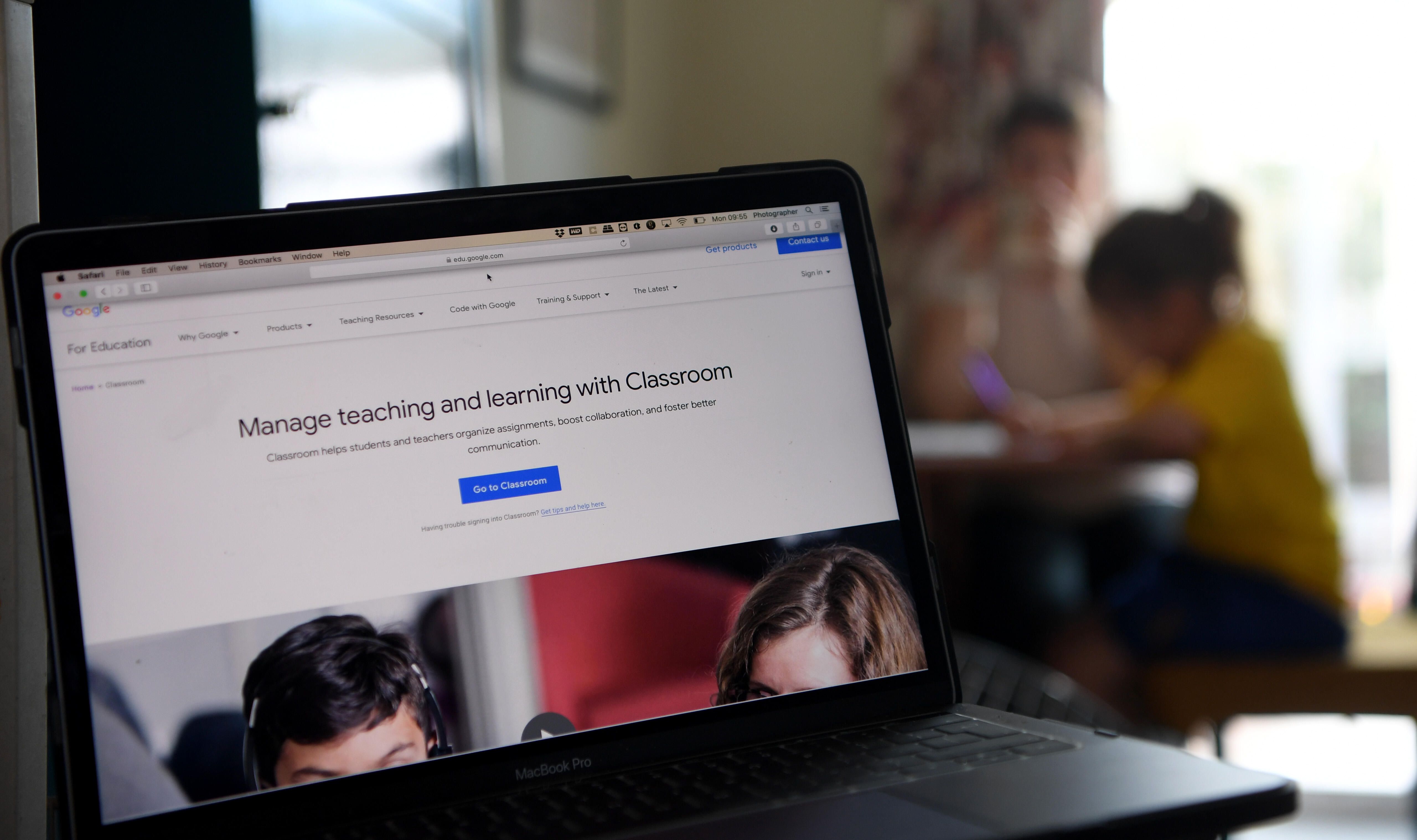
"Google has complete control over the data collection, use, and retention practices of the "G Suite for Education" service, including the biometric data and other personally identifying information collected through the use of the service, and uses this control not only to secretly and unlawfully monitor and profile children, but to do so without the knowledge or consent of those children's parents," the lawsuit says.
Google declined to comment. Bloomberg earlier reported news of the lawsuit.
The lawsuit is asking for damages of $1,000 to each member of the class for BIPA violations that Google committed "negligently," or $5,000 each for each violation committed "intentionally or recklessly."
The complaint underscores Google's dominance in American classrooms, which has only grown in recent weeks. Schools are depending more on the tech giant's educational tools as physical classes around the nation are canceled in response to the coronavirus pandemic. As several states enact stay-at-home orders, usage of Google's tools has skyrocketed. Downloads of Google Classroom, which helps teachers manage classes online, have swelled to 50 million, making it the No. 1 education app on Apple's iOS and Google's Android platforms. On Thursday, the company announced a partnership with California Gov. Gavin Newsom to donate 4,000 Chromebooks to students across the state.
Proud to work with @GavinNewsom & partners to help bridge the digital divide in our home state. We're providing 4,000 Chromebooks to California students in greatest need & free wifi to 100,000 rural households during the #COVID19 crisis to make distance learning more accessible.
— Sundar Pichai (@sundarpichai) April 1, 2020
The lawsuit isn't the first time Google has drawn criticism for its classroom efforts. In February, New Mexico Attorney General Hector Balderas sued Google for allegedly violating COPPA through its educational platforms. The lawsuit accused Google of collecting information on students' locations, their passwords, what websites they've visited, what they've searched for on Google and YouTube, their contact lists and voice recordings.
Google has also faced broader blowback for its handling of children's data. In September, the US Federal Trade Commission slapped a record $170 million fine, as well as new requirements, for YouTube's violation of COPPA. In response, the video site made major changes to how it treats kids videos, including limiting the data it collects from those views.
FAQ
What is the main focus of Two Children Sue Google for Allegedly Collecting Students'?
The article explains the most important facts, context, and practical details related to Two Children Sue Google for Allegedly Collecting Students'.
Who may find this information useful?
It is useful for readers who want a clear overview, practical context, and a better understanding of the subject.
What should readers verify before taking action?
Check current product versions, official requirements, regional availability, and any details that may have changed since the original publication.
Related Articles
 Facebook Was Sued Collectively Because of Biometric Data Collection, Which Could Cost Billions3 minutes read
 Google Pays $$ 5 to Scan Pedestrian Faces, Collecting Necessary9 minutes read
 You'd Be Amazed at How Much Information Google Knows About You?9 minutes read
 Google Holds 10 Times the Amount of Data That Facebook Has on You4 minutes read
 The 13-Year-Old 'Hacker' Enters the School's Computer System to Create a 'List of7 minutes read
 Google Paid a Fine of 50 Million Euros After Allegedly Violating the General Data Protection Act6 minutes read
Reader Comments 0
Sign in with email or Google to join the discussion.